
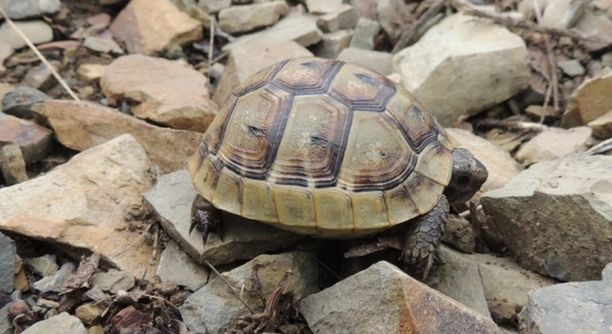
Winter can be challenging for pet owners, especially when it comes to maintaining the proper environment for reptiles like Greek tortoises. Keeping them warm is essential during the cold months to ensure their health and safety.
To safely heat a Greek tortoise enclosure in winter, it is crucial to maintain consistent temperatures. Using heat lamps, ceramic heaters, and thermostats can regulate warmth. Proper ventilation and insulation are also key to preventing overheating or drafts.
With the right techniques, you can ensure your tortoise stays comfortable and healthy during winter. We will share practical tips to keep your pet’s environment just right.
Use Heat Lamps for Consistent Warmth
Heat lamps are one of the most effective tools to keep your Greek tortoise’s enclosure warm during winter. These lamps provide a direct heat source, helping to maintain a warm basking area where your tortoise can regulate its body temperature. Position the heat lamp above the basking spot, ensuring the temperature stays between 85°F and 90°F. This area mimics the warmth the tortoise would naturally seek in the wild, allowing it to maintain its health and activity.
It’s important to choose the right wattage for your tank size. A higher wattage might provide more heat, but it could cause the enclosure to become too hot. A lower wattage might not generate enough heat, leaving your tortoise in an uncomfortable environment. Always monitor the temperature with a thermometer to ensure the heat is appropriate.
When using a heat lamp, it’s best to set it on a timer so that it mimics the natural day-night cycle. This method supports a healthy sleep pattern for your tortoise. Make sure the light is turned off at night to allow your tortoise to rest.
Ceramic Heaters as a Steady Heat Source
Ceramic heaters are a great option for providing background warmth throughout the entire enclosure. These heaters do not emit light, which makes them perfect for maintaining nighttime temperatures.
They work well in larger enclosures, as they evenly distribute heat over a long period. Because they don’t produce light, ceramic heaters allow your tortoise to rest undisturbed while still benefiting from a consistent temperature. When paired with a thermostat, they can help you avoid extreme temperature fluctuations.
Use a Thermostat for Temperature Control
A thermostat is essential to monitor and regulate the temperature in the enclosure. It prevents overheating or underheating by automatically turning the heat source on or off to maintain a stable environment.
When setting up your thermostat, make sure it’s connected to both the heat lamp and the ceramic heater. This way, you can control the temperature from one central point. Set it to maintain the appropriate range for your Greek tortoise’s needs. Keeping the temperature constant reduces stress and supports your pet’s health.
Ensure the thermostat is placed away from the direct heat source to prevent false readings. You should also check the temperature periodically to confirm that the thermostat is working correctly and adjusting the heat as needed.
Insulate the Enclosure to Keep Warmth In
Insulation helps retain the warmth generated by your heat sources and prevents drafts. You can insulate the sides of the enclosure with foam or other heat-retaining materials to create a more stable temperature environment.
Covering the top or back of the enclosure with insulated materials also helps prevent heat loss. Be mindful not to completely block ventilation, as your tortoise still needs fresh air. Insulation will improve heat retention while maintaining airflow. This method works well when combined with a ceramic heater or heat lamp to make sure your tortoise stays comfortable through the cold months.
Keep the Enclosure Dry
Humidity can make the cold feel worse for your tortoise. Keeping the enclosure dry is important for maintaining a comfortable, healthy environment. Make sure the bedding you use is absorbent and dry.
Monitor humidity levels with a hygrometer. If the humidity gets too high, it can cause discomfort and health issues for your tortoise. Ensure the area around the heat sources remains dry to prevent dampness from creating a cold, uncomfortable habitat. Dry conditions will also help maintain a stable temperature, preventing excess moisture in the air.
Use Proper Ventilation
Proper ventilation allows fresh air to circulate in the enclosure while preventing the buildup of excess humidity. Too little airflow can lead to overheating and stagnant air, which isn’t ideal for your tortoise.
Make sure the enclosure has enough ventilation to allow air to flow freely but without creating drafts. Small gaps or vents near the top of the enclosure work well. If you’re using a glass tank, consider using a screen lid to help with ventilation while still maintaining warmth.
FAQ
How do I know if the enclosure is too cold for my Greek tortoise?
If the enclosure is too cold, your tortoise may become lethargic or less active. You might notice it burrowing more often or staying in one spot without moving much. A lack of appetite is another sign that the temperature is not suitable. Use a thermometer to regularly check the temperature, ensuring that the basking area stays within the recommended range of 85°F to 90°F. The cool end should be around 70°F. If these temperatures are not maintained, it could stress your tortoise.
Can I use a space heater for a Greek tortoise enclosure?
Space heaters can be used to heat a room, but they are not ideal for directly heating a tortoise enclosure. They can create an uneven temperature distribution and dry out the air. Instead, it’s better to use a heat lamp or ceramic heater specifically designed for reptile enclosures. These provide a more controlled and safe heat source. Always monitor the temperature closely to avoid overheating or creating unsafe conditions for your tortoise.
What is the best bedding for a winter tortoise enclosure?
For winter, it’s best to use bedding that retains heat and keeps your tortoise comfortable. Coconut coir, aspen shavings, or hay work well. Avoid using materials that could become too damp, like moss, as this could lead to mold or unwanted humidity. The bedding should be dry and easily cleaned. A layer of bedding helps your tortoise burrow and maintain warmth in cooler weather. Make sure to spot clean daily to keep the environment sanitary.
How can I keep the temperature stable at night?
To maintain stable temperatures overnight, you can use a ceramic heater, as it doesn’t emit light and provides consistent warmth. Place it at the cool end of the enclosure. You can also use a thermostat to ensure that the heat source stays on during colder nights. Avoid leaving a heat lamp on overnight, as it can disrupt the natural day-night cycle and prevent your tortoise from resting. Keep the nighttime temperature around 70°F to mimic natural conditions.
Should I provide a heat gradient in the enclosure during winter?
Yes, maintaining a heat gradient is essential. This allows your tortoise to regulate its body temperature by moving between different temperature zones. The basking area should be around 85°F to 90°F, while the cooler side of the enclosure should stay between 70°F and 75°F. The temperature variation mimics the natural environment, ensuring your tortoise has access to both warmth and cooler areas when needed.
What temperature should I set for a Greek tortoise during winter?
During winter, the basking area should stay between 85°F and 90°F, while the cooler side should range from 70°F to 75°F. These temperatures are ideal for Greek tortoises, allowing them to bask and then cool down as they choose. At night, temperatures can drop to around 65°F to 70°F. However, make sure not to let the temperature go below 60°F, as that could be harmful to your tortoise.
Can I use a reptile heat pad for a Greek tortoise enclosure?
Reptile heat pads are not the best option for Greek tortoises, as they do not provide enough heat in a large enclosure. Heat pads are typically used for smaller, more confined spaces like terrariums or for spot heating. For a Greek tortoise, it’s better to use heat lamps, ceramic heaters, or a combination of both. These provide a more consistent and adequate heat source over a larger area.
What do I do if my Greek tortoise is not eating during winter?
If your tortoise is not eating during winter, it could be a sign that the temperature is too cold or unstable. Double-check the temperature in the enclosure and adjust as needed. Tortoises often eat less in colder months, but if they stop eating completely, it could indicate a problem. Ensure that the basking area is warm enough and that the overall temperature gradient is correct. If the issue persists, it’s best to consult a veterinarian who specializes in reptiles.
Do I need to use UVB lighting in winter?
Yes, UVB lighting is still necessary in winter. Greek tortoises need UVB light to synthesize vitamin D3, which helps them absorb calcium and maintain strong bones. Even in winter, UVB lighting should be provided for 10-12 hours a day. If natural sunlight is not available, make sure to use a high-quality UVB bulb specifically designed for reptiles. Replacing the bulb every 6-12 months is also important, as UVB output decreases over time.
Can I use a heated rock in the enclosure?
Heated rocks are generally not recommended for Greek tortoises. They can get too hot, leading to burns or overheating. Instead, focus on using heat lamps or ceramic heaters that allow you to better control the temperature. These options provide a safer and more reliable heat source for your tortoise’s needs. Always check the temperature regularly to ensure the enclosure remains safe and comfortable.
Final Thoughts
Keeping your Greek tortoise warm during the winter months requires a careful balance of proper heating and environmental control. While they do need warmth, it’s important to avoid overheating. A good heat gradient, with a warm basking area and a cooler side, is essential for their health. Monitoring the temperature closely is the best way to ensure that your tortoise has a comfortable and safe environment. Using appropriate heat sources, like heat lamps and ceramic heaters, will help maintain the right temperatures while also keeping the air dry.
In addition to temperature control, ensuring the enclosure is dry and well-ventilated is key to maintaining a healthy environment. Excess humidity can create problems, so be sure to use absorbent bedding and check humidity levels regularly. Having proper ventilation will also prevent air from becoming stagnant, which could lead to health issues. By addressing both the heat and airflow, you’ll create a stable, comfortable space for your tortoise during the colder months.
Finally, always keep an eye on your tortoise’s behavior. If they become lethargic, stop eating, or show signs of distress, it could be a sign that the environment isn’t quite right. Make adjustments as needed and consult a vet if problems persist. With the right care, your Greek tortoise will stay comfortable and healthy through the winter season.

Hello,
If you enjoy the content that we create, please consider saying a "Thank You!" by leaving a tip.
Every little bit helps us continue crafting quality advice that supports the health, happiness, and well-being of pets around the world, for pets of all shapes, sizes, and species.
We really appreciate the kindness and support that you show us!