
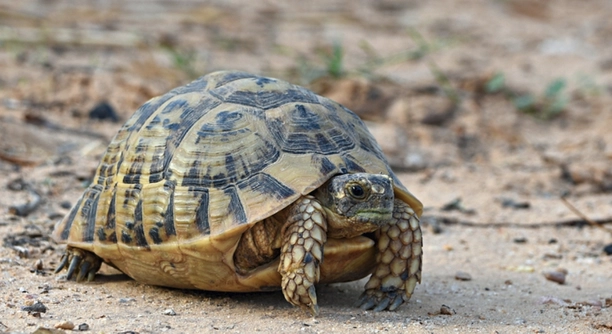
Greek tortoises are unique pets that require careful attention to their well-being. A common concern is when their shells begin to peel. Understanding the causes and how to address them is key to maintaining a healthy tortoise.
Peeling of a Greek tortoise’s shell can be attributed to several factors, including improper diet, humidity levels, or even injury. Shell peeling may also be a natural shedding process or a sign of underlying health issues, requiring timely intervention.
Taking the right steps will help you understand the root causes and find solutions to prevent further shell peeling.
1. Improper Diet
A Greek tortoise’s shell health depends on a balanced diet. If they are not getting enough of the right nutrients, their shells can become weak and start peeling. A lack of calcium is particularly common, as calcium is essential for maintaining strong, healthy shells. Additionally, a diet too high in protein can cause shell issues, as it can disrupt their natural calcium absorption. It’s important to offer a variety of leafy greens, such as dandelion greens, collard greens, and kale. These should be the main focus of their diet, with occasional treats of fruit and other vegetables.
A calcium supplement can also help if you’re concerned about any deficiencies. Make sure it’s a type that’s safe for reptiles and apply it to their food regularly.
Proper nutrition is the foundation of a healthy tortoise shell. If diet is neglected, peeling is one of the signs that indicate something might be wrong with their nutritional intake.
2. Improper Humidity
Humidity levels play a crucial role in your tortoise’s overall health. Too low humidity can lead to dehydration, which, in turn, affects the shell. When a tortoise doesn’t have enough moisture in its environment, its skin may peel as a sign of distress. The ideal humidity range for a Greek tortoise is around 50-60%.
Creating an environment that replicates natural conditions can help. You might want to mist their habitat regularly or add a humidifier to their enclosure. Keeping their environment balanced will not only prevent shell peeling but also improve their overall well-being.
Adjusting the humidity is a simple fix that can significantly improve your tortoise’s condition. Maintaining the right moisture levels ensures a comfortable habitat where they can thrive.
3. Injuries and Trauma
Physical injury is another common cause of shell peeling. Tortoises can hurt themselves by falling or bumping into objects in their habitat. Shell trauma, whether from an impact or abrasion, may cause the outer layer to peel off as it heals. If your tortoise has visible cracks or dents, the shell could be vulnerable.
In some cases, the peeling might be an attempt to repair damage. However, injury can also lead to more serious issues like infections. It’s important to inspect the shell regularly for cracks or signs of trauma. If you suspect an injury, seek prompt veterinary advice to ensure proper treatment and prevent complications.
Preventing injury starts with providing a safe environment. Ensure the enclosure is free of sharp edges or heavy items that could fall. A clean and secure space reduces the chances of your tortoise experiencing trauma.
4. Shedding Process
Peeling of the shell can sometimes simply be a natural part of the tortoise’s shedding process. As tortoises grow, their shells gradually grow with them. The outer layer of the shell is often shed to make way for new growth. This process is similar to shedding skin but happens less frequently.
During this time, your tortoise might appear to have areas of peeling or flaking, but it’s usually nothing to worry about. Ensuring your tortoise has the right diet and proper humidity levels will help support this natural process. Keep in mind that it’s normal for their shell to shed in patches over time.
While shedding is generally harmless, any unusual or excessive peeling should be monitored. If your tortoise appears to be shedding more than usual, consult with a vet to rule out any health concerns.
5. Inadequate UVB Lighting
UVB lighting is essential for a tortoise’s health. Without it, their ability to process calcium becomes impaired, which can lead to softening and peeling of their shell. Tortoises need exposure to UVB rays to synthesize vitamin D3, crucial for calcium absorption and overall shell integrity.
Make sure the UVB light is the correct type and placed at the right distance from the tortoise’s habitat. Replace UVB bulbs regularly, as they lose their effectiveness over time. If your tortoise has been lacking proper UVB exposure, this could be contributing to shell issues.
A proper UVB setup is a simple solution that will keep your tortoise healthy and its shell strong.
6. Shell Rot or Infections
Infections, like shell rot, can lead to peeling of the shell. Bacterial or fungal infections cause soft spots, which may appear as peeling or flaking. If left untreated, infections can lead to severe health problems for your tortoise, including more extensive shell damage and pain.
Shell rot often occurs due to prolonged exposure to excessive moisture, dirt, or poor hygiene in the habitat. It’s essential to inspect your tortoise’s shell closely, especially in damp or dark areas. If you notice a foul odor, softness, or color changes, consult a vet immediately for diagnosis and treatment.
Treating shell rot involves cleaning the affected area, applying appropriate medications, and improving the tortoise’s living conditions.
FAQ
Why is my tortoise’s shell peeling even though I provide a good diet?
Diet is just one factor in shell health. If your tortoise is still experiencing shell peeling despite a proper diet, other environmental factors could be at play. Humidity levels, UVB lighting, or even stress from injury might contribute to the issue. Make sure your tortoise’s habitat is appropriately set up, with the right temperature, humidity, and lighting, in addition to a balanced diet.
Can shell peeling be a sign of a serious health problem?
Shell peeling can sometimes be a sign of underlying health issues, such as infections, shell rot, or metabolic bone disease. If the peeling is excessive or the shell appears soft, discolored, or has an unusual odor, it’s important to consult a vet. Early detection and treatment can prevent further complications.
How long does it take for a tortoise’s shell to heal after peeling?
The time it takes for a tortoise’s shell to heal depends on the cause of the peeling. For natural shedding, the process usually takes a few weeks to a month. However, if the peeling is due to injury, infection, or other health concerns, healing may take longer. Providing a clean, dry, and safe environment helps promote faster recovery.
Can I treat my tortoise’s peeling shell at home?
If your tortoise’s shell is peeling due to natural shedding, there’s no need for treatment. However, if it’s caused by an injury or infection, it’s essential to see a vet for proper care. In some cases, you might need to clean the shell gently or apply specific ointments, but always consult a professional before doing so.
How can I prevent shell peeling in the future?
Preventing shell peeling starts with maintaining a healthy environment. Ensure your tortoise has proper UVB lighting, a balanced diet, and a habitat with the right humidity levels. Regularly clean their enclosure and provide a safe space to avoid injury. Monitoring your tortoise’s health will help catch any issues early on.
Is it normal for a tortoise’s shell to peel?
Yes, it’s normal for a tortoise’s shell to peel as part of its growth and natural shedding process. Tortoises shed the outer layers of their shell periodically, which helps them grow. This process should not cause significant harm, but if the peeling seems excessive or abnormal, it’s worth investigating further.
Can shell rot be treated at home?
Shell rot requires prompt treatment and should be handled with care. While you can clean the affected area and keep the shell dry, it’s best to consult a vet for proper diagnosis and medication. If not treated correctly, shell rot can cause permanent damage to your tortoise’s shell.
What signs should I look for if I think my tortoise has shell rot?
Signs of shell rot include soft spots, discoloration, an unpleasant odor, or any abnormal texture on the shell. If your tortoise has any of these symptoms, it’s important to take them to a vet as soon as possible for proper treatment and to prevent further damage.
Can stress cause a tortoise’s shell to peel?
Yes, stress can lead to health problems that affect the tortoise’s shell, including peeling. Stressful conditions such as overcrowding, improper habitat conditions, or sudden changes in their environment can lead to physical symptoms like peeling or shedding. Reducing stress and providing a stable, comfortable environment can help prevent this.
What kind of lighting does my tortoise need for healthy shell growth?
UVB lighting is essential for tortoise shell health. It helps them process calcium, which is crucial for strong shells. Make sure the UVB light is positioned correctly within their habitat and replace it regularly, as it loses its effectiveness over time. Proper lighting is necessary for overall health and shell integrity.
Can a tortoise’s shell peel due to dehydration?
Dehydration can contribute to various health issues in tortoises, including shell peeling. When a tortoise is not getting enough water, its skin and shell may begin to dry out. It’s important to ensure your tortoise has access to fresh water at all times and consider soaking them in shallow, warm water to promote hydration.
Final Thoughts
Taking care of a tortoise involves a lot of attention to their habitat, diet, and overall well-being. If your tortoise’s shell is peeling, it’s important to understand the underlying reasons. Natural shedding is common, but environmental factors like humidity, UVB lighting, and diet can also impact shell health. Shell peeling caused by injury, infections, or stress requires immediate attention to ensure the health of your tortoise.
Regular checks of your tortoise’s living environment are essential. Make sure their habitat is clean, well-lit, and has the right temperature and humidity. Proper UVB lighting and a well-balanced diet are key factors in preventing health issues related to shell growth. Also, provide your tortoise with fresh water and a safe space to avoid any injuries. These simple steps will help keep your tortoise happy and healthy.
If you notice any signs of infection, injury, or abnormal peeling, don’t hesitate to consult a veterinarian. Early intervention is crucial for treating conditions like shell rot or metabolic bone disease. By staying on top of your tortoise’s care, you can prevent many of these issues and help them live a long, healthy life. Remember, a healthy tortoise is a happy tortoise.

Hello,
If you enjoy the content that we create, please consider saying a "Thank You!" by leaving a tip.
Every little bit helps us continue crafting quality advice that supports the health, happiness, and well-being of pets around the world, for pets of all shapes, sizes, and species.
We really appreciate the kindness and support that you show us!