
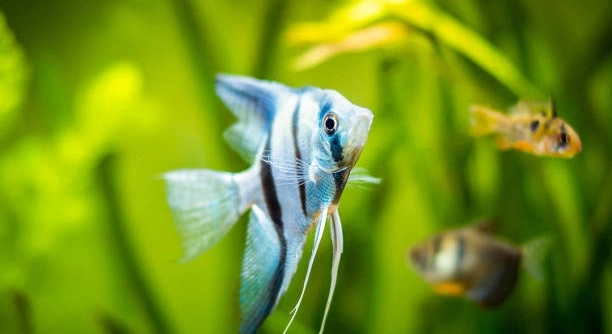
Angelfish are beautiful but sensitive creatures. Their stress can affect their health and well-being. Understanding how to reduce stress can make a big difference in their comfort and longevity.
To reduce stress in angelfish, focus on maintaining stable water conditions, offering a suitable environment, and avoiding sudden changes. Proper feeding, compatible tank mates, and regular maintenance help keep them calm and healthy.
These simple steps can make your angelfish thrive in a stress-free environment.
Maintain Stable Water Conditions
Water quality is key to keeping angelfish stress-free. They thrive in stable environments, and fluctuations in water parameters can easily cause stress. Ensure your tank has a reliable filtration system and keep a consistent temperature between 75°F and 82°F. Regular water changes are crucial to maintaining proper water quality, especially in smaller tanks.
Ammonia and nitrites should always remain at zero. High levels of these substances can lead to poor health and increased stress for your fish. Test the water regularly using a reliable water testing kit to monitor key parameters such as pH, hardness, and nitrate levels.
A stable water environment helps prevent illnesses and reduces the risk of sudden changes that could alarm your fish. By keeping water conditions optimal, you provide an ideal setting for your angelfish, allowing them to thrive. Regular maintenance and consistent care are essential for minimizing stress in your tank.
Provide a Proper Tank Setup
The size and setup of your angelfish’s tank are crucial. A tank that is too small can lead to cramped conditions, which stresses your fish. Aim for at least a 30-gallon tank to ensure ample space. Include decorations like plants, caves, or driftwood to create hiding spots.
Angelfish are peaceful but can become aggressive if they feel threatened. Properly arranged decorations help provide territories, which will reduce competition for space. Be sure to use non-sharp decorations to prevent injury.
Avoid overcrowding, as too many fish in one tank can increase stress levels. Angelfish should have enough space to swim and move around comfortably. A well-designed setup is vital for ensuring your fish live without unnecessary tension.
Avoid Sudden Changes
Angelfish are sensitive to changes in their environment. Sudden temperature shifts, drastic water changes, or moving tank decorations can lead to stress. Gradual adjustments are key. If you need to change water parameters, do it slowly over several days.
When performing water changes, ensure the new water is at a similar temperature to the tank water. This prevents thermal shock, which can stress your fish. A slow introduction of new water also helps the filter adjust, keeping water chemistry stable.
Handling your angelfish or rearranging the tank should also be done cautiously. Moving decorations or adding new fish can disrupt their comfort. If you need to make changes, do so when necessary and try to keep their environment as stable as possible to avoid stressing them.
Choose Compatible Tank Mates
Angelfish are generally peaceful but can be stressed by aggressive tank mates. It’s important to choose companions that won’t provoke or compete aggressively for space or food. Avoid placing them with fin-nippers or overly territorial species.
Fish like tetras, gouramis, and peaceful catfish are good tank mates for angelfish. These species usually coexist well without causing stress. Keep in mind the size and temperament of the fish when planning your tank’s community. Avoid overcrowding as it can create tension between the fish.
A peaceful and balanced tank will help reduce the chances of aggression, allowing angelfish to feel safe. Always monitor your tank’s behavior after introducing new fish to ensure compatibility. Keep an eye on any signs of stress to prevent harm.
Feed a Balanced Diet
A proper diet is essential to keeping your angelfish healthy and stress-free. Offer a variety of high-quality foods, including flakes, pellets, and live or frozen options. Feeding them in small amounts reduces waste and keeps the water cleaner.
Overfeeding can lead to uneaten food, which increases stress levels as it pollutes the water. Always feed in moderation, and remove any uneaten food promptly. A balanced diet boosts their immune system and helps prevent health issues that could cause stress.
Keep Tank Lighting Consistent
Lighting plays a major role in your angelfish’s comfort. Too much light can cause stress, while too little can make them feel insecure. A steady light cycle, with 8-12 hours of light daily, mimics their natural environment.
A timer can help maintain a consistent light schedule. This reduces stress by offering predictable light and dark periods, similar to their natural habitat. Inconsistent lighting can disturb their rest and overall well-being, causing them to become more agitated.
Reduce External Disturbances
Angelfish are sensitive to loud noises and sudden movements around their tank. Placing the tank in a quiet, stable location reduces stress. Avoid tapping on the glass or making quick movements near the tank.
Keep your tank away from busy areas where people or pets may cause distractions. Consistent, calm surroundings help angelfish feel secure.
FAQ
How can I tell if my angelfish is stressed?
Stressed angelfish often display changes in behavior, such as hiding more than usual or swimming erratically. They may also show physical signs like clamped fins, loss of appetite, or faded colors. If your angelfish is constantly darting around the tank or staying near the bottom, it may indicate stress.
Can angelfish live with other species?
Yes, angelfish can live with other species, but it’s important to choose tank mates wisely. Peaceful fish such as tetras, rasboras, and other non-aggressive species work well. Avoid fin-nippers or overly territorial fish, as they can cause stress and aggression.
What water conditions are best for angelfish?
Angelfish prefer slightly acidic to neutral water, with a pH level between 6.8 and 7.8. The temperature should be between 75°F and 82°F. It’s essential to maintain stable water parameters by testing regularly and doing partial water changes weekly to keep their environment healthy.
How often should I feed my angelfish?
Feed your angelfish once or twice a day, offering only as much food as they can eat in a few minutes. Overfeeding can lead to water contamination and increased stress. It’s important to remove any leftover food to maintain clean water.
Can angelfish live alone?
Angelfish can live alone, but they may become bored or stressed without companions. If you choose to keep one, make sure the tank is large enough to provide plenty of space. Consider adding other peaceful fish to help keep them active and engaged.
What are the signs of illness in angelfish?
Signs of illness include unusual swimming patterns, clamped fins, loss of appetite, or visible lesions on the body. If your angelfish is scratching against objects or has abnormal gill movement, it could be a sign of a skin parasite or water quality issues. Acting quickly can prevent further stress or spread of illness.
How can I improve the water quality in my angelfish tank?
Regular water changes are crucial for maintaining good water quality. Change 25-30% of the water weekly to remove excess nutrients and waste. Use a high-quality filter to help remove debris and toxins, and monitor the levels of ammonia, nitrites, and nitrates to keep the water safe.
What is the best tank size for angelfish?
Angelfish should be kept in tanks that are at least 30 gallons. While they can grow large, a bigger tank provides more space to swim, reducing stress and preventing territorial behavior. A larger tank also allows for more stable water conditions.
Why is my angelfish’s color fading?
Fading colors can indicate stress, poor water quality, or an inadequate diet. Ensure your tank’s water conditions are optimal, and your angelfish is receiving a balanced diet. Stress from incompatible tank mates or environmental factors can also cause color loss.
How can I reduce stress during water changes?
To reduce stress during water changes, make sure the new water is close to the same temperature as the tank water. Use a water conditioner to remove chlorine and chloramine, and try to avoid disturbing the fish while performing the change. Doing it gradually helps them adjust without sudden shocks.
Should I use decorations in my angelfish tank?
Yes, decorations are important for providing hiding spots and creating a more natural environment for your angelfish. Use smooth, non-sharp decorations to avoid injury. Plants, rocks, and driftwood are good options, but ensure there is enough swimming space.
What should I do if my angelfish is bullying tank mates?
If your angelfish is bullying other fish, it may be a sign of overcrowding or territorial issues. Rearrange the tank decorations to break up territories, and ensure the tank is large enough. Adding more hiding spots can help, as well as introducing other peaceful fish to divert attention away from aggression.
Is it necessary to have a filter for an angelfish tank?
Yes, a filter is essential for keeping the water clean and providing aeration. It helps remove waste, uneaten food, and toxins that can build up. Choose a filter that is suitable for the size of your tank, but make sure it doesn’t create strong currents, as angelfish prefer calm water.
Can I use tap water for my angelfish tank?
Tap water can be used, but it must be treated with a water conditioner to remove chlorine, chloramine, and heavy metals that can harm your fish. Always test the water before introducing it to the tank and adjust its pH, hardness, and temperature to match the needs of your angelfish.
How do I prevent my angelfish from getting sick?
To prevent illness, maintain stable water conditions and feed a balanced diet. Avoid overcrowding and ensure your angelfish live with compatible tank mates. Regularly check for any signs of illness and remove sick fish to prevent spreading disease. Regular water changes also help maintain a healthy environment.
What’s the best way to acclimate new angelfish to the tank?
Acclimate new angelfish slowly by floating the bag in the tank for 15-20 minutes. This allows the water temperature to adjust. After that, slowly add small amounts of tank water to the bag. This gradual process prevents shock and allows the fish to adapt to their new environment.
Final Thoughts
Keeping angelfish healthy and stress-free requires attention to several key factors. Providing a stable environment, maintaining good water quality, and feeding a balanced diet are some of the most important aspects of their care. Stress in angelfish can be triggered by sudden changes in water parameters, aggressive tank mates, or poor tank conditions. It’s essential to make any necessary changes to their environment gradually and avoid overloading the tank with incompatible species. Regularly check water conditions and adjust them as needed to ensure your angelfish feel comfortable.
Another important factor is the tank setup. Providing hiding spots, plants, and decorations creates a secure environment where your angelfish can retreat if they feel threatened. However, make sure the tank isn’t overcrowded, as this can lead to stress. Tank mates should be selected with care to avoid any aggression or competition for resources. Angelfish can live peacefully with non-aggressive species, but it’s crucial to monitor interactions closely after introducing new fish. Keeping their environment calm and predictable will help them thrive.
Lastly, paying attention to your angelfish’s behavior and appearance can alert you to potential problems before they become serious. If you notice changes in their swimming patterns, appetite, or physical appearance, it could be a sign of stress or illness. Acting early and addressing any issues promptly can prevent further harm. By maintaining a balanced environment, carefully selecting tank mates, and providing proper care, you can ensure that your angelfish remain healthy, happy, and stress-free for a long time.

Hello,
If you enjoy the content that we create, please consider saying a "Thank You!" by leaving a tip.
Every little bit helps us continue crafting quality advice that supports the health, happiness, and well-being of pets around the world, for pets of all shapes, sizes, and species.
We really appreciate the kindness and support that you show us!