
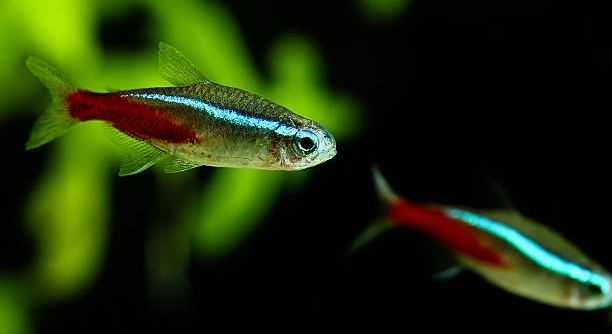
Are your neon tetras looking a bit dull or stressed despite a clean tank and good water conditions? Their lighting setup might be the missing piece. Small changes can make a big difference in their overall health and color.
The best lighting conditions for neon tetras include a balanced light-dark cycle, low to moderate intensity, and consistent duration. These elements help replicate their natural habitat, reduce stress, and support their biological rhythms and vibrant coloration.
Creating the right lighting routine can lead to brighter colors, calmer behavior, and a healthier environment for your fish.
Use Gentle, Dim Lighting
Neon tetras come from soft, shaded waters, so bright lights can be overwhelming for them. Aim for dim lighting that mimics their natural environment. LED lights with adjustable settings work well, allowing you to lower the intensity. Avoid strong, direct lighting that might cause stress. Plants like Java fern or floating plants such as duckweed can help diffuse light and create shaded spots. This reduces stress and encourages more natural behavior. Keep the light consistent, but avoid leaving it on too long. About 8 to 10 hours a day is enough. Using a timer makes this easier. Sudden light changes can also startle them, so ease the lights on and off if possible. Your tetras will feel more secure and show brighter colors when they are kept in lighting that’s not too harsh or inconsistent.
Dimming the tank light gradually in the morning and evening can help prevent stress responses in neon tetras.
Creating a natural, shadowy environment with floating plants and dimmable LEDs can improve the overall mood of your neon tetras. Their movement becomes calmer, and their colors become more vivid. With better lighting, they’re less likely to hide or become skittish, making your tank more active and pleasant to watch.
Maintain a Consistent Light Schedule
A stable light schedule keeps neon tetras healthy by supporting their internal rhythms. It helps them stay active during the day and rest at night without confusion or stress.
Use a timer to keep lights on for about 8 hours daily. Sudden shifts or irregular schedules can lead to disorientation and erratic behavior. Maintaining this pattern not only reduces stress but also supports their immune system and natural activity levels. Morning to early evening is ideal for their active hours. Avoid leaving lights on too long, as this disrupts their rest and may encourage algae growth. Night lights or blue moonlights are not necessary and can be disruptive. Keep the tank near a stable light source without placing it in direct sunlight. If your home has inconsistent natural light, blackout curtains can help regulate brightness. A predictable lighting schedule leads to better mood, stronger colors, and a more balanced environment for your neon tetras.
Avoid Sudden Light Changes
Quick shifts between darkness and brightness can startle neon tetras and cause stress. Always aim for a gradual change in lighting to keep them calm and comfortable in their environment.
Use a light with a ramp-up or fade-out feature to mimic natural sunrise and sunset. If that’s not available, turn on the room lights before switching on the tank light, and do the same in reverse at night. This soft transition helps your neon tetras feel safer, especially in the early hours or late evening. Sudden lighting changes can also interrupt their rest or make them dart around the tank in fear, which may lead to injury or long-term stress. Staying consistent and gentle with lighting transitions supports their natural rhythms and prevents unnecessary anxiety in the tank.
When lighting is introduced gently, neon tetras show more relaxed swimming patterns and remain visible throughout the day. Quick lighting changes, on the other hand, often result in erratic swimming, hiding, or sudden movements that indicate stress. Maintaining a peaceful routine with predictable light transitions improves their sense of safety. If your lights don’t have built-in dimming, using a lamp nearby to gradually brighten or darken the room before adjusting tank lighting can still help ease the shift.
Choose the Right Light Color
Stick to soft, white lights or warm tones to match their natural habitat. Avoid overly bright or blue-heavy lights, which can appear unnatural and cause discomfort.
Full-spectrum LED lights with a gentle output help neon tetras display their natural colors without overwhelming them. These lights also support plant growth, which benefits the tank’s ecosystem. Bright white or slightly warm light tones bring out the blue and red in your fish without causing them to shy away. Lights with strong blue or purple hues might look appealing but often lead to overstimulation. Choose bulbs labeled as “daylight” or “natural white” and avoid color-enhancing ones designed for other fish types. A subtle, neutral light tone keeps your tetras calm and allows you to enjoy their vibrant colors without affecting their behavior. Matching the color temperature to their natural setting creates a peaceful and balanced aquarium environment.
Let Them Rest in Darkness
Neon tetras need darkness each day to rest and stay healthy. Constant exposure to light can cause stress and interfere with their sleep cycle. A proper light-dark balance supports their natural behavior and helps them recharge overnight.
Turn off tank lights completely at night and avoid using night lights. The tank should remain dark for about 12 to 14 hours to give them enough time to rest. This quiet, dark period is essential for their well-being and immune function.
Use Live Plants for Shade
Adding live plants like Amazon sword or Java moss can give neon tetras shaded spots to relax in. These plants soften the lighting naturally and create a more secure, peaceful environment. Plants also help reduce glare and filter the light before it reaches the lower parts of the tank. This added cover lowers stress and encourages natural behavior. It also brings out their colors without relying on strong lighting. A well-planted tank offers both beauty and comfort for your fish.
Avoid Direct Sunlight
Direct sunlight can quickly overheat the tank and lead to unwanted algae growth. Keep the tank away from windows and areas with strong, changing sunlight throughout the day.
FAQ
How many hours of light do neon tetras need each day?
Neon tetras need around 8 to 10 hours of light per day. This amount keeps them active without causing stress. Keeping the light on longer can confuse their natural rhythm and make it hard for them to rest. A timer helps keep this schedule consistent every day, especially if your routine varies. Make sure the tank also has 12 to 14 hours of darkness so they can rest properly and avoid stress-related health problems.
Can too much light harm neon tetras?
Yes, too much light can make neon tetras stressed. It can also lead to algae growth, which makes tank maintenance harder. Overexposure may cause them to hide more often, show duller colors, or behave nervously. Try using dimmable lights and floating plants to soften the brightness if the lighting feels too strong. Keeping the light period within the recommended range helps prevent these problems and supports a calm, natural environment for your fish.
Do neon tetras need complete darkness at night?
Yes, complete darkness at night is best. Neon tetras need a dark period for proper rest and stress recovery. Avoid using night lights or keeping the tank near artificial light sources after the tank light is off. A dark environment at night allows their body to stay in sync with natural patterns, helping to regulate their activity and support long-term health. Too much light at night can disrupt their behavior and lower their quality of life over time.
What type of light is best for neon tetras?
Full-spectrum LED lights are ideal. They provide a balanced mix of light that enhances the neon tetras’ colors without being too intense. Look for bulbs labeled as “daylight” or “natural white.” These create a soft, pleasant glow similar to their natural habitat. Avoid lights with harsh blue or color-enhancing features made for other fish, as these can overstimulate tetras and make them uncomfortable. A gentle, steady light works best for both the fish and your live plants.
Can I use natural sunlight for lighting the tank?
It’s best to avoid using natural sunlight. It may cause the water temperature to rise quickly and lead to algae growth. Even small amounts of sunlight hitting the tank for a few hours a day can create hot spots and disturb the balance. Always place your tank in a spot away from windows or use curtains to block sunlight if needed. Artificial lighting gives you more control and consistency, which is better for your neon tetras.
Should I turn the light on and off at the same time every day?
Yes, consistency is important. Turning the light on and off at the same time daily helps neon tetras follow a steady pattern. Their activity, feeding habits, and rest all depend on a stable light cycle. Using a simple plug-in timer can help automate this, so you don’t have to worry about forgetting. Irregular schedules can confuse their biological clock, leading to stress and poor health over time.
Can I use blue light at night for my neon tetras?
Avoid using blue or any other colored light at night. While some lights are labeled “moonlight” or meant to simulate nighttime, these can still disturb the fish. Neon tetras are sensitive to lighting changes, and even dim blue light can interrupt their rest. Stick with a complete dark period at night to keep them healthy. If you want to observe them during night hours, use a flashlight briefly and from a distance without shining it directly at them.
Do neon tetras behave differently under poor lighting?
Yes, poor lighting can lead to unusual behavior. They might hide more often, swim less actively, or become skittish. You may also notice their colors fade. Bright, harsh lights can make them feel exposed, while weak, inconsistent lighting might confuse them. Balanced, gentle lighting brings out their best behavior and color. If your tetras seem restless or dull, reviewing the tank lighting setup is a good place to start. Small adjustments often lead to visible improvements in their mood and activity.
Final Thoughts
Providing the right lighting for neon tetras is not difficult, but it does require consistency and balance. These small fish rely on steady light and dark periods to stay active during the day and rest at night. Bright, harsh lighting can cause stress, while too little light can affect their activity and overall well-being. A controlled light schedule, with about 8 to 10 hours of light and 12 to 14 hours of darkness, keeps them in a healthy rhythm. Using timers makes it easier to manage this routine, especially if your daily schedule changes.
Lighting also affects how neon tetras look and behave. When conditions are right, their colors become more vibrant and their movements are more natural. The use of live plants, floating decorations, or dimmable lights helps create a more comfortable and balanced space. Avoid placing the tank in direct sunlight, as it can cause overheating and algae growth. Artificial lighting gives you more control and makes it easier to maintain a stable environment. Choosing soft, full-spectrum LED lighting supports both the fish and the plants in your aquarium.
Getting the lighting right improves both the health of your neon tetras and the appearance of your tank. These fish are sensitive to changes, and even small adjustments can make a noticeable difference. Watching them swim comfortably in a well-lit tank is rewarding and shows that their needs are being met. If your tetras seem stressed, dull in color, or less active, checking the lighting setup can be a helpful first step. Consistent, gentle lighting keeps their natural behaviors in place and helps you maintain a healthy, attractive aquarium.

Hello,
If you enjoy the content that we create, please consider saying a "Thank You!" by leaving a tip.
Every little bit helps us continue crafting quality advice that supports the health, happiness, and well-being of pets around the world, for pets of all shapes, sizes, and species.
We really appreciate the kindness and support that you show us!