
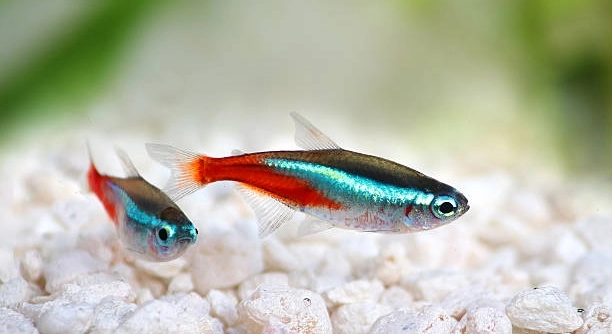
Driftwood can be a beautiful addition to your Neon Tetra tank. It adds natural elements to the aquarium, benefiting both the aesthetic appeal and the well-being of your fish. Many aquarists consider it essential for creating a healthy environment.
Driftwood in a Neon Tetra tank offers numerous benefits. It provides hiding spots, promotes a natural environment, and improves water quality by releasing tannins. These tannins help lower pH, creating a more suitable habitat for Neon Tetras.
Including driftwood can enhance both the look and health of your aquarium. It helps maintain a balanced ecosystem while supporting the well-being of your fish. Continue reading to learn more about why it’s a great choice.
Benefits of Driftwood for Neon Tetras
Driftwood can mimic the natural habitat of Neon Tetras, which are native to blackwater rivers. The tannins released by the driftwood lower the pH and soften the water. This is important because it replicates the slightly acidic conditions that Neon Tetras thrive in. These water changes also help keep your fish healthy by reducing stress and promoting better overall well-being.
Driftwood also provides a safe space for Neon Tetras to hide. This is essential as they are small, timid fish that prefer to have secluded areas to escape potential threats.
Aside from the visual appeal, driftwood plays a key role in maintaining water quality. It helps absorb excess nutrients, preventing algae buildup and keeping the tank cleaner. The texture of driftwood is also beneficial for the fish as it provides a surface for microorganisms to grow, which Neon Tetras may graze on. This makes it an excellent addition to any tank, both for its health benefits and its contribution to the aquarium’s natural appearance.
Aesthetic Appeal of Driftwood
Driftwood adds a rustic and natural look to your aquarium. Its unique shapes and textures make each piece a standout feature.
The appearance of driftwood can transform an ordinary tank into something captivating. It contrasts beautifully with the vibrant colors of Neon Tetras. The wood’s natural tones complement the fish, enhancing their colors and movements. Moreover, it offers a more natural environment for your fish, creating a balanced and peaceful atmosphere. Adding driftwood elevates the overall aesthetic of your aquarium, making it more visually striking while benefiting your fish.
Driftwood and Water Quality
Driftwood helps improve water quality by releasing tannins. These compounds help soften the water, which is important for maintaining a stable environment. It can lower the pH level, making it more acidic, which is ideal for Neon Tetras.
Over time, tannins released from the driftwood contribute to water color, turning it a light amber or tea-like hue. This mimics the natural environment of Neon Tetras, who live in similar conditions. While it might seem like a minor change, the slight acidity and tannin content can make a significant difference in your tank’s ecosystem.
Driftwood also helps reduce harmful compounds in the water, such as ammonia and nitrates. These elements, if left unchecked, can cause stress and illness in your fish. By slowly leaching beneficial compounds into the tank, driftwood naturally aids in maintaining a healthy balance, reducing the need for frequent water changes.
Providing Hiding Spaces
Driftwood creates valuable hiding spots for Neon Tetras, who naturally prefer shaded areas and cover. It provides them with places to retreat when they feel threatened or stressed.
In a tank with multiple fish, Neon Tetras appreciate having a safe area to escape to. The intricate shapes and size variations of driftwood pieces allow fish to swim in and around them, offering comfort and security. This is particularly important for timid species like Neon Tetras, which can become stressed in a tank without sufficient hiding spaces.
By adding driftwood to the aquarium, you’re not only improving aesthetics but also creating a sanctuary for your fish. Neon Tetras are more likely to thrive in an environment where they feel protected. The additional cover reduces their stress levels and allows them to live a healthier, more comfortable life.
Natural Filtration
Driftwood helps with natural filtration in your tank. As it decomposes, it absorbs excess nutrients like nitrates, preventing algae growth. This contributes to cleaner, clearer water.
By filtering out excess waste, driftwood helps maintain a more balanced ecosystem. This reduces the need for chemical filtration methods and keeps the tank environment healthier for your fish.
Low Maintenance
Driftwood requires little maintenance once placed in the tank. It doesn’t need constant cleaning and won’t require frequent replacement.
It naturally breaks down slowly, so there’s no need to worry about it needing upkeep. The only thing to monitor is its size, as it may need occasional trimming to fit properly in your tank.
Reducing Stress
The presence of driftwood can help reduce stress in Neon Tetras. The more secure the fish feel, the more likely they are to thrive.
Driftwood offers a natural environment where Neon Tetras can hide and feel less exposed. This sense of safety is important, as stress can lead to health problems for your fish over time.
FAQ
Can driftwood be harmful to Neon Tetras?
Driftwood is generally safe for Neon Tetras, as it mimics their natural environment. However, if not properly prepared, it can release too many tannins, which may lower the pH excessively. This can create an unsuitable environment if the water becomes too acidic. To prevent this, ensure the driftwood is well-cured before placing it in the tank. Soaking it for a few days can help reduce the tannins released. Monitoring the water’s pH level is also crucial to avoid any sudden changes that may stress your fish.
How do I prepare driftwood for my tank?
To prepare driftwood, start by soaking it in water for several days or weeks before adding it to the tank. This will help reduce tannin release and prevent it from floating. Ensure the wood is fully submerged during soaking, as this will help it sink more easily in the tank. After soaking, scrub the driftwood gently with a soft brush to remove any dirt or debris. This will also prevent unwanted contaminants from entering your aquarium. Once the driftwood is ready, it can be placed in the tank without further preparation.
Does driftwood affect the water pH significantly?
Yes, driftwood can impact the water pH, but the effect is typically gradual. The tannins it releases lower the pH over time, making the water more acidic. Neon Tetras thrive in slightly acidic water, usually between 6.0 and 7.0 pH, so this can be beneficial for them. However, it’s important to monitor the pH levels in your tank regularly. If the water becomes too acidic, you may need to adjust the amount of driftwood or neutralize the water with pH buffers.
How much driftwood should I use in a Neon Tetra tank?
The amount of driftwood you use depends on the size of your tank. Generally, a small to moderate piece of driftwood is enough for a small tank, like a 10-20 gallon setup. For larger tanks, you can use multiple pieces of driftwood to create hiding spots and enhance the tank’s aesthetics. Just ensure that the driftwood doesn’t overcrowd the tank or limit swimming space for the fish. The goal is to create a natural environment without overwhelming the fish.
Can I use any type of driftwood for my tank?
Not all driftwood is suitable for aquariums. Driftwood from pet stores or specialized aquarium suppliers is the best option, as it is safe for aquatic environments. Some woods, like oak or walnut, contain chemicals that can harm fish. Be sure to research the type of wood you intend to use and avoid any driftwood that has been chemically treated. Softwoods like pine should also be avoided, as they can release resin into the water, which could be toxic to fish.
Does driftwood affect the fish’s health?
In most cases, driftwood promotes the health of your fish by mimicking their natural habitat. The release of tannins can help reduce stress and provide a more comfortable living environment. However, if the driftwood releases too many tannins, it can lower the pH too much, which could stress the fish. It’s important to monitor water parameters regularly to ensure that the driftwood is having a positive effect on the tank. If the pH or water conditions are too extreme, your Neon Tetras may show signs of stress, such as loss of appetite or erratic swimming.
How long does driftwood last in a tank?
Driftwood can last for years in an aquarium, depending on the type of wood and its treatment. Over time, it will break down, but this process is slow and doesn’t typically harm the tank’s ecosystem. If you notice the wood starting to deteriorate too quickly or leach excessive tannins, it may need to be replaced. However, properly cured and maintained driftwood can remain a stable fixture in your tank for many years. Regularly check the driftwood for any signs of decay and remove it if necessary.
Will driftwood help control algae in the tank?
Driftwood can indirectly help control algae by absorbing excess nutrients in the water, such as nitrates. Algae thrive in nutrient-rich water, and by introducing driftwood, you are helping to balance the water chemistry and reduce the likelihood of algae blooms. However, driftwood alone may not completely eliminate algae. Proper tank maintenance, including regular water changes and adequate filtration, is essential for controlling algae growth.
How can I prevent driftwood from floating in my tank?
New driftwood often floats when first placed in the tank due to air pockets within the wood. To prevent this, soak the driftwood in water for several days before adding it to the tank. This will allow the air to escape and help the wood become waterlogged. If the driftwood still floats after soaking, you can weigh it down with rocks or use an aquarium-safe glue to attach it to the tank’s substrate. Once the wood is fully waterlogged, it should sink and stay in place.
Is it necessary to clean driftwood regularly?
Driftwood generally doesn’t require frequent cleaning, as it naturally accumulates beneficial microorganisms that can help maintain the tank’s ecosystem. However, if you notice visible debris or algae growth on the surface of the driftwood, gently scrub it with a soft brush. Avoid using harsh chemicals or soap, as they can harm your fish. Regular water changes and good filtration are key to keeping the driftwood clean and maintaining a healthy aquarium environment.
Final Thoughts
Driftwood is a great addition to a Neon Tetra tank for several reasons. It provides a natural and beneficial environment by helping with water quality. The tannins it releases can lower the pH, creating an ideal environment for Neon Tetras. These fish thrive in slightly acidic water, making driftwood a simple and effective way to mimic their natural habitat. Additionally, driftwood aids in reducing excess nutrients, such as nitrates, which helps to prevent algae growth. It also gives your tank a more natural look, improving its overall aesthetic.
The presence of driftwood also contributes to the overall health and comfort of your Neon Tetras. It offers hiding spaces and places for them to swim around, which can reduce stress. Neon Tetras are naturally shy, and having spots to hide in can make them feel secure in their environment. This can lead to healthier, more active fish. It’s important to remember that adding driftwood is not just about appearance; it plays a significant role in creating a more stable and comfortable habitat. A stress-free environment promotes better health for your fish in the long term.
However, it’s important to take care when adding driftwood to your tank. While it provides many benefits, it can also release tannins that may lower the pH too much if not monitored. Soaking the driftwood before placing it in the tank can help prevent this from happening. Regularly checking the water’s pH and maintaining proper water conditions is essential for ensuring the well-being of your Neon Tetras. When used properly, driftwood can enhance both the beauty and health of your aquarium, making it a worthwhile investment for your tank’s ecosystem.

Hello,
If you enjoy the content that we create, please consider saying a "Thank You!" by leaving a tip.
Every little bit helps us continue crafting quality advice that supports the health, happiness, and well-being of pets around the world, for pets of all shapes, sizes, and species.
We really appreciate the kindness and support that you show us!