
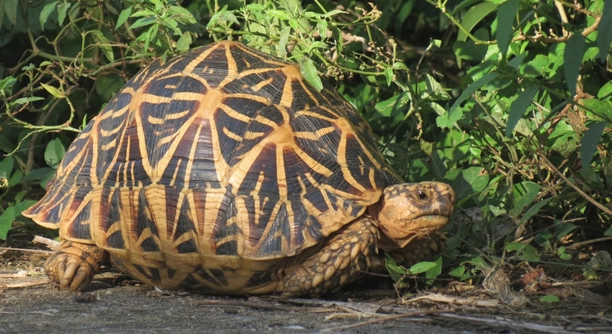
Do you ever find yourself wondering what the Indian star tortoise eats beyond the usual leafy greens? Their diet is more diverse than many realize, including unexpected foods that play a crucial role in their overall health.
The Indian star tortoise’s diet consists of fibrous vegetation, flowers, and occasional fruits. It requires a high-fiber, low-protein diet to maintain proper digestion and shell health. An imbalanced diet can lead to serious health issues, including metabolic bone disease.
Their dietary needs are more complex than they seem, with certain plants providing essential nutrients while others should be avoided. Understanding these details can help ensure they thrive in captivity and the wild.
They Eat More Than Just Lettuce
The Indian star tortoise’s diet includes a variety of fibrous plants, flowers, and even certain fruits. While leafy greens are a staple, they also consume grasses, cacti, and other vegetation found in their natural habitat. These foods provide essential nutrients that support their overall health. Feeding them the right balance of fiber and hydration helps prevent digestive problems and ensures strong shell development. In the wild, their diet changes with the seasons, allowing them to adapt to different food sources. Captive tortoises should have a well-planned diet that mimics their natural feeding habits. A mix of hay, edible flowers, and occasional fruits keeps them healthy.
Fruits should be given in moderation. While they may enjoy sweet foods, too much sugar can lead to digestive issues. Stick to small portions of berries or melons as occasional treats.
Providing a well-balanced diet is essential for their long-term health. Some plants, such as dandelions and hibiscus, offer extra benefits like vitamins and hydration. Others, like spinach, should be limited due to their oxalate content. A varied diet ensures they receive proper nutrition while avoiding foods that could cause harm.
Certain Vegetables Can Be Harmful
Some vegetables contain compounds that can interfere with their digestion. High-oxalate foods, such as spinach and beet greens, can block calcium absorption, leading to potential health issues. Avoiding these vegetables helps prevent metabolic disorders.
A well-balanced diet focuses on safe greens like collard greens, mustard greens, and dandelion leaves. These provide the right amount of fiber and nutrients without causing harm. Vegetables such as broccoli and cabbage can lead to bloating and should only be given in small amounts. Many keepers unknowingly offer the wrong foods, which can negatively impact their tortoise’s health. By choosing the right vegetables, you can help them thrive.
Feeding them the right foods is about more than just keeping them full. The nutrients they receive directly affect their growth, energy levels, and shell strength. While some foods seem healthy, they may not suit a tortoise’s digestive system. Certain vegetables produce excess gas, leading to discomfort and potential health issues. Others contain substances that can weaken their bones over time. Understanding which vegetables to avoid and which to prioritize ensures they stay healthy and active. It’s always best to research before introducing new foods into their diet.
Fiber Is Essential for Their Health
A high-fiber diet keeps their digestive system functioning properly. Grasses, hay, and leafy greens provide the necessary roughage to prevent constipation and other digestive issues. Without enough fiber, they may experience slow digestion, which can lead to serious health problems over time.
Grasses make up a large portion of their natural diet. Bermuda grass, Timothy hay, and orchard grass are excellent choices for captive tortoises. These fiber-rich foods help maintain a healthy gut and prevent overgrowth of the beak. In the wild, they graze on dry, fibrous plants that support their slow metabolism. Fresh greens like collard and mustard greens should complement their diet, but hay should always be available. Feeding them too many soft greens without enough fiber can cause loose stools and disrupt their digestion.
A lack of fiber can lead to digestive blockages. Tortoises need a constant supply of fibrous plants to keep their gut moving. If their diet is too low in fiber, they might develop impaction, a serious condition that requires veterinary care. Providing a variety of fibrous foods ensures they can process their meals efficiently. Proper hydration also plays a role, as a dry diet without access to water may cause further complications.
Some Flowers Provide Extra Nutrients
Certain flowers add valuable nutrients to their diet. Hibiscus, dandelions, and roses provide vitamins and minerals that support shell growth and digestion. These flowers also offer natural hydration, helping them stay healthy in dry environments. However, not all flowers are safe, so choosing the right ones is important.
Edible flowers can be a great addition to their meals. Hibiscus flowers contain vitamin C and antioxidants, which promote a strong immune system. Dandelions are packed with calcium, making them beneficial for shell and bone health. Roses provide hydration and a mild source of fiber. Feeding flowers occasionally adds variety to their diet while ensuring they receive extra nutrients. Store-bought flowers should be pesticide-free to avoid health risks. Introducing flowers in moderation helps maintain a balanced diet without overloading them with unnecessary sugars or compounds.
Not all flowers are safe for tortoises. Avoid lilies, daffodils, and tulips, as they can be toxic. Some flowers contain chemicals that can upset their digestive system or even be poisonous. Always research before offering new flowers to ensure they are safe. When feeding flowers, use them as supplements rather than a primary food source. Combining safe flowers with fibrous greens helps create a nutritious and balanced diet.
Some Fruits Should Be Limited
Fruits should only be given as occasional treats. While they provide hydration and natural sugars, too much can upset their digestion. Berries, melons, and papaya are safer choices, but citrus fruits and bananas should be avoided due to their acidity and high sugar content.
Excess fruit can lead to digestive problems. The natural sugars ferment in their gut, causing bloating and discomfort. It’s best to feed fruit in small amounts, no more than once a week. A diet too high in fruit can also disrupt their calcium-to-phosphorus balance, leading to long-term health issues.
Hydration Plays a Key Role
Tortoises get most of their hydration from food, but they still need access to fresh water. Leafy greens, flowers, and certain fruits help keep them hydrated, but a shallow dish of clean water should always be available for drinking and soaking.
A lack of hydration can lead to digestive blockages and kidney problems. Dry food without enough moisture can make digestion difficult, especially for young tortoises. Regular soaking helps them absorb moisture through their skin, keeping them hydrated and healthy. In hotter climates, hydration is even more important, as dehydration can cause lethargy and other health problems.
Protein Can Be Harmful
Too much protein can lead to shell deformities and organ damage. Indian star tortoises are herbivores, so animal-based proteins should never be included in their diet. Even high-protein plants, like legumes, should be avoided to prevent growth issues and kidney strain.
FAQ
How often should an Indian star tortoise eat?
They should be fed daily with a diet rich in fibrous greens, grasses, and flowers. Younger tortoises need consistent nutrition for growth, while adults can have slightly reduced portions. Overfeeding can lead to obesity, so meals should be portioned appropriately.
Can they eat store-bought vegetables?
Yes, but only certain ones. Leafy greens like collard greens, mustard greens, and endive are safe, while spinach and iceberg lettuce should be avoided. Store-bought vegetables should be washed thoroughly to remove pesticides, and organic options are the best choice.
Is it safe to feed them pellets?
Pellets can be used as a supplement, but they should not replace fresh food. Many commercial pellets contain high protein levels, which can cause health issues. If using pellets, choose low-protein, high-fiber options and soak them before feeding.
Do they need calcium supplements?
Yes, calcium is essential for their shell and bone health. A calcium supplement, such as cuttlebone or powdered calcium, should be provided regularly. Without enough calcium, they may develop metabolic bone disease, leading to weak bones and deformities.
Can they eat flowers every day?
Flowers can be included in their diet but should not be the main food source. Hibiscus, dandelions, and roses are safe and provide vitamins, but other plants should still make up most of their meals. Too many flowers may lead to an unbalanced diet.
What happens if they eat the wrong food?
Eating unsafe foods can cause digestive issues, bloating, or even toxicity. High-oxalate greens, such as spinach, can interfere with calcium absorption, while sugary fruits may disrupt their digestion. If they consume harmful foods, monitor them for signs of illness and consult a vet if needed.
How much fruit can they have?
Fruits should be given in small amounts, no more than once a week. Berries, melons, and papaya are good options, while citrus and bananas should be avoided. Too much fruit can cause fermentation in their gut, leading to bloating and discomfort.
Do they need a water bowl?
Yes, fresh water should always be available in a shallow dish. They drink water occasionally and may soak in it to stay hydrated. Regular soaking also helps prevent dehydration, especially in hot or dry environments.
Why is fiber so important in their diet?
Fiber keeps their digestive system healthy and prevents constipation. Their diet should include grasses, hay, and fibrous greens to ensure proper digestion. Without enough fiber, they may develop digestive blockages, which can be dangerous.
Are there any toxic plants to avoid?
Yes, certain plants are harmful to them. Lilies, daffodils, tulips, and ivy can be toxic if ingested. Before offering any new plants, research their safety to prevent accidental poisoning.
Should they eat protein-rich foods?
No, Indian star tortoises are herbivores and do not need protein-rich foods. Animal proteins and legumes should be avoided because they can lead to shell deformities and kidney damage. Their diet should remain plant-based with low protein levels.
How do I ensure they get proper nutrition?
A well-balanced diet should include a mix of leafy greens, grasses, flowers, and occasional fruit. Providing calcium supplements, fresh water, and fiber-rich foods will help maintain their health. Avoiding high-protein or toxic foods ensures they receive the best possible nutrition.
Final Thoughts
Feeding an Indian star tortoise the right diet is essential for its health. Their meals should be rich in fiber, low in protein, and balanced with calcium. A variety of safe leafy greens, grasses, and flowers provides the necessary nutrients to support their digestion and shell strength. Fruits should only be given in small amounts, as too much sugar can cause digestive problems. Hydration also plays a key role, with fresh water always available for drinking and soaking. Avoiding toxic or high-oxalate foods is just as important as providing the right ones, ensuring they stay healthy and active.
A proper diet helps prevent common health issues such as metabolic bone disease, digestive blockages, and shell deformities. Many tortoise owners make the mistake of feeding too many soft greens or high-protein foods, which can lead to serious complications. Providing a consistent diet that mimics their natural eating habits is the best way to ensure their well-being. Regularly checking their health, monitoring their weight, and making dietary adjustments as needed can prevent potential problems. Supplements like calcium and cuttlebone can also help maintain strong bones and a properly developed shell. Simple changes in diet can make a significant difference in their long-term health.
Caring for an Indian star tortoise goes beyond just feeding—it requires understanding their nutritional needs and making thoughtful choices. A balanced diet combined with a safe and enriching environment helps them thrive in captivity. Researching their dietary requirements and avoiding harmful foods will keep them healthy and active for years. With the right care, they can live a long and healthy life, free from preventable health issues.

Hello,
If you enjoy the content that we create, please consider saying a "Thank You!" by leaving a tip.
Every little bit helps us continue crafting quality advice that supports the health, happiness, and well-being of pets around the world, for pets of all shapes, sizes, and species.
We really appreciate the kindness and support that you show us!