
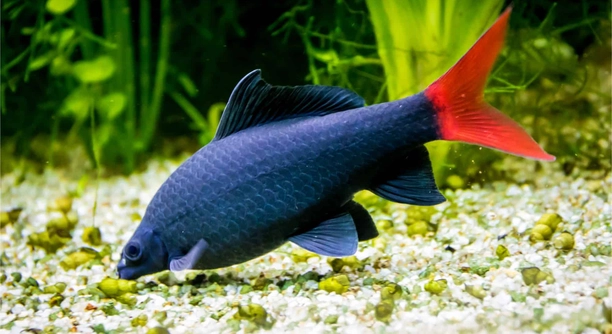
Are you looking for ways to maintain a clean and healthy environment for your rainbow shark tank? Keeping your aquarium well-maintained is essential to support the well-being of your fish. Proper care helps prevent disease and promotes vibrant colors.
Maintaining a clean and healthy rainbow shark tank involves regular water changes, proper filtration, controlled feeding, and monitoring water parameters. These steps reduce toxins, prevent algae buildup, and ensure a stable habitat conducive to the fish’s health and longevity.
Understanding these simple but effective practices will help you create a balanced environment for your rainbow sharks. This guide will cover essential tips to keep your tank in top condition for your aquatic pets.
Regular Water Changes
Changing the water in your rainbow shark tank regularly is crucial to keep the environment healthy. Fresh water helps remove waste products, excess nutrients, and harmful chemicals that build up over time. When these substances accumulate, they can stress the fish and cause illness. Ideally, replacing 20 to 25 percent of the tank water once every week or two maintains a clean habitat. Use a water conditioner to remove chlorine and other harmful elements from tap water before adding it to the tank. It is also important to vacuum the gravel to remove debris that settles at the bottom. Avoid changing too much water at once, as this can shock your fish and disrupt beneficial bacteria that support the tank’s ecosystem.
Consistent water changes promote clear water and a healthy environment for your rainbow sharks to thrive.
Water changes are the foundation of proper aquarium maintenance. They keep the water quality stable and reduce harmful toxins. This simple step supports the overall health and longevity of your fish, making it easier to maintain a clean tank with fewer problems.
Proper Filtration
A good filtration system is necessary to keep your tank clean and your rainbow sharks healthy. Filters remove waste, excess food, and chemicals from the water. They also help circulate oxygen, which is essential for your fish. Choose a filter that is appropriate for your tank size to ensure efficient cleaning. Mechanical filtration traps solid particles, biological filtration supports helpful bacteria that break down harmful substances, and chemical filtration removes toxins. Make sure to clean or replace filter media regularly according to the manufacturer’s instructions. Avoid cleaning all parts at once to preserve beneficial bacteria. A well-maintained filter works quietly and keeps the tank water clear, providing a stable environment for your fish to flourish.
Controlled Feeding
Overfeeding is a common problem that can harm your rainbow shark tank’s water quality. Feeding your fish only what they can eat in two to three minutes prevents leftover food from decaying and polluting the tank.
Feeding small portions once or twice daily keeps your rainbow sharks healthy and helps avoid excess waste. Uneaten food breaks down quickly and raises harmful ammonia levels, which can stress or even kill fish. Use high-quality sinking pellets or algae wafers designed for bottom-dwelling fish like rainbow sharks. Watching their eating habits helps adjust the amount given. Removing any uneaten food after feeding also protects water quality and reduces the risk of algae blooms.
Maintaining a regular feeding schedule encourages proper nutrition without overwhelming the tank’s filtration system. Controlled feeding supports stable water conditions, which are key to your fish’s overall health and longevity.
Monitoring Water Parameters
Keeping track of water parameters like temperature, pH, ammonia, nitrite, and nitrate is vital for a healthy tank. Rainbow sharks thrive in stable water conditions, so regular testing prevents problems before they arise.
Ideal temperature ranges between 74°F and 80°F, and pH should stay near neutral, around 6.5 to 7.5. Ammonia and nitrite levels must always be zero, while nitrates should be kept below 20 ppm. Using test kits weekly helps catch imbalances early. Sudden changes or poor water quality can stress fish and weaken their immune systems, increasing vulnerability to disease. Adjusting water chemistry and performing partial water changes when necessary maintains a safe environment.
Routine monitoring gives peace of mind and helps maintain a balanced ecosystem. It ensures your rainbow sharks live in conditions closest to their natural habitat.
Avoid Overcrowding
Too many fish in one tank can quickly degrade water quality and cause stress. Rainbow sharks need space to swim and hide, so avoid overcrowding to maintain a healthy environment.
Providing enough room reduces aggression and helps fish thrive. Overcrowding increases waste and toxins, which leads to poor water conditions.
Regular Tank Cleaning
Cleaning the tank regularly prevents buildup of algae and waste. Use an algae scraper or sponge to clean the glass and decorations without disturbing beneficial bacteria.
Remove uneaten food and debris from the substrate using a gravel vacuum during water changes. Avoid harsh chemicals that could harm fish or disrupt the tank’s balance. Consistent cleaning keeps the tank visually appealing and supports fish health by maintaining water quality and preventing disease.
Provide Hiding Places
Rainbow sharks are territorial and appreciate places to hide. Use rocks, plants, and decorations to create shelters. This reduces stress and aggression, helping them feel secure.
Maintain Stable Temperature
Keeping a consistent water temperature is essential. Sudden changes can harm rainbow sharks and weaken their immune systems. Use a reliable heater and thermometer to monitor conditions.
FAQ
How often should I change the water in my rainbow shark tank?
Water changes should be done regularly, about 20 to 25 percent every one to two weeks. This frequency keeps the water clean and free from harmful toxins. Frequent water changes prevent waste buildup and support a stable environment for your fish.
What type of food is best for rainbow sharks?
Rainbow sharks thrive on sinking pellets or algae wafers designed for bottom feeders. They also enjoy occasional treats like bloodworms or brine shrimp. Feeding small amounts once or twice daily prevents leftover food, which can pollute the tank.
Can rainbow sharks live with other fish?
Rainbow sharks are territorial and can be aggressive, especially in small tanks. They do better with peaceful fish that occupy different tank levels. Avoid keeping multiple rainbow sharks together unless the tank is very large with plenty of hiding spots.
Why is my rainbow shark hiding all the time?
Hiding is normal behavior, especially if your tank lacks enough shelters or if the fish feels stressed. Providing plants, rocks, and caves helps them feel secure and reduces aggression.
How do I know if my tank’s water parameters are safe?
Test your water weekly using kits for ammonia, nitrite, nitrate, pH, and temperature. Ammonia and nitrite should be zero, nitrates below 20 ppm, and pH near neutral (6.5 to 7.5). Stable temperature between 74°F and 80°F is ideal.
What causes algae buildup in my tank?
Algae grows due to excess light, overfeeding, or poor water quality. Regular water changes, controlled feeding, and limiting light exposure help prevent algae. Adding live plants can also compete with algae for nutrients.
How can I reduce aggression in my rainbow shark?
Provide plenty of hiding places and avoid overcrowding. Maintain stable water conditions and avoid sudden changes. Feeding on a schedule reduces competition. If aggression continues, consider separating aggressive fish or increasing tank size.
How long do rainbow sharks typically live?
With proper care, rainbow sharks can live up to 5 to 8 years. Maintaining clean water, good diet, and a stress-free environment helps extend their lifespan.
Is it necessary to clean the filter regularly?
Yes, but avoid cleaning all filter media at once. Rinse sponges or pads in tank water during water changes to preserve beneficial bacteria. Regular filter maintenance keeps the water clear and healthy.
What temperature is best for rainbow sharks?
Keep the water between 74°F and 80°F. Use a heater and thermometer to maintain this range. Sudden temperature changes can stress or harm your fish.
Can I keep plants with rainbow sharks?
Yes, but choose hardy plants since rainbow sharks may nibble on softer ones. Plants provide hiding spots and improve water quality by absorbing excess nutrients.
How do I prevent diseases in my rainbow shark tank?
Maintain stable water parameters and avoid overfeeding. Quarantine new fish before adding them to the tank. Regular water changes and tank cleaning reduce the risk of disease.
Why is my rainbow shark losing color?
Fading colors can result from poor water quality, stress, or inadequate diet. Ensuring clean water, proper nutrition, and a calm environment helps maintain vibrant colors.
How big should my tank be for a rainbow shark?
A minimum of 30 gallons is recommended for one rainbow shark. Larger tanks reduce territorial disputes and provide enough space for swimming and hiding.
Can I use tap water for my tank?
Tap water is fine if treated with a water conditioner to remove chlorine and chloramine. Always test water parameters before adding it to the tank to avoid harming your fish.
Final Thoughts
Keeping a rainbow shark tank clean and healthy requires attention to several important details. Regular water changes, proper filtration, and controlled feeding are the foundation of good tank maintenance. Each of these steps helps remove harmful substances and keeps the water quality stable. When the water is clean, your fish can live without stress and have a better chance of staying healthy. Paying close attention to these basics makes a significant difference in the overall condition of your tank.
Monitoring water parameters is another key aspect of caring for rainbow sharks. Testing for ammonia, nitrite, nitrate, pH, and temperature ensures the environment stays within safe limits. These measurements reveal changes that might not be visible at first. When water conditions are balanced, fish display better behavior and brighter colors. Adjustments can be made quickly if tests show any problem. This careful monitoring protects your fish from common illnesses caused by poor water quality.
Providing a comfortable habitat also plays a big role in maintaining your rainbow shark’s health. Giving them enough space, hiding places, and stable water temperature reduces stress and aggression. A well-arranged tank that meets their needs encourages natural behavior and improves their well-being. Small efforts like avoiding overcrowding and adding decorations help create a peaceful environment. When combined with good care habits, these steps support your fish’s long-term health and happiness. Taking care of a rainbow shark tank is manageable when you focus on consistent, simple practices that keep the tank clean and stable.

Hello,
If you enjoy the content that we create, please consider saying a "Thank You!" by leaving a tip.
Every little bit helps us continue crafting quality advice that supports the health, happiness, and well-being of pets around the world, for pets of all shapes, sizes, and species.
We really appreciate the kindness and support that you show us!