
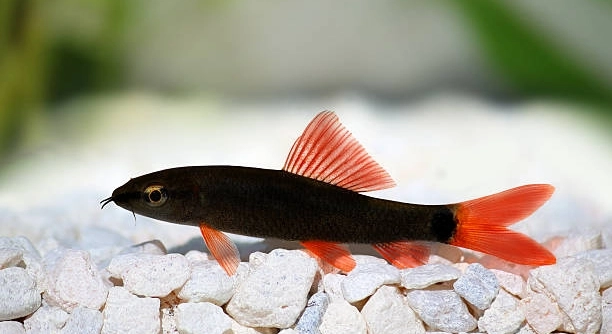
Rainbow Sharks are popular aquarium fish known for their striking appearance and active behavior. Unfortunately, they are prone to a common health issue called tail rot, which can affect their fins and overall well-being. Managing this condition early is important for keeping your fish healthy and vibrant.
Tail rot in Rainbow Sharks is primarily caused by bacterial infections resulting from poor water quality, stress, or injuries. Preventing this condition involves maintaining clean tank environments, providing balanced nutrition, minimizing stressors, and monitoring fish regularly to detect symptoms early and apply prompt treatment.
Taking simple preventive steps can make a big difference in protecting your Rainbow Shark’s tail health. The following tips will help you create the right conditions for a happy, thriving fish.
Maintain Excellent Water Quality
Keeping the water in your tank clean is the most important step to prevent tail rot in Rainbow Sharks. Regular water changes help remove harmful bacteria and toxins that can build up over time. Test your water frequently to ensure parameters like ammonia, nitrite, nitrate, and pH levels remain within safe limits. Use a good filtration system to keep the water clear and oxygen-rich. Avoid overcrowding your tank, as too many fish can increase waste and stress. Cleaning the substrate and decorations also reduces places where bacteria can grow. By maintaining excellent water quality, you reduce the risk of infections that lead to tail rot and support your Rainbow Shark’s overall health.
Water quality directly affects fish health. Poor conditions weaken their immune system, making them vulnerable to infections like tail rot.
Regular monitoring and maintenance of water conditions keep your Rainbow Shark comfortable and less prone to disease.
Provide a Balanced Diet
Feeding your Rainbow Shark a varied and nutritious diet supports its immune system and promotes healing. Include high-quality sinking pellets designed for bottom feeders, along with occasional treats like bloodworms or brine shrimp. Avoid overfeeding, as leftover food can decay and worsen water quality. Offer fresh vegetables like blanched zucchini or peas occasionally to add fiber. A balanced diet strengthens your fish’s defenses, helping it resist infections such as tail rot. Be consistent with feeding schedules to reduce stress and maintain good health.
Nutrition plays a critical role in fish well-being. A poor diet can weaken resistance to diseases and delay recovery if tail rot occurs. In addition to feeding quality food, make sure to observe your Rainbow Shark’s appetite and behavior. Sudden changes might indicate health issues needing prompt attention. Tail rot symptoms often appear when the fish’s immune system is compromised, and proper nutrition is an effective preventive measure. By providing a balanced diet, you create a solid foundation for your Rainbow Shark’s long-term health and reduce the chance of tail damage caused by infections. Regular feeding habits also help maintain stable water conditions by minimizing leftover waste.
Avoid Overcrowding the Tank
Too many fish in one tank increase stress and waste, which harms water quality. Overcrowding raises the risk of tail rot by weakening fish immune systems.
When the tank is crowded, Rainbow Sharks compete for space and resources, causing stress and aggression. Stress lowers their resistance to infections like tail rot. Overcrowding also leads to rapid buildup of waste products that promote harmful bacteria growth. Keeping an appropriate number of fish ensures a healthy environment with stable water parameters and less disease risk.
Choose tank mates carefully to avoid aggressive behavior that can injure your Rainbow Shark. Providing enough swimming space helps reduce stress and supports natural behaviors, promoting overall health and preventing tail rot development.
Regularly Inspect Your Fish
Frequent observation allows you to catch tail rot symptoms early, improving treatment success. Check fins, body, and behavior daily.
Look for signs such as frayed or discolored tail fins, sluggish movement, or loss of appetite. Early detection means you can adjust water conditions or start treatment before the infection worsens. Inspecting your fish helps identify other health problems as well, keeping your tank safer overall.
Keep a journal of your fish’s condition and tank maintenance activities. Tracking changes can reveal patterns or triggers related to tail rot outbreaks. Early intervention often makes a big difference in recovery time and reduces stress on your fish. Regular inspection is a simple but effective way to protect your Rainbow Shark from tail rot.
Manage Stress Levels
Stress weakens Rainbow Sharks’ immune systems, making tail rot more likely. Minimize sudden changes in the tank environment.
Keep water temperature stable and avoid loud noises or vibrations near the tank. Provide hiding spots with plants or decorations to help your fish feel secure.
Quarantine New Fish
Introducing new fish without quarantine risks bringing infections into your tank. Always isolate new arrivals for at least two weeks.
During quarantine, monitor for signs of disease and treat if necessary. This practice protects your existing Rainbow Sharks from potential pathogens that cause tail rot.
Use Appropriate Medication
If tail rot appears, use antibacterial treatments designed for fish. Follow dosage instructions carefully to avoid harming your Rainbow Shark.
Early treatment can stop the infection from spreading and help the tail heal properly. Always remove activated carbon from filters during medication to keep the medicine effective.
FAQ
What causes tail rot in Rainbow Sharks?
Tail rot is usually caused by bacterial infections that enter through damaged fins or poor water conditions. Stress, injuries, and weak immune systems also increase the risk. Maintaining clean water and minimizing stress are key to preventing infections.
How can I tell if my Rainbow Shark has tail rot?
Look for frayed, discolored, or ragged edges on the tail fin. The affected area may look white or fuzzy. Your fish might swim less actively or lose interest in food. Early signs help you act before the infection worsens.
Is tail rot contagious to other fish?
Yes, tail rot bacteria can spread in the tank, especially if water quality is poor. Infections may move to other fish through shared water or direct contact. Keeping the tank clean and isolating sick fish helps control spread.
Can tail rot heal on its own?
Mild cases might improve if water quality is excellent and stress is reduced. However, treatment with antibacterial medication is often necessary to fully heal and prevent the infection from returning or spreading.
What is the best treatment for tail rot?
Antibacterial medications formulated for aquarium fish work best. Follow the package directions and remove activated carbon from filters during treatment to allow medicine to stay active in the water. Early treatment improves chances of recovery.
How often should I change the water to prevent tail rot?
Perform regular water changes of 20-30% weekly or more if the tank is heavily stocked. This reduces toxins and bacteria that cause infections. Regular water testing helps maintain a healthy environment.
Can diet affect tail rot prevention?
Yes, a balanced diet strengthens the immune system and speeds healing. High-quality pellets and occasional live or frozen foods provide nutrients needed for resistance against infections.
What tank size is best for Rainbow Sharks?
A minimum of 30 gallons is recommended to provide enough swimming space and reduce stress. Larger tanks make it easier to maintain water quality and prevent overcrowding-related illnesses.
Should I isolate my Rainbow Shark if it shows tail rot symptoms?
Yes, isolating sick fish in a quarantine tank can prevent bacteria from spreading to others. It also allows for focused treatment and monitoring without disturbing the main tank.
Can stress cause tail rot?
Stress weakens fish immune systems, making them more vulnerable to infections like tail rot. Causes include overcrowding, poor water conditions, aggressive tank mates, and sudden environmental changes. Reducing stress is essential for prevention.
How long does it take for tail rot to heal?
With proper treatment and good water quality, healing can take one to two weeks. Severe cases might require longer care. Prompt action leads to faster recovery and less permanent damage.
Are there any natural remedies for tail rot?
Some aquarists use aquarium salt or natural antibacterial plants, but these methods are usually supportive, not a cure. Proper medication combined with good tank care is more reliable for clearing infections.
What role does tank cleanliness play in tail rot prevention?
Keeping the tank clean removes harmful bacteria and waste products that contribute to infections. Regular substrate cleaning, filter maintenance, and water changes are critical steps in preventing tail rot.
How important is monitoring fish behavior in preventing tail rot?
Daily observation helps spot early signs of illness or stress. Behavioral changes like hiding, lethargy, or loss of appetite often appear before physical symptoms, allowing quicker response to potential problems.
Can tail rot return after treatment?
Yes, if water quality worsens or the fish becomes stressed again, tail rot can recur. Ongoing tank maintenance and stress management are necessary to prevent reinfection.
Is tail rot fatal if untreated?
If left untreated, tail rot can worsen and spread to other parts of the body, leading to serious health decline or death. Early detection and treatment are vital to protect your Rainbow Shark.
What are the best tank mates for Rainbow Sharks to reduce stress?
Peaceful fish that occupy different tank levels work best, such as tetras or Corydoras catfish. Avoid aggressive or fin-nipping species that can injure your Rainbow Shark’s tail.
Can temperature fluctuations cause tail rot?
Sudden or frequent temperature changes stress fish and reduce their immunity, increasing susceptibility to infections like tail rot. Maintaining a stable temperature within the ideal range is important.
Should I remove decorations during treatment?
Remove or thoroughly clean decorations if they have sharp edges that might injure your fish’s fins. Smooth surfaces help prevent damage that can lead to tail rot infections.
How do I prevent tail rot during breeding?
Breeding can be stressful and increase injury risks. Provide a separate breeding tank with excellent water quality, plenty of hiding places, and gentle handling to minimize stress and infections.
Taking care of Rainbow Sharks means paying close attention to their environment and health. Tail rot is a common problem, but it can be prevented by keeping the tank clean and well-maintained. Good water quality is the foundation of a healthy aquarium, so regular water changes and proper filtration are essential. Avoid overcrowding your tank and provide enough space for your fish to swim comfortably. By doing these simple things, you reduce stress on your Rainbow Shark and lower the chances of infections like tail rot. Small efforts in daily care can have a big impact on your fish’s well-being.
Feeding your Rainbow Shark a balanced diet supports its immune system and helps it fight off illness. Offering high-quality food and occasional treats keeps your fish healthy and active. Watching your fish closely for any signs of disease, such as changes in behavior or damaged fins, allows you to take action early. Early detection of tail rot or other health problems increases the chances of a full recovery. If you notice any symptoms, it is important to act quickly by improving tank conditions and using the right medication when necessary. Consistent care and attention help maintain a strong and healthy fish.
Preventing tail rot requires ongoing effort, but it is worth it to keep your Rainbow Shark healthy and vibrant. Stress plays a big role in fish health, so managing tank conditions and choosing peaceful tank mates are important steps. Quarantining new fish before adding them to your main tank helps protect your existing fish from infections. Regular inspections, stable water temperature, and careful handling all contribute to preventing problems. With these practices, you can enjoy watching your Rainbow Shark thrive and avoid the challenges that come with tail rot and other diseases.

Hello,
If you enjoy the content that we create, please consider saying a "Thank You!" by leaving a tip.
Every little bit helps us continue crafting quality advice that supports the health, happiness, and well-being of pets around the world, for pets of all shapes, sizes, and species.
We really appreciate the kindness and support that you show us!