
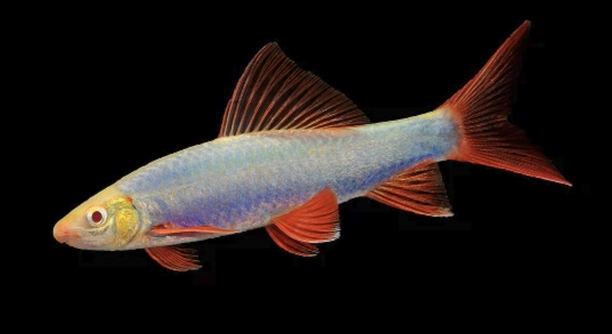
Rainbow Sharks are popular aquarium fish known for their unique colors and active behavior. However, they can become aggressive if their environment is not properly managed. Keeping them calm is important for a peaceful tank community.
To prevent aggression in Rainbow Sharks, maintain a spacious tank with plenty of hiding spots and avoid overcrowding. Regular water changes and a balanced diet reduce stress, while compatible tank mates and proper lighting help minimize territorial behavior.
Following these simple steps can help create a calm and healthy environment for your Rainbow Shark, ensuring a better experience for both you and your fish.
Provide Enough Space and Hiding Spots
Rainbow Sharks need room to swim freely to avoid feeling cramped. A tank of at least 55 gallons is recommended for a single fish. Crowding causes stress and increases the chance of aggressive behavior. Adding plants, rocks, and decorations creates hiding spots where they can retreat when feeling threatened. These shelters help reduce tension by giving them places to rest and feel secure. When setting up the tank, try to arrange these spots so each fish has its own territory. This reduces conflicts and promotes calm behavior. Maintaining clean water and regular tank maintenance also contributes to a stable environment that Rainbow Sharks thrive in. Without enough space or hiding spots, these fish may become more territorial and aggressive, disrupting the peace in the aquarium.
Having adequate space and shelters is key to keeping Rainbow Sharks calm and less aggressive.
Providing an environment that mimics their natural habitat, with open swimming areas and secure hiding places, lowers stress and promotes healthier fish interactions.
Maintain Water Quality Consistently
Good water quality is essential to prevent stress in Rainbow Sharks. Poor water conditions can make fish irritable and prone to aggression. Keeping ammonia, nitrite, and nitrate levels low is critical. Regular water changes help maintain these safe levels. Using a reliable filter that suits the tank size will also improve water clarity and oxygen content. Checking temperature daily is important because sudden changes can upset your fish. Rainbow Sharks prefer temperatures between 74°F and 80°F. Testing the water weekly keeps you aware of any changes that might affect the fish’s behavior. A stable and clean aquatic environment keeps Rainbow Sharks healthy, reducing aggression caused by discomfort or poor conditions. Proper care with water quality is one of the simplest ways to keep your tank peaceful and your fish happy.
Choose Compatible Tank Mates
Rainbow Sharks do best with peaceful fish that occupy different tank levels. Avoid other aggressive or similar-looking species to reduce competition. Good companions include tetras, gouramis, and danios, which stay in different parts of the aquarium. This setup helps minimize territorial disputes and keeps the tank atmosphere calm.
Keeping tank mates that don’t challenge the Rainbow Shark’s space lowers stress and aggressive behaviors. Mixing active swimmers with bottom dwellers creates balance and harmony. Overcrowding or pairing them with other bottom feeders may cause fights. When choosing companions, consider the temperament and size of each species. A well-planned community tank reduces tension and allows your Rainbow Shark to feel secure.
Monitor the interactions regularly, as changes in behavior or aggression may indicate incompatibility. Separating aggressive fish early prevents injuries. Patience and observation are key to maintaining a peaceful aquarium environment for all inhabitants.
Feed a Balanced Diet
A well-rounded diet helps reduce stress and aggression in Rainbow Sharks. Feeding high-quality pellets supplemented with occasional live or frozen foods provides essential nutrients. Avoid overfeeding, which can lead to poor water quality and health problems.
Providing a varied diet keeps your Rainbow Shark healthy and less prone to aggressive behavior. Nutrient-rich foods support immune function and energy levels, reducing irritability. Including vegetables like blanched zucchini or peas adds fiber and promotes digestion. Feeding small amounts two to three times daily prevents competition over food, which can trigger fights. Consistency in feeding times also helps maintain routine and calmness.
Observing your fish during feeding allows you to notice changes in appetite or aggression. Addressing dietary issues early contributes to a peaceful tank environment. Balanced nutrition plays a significant role in your fish’s well-being and temperament.
Avoid Overcrowding
Too many fish in one tank increase stress and aggression among Rainbow Sharks. Overcrowding limits swimming space and triggers territorial fights. Keep the number of fish appropriate for your tank size to maintain peace.
Providing enough room helps Rainbow Sharks establish their own territory and reduces confrontations. Crowding causes frustration and aggressive displays that harm all fish involved.
Maintain Proper Lighting
Proper lighting supports the natural behavior of Rainbow Sharks. Avoid overly bright lights as they can cause stress and aggression. Use moderate lighting that mimics their natural habitat for a calm tank environment.
Monitor Behavior Regularly
Watching your Rainbow Shark’s behavior helps catch early signs of aggression. Timely intervention can prevent serious conflicts and injuries. Regular observation is essential to maintain a peaceful aquarium.
How can I tell if my Rainbow Shark is becoming aggressive?
Aggressive Rainbow Sharks often chase or nip at other fish in the tank. They may display flared fins and rapid, jerky movements. Territorial behavior around certain areas like decorations or hiding spots is common. If you notice constant fighting or damaged fins on tank mates, aggression is likely. Monitoring these signs early helps prevent injury and stress in your aquarium.
What causes aggression in Rainbow Sharks?
Aggression is usually triggered by stress, lack of space, poor water conditions, or incompatible tank mates. Overcrowding increases territorial disputes. Inadequate hiding places and sudden changes in the environment can also cause nervousness and hostility. Feeding issues and inconsistent care may add to the problem, making the fish more prone to aggressive behavior.
Can Rainbow Sharks live peacefully with other fish?
Yes, Rainbow Sharks can live peacefully if housed with compatible tank mates that occupy different areas of the tank. Species that swim near the surface or mid-level, such as tetras or danios, tend to coexist well. Avoid other bottom dwellers or aggressive fish that compete for the same space to minimize conflicts.
How often should I clean the tank to reduce aggression?
Regular tank maintenance is vital. Changing 20-30% of the water every week keeps harmful chemicals low and water quality high. Clean filters and remove uneaten food promptly. Clean water reduces stress, which lowers aggression among Rainbow Sharks and other fish.
What type of diet helps prevent aggression?
A balanced diet of high-quality pellets combined with occasional live or frozen foods helps maintain good health and calm behavior. Feeding small amounts two to three times daily prevents competition and aggression during mealtime. Including vegetables like zucchini or peas provides extra nutrients and supports digestion.
Is tank size important for controlling aggression?
Tank size is very important. Rainbow Sharks need at least 55 gallons to swim freely and establish territories. Smaller tanks force fish into close quarters, increasing stress and aggressive behavior. More space allows each fish to have its own area, reducing fights.
Are hiding spots necessary for Rainbow Sharks?
Yes, hiding spots help Rainbow Sharks feel safe. Plants, rocks, and decorations provide retreats where fish can escape threats or rest. These spots reduce tension and aggression by offering secure places in the tank. Without hiding places, Rainbow Sharks may feel exposed and act more aggressively.
Can lighting affect my Rainbow Shark’s behavior?
Yes, lighting impacts their stress levels. Bright or constant lighting can cause agitation and increase aggressive actions. Using moderate lighting that mimics natural day and night cycles creates a calm environment and helps regulate their behavior.
What should I do if aggression persists despite precautions?
If aggression continues, try rearranging tank decorations to reset territories. Separating aggressive fish into a different tank may be necessary to protect others. Consulting with an experienced aquarist or vet can provide additional solutions tailored to your situation.
How can I monitor fish behavior effectively?
Spend time observing your tank daily, especially during feeding and activity peaks. Look for chasing, fin damage, or hiding patterns. Early detection of stress or aggression helps you act quickly to restore peace in your aquarium.
Taking care of Rainbow Sharks involves understanding their needs and behavior to keep them calm and healthy. Aggression in these fish usually comes from stress caused by factors like overcrowding, poor water quality, or lack of hiding spots. By providing enough space, proper tank mates, and maintaining clean water, it is possible to reduce aggressive tendencies. A balanced diet and suitable lighting also play important roles in keeping these fish comfortable. Paying attention to these details helps create a peaceful environment for your Rainbow Shark and other aquarium inhabitants.
Maintaining a peaceful tank is a continuous process that requires observation and care. Watching how your Rainbow Shark interacts with other fish and noticing any changes in behavior is important. Early signs of aggression or stress should be addressed promptly by adjusting the tank setup, diet, or water conditions. Sometimes, rearranging decorations or separating fish may be necessary to ensure harmony. Keeping up with regular tank maintenance, such as water changes and filter cleaning, supports the overall health of your aquatic environment. These simple actions help prevent problems before they escalate.
In summary, preventing aggression in Rainbow Sharks is about creating a balanced and stable environment. Meeting their space, diet, and social needs helps reduce territorial disputes and stress. When these fish feel secure and well cared for, they show less aggressive behavior. This leads to a more enjoyable experience for anyone keeping a Rainbow Shark in their aquarium. With consistent care and attention, it is possible to maintain a calm and healthy tank where your Rainbow Shark can thrive peacefully alongside its tank mates.

Hello,
If you enjoy the content that we create, please consider saying a "Thank You!" by leaving a tip.
Every little bit helps us continue crafting quality advice that supports the health, happiness, and well-being of pets around the world, for pets of all shapes, sizes, and species.
We really appreciate the kindness and support that you show us!