
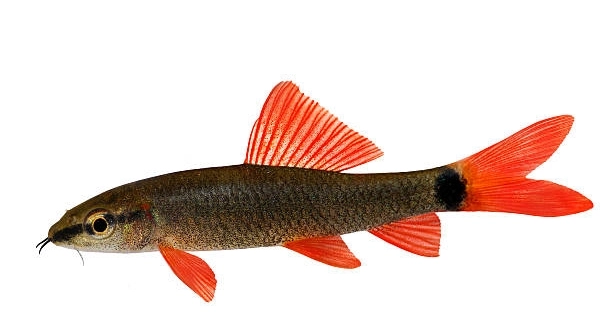
Rainbow Sharks are popular freshwater fish known for their striking colors and active nature. Keeping them healthy in a community tank requires attention to their specific needs. Stress can harm their well-being and affect the entire aquarium environment.
Preventing stress in Rainbow Sharks involves maintaining proper water conditions, providing ample swimming space, ensuring compatible tank mates, offering a varied diet, creating hiding spots, avoiding overcrowding, and monitoring their behavior regularly. These factors collectively support their health and reduce stress-related issues.
Understanding these key points will help maintain a peaceful and thriving tank for your Rainbow Sharks and other aquatic friends.
Maintain Stable Water Conditions
Keeping water conditions stable is essential for Rainbow Sharks. These fish are sensitive to sudden changes in temperature, pH, and ammonia levels. Aim to keep the water temperature between 74°F and 80°F. The pH should stay around 6.5 to 7.5. Regular water testing helps detect any fluctuations early. Performing partial water changes of about 20-25% weekly removes waste and toxins. A good filtration system supports water quality by removing harmful substances. Avoid overcrowding, which can cause waste buildup and stress. Proper aeration is also important because Rainbow Sharks need well-oxygenated water. Monitoring water parameters consistently ensures a healthy environment and reduces stress. Stable water encourages natural behavior, making the fish more active and vibrant.
Water stability supports the fish’s immune system, helping prevent illness and stress.
Small adjustments in water quality can have a big impact. Keeping conditions steady avoids shock and promotes comfort for your Rainbow Shark.
Provide Adequate Space and Hiding Places
Rainbow Sharks are active swimmers and need plenty of room to move around. A tank of at least 30 gallons is recommended for one fish. Adding more fish means a larger tank is necessary. Hiding spots like caves, plants, and decorations give them places to retreat when feeling threatened. These spaces help lower stress by offering security. Avoid sharp objects or rough decorations that might injure their delicate fins. Position hiding areas in different parts of the tank to let the fish choose where they feel safest. A well-arranged tank with enough swimming space and cover improves the fish’s well-being and reduces aggressive behavior.
Space and shelter are key for Rainbow Sharks to feel secure and calm. Providing these helps keep stress levels low and promotes healthy interactions within the tank.
Choose Compatible Tank Mates
Rainbow Sharks can be territorial, so selecting compatible tank mates is important. Avoid small, slow-moving, or long-finned fish that might be bullied. Opt for peaceful, similarly sized fish to reduce conflict.
Choosing tank mates that share similar water preferences helps keep the environment stable. Active species like danios or larger tetras usually coexist well with Rainbow Sharks. Avoid aggressive fish that may stress or harm them. A balanced community tank minimizes territorial disputes and promotes peaceful interactions. Keep an eye on behavior, especially when introducing new fish, to catch early signs of stress or aggression.
Compatibility also depends on tank size and layout. Providing enough space and hiding spots supports harmony between species. When done right, community tanks can thrive without stress for Rainbow Sharks.
Offer a Balanced Diet
A balanced diet keeps Rainbow Sharks healthy and reduces stress caused by poor nutrition. Include high-quality pellets or flakes designed for omnivores as the main food source. Supplement their diet with live or frozen foods like bloodworms, brine shrimp, and daphnia to add variety and nutrition. Feeding small amounts two to three times a day prevents overeating and water pollution. Avoid overfeeding, which can lead to obesity and tank waste buildup. Proper nutrition supports their energy levels, coloration, and immune system.
Providing a varied diet simulates natural feeding behavior, making Rainbow Sharks more active and less stressed. It also helps maintain their vibrant colors and overall health. Consistency in feeding times creates a routine that can comfort the fish and reduce anxiety in the tank environment.
Avoid Overcrowding
Overcrowding increases stress and aggression in Rainbow Sharks. It also leads to poor water quality from excess waste.
Keeping the tank population balanced allows each fish enough space to swim and establish territory. This helps reduce conflicts and keeps the environment healthier for everyone.
Monitor Behavior Regularly
Observing your Rainbow Sharks daily helps catch early signs of stress or illness. Watch for changes in swimming patterns, appetite, or color. Early detection allows quick intervention, preventing more serious problems and keeping your tank peaceful.
Provide Proper Lighting
Proper lighting supports the natural day-night cycle for Rainbow Sharks. Use moderate lighting to avoid overstimulation. Too much light can increase stress, while too little can affect their activity and feeding behavior. A balanced light schedule helps keep your fish calm and healthy.
How can I tell if my Rainbow Shark is stressed?
Signs of stress in Rainbow Sharks include hiding more than usual, loss of appetite, faded colors, and erratic swimming. You might notice them rubbing against tank decorations or gasping at the surface. Stress can also cause them to become more aggressive or withdrawn. Monitoring these behaviors early helps you address issues before they worsen.
What water parameters are best to prevent stress?
Rainbow Sharks thrive in water temperatures between 74°F and 80°F, with a pH of 6.5 to 7.5. Ammonia and nitrite levels must be kept at zero, and nitrate should stay low through regular water changes. Consistent water conditions reduce stress and maintain their health.
How often should I perform water changes?
Weekly water changes of about 20-25% are recommended. This helps remove waste, toxins, and excess nutrients that cause stress. More frequent changes may be necessary in crowded or poorly filtered tanks.
Can Rainbow Sharks live with other fish?
Yes, but compatibility matters. Avoid small, slow, or long-finned fish that can be bullied. Good tank mates include danios, larger tetras, and other peaceful species that share similar water needs. Always watch for aggression.
What kind of diet helps reduce stress?
A varied diet with high-quality pellets or flakes, supplemented with live or frozen foods like bloodworms or brine shrimp, supports their nutrition. Feeding small amounts two to three times daily prevents overeating and keeps water clean.
How much space does a Rainbow Shark need?
At least 30 gallons for one fish is ideal. More fish require a larger tank to prevent overcrowding. Enough space allows for swimming and territory establishment, which reduces stress.
Why are hiding spots important?
Hiding spots provide security and a way to escape from aggressive tank mates or bright light. This lowers stress by offering places where the fish can feel safe and rest.
What should I do if my Rainbow Shark shows signs of stress?
Check water quality first and adjust if needed. Ensure the tank is not overcrowded and that the fish have enough hiding places. Review diet and feeding habits. Removing aggressive tank mates or rearranging decorations may help.
Does lighting affect stress levels?
Yes, too much light can cause overstimulation, while too little can affect feeding and activity. A moderate light schedule that mimics natural day and night cycles helps keep Rainbow Sharks calm and healthy.
Can temperature fluctuations cause stress?
Sudden changes in temperature can shock Rainbow Sharks and cause stress. Keep the temperature steady within the ideal range using a reliable heater and thermometer.
How can I encourage my Rainbow Shark to be more active?
Providing enough space, stable water conditions, a balanced diet, and hiding spots creates a comfortable environment. This encourages natural swimming behavior and activity.
Is aggression normal in Rainbow Sharks?
Rainbow Sharks can be territorial, especially in small or crowded tanks. Managing tank mates, providing space, and enough hiding places can minimize aggressive behavior.
What happens if stress is left untreated?
Untreated stress weakens the immune system, making Rainbow Sharks prone to illness. It can also cause poor growth, color loss, and even death. Early care is important.
Can water hardness affect stress?
Rainbow Sharks prefer moderately soft to slightly hard water. Extreme hardness or softness can cause discomfort and stress. Keeping water hardness within a balanced range is important.
How do I introduce new fish to prevent stress?
Quarantine new fish before adding them to the tank. Introduce them slowly and watch for signs of aggression or stress in all fish. Rearrange tank decorations to disrupt established territories if needed.
Are Rainbow Sharks nocturnal or diurnal?
Rainbow Sharks are mostly active during the day but may be more active during dawn and dusk. Proper lighting helps maintain their natural rhythms and reduces stress.
How often should I clean the tank?
Regular cleaning, including substrate vacuuming and filter maintenance, should happen weekly or biweekly. This keeps water quality high and stress low.
Does overcrowding cause stress even if water parameters are good?
Yes, even with good water quality, overcrowding leads to territorial disputes and limited space, causing stress. Proper stocking density is essential.
Is it normal for Rainbow Sharks to hide a lot?
Frequent hiding can indicate stress or illness. While they do enjoy hiding spots, excessive hiding signals something may be wrong.
What decorations are best to reduce stress?
Smooth rocks, caves, and live or artificial plants create secure hiding places without sharp edges. This encourages natural behavior and comfort.
Taking care of Rainbow Sharks in a community tank requires attention to several important factors. These fish are sensitive to their environment, so maintaining stable water conditions is a top priority. Keeping the temperature, pH, and cleanliness consistent helps reduce stress. Regular water changes and good filtration also support their health. Overcrowding and incompatible tank mates can increase tension, so it’s important to provide enough space and choose peaceful companions. Creating hiding spots with decorations or plants gives Rainbow Sharks places to retreat, which lowers their stress levels.
Feeding a balanced diet is another key part of preventing stress. Rainbow Sharks need a variety of foods including high-quality pellets and occasional live or frozen treats. Feeding smaller amounts multiple times a day keeps them well-nourished without polluting the tank. Watching their behavior daily helps spot early signs of stress, such as hiding or loss of appetite. Acting quickly to fix any problems can keep the fish healthy and prevent illness. Proper lighting and temperature control also make a difference in keeping the fish comfortable.
By following these steps, Rainbow Sharks can live peacefully alongside other fish in a community tank. Paying attention to water quality, tank setup, diet, and behavior helps reduce stress and encourages natural activity. A calm environment benefits not only the Rainbow Sharks but all the fish in the tank. Careful planning and regular maintenance are essential to creating a healthy home for these colorful fish. With patience and consistency, it is possible to enjoy a vibrant and thriving aquarium that supports the well-being of your Rainbow Sharks over time.

Hello,
If you enjoy the content that we create, please consider saying a "Thank You!" by leaving a tip.
Every little bit helps us continue crafting quality advice that supports the health, happiness, and well-being of pets around the world, for pets of all shapes, sizes, and species.
We really appreciate the kindness and support that you show us!