
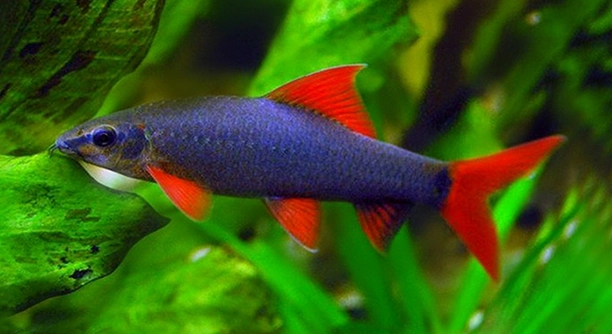
Rainbow sharks are popular freshwater fish known for their striking colors and peaceful nature. Many aquarium owners enjoy keeping them, but these fish can sometimes get hurt if their environment is not well maintained. Preventing injuries is important for their health and well-being.
Preventing injuries in rainbow sharks involves providing ample space, avoiding aggressive tank mates, maintaining clean water, using smooth decorations, and ensuring proper feeding practices. These measures help minimize stress and physical harm, promoting a safe environment for the fish.
Understanding these key steps can help you keep your rainbow shark healthy and happy in your aquarium. Taking care of their needs carefully makes a big difference in preventing common injuries.
Provide Enough Space
Rainbow sharks need plenty of room to swim freely and avoid injuries. When they are kept in small tanks, they can become stressed and may bump into decorations or other fish. Overcrowding increases the chance of fights, which can lead to wounds or fin damage. A tank of at least 30 gallons is recommended for one rainbow shark, and larger tanks are better if you plan to keep more. It is important to monitor the behavior of your fish regularly to see if they have enough space or if they seem cramped. Avoid placing too many decorations or sharp objects that could cause scratches or cuts. Keeping the environment open with smooth surfaces helps reduce the risk of injury and makes your rainbow shark feel more comfortable.
Having ample swimming space allows your rainbow shark to stay healthy and avoid stress-related injuries.
Giving your fish enough space is one of the simplest but most effective ways to keep them safe. A larger tank not only reduces aggressive behavior but also promotes better water quality. More water volume dilutes harmful substances and reduces sudden changes in temperature or chemistry. This stable environment supports your rainbow shark’s immune system and healing ability. When you choose tank decorations, pick smooth rocks and rounded plants to prevent accidental scrapes. Avoid sharp edges or brittle items that can break easily. Remember, a relaxed fish is less likely to injure itself. Regular tank maintenance also plays a role in providing a safe habitat. Clean water and stable conditions combined with enough room create the best setting for your rainbow shark to thrive without injuries.
Avoid Aggressive Tank Mates
Keeping rainbow sharks with aggressive or territorial fish can cause frequent fights and injuries. It is best to select peaceful species that will not challenge or stress your rainbow shark. Some fish, like large cichlids or barbs, may nip fins or chase smaller fish, increasing the chance of damage. Choosing compatible tank mates helps maintain harmony and reduces injury risk.
Selecting calm fish species that tolerate each other helps keep your rainbow shark safe from unnecessary harm.
Aggressive fish cause constant stress to rainbow sharks, leading to physical injuries and weakened health. Stress can lower their immune system, making it harder for wounds to heal. To prevent this, research tank mates carefully before introducing them. Species such as tetras, rasboras, or peaceful catfish work well with rainbow sharks. Avoid overcrowding as this can increase competition and aggression. Monitor interactions regularly to spot early signs of bullying. If fighting occurs, consider rearranging the tank or separating the fish. A well-planned community tank creates a peaceful environment that reduces injuries and promotes overall well-being for all inhabitants.
Maintain Clean Water
Clean water is essential to prevent infections and injuries in rainbow sharks. Dirty water can cause skin irritation and stress, which increases their risk of injury.
Regular water changes and proper filtration keep the tank environment healthy. Testing water parameters such as ammonia, nitrite, and nitrate levels helps detect problems early. Aim to change 20–30% of the water weekly to maintain cleanliness. Avoid overfeeding, which can pollute the tank and cause poor water quality. Proper cleaning routines reduce harmful bacteria and toxins that may cause wounds to become infected or worsen. Keeping the water clean supports your rainbow shark’s natural healing process and overall health.
Besides water changes, cleaning the substrate and decorations is important. Uneaten food and waste can settle in these areas, promoting bacteria growth. Use a gravel vacuum to remove debris without disturbing your fish too much. Filters need regular maintenance to avoid clogging and maintain efficient water flow. Healthy water conditions reduce stress and prevent diseases that can lead to injury. Consistency in tank care helps your rainbow shark live comfortably without unnecessary risks.
Use Smooth Decorations
Sharp or rough decorations can cause cuts and scratches on your rainbow shark. Choose smooth rocks, rounded plants, and soft ornaments to reduce injury risk. Decorations should not have sharp edges or broken parts.
Rounded and smooth tank decorations provide a safer environment. Sharp objects can injure your fish during their normal swimming or hiding behaviors. Some plastic or resin decorations may have rough spots that need to be smoothed or avoided. Natural items like river stones are a good choice if they are well washed and free of sharp edges. Plants also offer shelter and reduce stress, but make sure they don’t have thorny leaves or stems. A safe tank setup lowers the chance of accidental injuries and helps your rainbow shark feel secure.
Smooth decorations also prevent damage caused by your fish bumping into objects during sudden movements. Rainbow sharks are active and like to explore, so providing a safe layout is important. Avoid overcrowding the tank with decorations to give your fish enough room to swim freely. When choosing decorations, consider the size and behavior of your rainbow shark to ensure compatibility. Properly placed smooth objects create hiding spots without posing harm. This approach reduces physical harm and supports your fish’s natural behavior safely.
Monitor Water Temperature
Maintaining the right water temperature helps prevent stress and injury in rainbow sharks. They prefer temperatures between 72°F and 79°F (22°C–26°C).
Sudden temperature changes can shock your fish, making them more vulnerable to illness and physical harm. Use a reliable heater and thermometer to keep the temperature steady. Avoid placing the tank near windows or vents where temperature can fluctuate frequently.
Provide Proper Nutrition
Balanced nutrition supports your rainbow shark’s health and healing ability. Feed a varied diet of high-quality pellets, live or frozen foods, and occasional vegetables to meet their needs.
Proper feeding helps maintain strong immune function, reducing the risk of infections from injuries. Avoid overfeeding to prevent water pollution and obesity. Feed small amounts twice daily and remove leftovers promptly.
Regular Tank Maintenance
Cleaning the tank regularly prevents buildup of harmful substances that can stress fish and cause injuries. Remove uneaten food, vacuum gravel, and check filter function weekly.
Avoid Sudden Movements
Sudden tapping or rapid movements near the tank can frighten rainbow sharks, causing them to bump into objects or other fish, leading to injuries.
FAQ
How can I tell if my rainbow shark is injured?
Look for visible signs like torn fins, scratches, or red marks on the body. Your fish may also behave differently—such as hiding more than usual, swimming awkwardly, or showing reduced appetite. These changes often indicate discomfort or pain. Keep an eye on their movements and appearance regularly to catch injuries early.
What should I do if my rainbow shark gets injured?
First, isolate the injured fish in a separate hospital tank if possible. This prevents further damage from other fish. Clean the water and maintain ideal conditions to help healing. Using aquarium salt or medicated treatments can help fight infections. Avoid handling the fish too much, as this can stress it further.
Can tank mates cause injuries to rainbow sharks?
Yes. Aggressive or territorial tank mates may chase or nip at rainbow sharks, causing injuries. Choose peaceful species to keep together. If fighting happens, separate the fish or rearrange the tank to reduce conflict.
How often should I clean the tank to prevent injuries?
Perform partial water changes of about 20-30% weekly. Regularly vacuum gravel and clean filters. This routine keeps water parameters stable, reducing stress and infections that can lead to injuries.
Are certain decorations safer than others?
Yes. Smooth, rounded rocks and soft plants are safest. Avoid sharp or rough decorations that can cut your fish. Inspect any new items before placing them in the tank.
Does water temperature affect injury risk?
Yes. Sudden changes or incorrect temperatures stress rainbow sharks, weakening their immune systems. Keep the water between 72°F and 79°F (22°C–26°C) with a reliable heater and thermometer.
How much space does a rainbow shark need to avoid injuries?
At least a 30-gallon tank for one rainbow shark is recommended. More space is better if you keep more fish. Adequate room reduces aggression and accidental bumps that cause injuries.
Can diet impact my rainbow shark’s health and injury recovery?
Absolutely. A balanced diet with pellets, live or frozen foods, and vegetables strengthens the immune system. Overfeeding should be avoided to prevent water pollution and health issues.
What signs show my rainbow shark is stressed?
Stress signs include hiding, loss of appetite, unusual swimming patterns, and faded colors. Stress makes fish more prone to injury and disease, so it’s important to maintain a calm, clean environment.
Is it necessary to isolate an injured rainbow shark?
Isolating helps prevent further injury and reduces stress from tank mates. It also allows you to treat wounds effectively. Use a hospital tank with clean water and proper temperature.
Can poor water quality cause physical injuries?
Poor water quality weakens fish, making skin and fins more prone to damage and infections. Keeping water clean with regular changes and filtration is essential to prevent injuries.
What should I do if my rainbow shark frequently injures itself?
Check for sharp decorations, overcrowding, or aggressive tank mates. Improve water quality and temperature stability. If injuries continue, consult an aquatic veterinarian for advice.
How long does it take for a rainbow shark to heal from injuries?
Healing times vary depending on injury severity and tank conditions. Minor wounds may heal in one to two weeks if the environment is clean and stress-free.
Can overcrowding increase injury risks?
Yes. Overcrowding causes stress, competition, and accidental bumps, increasing injuries. Keep the tank population appropriate for its size.
Are aquarium salts helpful for injury prevention?
Aquarium salts can reduce stress and support healing but should be used carefully and according to guidelines. Always research proper dosages before use.
What is the best way to introduce new fish to prevent injuries?
Quarantine new fish for two weeks before adding them to the main tank. Introduce them slowly to reduce stress and territorial aggression.
How often should I test my aquarium water?
Test water parameters weekly, focusing on ammonia, nitrites, nitrates, and pH. Keeping these in safe ranges helps avoid stress and injury.
Can injuries lead to infections?
Yes. Open wounds can become infected if water quality is poor or bacteria are present. Prompt treatment and clean water reduce this risk.
Is it normal for rainbow sharks to be territorial?
They can be territorial, especially in small tanks. Providing enough space and hiding spots helps reduce aggressive behavior and injury risk.
Can handling rainbow sharks cause injuries?
Handling should be minimized. Fish scales and fins are delicate, and rough handling can cause stress and physical damage.
What should I do if I see signs of infection on my rainbow shark?
Isolate the fish and treat with appropriate medication. Maintain clean water and monitor the fish closely. Consult a vet if infection worsens.
Taking good care of your rainbow shark is important to keep it healthy and injury-free. These fish need the right environment to thrive, which includes enough space, clean water, and peaceful tank mates. When their surroundings are safe and stable, rainbow sharks are less likely to get hurt. Injuries can cause stress and infections, which make it harder for them to stay well. By paying attention to their needs and making simple changes, you can create a safe home for your fish.
It is also important to choose the right decorations and maintain the tank regularly. Sharp or rough objects can cause cuts, so smooth decorations work best. Keeping the water clean and testing it often helps prevent diseases and irritation that could lead to injuries. Feeding your rainbow shark a balanced diet supports its immune system and helps it recover faster if it does get hurt. Small daily actions like checking water temperature, cleaning the tank, and watching your fish’s behavior can make a big difference in preventing injuries.
Remember that your rainbow shark depends on you to provide a safe and healthy space. Avoid overcrowding and aggressive fish to reduce fights and stress. If your fish does get injured, isolate it and offer proper care until it heals. With proper attention and care, you can enjoy watching your rainbow shark live happily without worries about injuries. Taking these steps helps ensure your fish stays active and healthy for a long time.

Hello,
If you enjoy the content that we create, please consider saying a "Thank You!" by leaving a tip.
Every little bit helps us continue crafting quality advice that supports the health, happiness, and well-being of pets around the world, for pets of all shapes, sizes, and species.
We really appreciate the kindness and support that you show us!