
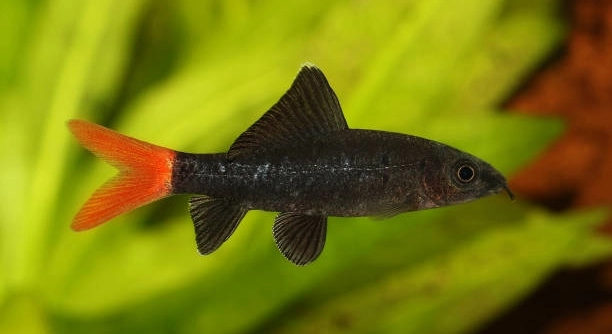
Rainbow sharks are popular freshwater fish known for their vibrant colors and active nature. Sometimes, these fish may lose their appetite, causing concern for their owners. Understanding the reasons behind this behavior is important for their care and well-being.
When a rainbow shark is not eating well, the causes often relate to water quality, stress, diet issues, or health problems. Addressing these factors systematically can restore appetite and improve the fish’s overall condition.
Knowing how to recognize and fix these problems can help keep your rainbow shark healthy and thriving in its aquarium environment.
Check the Water Quality
Poor water quality is a common reason rainbow sharks stop eating. High levels of ammonia, nitrites, or nitrates can make fish uncomfortable or sick. It’s important to regularly test the tank water and keep these chemicals at safe levels. Water temperature also matters; rainbow sharks prefer temperatures between 74°F and 80°F. Sudden changes in water temperature or pH can stress the fish, causing appetite loss. Regular water changes and a good filtration system help maintain a healthy environment. Keeping the tank clean reduces harmful bacteria and waste, which can impact the fish’s health. Sometimes, leftover food and waste buildup cause water issues that are easy to overlook but critical to fix.
Testing water weekly and making adjustments as needed will keep your rainbow shark comfortable. Maintaining clean, stable water conditions encourages healthy eating habits and reduces stress, helping your fish feel secure and more willing to eat.
Good water quality forms the foundation of your fish’s health. Without it, even the best diet may not help your rainbow shark regain appetite.
Reduce Stress Factors
Stress affects a rainbow shark’s eating habits significantly. Noise, sudden movements near the tank, or aggressive tank mates can cause stress. These fish prefer calm environments with plenty of hiding spots. Overcrowding the tank makes it difficult for the fish to settle, reducing their interest in food. Adding plants or decorations can create safe spaces and reduce anxiety. Avoid tapping the glass or moving decorations too often, as these actions can startle your fish. Stress weakens the immune system, making fish more prone to illness, which also reduces appetite. By minimizing stress, your rainbow shark will feel safer and more comfortable, improving its willingness to eat.
Creating a calm and secure tank environment supports both the physical and mental health of your rainbow shark, helping to restore normal feeding behavior.
Adjust the Diet
Rainbow sharks need a varied diet to stay healthy. Offering only one type of food can lead to loss of interest in eating. They enjoy sinking pellets, algae wafers, and occasional live or frozen foods like bloodworms or brine shrimp.
Including a mix of plant-based and protein-rich foods keeps them balanced. Vegetables such as blanched zucchini or spinach can be added for extra nutrients. Feeding small amounts multiple times a day helps encourage appetite without overfeeding. Overfeeding can pollute the tank and cause digestive issues, which may further reduce their desire to eat. Watching how your fish reacts to different foods can help you find what it prefers, improving its feeding habits.
Consistency is key when adjusting the diet. Slowly introducing new foods and observing your rainbow shark’s behavior can help maintain interest and prevent feeding problems in the future.
Observe for Illness
Loss of appetite may indicate illness in your rainbow shark. Look for signs like clamped fins, unusual swimming patterns, or spots on the body. These symptoms suggest infections or parasites that need prompt treatment.
If illness is suspected, isolate the fish to prevent spreading disease. Use appropriate medication recommended for freshwater fish and follow the dosage instructions carefully. Keep monitoring water quality during treatment to reduce stress. Sometimes, the cause of poor eating is an underlying health problem that only proper care and medicine can fix. Early detection increases the chances of recovery and helps your fish return to normal eating habits more quickly.
Maintain Proper Tank Size
Rainbow sharks need enough space to swim freely. A small or crowded tank can cause stress and reduce appetite. Providing at least 30 gallons per fish helps maintain a healthy environment and prevents aggressive behavior.
More space allows for better water quality and less competition for food, encouraging your fish to eat well.
Improve Tank Lighting
Proper lighting affects your rainbow shark’s daily routine. Bright or harsh lights can cause stress, while dim lighting helps them feel safe. Use a timer to keep a consistent light cycle, ideally 8-10 hours per day.
Balanced lighting supports natural behavior and encourages regular feeding habits.
Avoid Overfeeding
Feeding your fish too much can harm both its health and water quality. Leftover food decays and pollutes the tank, creating an unhealthy environment that discourages eating. Feed small amounts that your rainbow shark can finish within a few minutes to prevent this issue.
FAQ
Why is my rainbow shark not eating but still active?
Sometimes, a rainbow shark may refuse food while still swimming around. This often means the fish is stressed or adjusting to changes in its environment. Water quality, temperature, or tankmates might be factors. It’s important to check water parameters and ensure the fish has hiding places to feel secure.
How long can a rainbow shark go without eating?
Rainbow sharks can survive several days without food, but going longer than a week can weaken them. If your fish isn’t eating for more than three days, it’s a sign to investigate water conditions, stressors, or illness immediately to avoid health risks.
What foods are best to encourage eating?
A mix of sinking pellets, algae wafers, and occasional live or frozen foods works best. Vegetables like blanched zucchini or spinach can also help. Offering a variety can stimulate the fish’s appetite and provide balanced nutrition.
Can tankmates cause my rainbow shark to stop eating?
Yes. Aggressive or overly active tankmates can stress a rainbow shark, causing it to hide or refuse food. Keeping peaceful companions and avoiding overcrowding helps reduce stress and encourages regular eating.
How often should I feed my rainbow shark?
Feeding small amounts 2-3 times a day is ideal. Overfeeding can lead to poor water quality and health problems. Watch how much your fish eats in a few minutes and remove leftover food promptly.
Does water temperature affect appetite?
Yes, rainbow sharks prefer temperatures between 74°F and 80°F. Too cold or too warm water can slow metabolism and reduce appetite. Use a reliable heater and thermometer to keep temperature stable.
What signs show my fish might be sick?
Look for clamped fins, faded colors, spots, swelling, or unusual swimming. These signs suggest infection or parasites, which need quick treatment to prevent appetite loss and serious health issues.
Is it normal for rainbow sharks to stop eating during tank changes?
Yes, fish can stop eating when moved or when the tank is cleaned due to stress. Give them time to adjust and keep the environment stable to help them resume normal eating.
Can overfeeding cause health problems?
Definitely. Overfeeding can cause bloating, constipation, and poor water quality. These issues often lead to reduced appetite and stress. Feed only what your fish can finish quickly.
Should I isolate a rainbow shark that isn’t eating?
If you suspect illness, isolating the fish in a quarantine tank is recommended. This prevents spreading disease and allows you to treat the fish without stressing others.
How do I improve water quality to help my fish eat?
Perform regular water changes, test water parameters weekly, and avoid overfeeding. Use a good filter and remove waste promptly. Clean water supports good health and appetite.
Will adding plants help my rainbow shark eat better?
Yes, live or artificial plants provide hiding spots and reduce stress. A calm environment helps the fish feel safe enough to eat regularly.
Can lighting affect feeding behavior?
Yes, bright or inconsistent lighting can stress fish. Using a timer for 8-10 hours of soft light daily helps maintain a healthy feeding schedule.
What should I do if my fish refuses all types of food?
Check water quality, tank conditions, and signs of illness. Try offering live or frozen foods to entice feeding. If refusal continues, consult a vet or aquatic specialist.
How do I know if my rainbow shark is stressed?
Signs include hiding, rapid breathing, loss of color, and refusal to eat. Address tank conditions and reduce disturbances to lower stress levels.
Taking care of a rainbow shark means paying attention to many details. When your fish stops eating, it is often a sign that something is wrong in its environment or health. Making sure the water is clean, the temperature is right, and the tank is big enough are all important steps. Without these basics, your fish may feel stressed or sick, which causes it to lose interest in food. Regularly checking the tank and keeping it stable helps your rainbow shark feel comfortable and secure.
Feeding your rainbow shark the right diet is just as important as keeping good water conditions. These fish need a mix of foods that provide both protein and plants. Feeding small amounts several times a day works best because it prevents leftover food from polluting the water. Watching your fish’s behavior and trying different foods can help you understand what it likes and needs. Sometimes changing the diet slowly will bring back its appetite. If your fish shows signs of illness or unusual behavior, it is important to act quickly. Isolating the fish and treating it with the proper medicine can save its life and help it start eating again.
Rainbow sharks can be sensitive to changes in their tank or routine. Stress from bright lights, noisy environments, or aggressive tankmates can make them stop eating. Creating a calm space with hiding spots helps reduce stress and makes the fish feel safer. Paying attention to your fish’s habits and environment can help you catch problems early before they get worse. When you combine good water care, proper feeding, and stress reduction, your rainbow shark has the best chance to stay healthy and enjoy its food again. Taking these steps shows your care and helps your fish live a longer, happier life.

Hello,
If you enjoy the content that we create, please consider saying a "Thank You!" by leaving a tip.
Every little bit helps us continue crafting quality advice that supports the health, happiness, and well-being of pets around the world, for pets of all shapes, sizes, and species.
We really appreciate the kindness and support that you show us!