
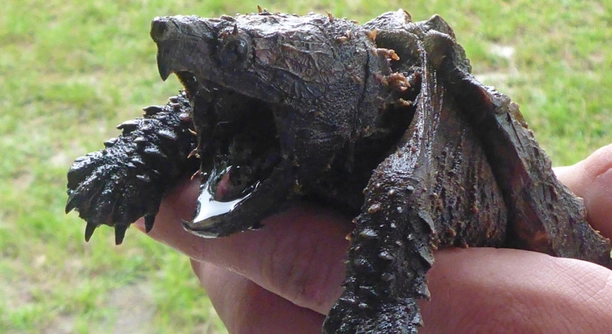
Alligator snapping turtles are unique and fascinating creatures, but they can be susceptible to bacterial infections. As a turtle owner, it’s important to know how to keep them healthy and free from these harmful bacteria.
To prevent bacterial infections in alligator snapping turtles, maintaining clean water, providing proper nutrition, and regular health checks are essential. Additionally, minimizing stress and using suitable habitats can greatly reduce the risk of infections and promote a strong immune system.
By following these guidelines, you’ll be able to care for your snapping turtle and ensure they stay healthy. These simple steps are easy to implement and can help you avoid infections.
Maintain Clean Water
Alligator snapping turtles thrive in clean environments, so water quality is critical. Dirty or stagnant water can breed harmful bacteria, leading to skin and shell infections. Regularly change the water in your turtle’s tank to prevent this. It’s also important to use a good filtration system to keep the water fresh. Keep the tank in a location where it isn’t exposed to too much direct sunlight, which can lead to algae buildup. If the water looks cloudy or smells bad, it’s time to clean the tank. Regular water changes, at least once a week, will help prevent bacterial growth and promote the turtle’s overall health.
Keeping the water clean not only helps prevent infections but also encourages healthy behavior in snapping turtles. A clean habitat supports their immune system and reduces stress, both of which are essential to their well-being.
Additionally, monitoring water temperature is essential. Alligator snapping turtles prefer water between 70°F and 80°F. If the temperature fluctuates too much, it can stress the turtle, weakening its immune defenses and making it more susceptible to infections.
Provide Proper Nutrition
Proper nutrition plays a significant role in keeping alligator snapping turtles healthy. Their diet should include a mix of protein, vegetables, and calcium-rich foods to support their immune system and shell growth. High-quality commercial turtle food, along with occasional treats like fish or earthworms, is beneficial. You should also provide calcium supplements to ensure their shells stay strong. Avoid overfeeding, as it can lead to water quality issues and obesity. Healthy eating habits will ensure your turtle’s body stays strong, making it more resistant to infections.
A well-balanced diet also helps the snapping turtle’s overall growth and longevity. Providing the right foods can prevent many common health problems associated with nutritional deficiencies. Remember to offer a variety of food types to ensure that the turtle is receiving all the nutrients it needs for a healthy life.
Lastly, keeping the turtle’s feeding area clean is important. After feeding, remove any leftover food to avoid contamination, which could contribute to bacterial growth in the tank.
Minimize Stress
Stress is a major factor in making snapping turtles more vulnerable to infections. High-stress levels weaken their immune system, making them more likely to get sick. Create a quiet, calm environment for your turtle. Avoid sudden temperature changes, loud noises, or too much handling.
Turtles need a stable and secure habitat to feel safe. Place their tank in a low-traffic area, away from other pets, to reduce stress. It’s also helpful to provide hiding spots or places where the turtle can retreat. This allows them to rest and feel more secure, which helps minimize stress.
Handling your turtle too much can also be stressful for them. It’s best to limit physical contact, especially when they are settling into their environment. By making sure your snapping turtle’s habitat is as stress-free as possible, you’ll be helping it stay healthier and more resistant to bacteria.
Regular Health Checks
Regular health checks are key to catching infections early. Check your snapping turtle for signs of illness, such as swollen eyes, skin lesions, or abnormal behavior. Keeping a close eye on their health will allow you to act quickly if something goes wrong.
If you notice any signs of infection, it’s important to act immediately. Infected turtles should be isolated from other pets to prevent spreading bacteria. A vet familiar with reptiles can diagnose the infection and prescribe treatment. Keeping up with routine health checks and being proactive will help you prevent infections from becoming serious.
Regular health checks not only help detect infections but also ensure your turtle’s general well-being. You should check for any signs of injury, changes in appetite, or abnormal behavior, as these could indicate a problem. A quick response can make all the difference in treating bacterial infections before they spread.
Proper Habitat Setup
A well-maintained habitat is crucial to your turtle’s health. Ensure the tank has a proper substrate, like gravel or sand, and a basking area where your turtle can dry off. Keep the environment clean and organized to minimize bacterial growth.
Ensure the tank is large enough for the snapping turtle to move freely. Turtles need space to swim, bask, and explore. A cramped tank can lead to stress and unhealthy conditions. Proper filtration and water changes should be a regular part of the setup to keep the environment fresh and safe.
Prevent Overcrowding
Overcrowding a tank can cause various health issues, including infections. More turtles in a confined space means more waste, poor water quality, and increased stress. A good rule is one turtle per 40 gallons of water. Make sure each turtle has enough space to thrive.
Turtles are territorial, and too many in one space can cause aggression or stress. This leads to higher chances of injury and infection. By giving each turtle its own space, you’ll help reduce the likelihood of bacterial outbreaks and ensure your turtles stay healthy.
FAQ
What are the most common bacterial infections in alligator snapping turtles?
The most common bacterial infections in alligator snapping turtles are shell rot, respiratory infections, and eye infections. Shell rot occurs when bacteria enter damaged or softened areas of the shell. Respiratory infections often present as labored breathing or mucus around the nose. Eye infections are visible through swelling or discharge from the eyes. These infections can be caused by poor water quality, stress, or injuries.
How can I tell if my alligator snapping turtle has an infection?
Look for signs like abnormal behavior, lack of appetite, swelling, discoloration, or lesions on the shell or skin. If your turtle is spending more time underwater than usual, showing signs of labored breathing, or its shell looks soft or damaged, it could indicate an infection. Eye discharge or swelling also suggests an issue.
Is it safe to use antibiotics on my snapping turtle?
Using antibiotics should only be done under the guidance of a veterinarian. Overuse or incorrect dosage of antibiotics can lead to further complications, like antibiotic resistance. A vet will be able to determine the right medication and dosage for your turtle based on the type of infection.
How can I prevent shell rot in my snapping turtle?
To prevent shell rot, keep your turtle’s habitat clean and ensure its shell stays dry when it basks. Avoid having the water too dirty or stagnant, as bacteria thrive in such conditions. Make sure your turtle has access to clean, warm water and enough space to move around. If you notice any scratches or injuries on the shell, clean them promptly to avoid infection.
Can I treat my turtle’s eye infection at home?
You can try to clean the area gently with a saline solution, but it’s best to consult a veterinarian. Eye infections can be tricky, and improper treatment may make things worse. A vet can prescribe the right medication or treatment and give you advice on proper care.
What should I do if my turtle has a respiratory infection?
If you suspect your turtle has a respiratory infection, it’s important to see a vet as soon as possible. Respiratory infections can be serious and may require antibiotics or other treatments. While waiting for an appointment, keep the turtle’s environment warm and ensure it has access to clean, fresh water.
Can water quality affect my turtle’s health?
Yes, poor water quality is one of the main causes of bacterial infections in turtles. Dirty water can harbor harmful bacteria that lead to skin, shell, or respiratory infections. Make sure to change the water regularly, use a quality filter, and monitor water parameters like pH, temperature, and ammonia levels.
What is the best way to clean my turtle’s tank?
To clean the tank, first remove your turtle and any decorations or substrate. Use a non-toxic, turtle-safe cleaner or mild soap to scrub the tank. Rinse it thoroughly to avoid any chemical residue. Change the water regularly, and clean the filter to maintain proper water circulation and prevent the growth of harmful bacteria.
How often should I check my turtle’s health?
It’s important to check your turtle’s health regularly, at least once a week. Look for any signs of illness, such as changes in behavior, appetite, or appearance. Regular health checks can help you catch infections early, allowing for quicker treatment. Don’t forget to inspect the shell, eyes, and skin for any unusual signs.
Can stress lead to infections in my snapping turtle?
Yes, stress can weaken your turtle’s immune system, making it more vulnerable to infections. Stress can be caused by overcrowding, sudden temperature changes, loud noises, or improper habitat conditions. Creating a peaceful, stable environment can help your turtle feel safe and reduce the likelihood of infection.
What are some signs that my snapping turtle is stressed?
Stress in turtles can show up in various ways. If your turtle is swimming frantically, hiding more often, or not eating, it may be stressed. Additionally, physical signs like darkening skin or loss of color can indicate stress. A stressed turtle may also be less active than usual.
Final Thoughts
Taking care of an alligator snapping turtle requires attention to detail and consistent care, especially when it comes to preventing bacterial infections. By maintaining a clean and stable environment, you are already setting your turtle up for success. Regular water changes, proper filtration, and maintaining the right temperature are key factors in promoting a healthy habitat. A clean tank reduces the chances of bacteria growing and infecting your turtle. Consistent monitoring of water quality, as well as your turtle’s behavior, will help you detect any early signs of infection, making it easier to treat them before they become serious.
In addition to water quality, proper nutrition is essential to your turtle’s health. A balanced diet that includes a mix of protein, vegetables, and calcium will keep your turtle strong and help build its immunity against infections. Be sure to also provide calcium supplements to promote a healthy shell. Just as important is avoiding overfeeding, which can lead to poor water quality and obesity. Remember that a healthy turtle will not only look better, but will also be more active and resilient to illnesses. While feeding your turtle, ensure you clean up any leftover food promptly to avoid contamination in the tank, which can contribute to bacterial growth.
Lastly, regular health checks and minimizing stress are equally important for the overall well-being of your alligator snapping turtle. Stress can lower its immune system, making it more vulnerable to infections. Keep your turtle’s environment peaceful and avoid handling it too much. By closely observing your turtle’s behavior, eating habits, and shell condition, you can quickly notice any health changes. Ensuring your turtle has a stress-free environment and a proper diet will go a long way in keeping it healthy and happy for years to come.

Hello,
If you enjoy the content that we create, please consider saying a "Thank You!" by leaving a tip.
Every little bit helps us continue crafting quality advice that supports the health, happiness, and well-being of pets around the world, for pets of all shapes, sizes, and species.
We really appreciate the kindness and support that you show us!