
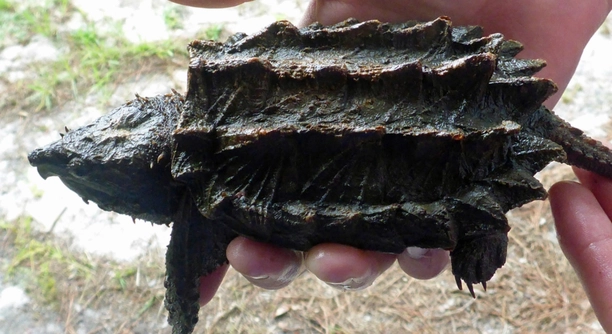
Owning an alligator snapping turtle is a unique experience, but it requires careful thought and preparation. This article covers the important factors to consider before bringing one into your home as a pet.
Before getting an alligator snapping turtle, it’s essential to research their habitat, diet, and lifespan. They require a large tank, a specialized diet, and proper temperature conditions. Make sure you have the time and space to care for them properly.
Understanding their needs is vital for both your pet’s well-being and your satisfaction as an owner.
Tank Size and Setup
Alligator snapping turtles are large, often growing to over 20 inches in length. They require a spacious tank, typically at least 100 gallons for an adult turtle. The tank must provide enough space for them to swim freely and explore. You’ll also need a sturdy lid, as they can be escape artists. The water should be kept clean and at a consistent temperature, ideally between 75°F and 80°F. Installing a good filtration system is essential to maintain water quality and prevent bacterial growth.
A basking area is necessary for your turtle to rest and regulate its body temperature. Place a heat lamp to ensure they have access to warmth when needed. Remember to clean the tank regularly to avoid water contamination.
Turtles can be messy, so it’s crucial to keep their environment as clean as possible. This includes removing uneaten food, cleaning the filter, and checking water parameters. Consistency in tank maintenance will contribute to your turtle’s health and comfort.
Diet and Feeding
Feeding your alligator snapping turtle requires a balanced, varied diet. They are carnivorous and will eat fish, insects, and even small mammals. Regularly offering these food sources, along with some occasional leafy greens, will help maintain their health. You can also provide high-quality turtle pellets.
In captivity, a varied diet will mimic their natural eating habits. This helps in promoting proper growth and energy levels. Be sure to adjust their diet based on their age and size. Juvenile turtles may need more frequent feedings than adults.
Temperature and Lighting
Alligator snapping turtles require consistent temperatures to thrive. The water temperature should be between 75°F and 80°F, while the basking area should reach around 90°F. Use a submersible heater for the water and a heat lamp for the basking spot.
Maintaining the correct lighting is just as important. UVB lighting is necessary for their shell health and overall well-being. Without proper lighting, they may develop deficiencies. Set up the lights to ensure your turtle gets at least 10-12 hours of light each day, mimicking natural daylight cycles.
These adjustments help keep your turtle healthy. Regularly monitor the temperatures and lighting conditions to ensure they are stable. It’s essential to replace UVB bulbs every 6-12 months to maintain their effectiveness.
Health and Veterinary Care
Regular health checks are vital to keeping your alligator snapping turtle in good condition. Watch for signs of illness, such as lack of appetite or lethargy. They can also develop shell rot or respiratory infections if the environment isn’t properly maintained.
Routine vet visits will help catch potential problems early. Look for a veterinarian with experience in reptiles, especially one familiar with turtles. They can provide valuable advice on diet, habitat maintenance, and care. A regular checkup ensures that your turtle remains healthy and gets the necessary treatments when needed.
Social Interaction and Behavior
Alligator snapping turtles are generally solitary animals. They do not require social interaction and can be territorial. Keeping multiple turtles in the same tank can lead to stress or aggression. It’s best to house them alone.
They can be aggressive when they feel threatened, so it’s important to respect their space. Handling them too much can cause unnecessary stress. They tend to hide during the day and become more active at night. It’s important to create an environment that allows them to feel secure and safe.
Water Quality
Water quality is crucial for the health of your alligator snapping turtle. Poor water conditions can lead to infections and other health problems. Invest in a reliable filtration system that can handle the tank size.
Make sure to test the water regularly for ammonia, nitrites, and pH levels. Keeping the water clean helps prevent disease and ensures the turtle’s well-being. Regular water changes will also help maintain a healthy environment for your turtle.
Long Lifespan
Alligator snapping turtles are known for their long lifespan, often living 30-50 years in captivity. This makes them a long-term commitment. They require consistent care throughout their life. Be prepared for the responsibility of caring for them over many decades.
Their long lifespan means you’ll need to plan for their future needs. Ensure you can maintain the space, time, and resources necessary to provide proper care throughout their life.
FAQ
What size tank do I need for an alligator snapping turtle?
An alligator snapping turtle requires a tank of at least 100 gallons when fully grown. The larger the tank, the better, as it allows them to swim freely and comfortably. Juvenile turtles can be housed in smaller tanks but should be upgraded as they grow.
The tank should be equipped with a strong filtration system to keep the water clean, as these turtles can be messy. The space should also include a basking area and proper lighting. As your turtle matures, ensure the tank size and setup can accommodate its increasing size and needs.
Can I keep more than one alligator snapping turtle in the same tank?
It is not recommended to house multiple alligator snapping turtles in the same tank. These turtles are territorial and can become aggressive toward each other. If they feel their space is threatened, they may engage in fights, which can lead to injury.
If you plan to keep more than one turtle, ensure that each has its own designated space. However, even in larger tanks, it’s generally best to keep them solo. Each turtle should be given the room it needs to feel safe and secure.
What do alligator snapping turtles eat?
Alligator snapping turtles are carnivorous, and their diet mainly consists of fish, amphibians, crustaceans, and insects. They also enjoy occasional offerings of small mammals and even carrion. It’s important to provide a varied diet to meet their nutritional needs.
In captivity, you can feed them commercial turtle pellets designed for carnivorous turtles. Supplement their diet with fresh fish, earthworms, and insects. Offering variety will keep them healthy and prevent them from becoming picky eaters. Always ensure the food is the appropriate size for your turtle.
How often should I feed my alligator snapping turtle?
Young alligator snapping turtles need to be fed more frequently than adults. Feed juveniles every day, while adult turtles can be fed every two or three days. Overfeeding can lead to obesity and water contamination, so be sure to remove any uneaten food from the tank.
Portion control is essential. The amount you feed should depend on your turtle’s size and age. Monitor their weight and adjust feeding schedules as necessary. Remember that they are opportunistic feeders and may overeat if food is left out for too long.
How do I set up the tank for an alligator snapping turtle?
Setting up the tank involves several key elements. First, you’ll need a large tank with enough space for swimming and a basking area. The basking area should have a heat lamp to help regulate the turtle’s body temperature. The water must be filtered and maintained at a consistent temperature, between 75°F and 80°F.
The tank should also have a reliable UVB light to help with shell health. Keep the tank clean by regularly checking water quality, adjusting the filter, and performing partial water changes. Avoid overcrowding the tank to ensure your turtle has enough room.
How do I care for my alligator snapping turtle’s shell?
Maintaining a healthy shell is important for your turtle’s overall well-being. To care for it, ensure that your turtle has access to UVB light, which helps with calcium absorption and shell development. Without it, they can develop shell rot or soft shells.
Monitor the shell regularly for any signs of damage, cracks, or soft spots. If you notice any issues, it’s important to consult with a vet who specializes in reptiles. Keep the water clean and the tank temperature stable, as poor conditions can contribute to shell problems.
Can alligator snapping turtles live in a pond?
Yes, alligator snapping turtles can live in ponds, provided the pond is large enough to accommodate them and is equipped with the right conditions. The pond should have clean water, proper filtration, and a basking area with access to sunlight.
It’s important to ensure that the pond is secure to prevent your turtle from escaping. Ponds should also be free of predators, as alligator snapping turtles are vulnerable to being attacked by other animals. Be mindful of temperature fluctuations and water quality to keep the turtle healthy.
How long do alligator snapping turtles live?
Alligator snapping turtles have long lifespans, often living 30-50 years in captivity. They require long-term care, and their needs will evolve over time as they grow. This makes them a lifelong commitment.
Because they can live for so many years, it’s important to consider their future needs, such as tank size, water quality, and diet. Prepare for the responsibility of caring for them over several decades. Regular veterinary check-ups will also be crucial to monitor their health throughout their life.
How can I tell if my alligator snapping turtle is sick?
Signs that your turtle may be sick include loss of appetite, lethargy, abnormal swimming behavior, or changes in their shell’s appearance. They may also develop respiratory issues, such as wheezing or difficulty breathing. If you notice any of these symptoms, it’s crucial to seek veterinary care.
Infections, parasites, or improper tank conditions can cause illness. Keeping the tank clean and maintaining proper water conditions can help prevent many health issues. However, if symptoms persist, a vet visit will be necessary to address any underlying problems.
Final Thoughts
Alligator snapping turtles are fascinating creatures that require careful consideration before bringing them into your home. These turtles have specific needs, from water temperature and quality to proper lighting and diet. Understanding these factors ensures that they thrive in captivity. Their long lifespan also means a lifelong commitment, so it is essential to evaluate whether you can meet their needs for decades. Proper care will help you build a strong bond with your turtle, allowing both of you to enjoy the experience for many years.
While alligator snapping turtles can make unique and rewarding pets, they are not suitable for everyone. They can be challenging to care for, especially due to their dietary requirements and the space needed to accommodate their growing size. Housing multiple turtles together can lead to aggression, and their territorial nature may cause issues if not properly managed. These turtles also require significant attention to water quality and temperature, which can be demanding for a first-time pet owner. Before deciding to adopt one, ensure you have the right setup and a plan to provide long-term care.
In conclusion, owning an alligator snapping turtle can be a fulfilling experience if you are prepared to meet their needs. They are not low-maintenance pets and require a dedicated commitment to their care. From creating the proper environment to ensuring they receive a balanced diet, these turtles demand attention and respect. If you are willing to provide a stable and caring home, an alligator snapping turtle can live a long, healthy life and offer you years of enjoyment. Just be sure to fully understand the responsibility involved before making the decision.

Hello,
If you enjoy the content that we create, please consider saying a "Thank You!" by leaving a tip.
Every little bit helps us continue crafting quality advice that supports the health, happiness, and well-being of pets around the world, for pets of all shapes, sizes, and species.
We really appreciate the kindness and support that you show us!