
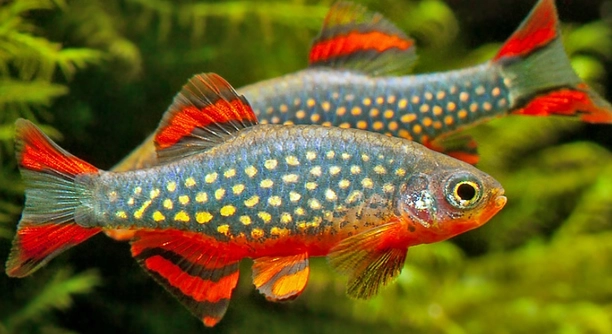
Danios are lively fish that bring energy and color to any aquarium. Moving them to a new tank can be stressful if proper preparation is overlooked. Knowing the right steps can make the transition smoother for your fish.
Proper preparation of danios before a tank transfer involves adjusting water conditions, monitoring their health, gradually acclimating them, and minimizing stressors. Ensuring consistent temperature, clean water, and gentle handling supports a safe and successful relocation.
Following careful preparation will help your danios adapt quickly and reduce potential health risks during the move. Small changes now can have a big impact on their long-term well-being.
Assessing the New Tank Environment
Before moving danios, it is important to check the conditions of the new tank. Water temperature, pH levels, and cleanliness all affect fish health. Ensure the tank is fully cycled and free from harmful chemicals. Decorations and plants should be safe, without sharp edges that could injure the fish. Lighting should be appropriate, avoiding sudden changes that may stress the danios. Filtration and aeration must be functional to maintain oxygen levels and water clarity. Testing the water for ammonia, nitrites, and nitrates helps confirm the tank is safe. Avoid overcrowding, as too many fish can lead to stress and disease. Observe the tank for any potential hazards, such as electrical cords or unstable decorations. Preparing the tank thoroughly before introducing danios reduces the risk of shock and helps them adapt more easily. Taking the time to make these adjustments is essential for a smooth transition.
Properly preparing the tank ensures danios face minimal stress and increases their chances of thriving.
Checking the environment includes monitoring water temperature carefully and confirming filtration is working efficiently. Stable conditions reduce the likelihood of illness and support overall fish health. A calm, prepared tank helps danios settle faster.
Gradual Acclimation Process
Introduce danios to the new tank slowly to prevent shock.
Gradual acclimation involves floating the transport bag in the new tank for about 15-20 minutes. This helps the water temperature match, reducing stress. Slowly adding small amounts of tank water into the bag allows the fish to adjust to pH and hardness differences. Avoid dumping the fish directly into the tank. Gentle handling and minimizing sudden changes in lighting or movement support a smoother adaptation.
Once temperature and water chemistry adjustments are complete, slowly release the danios into the new tank. Observe their behavior closely for the first few hours. Look for signs of stress, such as rapid gill movement or hiding excessively. Provide hiding spots using plants or decorations to help them feel secure. Keep feeding light initially to reduce digestive strain. Continue monitoring water parameters daily to maintain a stable environment. Avoid overcrowding and ensure filtration is functioning. Gradual introduction improves survival rates and promotes healthy adjustment to the new surroundings. Over time, danios will become comfortable, swim actively, and display natural behaviors, showing that the acclimation process has been successful.
Monitoring Fish Health
Check your danios for any signs of illness before the transfer. Look for unusual spots, frayed fins, or slow movement. Healthy fish adapt better and handle stress more effectively.
Observing fish closely allows you to identify potential problems early. Fish showing abnormal behavior, such as lethargy or erratic swimming, may need treatment before the transfer. Ensuring all danios are eating normally and displaying natural colors indicates good health. Quarantining new or sick fish prevents disease from spreading in the main tank. Keeping a consistent feeding schedule and avoiding overfeeding helps maintain digestive health. Clear water and stable conditions reduce stress and strengthen their immune system. Proper observation sets the stage for a smooth move.
If a fish appears weak or sick, delay the transfer until it recovers. Treat minor infections or parasites promptly and isolate affected fish. Healthy, stress-free danios adjust more quickly to their new environment, reducing the risk of post-transfer illness. Paying attention to their condition before moving ensures long-term success in the new tank.
Adjusting Feeding Practices
Feeding should be light in the days before transfer.
Reducing food intake helps minimize waste and lowers ammonia levels, which can stress fish. Provide small, easily digestible portions and maintain a consistent schedule. Avoid introducing new foods that could upset digestion. This prepares the fish for changes in the new tank.
After the transfer, continue small, frequent feedings to avoid overloading their digestive system. Watch for changes in appetite and adjust amounts gradually. Overfeeding can lead to water quality issues, which can cause stress or disease. Provide high-quality flakes or pellets appropriate for danios. Remove uneaten food promptly to keep water clean. Maintaining consistent feeding practices supports overall health and helps danios adapt to their new surroundings. Observing their behavior during feeding also gives insight into their adjustment progress and helps catch potential issues early.
Minimizing Stress During Transfer
Handle danios gently to reduce stress. Use a soft net and avoid sudden movements. Keep the environment calm and quiet during the process to help them remain relaxed.
Transport fish in clean, temperature-matched water. Avoid overcrowding in the bag or container. Ensure proper aeration and keep the water level moderate to prevent injury.
Checking Water Parameters
Regularly test the tank water for temperature, pH, and chemical levels. Stable conditions prevent shock and support healthy adjustment. Maintaining consistent parameters helps fish feel secure and reduces the risk of disease after the move.
Providing Hiding Spots
Include plants, rocks, or decorations for cover. Hiding spots give danios security, helping them feel safe as they adjust to the new tank.
How long should I acclimate danios before transferring them?
Acclimating danios for 15 to 30 minutes is usually enough. Start by floating the bag in the new tank to equalize temperature. Gradually add small amounts of tank water into the bag over time. This helps the fish adjust to differences in pH and hardness. Avoid rushing the process, as sudden changes can stress the fish and increase the risk of shock. By slowly introducing them to the new environment, danios are more likely to settle quickly and remain healthy after transfer.
Can I transfer danios directly without acclimation?
Direct transfer is not recommended. Sudden changes in water temperature, pH, and other parameters can shock the fish. Shock can cause stress, weaken the immune system, and make the fish more vulnerable to illness. Proper acclimation reduces these risks and supports a smoother transition. Even if the tank looks similar, small differences in chemistry can have big effects on danios. Taking the time to acclimate is a small step that significantly improves their survival and comfort.
How do I know if my danios are stressed after transfer?
Signs of stress include rapid gill movement, clamped fins, hiding excessively, or erratic swimming. Lethargy or loss of appetite may also indicate discomfort. Monitoring these behaviors for the first few hours or days is important. Providing hiding spots and maintaining stable water conditions helps reduce stress. Light adjustments in lighting and keeping noise low can also support calm behavior. If stress signs persist, check water parameters and consider temporary isolation for weaker fish. Quick attention to these indicators ensures better long-term health.
Is it safe to transfer multiple danios at once?
Transferring several danios together is safe if the container is large enough and well-aerated. Avoid overcrowding, as too many fish can reduce oxygen levels and increase waste. Ensure the water is clean and temperature-matched. Adding tank water gradually helps all fish acclimate evenly. Separating aggressive or weaker individuals may prevent bullying. Observing behavior during the first few hours is crucial to ensure all fish adjust well. Proper preparation allows multiple danios to settle into the new tank with minimal stress.
What should I feed danios after a transfer?
Feed small, frequent meals for the first few days. Avoid overfeeding, which can pollute the tank and stress the fish. Offer easily digestible foods, like flakes or micro pellets suitable for danios. Monitor their appetite and behavior to ensure they are eating normally. Adjust portion sizes gradually as they settle. Light feeding supports digestion and maintains water quality. Consistency in feeding helps danios feel secure and supports recovery after the transfer process.
How often should I check water conditions post-transfer?
Check temperature, pH, ammonia, nitrite, and nitrate levels daily for at least a week after the transfer. New tanks can have minor fluctuations that affect fish health. Rapid response to any imbalance prevents stress or illness. Keep filters running and avoid sudden changes in water chemistry. Regular monitoring ensures a stable environment, helping danios adjust smoothly. Early detection of problems allows corrective actions before they impact the fish. Consistent observation is key for maintaining a healthy, comfortable tank.
Can I use stress relief products during transfer?
Stress relief products can help calm danios, especially during long transport or significant changes in water conditions. They reduce stress hormones and support immune function. Use them according to instructions and avoid overdosing. While not always necessary, they provide an extra layer of protection during the move. Combining stress relief products with careful acclimation, gentle handling, and proper water conditions improves the chances of a smooth, safe transfer for your fish.
How long does it take for danios to fully adapt to a new tank?
Danios usually adapt within a few days to a week, depending on tank conditions and their health. Observing normal swimming, active feeding, and color vibrancy indicates successful adjustment. Providing hiding spots, stable water parameters, and consistent care helps accelerate adaptation. Any prolonged signs of stress or illness should be addressed immediately. Patience during this period ensures that danios establish themselves comfortably and maintain long-term well-being in their new environment.
What common mistakes should I avoid during transfer?
Avoid sudden temperature or water chemistry changes, overcrowding, overfeeding, and skipping acclimation. Neglecting observation of fish health or water quality can cause stress or illness. Rough handling and inadequate hiding spots increase the risk of injury. Planning each step carefully, monitoring conditions, and keeping transfers calm reduces potential problems. Attention to detail during transfer prevents long-term issues and promotes healthier, happier fish in the new tank.
Can danios be transferred with other species?
Danios can coexist with other peaceful species if tank conditions are suitable. Ensure compatible water parameters, size, and temperament. Avoid aggressive or territorial fish that could harm danios. Monitor interactions during the first days to prevent bullying or stress. Providing adequate hiding spots and space for all species reduces conflicts. Careful planning allows multiple species to share a tank successfully while maintaining the health and safety of your danios.
This FAQ section addresses common concerns and practical steps for a successful transfer, helping danios stay healthy and stress-free throughout the process.
Transferring danios to a new tank requires careful preparation and attention to detail. These small, energetic fish are sensitive to sudden changes in their environment, so taking time to assess the tank, monitor water conditions, and prepare the fish is essential. Ensuring that the new tank is fully cycled, clean, and has stable parameters can prevent stress and potential illness. Adjusting the water temperature, pH, and hardness to match the previous tank reduces shock and helps the danios settle in comfortably. Including decorations, plants, or hiding spots also provides a sense of security and allows them to explore at their own pace. By focusing on these basic steps, you can make the transition safer and less stressful for your fish.
Acclimating danios slowly and monitoring their health are equally important. Gradual introduction through floating the transport bag and slowly adding tank water helps the fish adjust to the new conditions. Observing their behavior before, during, and after the transfer is a simple yet effective way to identify potential problems early. Signs of stress, such as rapid gill movement, clamped fins, or unusual hiding, should be addressed promptly. Ensuring the fish are healthy prior to transfer and treating any illnesses reduces the chance of complications. Additionally, maintaining light feeding schedules, keeping water clean, and avoiding overcrowding all contribute to a smoother adjustment. These practices not only protect the fish but also make caring for the tank easier in the long term.
Consistency and patience are key to a successful tank transfer. After introducing danios to the new environment, it is important to continue monitoring water parameters and observing their behavior over the next several days. Small adjustments, such as feeding in small portions, checking filters, and keeping the tank calm, allow the fish to adapt naturally. Over time, healthy danios will display normal swimming, active feeding, and vibrant colors, which are signs that they have settled into their new surroundings. Following these careful steps ensures that your fish remain happy, healthy, and safe in the new tank, making the entire transfer process more manageable and rewarding.

Hello,
If you enjoy the content that we create, please consider saying a "Thank You!" by leaving a tip.
Every little bit helps us continue crafting quality advice that supports the health, happiness, and well-being of pets around the world, for pets of all shapes, sizes, and species.
We really appreciate the kindness and support that you show us!