
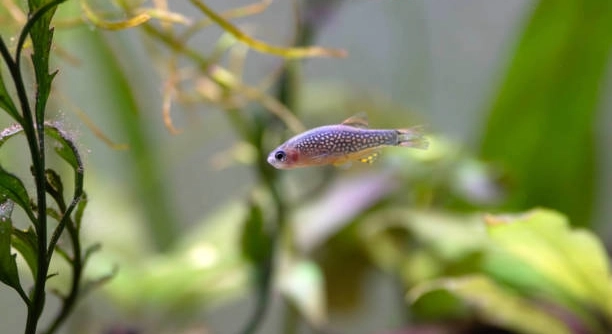
Do you enjoy keeping small, vibrant fish and want to see them thrive in your aquarium? Celestial Pearl Danios are delicate but rewarding, and conditioning them properly is essential for healthy spawning and active, lively behavior.
Conditioning Celestial Pearl Danios for spawning involves creating optimal water conditions, providing high-quality live or frozen foods, separating males and females briefly, gradually increasing temperature, maintaining a consistent light cycle, and monitoring their health and readiness closely.
Following these steps ensures your fish remain healthy, active, and ready for successful breeding in a well-maintained aquarium environment.
Understanding Celestial Pearl Danio Behavior
Celestial Pearl Danios are small, peaceful fish that prefer calm environments with plenty of hiding spots. They are naturally shy and can be stressed by sudden changes in their tank or aggressive tank mates. Observing their behavior closely helps you determine readiness for breeding. Males tend to develop brighter colors when preparing to spawn, while females appear fuller in the abdomen. Providing gentle water flow and consistent temperature reduces stress and encourages natural activity. These fish also enjoy planted tanks with smooth gravel and small caves, which mimic their natural habitat. Recognizing early signs of readiness, such as chasing behavior or increased activity, allows for proper timing when introducing spawning conditions. Maintaining stable water quality through regular monitoring of ammonia, nitrite, nitrate levels, and temperature consistency is crucial. Even minor fluctuations can disrupt their breeding instincts. Proper understanding of their habits ensures healthier fish and higher chances of successful spawning, while also keeping stress levels minimal and behavior predictable.
Focusing on their natural tendencies and observing daily behavior ensures you can adjust tank conditions for optimal breeding success.
Consistency in water temperature, gentle lighting, and minimal disturbances promotes spawning behavior. Monitoring daily allows for early adjustments if fish appear stressed or lethargic. Keeping the tank quiet and maintaining a structured feeding schedule also supports their natural rhythm, leading to healthier and more successful breeding outcomes.
Preparing the Tank for Spawning
The tank should be thoroughly cleaned and free from excess debris before attempting breeding. A separate breeding tank is ideal to protect eggs and fry from adult fish. Water parameters need to be closely monitored, with a slightly higher temperature and soft water often preferred for breeding. Adding fine-leaved plants or spawning mops gives fish suitable surfaces for egg laying. Reducing strong currents helps keep eggs safe and prevents them from being swept away. Adjusting lighting to a gentle cycle supports natural spawning rhythms. Introducing a few floating plants can also create shaded areas, making the fish feel secure. These environmental preparations mimic the natural conditions of their native habitats. Maintaining stable conditions over several days allows the fish to acclimate and encourages readiness to spawn. Clean, oxygen-rich water and careful attention to temperature consistency are critical.
Proper preparation of the tank creates an environment where Celestial Pearl Danios feel safe and comfortable, greatly increasing the chances of successful spawning. By carefully monitoring all elements, from water chemistry to plant placement, breeders can ensure that eggs are laid in ideal conditions, protected from stress or disruption. The goal is to create a stable, inviting space that promotes natural behavior. Close observation during this period allows for adjustments if fish display hesitation or aggression. Using a combination of planted areas, gentle filtration, and soft lighting enhances comfort and encourages pairing. Successful tank preparation reduces potential losses of eggs or fry and supports long-term fish health, making the breeding process more predictable and manageable. Over time, maintaining such conditions also establishes a pattern that the fish recognize, improving readiness in future breeding attempts and overall vitality in the aquarium.
Selecting and Conditioning Breeding Pairs
Choosing healthy, active fish is essential. Look for brightly colored males and females with rounded abdomens. Avoid stressed or weak individuals, as they are less likely to spawn successfully.
Once selected, separate males and females for a few days. Feed high-quality live or frozen foods to boost energy and improve health. Gradually increase water temperature to stimulate reproductive readiness. Regular observation helps ensure both fish are eating well and showing normal behavior. Conditioning them in this way maximizes the chance of successful mating, as both partners are strong, healthy, and more likely to engage in spawning behavior naturally.
Consistency is key. Feed multiple times a day in small portions, keep the tank stable, and monitor interactions. Males should display vibrant colors, and females should have a firm, full appearance. Avoid overcrowding to reduce stress. A calm, predictable routine encourages natural mating behavior and improves the overall health of the breeding pair, ensuring the process is smooth and successful.
Encouraging Spawning Behavior
Introduce the conditioned pair into the prepared breeding tank. Gentle water flow and soft lighting help create a secure environment. Observing interactions is important to ensure compatibility.
Males often chase females lightly as a natural courtship display. Provide fine-leaved plants or spawning mops for egg deposition. Avoid sudden movements or disturbances to maintain calm conditions. Regular feeding with high-protein foods continues to stimulate reproductive behavior. Monitoring water parameters daily is essential to prevent issues with egg development. Timing and patience are critical, as stress or sudden changes can halt spawning entirely. Proper setup and careful attention significantly increase the likelihood of successful egg-laying.
Maintain stability in temperature and light cycles while ensuring water is clean and oxygenated. Encourage males to show vibrant colors and natural chasing patterns. Females should remain healthy and full-bodied. Avoid interference during courtship to prevent stress. Adjust plant placement if needed to provide safe egg-laying surfaces. Watch for signs of readiness and intervene only if health concerns arise. By keeping conditions stable, fish exhibit natural mating behavior, which increases the number and quality of eggs produced. Careful observation and minor adjustments support a smooth spawning process, ensuring eggs are laid in safe, optimal locations for hatching success.
Monitoring Eggs and Fry
Check the breeding tank daily for eggs. They are tiny and usually attached to plants or spawning mops. Remove any unfertilized or fungus-infected eggs promptly to prevent contamination.
Maintain stable water conditions and gentle filtration. Oxygen-rich water is important for healthy development. Avoid disturbing the tank, as sudden movements or strong currents can damage the eggs or stress the parents.
Hatching and Early Fry Care
Celestial Pearl Danio eggs usually hatch within 3 to 5 days, depending on temperature. Once hatched, fry are tiny and require very fine foods like infusoria or commercially available liquid fry foods. Maintain stable, clean water, feeding small amounts multiple times daily to ensure proper growth.
Transitioning Fry to Larger Foods
As fry grow, gradually introduce freshly hatched brine shrimp or finely crushed flakes. Increase food quantity slowly, maintaining frequent, small feedings to prevent water pollution. Observe their growth and remove any uneaten food promptly to keep water quality high.
Maintaining Water Quality
Regular water changes are essential. Remove debris carefully and monitor ammonia, nitrite, and nitrate levels. Clean the tank gently, ensuring young fry remain safe.
How often should I feed Celestial Pearl Danio fry?
Fry require frequent, small feedings to support rapid growth. Initially, feed them very fine foods such as infusoria or liquid fry food four to six times daily. As they grow, you can transition to freshly hatched brine shrimp and finely crushed flakes. Avoid overfeeding, as uneaten food can quickly pollute the water and harm delicate fry. Maintaining a clean feeding routine ensures proper growth and development while reducing the risk of fungal infections or water quality issues.
What water conditions are ideal for breeding Celestial Pearl Danios?
Stable, clean water is critical for spawning and fry survival. Slightly soft water with a temperature around 78–80°F encourages egg-laying. Maintain neutral pH levels, minimal current, and adequate oxygenation. Frequent monitoring of ammonia, nitrite, and nitrate ensures water remains safe for both adults and fry. Avoid sudden water changes, as fluctuations in temperature or chemistry can stress the fish, reduce spawning success, or harm eggs. Plants or spawning mops should remain in place to provide secure egg-laying surfaces.
How can I tell if my pair is ready to spawn?
Males develop brighter, more intense coloration, while females appear fuller in the abdomen. Increased chasing behavior and gentle nudging of females by males are clear indicators of readiness. Active swimming around the tank and interest in plants or spawning mops also signal that they are prepared. Observation over several days allows you to confirm that both fish are healthy, eating well, and showing consistent behaviors associated with mating. Stress-free conditions are essential for accurate assessment.
What should I do if eggs become fungus-infected?
Remove infected eggs immediately to prevent spread to healthy ones. Using a weak antifungal solution or methylene blue can protect remaining eggs if needed. Ensure water quality remains high, as poor conditions often encourage fungal growth. Keeping the tank calm and free from disturbances helps reduce stress on the fish and lowers the likelihood of egg infections. Proper cleaning of the spawning tank after each cycle also prevents fungal buildup.
When can fry start eating larger foods?
Once fry are strong swimmers and have absorbed their yolk sacs, they can gradually transition to larger foods. Introduce finely crushed flakes or newly hatched brine shrimp in small amounts. Monitor their response, ensuring all fry can access food. Increase quantity gradually while maintaining frequent feedings. Avoid large, unmanageable foods that fry cannot consume, as this can lead to starvation for smaller fry and water pollution.
How do I prevent adult fish from eating their eggs?
Separating adults from eggs immediately after spawning is the most effective method. If using a dedicated breeding tank, remove adults once spawning is complete. Alternatively, provide dense plants or spawning mops to create hidden spaces for eggs. Quick removal reduces the risk of predation and ensures higher survival rates for fry. Consistent observation allows intervention before eggs are harmed.
How long does it take for Celestial Pearl Danio fry to reach juvenile stage?
Under optimal conditions, fry typically reach juvenile stage in about four to six weeks. During this period, maintain clean water, frequent feeding, and gentle filtration. Gradually introduce slightly larger foods as fry grow, while observing their health and development. Avoid overcrowding, as it can stunt growth and increase stress. Proper care during these weeks establishes strong, healthy fish prepared for eventual integration into community tanks.
Can I use tap water for the breeding tank?
Tap water can be used if properly treated to remove chlorine and chloramine. Conditioning the water with dechlorinators and adjusting pH and hardness ensures a safe environment. Frequent testing of parameters helps prevent harmful spikes in ammonia or nitrites. Consistency in water chemistry is more important than the source itself. A stable, clean environment is essential for both spawning adults and developing fry.
What is the best way to handle fry during tank maintenance?
Avoid disturbing fry directly. Use gentle water changes and siphoning around plants to remove debris without harming them. Frequent but careful observation ensures fry remain safe and healthy. Keeping filtration gentle and avoiding strong currents prevents accidental injury. Patience during maintenance reduces stress and promotes steady growth for all fry.
How can I encourage multiple spawning events?
Maintain consistent feeding with high-quality live or frozen foods. Keep water conditions stable and avoid disturbances. After one successful spawn, allow fish to rest and recover before reintroducing breeding conditions. Rotating plants or adding new spawning mops can also stimulate renewed interest. Healthy, unstressed adults are more likely to spawn repeatedly under these controlled conditions.
What should I do if fry growth is slow?
Check water quality, feeding schedule, and tank density. Poor conditions, overcrowding, or insufficient nutrition can stunt growth. Increase feeding frequency with appropriate foods, maintain clean water, and monitor temperature consistency. Separating weaker fry may also improve survival rates. Patience is key, as growth rates can vary naturally among fry.
How long should I keep the breeding pair separated before conditioning them again?
A separation period of a few days to a week allows fish to rest and rebuild energy reserves. During this time, continue feeding high-quality foods and monitor health closely. Gradual reintroduction under stable tank conditions maximizes the chances of successful subsequent spawning events.
Can temperature fluctuations trigger spawning?
Slight, controlled increases in water temperature can simulate natural seasonal changes, triggering reproductive behavior. Avoid rapid or extreme fluctuations, as these can stress the fish and reduce egg viability. Gradual adjustments combined with proper feeding and clean water conditions create optimal spawning cues.
How do I know if the eggs are fertilized?
Fertilized eggs appear clear or slightly translucent with a small developing embryo visible. Unfertilized eggs usually turn opaque or develop fungal growth. Monitoring closely within the first 24–48 hours allows for quick removal of unfertilized eggs, protecting the remaining healthy eggs and improving overall hatching success.
What is the best method to prevent water pollution from uneaten food?
Feed small amounts multiple times per day, observing consumption closely. Remove any leftovers promptly. Gentle filtration and regular partial water changes help maintain water quality. Avoid large, infrequent feedings, as uneaten food quickly decomposes and increases ammonia and nitrite levels, which are harmful to fry and eggs.
How important are plants in the breeding tank?
Plants provide safe surfaces for egg-laying and hiding spots for fry. Fine-leaved plants or spawning mops protect eggs from currents and stress. They also contribute to water quality by absorbing nitrates and providing oxygenation. A planted tank reduces stress and encourages natural behaviors, improving both spawning success and fry survival rates.
Can Celestial Pearl Danios spawn without a separate breeding tank?
It is possible, but success rates are lower due to adult predation on eggs and fry. Dense plants or spawning mops may offer some protection, but a dedicated breeding tank is strongly recommended for consistent results. Separation ensures safer conditions for both eggs and fry.
How do I handle fry overcrowding?
If fry numbers exceed the tank’s capacity, consider gentle thinning or transferring some to another tank. Overcrowding slows growth, increases stress, and raises the risk of disease. Maintain clean water, provide adequate food, and ensure each fry has space to swim freely to promote healthy development.
What is the ideal light cycle for spawning?
A consistent light cycle of 10–12 hours per day helps regulate natural rhythms and encourages reproductive behavior. Avoid sudden changes in lighting, which can stress adults or interfere with egg-laying. Combining proper lighting with stable temperature and feeding schedules maximizes spawning success.
How can I tell if fry are healthy?
Healthy fry are active, strong swimmers with clear eyes and no deformities. They feed eagerly and grow steadily. Dull coloration, lethargy, or slow growth indicates stress, poor water quality, or inadequate nutrition. Monitoring their development daily allows for early intervention to correct issues.
When should I move fry to the main tank?
Fry can be gradually introduced to the main tank once they are large enough to avoid being eaten by adult fish, usually after 6–8 weeks. Acclimate them slowly to match water conditions and ensure they are strong, healthy, and capable of competing for food.
How can I prevent fungal outbreaks in the breeding tank?
Maintain high water quality, remove uneaten food, and separate unfertilized eggs immediately. Gentle aeration and careful monitoring of temperature and cleanliness reduce fungal risks. Avoid overcrowding and sudden disturbances, which can stress fish and promote fungal growth. Regular tank maintenance is essential for a healthy breeding environment.
What is the survival rate for Celestial Pearl Danio fry?
Survival depends on water quality, feeding, and protection from stress or predation. Under optimal conditions, 70–90% of eggs may reach fry stage. Careful monitoring, proper nutrition, and a well-prepared tank significantly improve survival rates and support healthy, vigorous juveniles ready for growth.
How do I reduce stress during spawning?
Keep water stable, maintain gentle lighting, and avoid sudden movements or disturbances. Feed high-quality foods and provide hiding spots. Ensuring the tank is calm and predictable allows fish to focus on reproductive behavior without unnecessary stress, improving overall success rates.
What is the best feeding routine for adult breeders?
Feed small portions multiple times per day with high-protein live or frozen foods. Maintaining a consistent feeding schedule enhances energy levels, coloration, and reproductive readiness. Avoid overfeeding, which can reduce water quality and harm breeding success. Consistent nutrition supports overall health and encourages natural spawning behaviors.
How can I tell if fry are ready for larger foods?
Once fry actively swim and show interest in slightly larger particles, introduce finely crushed flakes or small live foods. Observe their ability to consume food successfully before gradually increasing size and quantity. This ensures proper nutrition and avoids starvation or water pollution.
How often should I perform water changes for fry?
Small, frequent water changes, about 10–20% daily, maintain clean water without stressing fry. Monitor parameters closely and avoid rapid changes. Gentle siphoning removes debris while keeping fry safe, promoting healthy growth and preventing ammonia or nitrite spikes.
Can I reuse breeding tank water for future spawns?
Reusing water is possible if it remains clean, well-oxygenated, and free from contaminants. However, fresh conditioned water is generally safer and reduces risks of disease or chemical buildup. Ensure proper testing and treatment before reuse.
How do I handle aggressive males?
Separate overly aggressive males if they stress females or cause injuries. Monitoring behavior is essential, as excessive chasing or nipping can harm reproductive success. Providing plants or hiding spots reduces conflict while allowing natural courtship without danger.
Is it necessary to remove plants after spawning?
Plants or spawning mops should remain until fry are free-swimming. They provide shelter and safe surfaces for egg-laying. Removal can be done carefully once fry are strong enough to survive in a less protected environment.
How do I identify weak or sick fry?
Weak fry may lag behind, appear thin, or show abnormal swimming patterns. Sick fry may display discoloration, swelling, or lethargy. Removing these individuals can prevent disease spread and increase survival rates of healthy fry. Regular observation is key.
What temperature range ensures the fastest egg development?
A stable range of 78–80°F promotes rapid development. Slight variations can be tolerated, but sudden changes can delay hatching or increase egg mortality. Consistency is more important than high temperatures.
How long do eggs take to hatch?
Celestial Pearl Danio eggs typically hatch within 3–5 days, depending on water temperature. Maintaining stable conditions ensures timely hatching and reduces the risk of fungal infection or developmental issues.
What are the most common mistakes when conditioning fish for spawning?
Overfeeding, unstable water, poor tank preparation, and stress from overcrowding or sudden changes are frequent errors. Ignoring behavioral signs or skipping separation periods also reduces success. Careful observation, stable conditions, and consistent feeding prevent these mistakes.
How can I improve egg survival?
Remove adults after spawning, maintain clean water, provide hiding surfaces, and separate unfertilized eggs. Regular monitoring and gentle care reduce stress, prevent disease, and increase hatching rates.
What is the recommended tank size for breeding?
A small, dedicated tank of 10–15 gallons is usually sufficient. It allows easy monitoring, maintains water quality, and provides space for plants or spawning mops. Larger tanks can work but require more maintenance.
How do I acclimate fry to a new tank?
Gradually adjust water temperature, pH, and chemistry by floating the fry container and slowly mixing tank water. Avoid sudden changes, as fry are delicate and sensitive to environmental shifts. Acclimation minimizes stress and ensures successful transition.
Can I breed Celestial Pearl Danios year-round?
Yes, with proper tank conditions, consistent temperature, and regular feeding. Controlled environments can simulate natural cues for multiple spawning cycles, provided fish remain healthy and unstressed.
How do I avoid overpopulation?
Monitor fry numbers, consider separating some to grow in another tank, and plan future breeding carefully. Controlling population ensures sufficient space, reduces stress, and maintains water quality.
What is the role of light in fry development?
Consistent light cycles help regulate natural rhythms, supporting feeding behavior and activity. Avoid intense or irregular lighting, which can stress fry. Gentle lighting promotes healthy growth and normal swimming patterns.
How long should I wait before attempting another spawn?
Allow adults at least a few days of rest after a successful spawn. During this time, maintain high-quality feeding and stable tank conditions. Gradual reintroduction maximizes chances of successful future breeding.
How can I tell if a breeding pair is compatible?
Compatible pairs show mutual interest, minimal aggression, and synchronized behavior. Healthy males and females interact without stress, chasing or nudging naturally. Observing daily allows for early intervention if signs of incompatibility appear.
What are the key signs of stress in adults during breeding?
Erratic swimming, loss of color, hiding excessively, or refusing food indicate stress. Addressing water quality, tank conditions, and minimizing disturbances can alleviate these issues. Stress reduction is essential for successful spawning.
What foods encourage vibrant coloration in breeding fish?
High-quality live or frozen foods, rich in protein and carotenoids, enhance male coloration. This improves mating displays and helps females identify healthy partners. Regular feeding supports overall health and reproductive success.
How do I manage tank maintenance during spawning?
Perform gentle water changes, remove debris carefully, and monitor water parameters. Avoid disturbing eggs or fry. Keeping a calm, clean environment supports healthy development while minimizing stress for both adults and offspring.
What is the ideal ratio of males to females?
A 2:1 male-to-female ratio is often recommended. It allows natural competition without excessive stress for females. Adjust ratios based on behavior and tank size to maintain balance and reduce aggression.
How can I increase hatching success rates?
Stable water, healthy adults, clean spawning surfaces, gentle filtration, and high-quality feeding are critical. Removing adults after spawning and monitoring for fungal growth further improves success. Attention to these details significantly boosts survival.
Can Celestial Pearl Danios spawn in community tanks?
Spawning is possible but riskier due to predation and stress. Eggs and fry are vulnerable to other fish. A separate breeding tank is recommended for consistent, safe results.
How do I handle sudden health issues during spawning?
Isolate affected individuals, maintain clean water, and provide appropriate nutrition. Monitor closely and adjust conditions to reduce stress. Prompt action helps prevent the spread of disease and preserves the health of remaining fish.
What is the best way to track fry growth?
Regular observation, noting size, activity, and coloration, allows early detection of issues. Keep a record of feeding and water changes to maintain consistent care and monitor developmental milestones effectively.
How do I reduce mortality in newly hatched fry?
Maintain gentle filtration, stable temperature, clean water, and provide fine foods. Avoid overcrowding, minimize disturbances, and remove unfertilized or infected eggs promptly. Consistency in care greatly reduces mortality rates and supports healthy growth.
Can environmental enrichment affect breeding success?
Yes, adding plants, hiding spots, and varied surfaces for egg-laying encourages natural behavior. Enrichment reduces stress, promotes interaction, and improves overall reproductive success.
How often should I test water parameters during breeding?
Daily testing of ammonia, nitrite, nitrate, pH, and temperature ensures safe conditions. Frequent monitoring allows quick correction of issues, protecting eggs, fry, and adults during the sensitive breeding period.
What is the role of temperature in egg development speed?
Higher, stable temperatures accelerate development, while cooler or fluctuating temperatures slow hatching. Maintaining a controlled range ensures consistent, healthy embryonic growth and reduces egg loss.
How do I prevent aggression in the breeding tank?
Provide hiding spots, maintain appropriate male-to-female ratios, and avoid overcrowding. Gentle observation ensures conflicts are addressed early, preventing injuries and stress that could reduce spawning success.
What is the optimal feeding schedule for fry transitioning to juveniles?
Feed small portions multiple times per day, gradually introducing larger foods. Maintain water quality and observe consumption. Gradual transitions support steady growth and reduce stress during dietary changes.
How do I manage leftover food in fry tanks?
Remove uneaten food promptly using a gentle siphon or net. Overfeeding leads to water quality deterioration, ammonia spikes, and fungal growth, all of which threaten fry health.
Can Celestial Pearl Danios spawn in low-light conditions?
While possible, moderate lighting simulates natural conditions and encourages normal behavior. Low-light environments may slow spawning activity or reduce egg-laying frequency.
How do I ensure high egg fertilization rates?
Use healthy, well-conditioned adults, stable water, adequate nutrition, and appropriate male-to-female ratios. Observing courtship behavior helps confirm successful fertilization. Proper preparation is essential for optimal results.
How can I reduce stress during water changes?
Perform small, frequent changes slowly, avoid strong currents, and maintain consistent water chemistry. Gradual adjustments help fry and adults remain calm, reducing the risk of stress-related issues.
What is the typical survival rate from egg to juvenile?
Under optimal conditions, survival can reach 70–90%. Factors such as water quality, nutrition, and protection from predation influence outcomes. Careful management ensures the highest possible survival rate.
How do I know when fry are ready to be introduced to a community tank?
Fry should be strong swimmers, large enough to avoid predation, and accustomed to feeding on standard flake or micro foods. Gradual acclimation to the new tank’s conditions ensures safe integration.
How do I maintain long-term health in breeding adults?
Provide high-quality, varied food, stable water conditions, and stress-free environments. Avoid overbreeding and allow recovery periods. Regular observation and consistent care support reproductive success and overall vitality.
What is the best way to remove adults after spawning?
Gently net and transfer them to a separate tank. Avoid sudden movements or strong currents to minimize stress. Ensuring the breeding tank remains calm protects eggs and fry.
**How do I prevent disease
Breeding Celestial Pearl Danios can be a very rewarding experience if approached with patience and attention to detail. These small fish require careful preparation, consistent care, and a stable environment to spawn successfully. Ensuring proper water conditions, providing high-quality foods, and setting up a suitable breeding tank are the foundations of a successful breeding process. Even small changes in temperature, pH, or water quality can influence the health and behavior of both adults and fry. Understanding their natural tendencies, such as the male’s display behavior and the female’s readiness indicated by a fuller abdomen, helps create the right conditions. Observing these signs allows timely action, whether that involves separating the pair, adjusting feeding routines, or preparing spawning surfaces. A well-prepared environment reduces stress, encourages natural behavior, and increases the chances of producing healthy eggs and fry.
Once eggs are laid, careful monitoring becomes critical. Eggs are delicate and can be affected by poor water quality, fungus, or adult predation. Removing unfertilized or infected eggs promptly protects healthy ones and ensures a higher hatching success rate. Gentle handling of the tank, maintaining oxygen-rich water, and providing hiding spaces through plants or spawning mops all contribute to a safe environment. Fry require frequent, small feedings with appropriate foods to support growth during their early stages. As they develop, gradually introducing larger foods while maintaining clean, stable water promotes healthy growth. Overcrowding, sudden changes, or inadequate nutrition can lead to stress or slower development, so consistent observation and adjustments are necessary. The early weeks of life are critical, and careful attention during this time lays the foundation for strong, resilient juveniles.
Long-term success in breeding Celestial Pearl Danios depends on maintaining the health of the adults as well as the fry. Regular water changes, careful monitoring of water parameters, and high-quality nutrition for adults keep them in optimal condition for repeated spawning. Allowing recovery periods between spawning events prevents exhaustion and reduces stress, which also protects overall health. Gradually integrating fry into larger tanks or community setups should be done with patience, ensuring they are strong enough to avoid predation and compete for food. Over time, a consistent routine of care, monitoring, and observation builds a pattern that both adults and fry can adapt to, promoting natural behavior and continued reproductive success. Patience, attention, and careful management create a healthy, thriving environment, allowing both fish and breeder to achieve successful outcomes without unnecessary stress or complications. A methodical approach ensures the process remains manageable while producing healthy, vibrant fish ready for future breeding or display in the aquarium.

Hello,
If you enjoy the content that we create, please consider saying a "Thank You!" by leaving a tip.
Every little bit helps us continue crafting quality advice that supports the health, happiness, and well-being of pets around the world, for pets of all shapes, sizes, and species.
We really appreciate the kindness and support that you show us!