
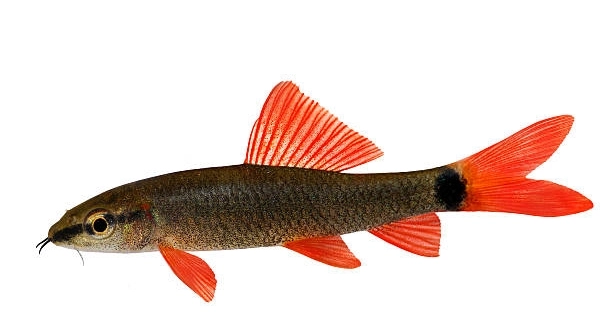
Is your rainbow shark hiding more than swimming, making it hard to enjoy their presence in your aquarium? These shy behaviors can be frustrating, especially when you’ve created a vibrant tank just for them.
Rainbow sharks often appear timid due to environmental stress, lack of hiding spots, improper tank mates, or insufficient space. Addressing these factors by improving tank conditions and adjusting social dynamics can significantly reduce their shyness and boost activity.
Understanding these key points will help you create a more comfortable home where your rainbow shark feels safe, seen, and secure.
Provide More Hiding Spaces
Rainbow sharks feel safest when they have places to retreat. Without enough cover, they often become stressed and hide constantly. Adding caves, driftwood, and dense plants gives them options for security while also allowing them to control their territory. These fish are naturally territorial and need well-defined boundaries to feel safe. You don’t have to overcrowd the tank—just make sure there are a few solid shelters spaced throughout. Artificial caves work well, but real rocks or stacked decorations also provide effective cover. Avoid transparent or flimsy items; they won’t help your shark feel protected. Also, place some of the shelters away from heavy traffic or strong water flow. This gives them quiet spots where they can retreat. When your rainbow shark has reliable places to hide, you’ll likely see them become braver and more active during feeding or exploration.
Hiding spaces do more than offer shelter—they help reduce stress and aggression in rainbow sharks significantly.
A balanced layout also prevents constant chasing, as the shark can mark certain areas as its own without dominating the entire tank. This is key in easing their anxiety.
Choose Compatible Tank Mates
Avoid housing rainbow sharks with other bottom dwellers or fish of similar shape and size. These combinations often cause conflict and intimidation.
For best results, choose mid-to-top-level swimmers that are peaceful and fast. Species like danios, barbs (not tiger barbs), and rasboras are good choices. These fish stay out of the shark’s territory and reduce the chance of confrontation. If your tank has more than one rainbow shark, aggression can skyrocket. They are best kept alone unless the tank is very large—over 100 gallons—with plenty of visual breaks. Try to avoid slow swimmers or fish with long fins, as rainbow sharks may nip at them. If you notice one fish constantly hiding or being chased, reassess your stocking. A peaceful tank makes it easier for your rainbow shark to relax and become more confident. Choose tank mates that give space and aren’t territorial. This helps everyone feel secure and active.
Keep Lighting Soft and Natural
Bright lights can make rainbow sharks feel exposed and uneasy. Dim lighting or shaded areas help reduce stress and make them feel more secure. A softer setup can encourage them to explore rather than hide.
Use floating plants or tall decorations to filter light and create gentle shading throughout the tank. You don’t need to keep the tank dark—just aim for a balance between visibility and comfort. Position your tank away from direct sunlight and avoid bright overhead lighting. If your aquarium light is too strong, consider switching to adjustable LED options with dimming settings. Set a consistent light cycle—usually 8 to 10 hours a day—to give your fish a predictable environment. Rainbow sharks adjust better when conditions remain steady. Over time, you may notice your shark coming out more during the day if the lighting feels safe and familiar.
Stress caused by harsh lighting often goes unnoticed but can affect behavior over time. When the tank is too exposed, rainbow sharks tend to stay hidden in shadows or under decorations. A softer, more natural setting makes a big difference. Add patches of dimness using decorations and background plants, which allow the shark to move more freely without feeling too vulnerable. Small changes here can improve confidence quickly.
Minimize Sudden Movements Near the Tank
Rainbow sharks are sensitive to sudden activity outside their tank, especially quick hand movements or unexpected shadows. Too much stimulation from the outside can cause them to retreat and stay hidden. Reducing this helps them stay calm.
Try to limit how often you tap on the glass, reach in suddenly, or move decorations without warning. If your tank is in a high-traffic area of your home, consider placing it where movement is less frequent. Using a background film on one or more sides of the tank can also help block out some distractions. Over time, your shark will learn what is normal in its environment. Avoid loud noises or quick feeding routines that might startle them. The more predictable your behavior around the tank, the more secure your fish will feel. Simple changes in how you interact with the aquarium can lead to a noticeable improvement in your shark’s confidence.
Feed at the Same Time Each Day
A consistent feeding schedule helps rainbow sharks feel secure. Random feeding times can increase nervous behavior. Regular routines tell them when to expect food, making them more comfortable and active during feeding.
Use the same method and feeding spot each time. This builds familiarity and reduces hesitation.
Keep Water Parameters Stable
Rainbow sharks are sensitive to changes in water conditions. Sudden shifts in temperature, pH, or ammonia levels can make them feel stressed and unsafe. Always monitor your tank with reliable testing tools and aim to keep parameters within their preferred range. Do partial water changes weekly, and avoid over-cleaning all decorations at once—this preserves beneficial bacteria. If you’re adding water, match the temperature closely to prevent shock. Keep filters running smoothly and avoid overcrowding, as that affects oxygen levels. Consistent, clean water is essential for keeping your shark calm and healthy. A stable environment leads to more predictable, confident behavior in the tank.
Avoid Overcrowding the Tank
Too many fish in the tank can increase competition and stress. Rainbow sharks need room to swim and claim space without constant interaction. A crowded tank often makes them retreat and hide more.
How can I tell if my rainbow shark is stressed or just shy?
Shy behavior often means your rainbow shark hides a lot and avoids swimming in open areas. Stress signs include loss of appetite, rapid gill movement, or erratic swimming. If your shark is consistently hiding and not eating well, it’s likely stressed rather than just naturally timid.
What tank size is best to reduce shyness in rainbow sharks?
A minimum of 55 gallons is recommended for a single rainbow shark. Larger tanks provide more space to establish territory and reduce conflict with other fish. Crowded tanks increase stress and make your shark more likely to hide.
Can I keep multiple rainbow sharks together?
Multiple rainbow sharks can be aggressive toward each other, especially in small tanks. If you want more than one, a tank over 100 gallons with many hiding spots and visual barriers is necessary to reduce territorial disputes.
What water parameters do rainbow sharks need to feel comfortable?
They thrive in temperatures between 72–79°F, pH around 6.5–7.5, and low ammonia or nitrate levels. Stable water quality is key, so test regularly and maintain good filtration. Sudden changes make them nervous and less active.
Is it okay to feed rainbow sharks flake food?
Flake food can be part of their diet, but rainbow sharks prefer sinking pellets or wafers. These better match their bottom-dwelling habits. Offering variety, including live or frozen foods like bloodworms or brine shrimp, encourages natural foraging behavior and increases activity.
How often should I clean the tank to keep my rainbow shark happy?
Regular partial water changes, about 25% weekly, help keep water clean without disturbing beneficial bacteria. Avoid deep cleaning the entire tank or decorations at once, as this can upset water chemistry and stress your fish.
Why does my rainbow shark hide more after adding new tank mates?
New fish can change the tank’s social balance and cause your shark to feel threatened. Introducing tank mates slowly and choosing peaceful, non-competitive species helps minimize stress and encourages your shark to come out more.
What plants are best to help my rainbow shark feel secure?
Dense, broad-leafed plants like Anubias, Java fern, and Amazon sword provide good cover and shade. Floating plants also help diffuse light and create shaded areas, making the tank feel safer.
Can dim lighting really affect my rainbow shark’s behavior?
Yes. Bright, harsh lighting makes rainbow sharks feel exposed and vulnerable, encouraging them to hide. Dim or filtered lighting creates a calm environment where they feel safer and more willing to explore.
Is it normal for rainbow sharks to be shy at first?
Yes, rainbow sharks can take time to adjust to new surroundings. They often stay hidden for days or weeks as they settle. With patience and proper tank setup, most will gradually become more confident and active.
Creating a comfortable environment for your rainbow shark is essential to help reduce its timid behavior. Many factors contribute to how your fish feels in its tank, including hiding spots, compatible tank mates, and stable water conditions. When these needs are met, your rainbow shark will be less stressed and more willing to explore its surroundings. It is important to provide enough space and shelter, so your fish can retreat when it feels threatened. Offering a calm, steady environment with consistent feeding and gentle lighting will also make a big difference in helping your rainbow shark feel secure.
Patience is key when working with a shy rainbow shark. These fish naturally take time to adjust to new environments, and pushing them too quickly can increase their anxiety. By slowly making improvements in their habitat and monitoring their behavior, you will notice gradual changes. Avoid sudden movements or loud noises near the tank, and try to keep a regular schedule for feeding and maintenance. Over time, these small adjustments will help your rainbow shark build trust and confidence in its space. Remember that every fish is unique, so what works quickly for one may take longer for another.
Overall, reducing your rainbow shark’s timidity is about creating a balance between comfort and security. Providing a well-maintained tank with proper hiding areas and compatible companions will encourage natural behaviors. Keeping water parameters stable and avoiding overcrowding prevents stress and promotes health. When your rainbow shark feels safe, it will display more active and engaging behavior, making your aquarium a more enjoyable experience. Taking these steps shows care and understanding, which leads to a happier and less shy fish in the long run.

Hello,
If you enjoy the content that we create, please consider saying a "Thank You!" by leaving a tip.
Every little bit helps us continue crafting quality advice that supports the health, happiness, and well-being of pets around the world, for pets of all shapes, sizes, and species.
We really appreciate the kindness and support that you show us!