
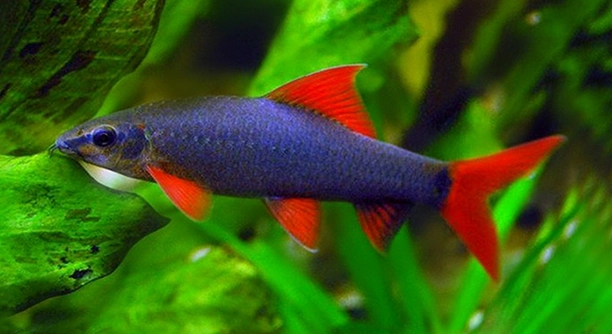
Do you ever find yourself worried that you’re feeding your rainbow shark too much, unsure of how much is truly enough?
Overfeeding a rainbow shark can lead to health issues and poor water quality. To prevent this, feed them small portions once or twice daily, remove uneaten food promptly, and follow a consistent feeding schedule.
Learning the right feeding habits helps maintain a healthy, active rainbow shark and keeps your aquarium environment clean and balanced.
Tip 1: Stick to a Feeding Schedule
Feeding your rainbow shark at the same time each day helps avoid overfeeding. This fish thrives on routine and will adjust to a consistent schedule. Feeding once or twice daily is enough. A few small pellets or flakes per feeding will meet its needs. If you feed more than that, uneaten food will sink, rot, and pollute the tank. Over time, this can harm the fish and cause ammonia spikes. Establish a specific time, like morning or early evening, and stick to it. Your fish will recognize the pattern and wait for its meals instead of appearing constantly hungry.
Consistency matters more than variety. A feeding schedule helps your fish stay healthy and makes tank maintenance easier.
When you feed your rainbow shark at regular times, it also becomes easier to monitor changes in its appetite or behavior. Skipping meals or acting sluggish can signal stress or illness, helping you respond quickly if something is wrong.
Tip 2: Use the Right Food Amount
Rainbow sharks don’t need a lot of food. A pinch of flakes or two small sinking pellets is usually enough for each meal.
Avoid guessing how much food your fish needs. A good rule is to feed only what the shark can eat within two minutes. If food remains after that time, you’re likely overfeeding. Uneaten food breaks down in the water and leads to unhealthy conditions. You can also try pre-measured feeding tools or use your fingers to consistently portion the food. Pay attention to how your rainbow shark eats. A healthy appetite followed by no leftover food is a positive sign.
Make small adjustments if you see food leftover often. Reduce the amount gradually until everything is eaten within the right time frame. If your rainbow shark eats too quickly and seems to beg for more, stay firm. These fish can appear hungry even when they’re full, so stick to the limit. Overfeeding doesn’t show care—it can shorten their lifespan. Watching your fish’s feeding behavior is the best guide for determining the correct amount.
Tip 3: Remove Uneaten Food Quickly
Leaving uneaten food in the tank can harm water quality and stress your rainbow shark. Scoop it out within five minutes after feeding to keep the tank clean and reduce the risk of digestive issues or cloudy water.
Rotting food increases ammonia and nitrite levels, which can be dangerous for fish. This buildup can irritate your rainbow shark’s gills, lower oxygen levels, and promote harmful bacteria. Using a small net or siphon helps remove leftovers fast without disturbing the fish. Make it part of your routine every time you feed. This habit also helps you observe how much your fish eats. If food is always left behind, you may be offering too much. Small, consistent meals are better than one large feeding. Keeping the tank clean supports your fish’s immune system and reduces the need for frequent water changes or medications.
When food is left to decompose, it also affects the filter, which works harder and wears down faster. By removing uneaten food, you avoid clogging the filter with debris, keeping it running smoothly. This also helps you save time during weekly maintenance and keeps the tank’s appearance fresh. Paying attention to these small details keeps your rainbow shark healthier in the long run.
Tip 4: Feed a Balanced Diet
Feeding a variety of food keeps your rainbow shark healthy without needing to feed more. Use quality flakes, sinking pellets, and occasional treats like blanched vegetables or bloodworms. Each type of food supports different needs and helps avoid boredom or nutritional gaps.
A balanced diet doesn’t mean more food—it means better food. Choose foods that are rich in protein and fiber. Pellets should make up the base, with occasional treats added once or twice a week. Overdoing treats can lead to overfeeding, even if your shark seems eager. Also, vary the vegetables with care. Blanched zucchini or peas are good options, but too much can lead to bloating. Pay attention to your fish’s reactions after introducing something new. If it eats well and stays active, the food is likely working well. Keeping variety within limits keeps your rainbow shark healthy without encouraging overfeeding.
Changing up the diet also keeps the fish mentally stimulated. Rainbow sharks are active swimmers, and feeding time is often their most engaging moment of the day. Providing different textures and flavors adds stimulation without the need to feed more. Rotate food types instead of adding extra, and your fish will stay satisfied and in good shape.
Tip 5: Avoid Feeding Out of Guilt
Rainbow sharks may follow your hand or swim around quickly when you pass by. This behavior can seem like begging, but it doesn’t always mean they’re hungry. Feeding them every time they act this way can quickly lead to overfeeding.
Stick to your routine and portion size, even if your shark appears eager. Extra feedings cause more harm than good. Trust your schedule and monitor their health through behavior, not begging.
Tip 6: Use Feeding Tools if Needed
Using feeding tools helps you stay consistent. Measuring spoons or feeding rings can prevent accidental overfeeding and keep portions controlled. Feeding rings also keep food in one area, making it easier to remove leftovers. If multiple people feed your fish, these tools help maintain consistency. Avoid scooping food directly from the container each time, as it can lead to giving too much. Instead, pre-measure portions and store them separately if possible. Feeding tools are especially useful when you’re busy or letting someone else handle the task. They help create good habits and reduce waste, keeping both your fish and water cleaner.
Tip 7: Observe Your Fish After Feeding
Watch how your rainbow shark behaves after each meal. A healthy fish will swim actively and show no signs of bloating. This simple habit can help you adjust feedings if needed.
FAQ
How often should I feed my rainbow shark?
Feeding your rainbow shark once or twice a day is enough. The portions should be small, just what it can finish in two minutes. Overfeeding can harm your fish and water quality. Keeping a consistent schedule helps your fish know when to expect food and keeps its system balanced.
Can rainbow sharks eat vegetables?
Yes, rainbow sharks can eat blanched vegetables like zucchini, spinach, or shelled peas. These should be offered in small amounts, about once a week, as a treat. Always remove leftovers after a few minutes to keep the tank clean and avoid any water contamination.
What signs show I’m overfeeding my rainbow shark?
If food often remains uneaten after two or three minutes, or if the fish appears bloated or sluggish, you might be overfeeding. Dirty water, cloudy appearance, or high ammonia levels are also strong signs. Reduce portions and monitor behavior closely.
Do rainbow sharks always act hungry?
Yes, rainbow sharks are active and may appear to be begging or searching for food throughout the day. However, this is natural behavior and not always a sign of hunger. Stick to your feeding schedule and avoid giving in to begging behavior.
Is it okay to skip a feeding?
Skipping a feeding occasionally is fine and even healthy. It gives your fish’s digestive system a break. If you’re away for a day or two, your rainbow shark will be okay without food. Just return to the regular feeding schedule when you’re back.
Should I feed my rainbow shark floating or sinking food?
Sinking pellets or wafers are best for rainbow sharks because they spend most of their time near the bottom of the tank. Floating flakes can work too, but only in small amounts. Use a mix, if needed, to keep the fish interested and healthy.
Can I feed treats like bloodworms regularly?
Treats like bloodworms or brine shrimp are okay once or twice a week in small portions. These should never replace the main diet. Overfeeding with treats can cause bloating and water quality issues. Use them for variety, not as a regular meal.
How do I prevent overfeeding when someone else feeds my fish?
Pre-measure portions and label them clearly. Leave written instructions about how much and when to feed. If possible, use feeding tools like rings or spoons. This keeps things consistent and reduces the chances of others overfeeding by mistake.
Why is leftover food dangerous for my fish?
Leftover food breaks down and releases waste into the water, which can increase ammonia and nitrites. These changes stress your rainbow shark and can make it sick. Uneaten food can also clog filters and make the tank smell or appear dirty.
What happens if I overfeed my rainbow shark regularly?
Overfeeding can cause serious problems like bloating, fatty liver, or constipation in your fish. It also worsens water quality, putting extra stress on your filtration system. Over time, this lowers your fish’s lifespan and makes the tank harder to maintain.
Can I use an automatic feeder for rainbow sharks?
Yes, automatic feeders are helpful for keeping feeding consistent, especially when you’re away. Set it to release a small, measured portion once or twice daily. Make sure the food used is suitable for your rainbow shark and check that the device works properly.
How do I know if my rainbow shark is healthy after feeding?
A healthy rainbow shark swims actively, shows bright coloration, and doesn’t have a swollen belly. It should explore the tank and respond to movement near the glass. If it hides, floats oddly, or stops eating, there may be a problem with its diet or water.
Final Thoughts
Feeding your rainbow shark the right way is important for its health and the cleanliness of your tank. Overfeeding is a common problem, but it can be avoided with a few simple habits. Feeding on a set schedule, using the right amount of food, and removing leftovers are key steps. It may take a little time to figure out what works best, but staying consistent will help your fish stay healthy and active. Your rainbow shark does not need a lot of food to thrive—just the right kind, given in the right amount.
Watching your fish after each meal is just as important as the feeding itself. Pay attention to how it behaves and looks. If it swims normally, looks alert, and finishes its food quickly, things are likely going well. If it seems bloated, tired, or leaves food behind, you may need to adjust your feeding. These small signs can help you catch issues early before they become serious. Keep your feeding routine simple, and don’t let your shark’s active behavior trick you into feeding more than necessary.
Caring for a rainbow shark is not hard when you follow clear steps. Using feeding tools, choosing a balanced diet, and avoiding emotional feeding can all help prevent overfeeding. These fish are hardy and can live a long time in a well-maintained tank. By managing food properly, you reduce the chances of illness, water problems, and stress for both your fish and yourself. Taking a little extra care during feeding time can go a long way in keeping your tank safe and your rainbow shark happy.

Hello,
If you enjoy the content that we create, please consider saying a "Thank You!" by leaving a tip.
Every little bit helps us continue crafting quality advice that supports the health, happiness, and well-being of pets around the world, for pets of all shapes, sizes, and species.
We really appreciate the kindness and support that you show us!