
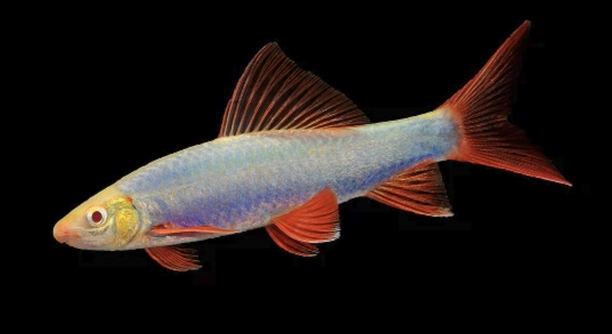
Is your rainbow shark chasing tankmates and causing stress in your aquarium, even though you’ve tried everything to calm it down?
The most effective way to reduce aggression in rainbow sharks is by optimizing their environment. Providing ample space, hiding spots, proper tank mates, and maintaining water quality significantly lowers territorial behavior and improves overall temperament.
Each method is simple to apply and helps create a more peaceful tank for your rainbow shark and its companions.
Provide Adequate Hiding Spots
I noticed my rainbow shark would chase other fish whenever it had no place to retreat. Adding caves, PVC pipes, and dense plants gave it private areas to claim. When the shark disappeared into a hollow decoration, its aggression dropped noticeably. Natural-looking hiding spots also help break line of sight and reduce territorial displays. It is important to scatter hiding places across different tank zones, avoiding overcrowding but ensuring at least three secure retreats. Using smooth stones or ceramic ornaments prevents injury, and anchoring plants properly keeps caves from collapsing. Observing the shark explore its new shelters felt rewarding, especially when it seemed calmer and less aggressive during feeding times. Consistent hiding options support long-term peace, offering a sense of security without disrupting swimming space or creating dead zones in the aquarium. Simple additions like driftwood arches and leaf litter patches further enrich the environment and invite natural behavior patterns.
I also found that offering multiple shelters stopped aggressive displays during feeding. When I scattered caves near both ends of the tank, my rainbow shark seemed less focused on guarding a single spot. The varied shelters kept the shark engaged and distracted from other fish, lowering stress for everyone daily.
Setting up hiding spots does require trial and error. I spent a weekend arranging different materials and observing how my rainbow shark reacted. Some tunnels were too narrow, causing hesitation. Others were too exposed, offering no real cover. Finding a balance between size and concealment is key. After testing various combinations, I achieved a setup where the shark used at least one shelter every day. Watching it slip into a safe spot reassured me that aggression would ease over time. This approach works without altering water chemistry or feeding routines, making it a practical solution for any home aquarium owner.
Maintain Proper Tank Size
Growing up with a small tank taught me the importance of space for rainbow sharks. With only twenty gallons, my shark was always on edge. Upgrading to a thirty-five gallon tank gave room to explore. More swimming area reduced territorial clashes and improved its mood over the first few days.
When the tank is too small, rainbow sharks feel confined and pressured to protect every inch. Experts suggest at least forty gallons for one adult shark, with extra space for any additional fish. A larger footprint helps break up visual boundaries and discourages constant patrolling behaviors. I replaced my cramped ten gallon hobbit style with a sprawling forty gallon rectangle. The shark’s activity changed dramatically. It no longer rushed toward the glass or lunged at passing guppies. Instead it cruised leisurely, patrolling only one side before drifting away. To optimize space, keep decorations low and along the edges, leaving the center open for swimming. Curved shapes work better than square blocks, guiding water flow while preventing tight retreats. This setup promotes natural movement patterns and lowers stress. Always measure your tank’s usable area before adding a shark. Matching fish quantity to capacity fosters harmony and ensures each individual has room to thrive. Remember, space is a simple and powerful tool to curb aggression without complex equipment or treatments. You can test layouts by moving ornaments before securing them; observing shark behavior in each zone regularly helps optimize placement and maintain stimulation without overcrowding, making the setup adaptable and truly engaging.
Choose Tank Mates Carefully
When I added peaceful bottom dwellers like corydoras and avoided other semi-aggressive fish, my rainbow shark calmed down quickly. Avoiding similar-shaped or colorful fish helped reduce fights. Choosing the right mix of tank mates really made a difference in behavior.
Rainbow sharks can be very territorial with fish that resemble them in shape, color, or swimming habits. I once tried keeping mine with a red-tailed shark, and it was a disaster—constant chasing and stress. Switching to non-aggressive species that stay in different tank zones reduced conflicts. Look for fish that don’t compete for the same space. Mid-swimming tetras or top-dwelling danios worked well. Avoid slow-moving or long-finned species like angelfish, as they can be easy targets. Keeping a well-balanced group that occupies separate zones kept aggression in check. Observing interactions before fully stocking the tank helps you spot and remove problematic pairings early, before serious harm occurs.
Tank mate selection affects the entire aquarium’s mood. I once made the mistake of mixing too many territorial fish together, thinking they’d adjust. The tank became chaotic, and the rainbow shark acted stressed and aggressive. After carefully restocking with calm, fast swimmers that didn’t linger near the shark’s space, everything improved. Compatibility isn’t just about species—it’s about behavior, speed, and space usage. Avoid other bottom-dwelling territorial fish and stick to groups of small schooling fish that distract and redirect focus. Monitor interactions closely during the first week and adjust if necessary. A peaceful tank allows your rainbow shark to settle, patrol calmly, and reduce unnecessary confrontations.
Adjust Lighting and Decor
Bright lighting kept my shark restless and edgy. I switched to a dimmer light schedule and added plants to block glare. After that, the shark started moving more slowly and seemed less agitated during the day, especially near the tank’s edges.
Rainbow sharks prefer environments with subdued lighting and shaded spots. Too much brightness can increase anxiety and trigger territorial behaviors. I used floating plants like water lettuce to diffuse the light naturally. Artificial caves or driftwood arches also helped create shadows where the shark could retreat. Rearranging the decor created new boundaries and distracted the shark from guarding one single area. I noticed it explored more and stopped chasing other fish constantly. Keep the decor balanced—clutter can cause stress too. Test different light levels and monitor how the shark responds. Subtle changes in light and decoration placement can have a strong impact on aggression and daily tank behavior.
Feed at the Right Times
Feeding my rainbow shark before the lights come on reduced aggression. It focused on the food instead of chasing tank mates. This small change made a big difference in how calm the aquarium felt afterward.
I also noticed aggression increased when feeding times were inconsistent. A regular routine helped manage its energy.
Keep Water Conditions Stable
Poor water quality made my rainbow shark more territorial and restless. I began testing water twice a week, keeping ammonia and nitrites at zero and nitrates under 20 ppm. Regular 25% water changes, proper filtration, and stable temperature between 75–81°F helped the shark feel more secure. Avoid sudden changes or overfeeding.
Limit Disruptions in the Tank
Any time I moved decorations or added new fish suddenly, my rainbow shark became defensive. Keeping changes small and gradual helped it adjust better without showing signs of stress or aggression.
FAQ
Why is my rainbow shark so aggressive all the time?
Rainbow sharks are naturally territorial, especially in confined spaces. Aggression often occurs when they feel their space is threatened or when the tank is overcrowded. Stress from poor water conditions or lack of hiding spots can also increase aggressive behavior. Ensuring proper tank size, peaceful tank mates, and stable water parameters usually helps reduce constant aggression.
Can adding more fish help reduce aggression in my rainbow shark?
Adding more fish can sometimes distract a rainbow shark, but overcrowding often makes aggression worse. It’s better to choose compatible, peaceful species and keep the tank size appropriate. Too many fish competing for space or food can increase stress and territorial fights, so quality over quantity matters most.
How often should I feed my rainbow shark to keep it calm?
Feeding once or twice daily at consistent times works best. Overfeeding can pollute the water and cause stress, while irregular feeding might make the shark more aggressive around feeding times. Feeding shortly before lights come on or right after is ideal to help focus energy on food instead of chasing.
What tank size is suitable for one rainbow shark?
A minimum of 40 gallons is recommended for one adult rainbow shark. Larger tanks provide enough swimming space and reduce territorial disputes. If you plan to keep multiple fish, increase tank size accordingly. Small tanks cause stress and increase aggressive behavior.
Are there specific tank mates that should be avoided?
Avoid other bottom-dwelling or similar-shaped fish like other sharks or loaches, as they compete for territory. Long-finned or slow-moving fish such as angelfish can become targets. Peaceful mid- or top-swimming schooling fish are generally better companions.
Will aggressive behavior decrease over time as the shark gets used to the tank?
Some rainbow sharks settle down after a few weeks in a stable, well-maintained environment with enough space and hiding spots. However, aggression is part of their natural behavior, so it may never disappear completely. Managing the environment is key to minimizing conflicts.
Does lighting affect rainbow shark aggression?
Yes, bright or harsh lighting can increase stress and territorial behavior. Using dimmer lights or floating plants to create shaded areas helps the shark feel more secure and calm.
How important is water quality for controlling aggression?
Water quality is very important. Poor water conditions increase stress, which often leads to aggressive behavior. Regular testing, partial water changes, and proper filtration help keep your rainbow shark healthy and less aggressive.
Can rearranging tank decor reduce aggression?
Rearranging decorations can break established territories and reduce aggressive guarding of a single area. Adding new hiding spots and changing boundaries encourages exploration and distracts the shark from chasing other fish.
Is it safe to keep more than one rainbow shark in the same tank?
Multiple rainbow sharks can be kept together in very large tanks with plenty of space and hiding places. In smaller tanks, they tend to become highly territorial and aggressive toward each other, which can lead to injury or stress.
What signs show my rainbow shark is too aggressive?
Look for chasing, nipping, damaged fins on tank mates, or constant patrolling of one area. If other fish hide often or seem stressed, your shark’s aggression may be too high. Early intervention can prevent injuries or death.
Can diet influence aggression in rainbow sharks?
A balanced diet reduces stress and improves overall health, which can lower aggression. Avoid overfeeding or feeding poor-quality food. Supplement flakes or pellets with occasional live or frozen foods for variety.
How do hiding spots help reduce aggression?
Hiding spots give your rainbow shark secure places to rest and feel safe. When the shark has a refuge, it is less likely to chase or attack tank mates because it doesn’t feel threatened or need to defend territory constantly.
Should I isolate my rainbow shark if it gets aggressive?
Isolating can be a temporary solution if aggression causes injury, but long-term isolation is not ideal. Focus on improving tank conditions and environment first. Only use isolation tanks as a last resort or during healing periods.
How often should I check the tank for aggression issues?
Daily observation during feeding and regular activity is best. Early signs of aggression can be addressed quickly by adjusting environment, feeding, or tank mates before problems escalate.
Can stress from new environments cause aggression in rainbow sharks?
Yes, new tanks, sudden changes, or poor acclimation increase stress and aggression. Gradual introductions, stable water conditions, and proper acclimation procedures help reduce this initial aggressive phase.
Creating a peaceful environment for your rainbow shark takes patience and attention to detail. Aggression is often a sign that the fish feels stressed or threatened in some way. By providing enough space, hiding places, and suitable tank mates, you can help your shark feel more secure and less likely to act aggressively. Maintaining stable water conditions and a consistent feeding schedule also play a big role in keeping your fish calm. Each small change contributes to a more balanced aquarium where all fish can coexist peacefully.
It’s important to remember that rainbow sharks have natural territorial instincts. Some level of aggression is normal and expected, but it should not cause harm to other fish or constant stress. Watching your fish regularly allows you to spot early signs of trouble and make adjustments before problems escalate. Rearranging tank decor, controlling lighting, and monitoring water quality are simple yet effective ways to reduce tension in the tank. Taking the time to observe your shark’s behavior will help you understand its needs better and create a more comfortable environment.
Finally, making these changes does not require expensive equipment or complicated techniques. Most solutions involve basic aquarium care practices that benefit all your fish, not just the rainbow shark. Whether it’s adding a few more hiding spots or upgrading to a larger tank, these steps improve the overall health and happiness of your aquatic community. By focusing on creating a stable, spacious, and calm environment, you will see your rainbow shark become less aggressive and more enjoyable to watch over time.

Hello,
If you enjoy the content that we create, please consider saying a "Thank You!" by leaving a tip.
Every little bit helps us continue crafting quality advice that supports the health, happiness, and well-being of pets around the world, for pets of all shapes, sizes, and species.
We really appreciate the kindness and support that you show us!