
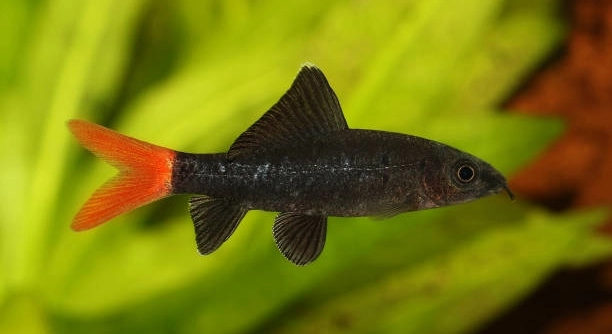
Rainbow shark tanks are popular for their lively fish and striking colors. Many aquarium owners enjoy watching these active swimmers, but sometimes the tank environment can feel dull or stressful for the fish. Proper care can make the experience more rewarding.
To make your rainbow shark tank more enjoyable, focus on maintaining clean water, providing enough space, and offering a balanced diet. These steps create a healthy habitat that reduces stress and encourages natural behavior, improving both fish welfare and tank aesthetics.
Small changes in tank setup and care routines can greatly enhance your experience. The following tips will guide you to create a better environment for your rainbow sharks.
Choosing the Right Tank Size
A suitable tank size is essential for rainbow sharks to thrive. These fish are active swimmers that need space to move freely. A minimum tank size of 30 gallons is recommended for one rainbow shark. Larger tanks help reduce territorial behavior and aggression, especially if you plan to keep multiple fish. Proper space also supports stable water conditions, making maintenance easier. Overcrowding can lead to stress, illness, and poor water quality, all of which negatively affect the fish’s health. Providing enough room creates a comfortable environment that encourages natural behaviors and vibrant colors.
Having a tank larger than the minimum size reduces conflicts between rainbow sharks and improves their overall wellbeing.
Placing decorations like rocks and plants helps create hiding spots, giving the fish security. Keep the layout simple to allow free swimming space. A well-planned tank size and design lead to a more peaceful and lively aquarium.
Maintaining Water Quality
Water quality directly impacts the health of rainbow sharks. Regular water testing is necessary to monitor ammonia, nitrite, nitrate, and pH levels. These fish prefer slightly acidic to neutral water with a pH between 6.5 and 7.5. Frequent partial water changes—about 20-25% weekly—help keep toxins low. Using a good filtration system is important to remove waste and maintain clarity. Avoid overcrowding and overfeeding, as both contribute to water pollution. Stable temperature, ideally between 74°F and 81°F, also supports fish health. Maintaining optimal water conditions prevents stress, reduces disease risk, and encourages natural behavior and coloration in rainbow sharks.
Consistent water care helps sustain a healthy environment that benefits both the fish and the aquarium’s appearance.
Feeding Your Rainbow Shark
Rainbow sharks need a balanced diet to stay healthy. Feeding them a mix of pellets, flakes, and occasional live or frozen food ensures they get all necessary nutrients.
Varied food helps maintain their vibrant colors and energy levels. High-quality sinking pellets designed for bottom feeders work well since rainbow sharks often feed near the tank floor. Supplementing with bloodworms, brine shrimp, or daphnia provides protein and variety. Avoid overfeeding to prevent water quality issues. Feeding once or twice daily in small amounts is sufficient. Uneaten food should be removed promptly to avoid polluting the tank.
Consistent feeding routines help reduce aggression caused by hunger. Providing enough food also encourages natural foraging behavior, which keeps rainbow sharks active and engaged.
Tank Decorations and Environment
Creating a comfortable environment for rainbow sharks includes adding decorations like smooth rocks and driftwood. These elements offer hiding spots and break up swimming areas. Live plants, such as Java fern or Anubias, add cover and improve water quality by absorbing nitrates. Avoid sharp or rough objects that could harm their delicate fins. Ensure decorations do not overcrowd the tank, leaving plenty of open swimming space. A balanced environment reduces stress and encourages natural behaviors. Lighting should mimic natural daylight, not too bright or harsh. Proper environment setup enhances both the fish’s wellbeing and the overall beauty of the aquarium.
Compatible Tank Mates
Rainbow sharks are semi-aggressive and do best with peaceful, similarly sized fish. Avoid small, slow-moving species that may become targets. Ideal tank mates include danios, barbs, and larger tetras.
Keeping compatible fish reduces stress and helps maintain a balanced tank environment. Avoid overcrowding to prevent conflicts.
Regular Tank Cleaning
Consistent cleaning is key to a healthy tank. Remove uneaten food and debris during weekly water changes. Clean filter media monthly without using soap or chemicals.
Regular maintenance prevents toxin buildup and keeps water clear. A clean tank supports fish health and vibrant colors.
Monitoring Fish Behavior
Watch your rainbow sharks closely for signs of stress or illness. Changes in swimming patterns, loss of color, or hiding can indicate problems.
Early detection helps address issues before they worsen. Keeping track of behavior improves overall care.
FAQ
How often should I feed my rainbow shark?
Feeding once or twice a day in small amounts is best. Overfeeding can lead to poor water quality and health issues. Only provide what your fish can eat within a few minutes. Remove any leftover food to keep the tank clean and safe.
Can rainbow sharks live with other fish?
Yes, but choose tank mates carefully. Rainbow sharks can be territorial, especially in small tanks. They do well with peaceful, similarly sized fish like danios, barbs, and some tetras. Avoid slow or small fish that might be bullied.
What is the ideal water temperature for rainbow sharks?
Rainbow sharks thrive in water between 74°F and 81°F (23°C to 27°C). Keep the temperature stable, as sudden changes can stress the fish and lead to illness. Using a reliable aquarium heater helps maintain consistent warmth.
How big should my tank be?
A minimum of 30 gallons is recommended for one rainbow shark. Larger tanks reduce territorial aggression and improve water quality. If you want more than one fish, increase the tank size accordingly to provide enough space.
How can I improve water quality in my tank?
Regular water changes, good filtration, and avoiding overfeeding are key. Test water weekly for ammonia, nitrite, nitrate, and pH. Keep pH between 6.5 and 7.5. Removing waste and uneaten food helps prevent toxins from building up.
Why is my rainbow shark hiding a lot?
Hiding can mean the fish feels stressed or threatened. Poor water quality, aggressive tank mates, or lack of hiding spots can cause this behavior. Improving tank conditions and providing decorations or plants for shelter usually helps.
What do rainbow sharks eat?
They eat sinking pellets, flakes, and live or frozen foods like bloodworms and brine shrimp. A varied diet keeps them healthy and colorful. Avoid only feeding flakes, as they may not get enough nutrients.
Can rainbow sharks jump out of the tank?
Yes, they are known to jump occasionally. Keeping a tight-fitting lid or cover on the tank reduces the risk of escape. Make sure there are no gaps where the fish can slip through.
How often should I clean the tank?
Weekly partial water changes of 20-25% are recommended. Clean the substrate with a gravel vacuum and rinse filter media monthly without soap. Avoid deep cleaning that disrupts beneficial bacteria.
What signs show my rainbow shark is sick?
Look for faded colors, clamped fins, lethargy, rapid breathing, or white spots. Changes in appetite or unusual swimming patterns are also warning signs. Early treatment improves recovery chances.
Is it okay to keep multiple rainbow sharks together?
They can be kept together if the tank is large enough, ideally over 55 gallons. Provide plenty of hiding spots and monitor for aggression. Too small a tank increases fighting and stress.
How do I acclimate a new rainbow shark?
Float the sealed bag in the tank water for 15-20 minutes to equalize temperature. Slowly add small amounts of tank water to the bag over 30 minutes. Then gently release the fish to reduce shock and help adjustment.
Can rainbow sharks live without plants?
Yes, but live plants offer benefits like hiding spots and improved water quality. Artificial plants can work but won’t support water chemistry or oxygen levels. Live plants also help create a natural environment.
What is the lifespan of a rainbow shark?
With proper care, rainbow sharks can live 5 to 8 years. Good water quality, a balanced diet, and a suitable environment are essential for reaching this lifespan.
How do I prevent aggression in my rainbow shark?
Provide a large enough tank and hiding spots. Avoid overcrowding and choose compatible tank mates. Feeding regularly and maintaining good water conditions also reduce aggressive behavior.
Final Thoughts
Caring for a rainbow shark requires attention to several important factors. Providing enough space in the tank helps reduce stress and aggression. A minimum of 30 gallons is necessary, with larger tanks preferred if keeping multiple fish. Clean, stable water conditions are also vital to keep the fish healthy. Regular water testing and partial water changes help maintain the right balance of chemicals. Without proper care, rainbow sharks can become stressed, which affects their color and behavior. Paying attention to these basics lays a strong foundation for a successful aquarium.
Feeding is another key element to consider. A varied diet including sinking pellets, flakes, and occasional live or frozen food supports their nutrition and energy needs. Overfeeding should be avoided to keep water quality high. It is important to feed small amounts once or twice daily, allowing the fish to consume all the food quickly. Providing a well-balanced diet keeps the rainbow shark vibrant and active. Additionally, choosing compatible tank mates and creating a suitable environment with hiding spots and smooth decorations further improves the fish’s wellbeing.
Maintaining a rainbow shark tank can be rewarding when these important points are followed. Consistent care, proper tank size, clean water, balanced feeding, and a peaceful community of fish all contribute to a healthy and enjoyable aquarium. While rainbow sharks have specific needs, they are not difficult to care for with attention and routine. Observing your fish regularly for any signs of stress or illness allows for timely action. With patience and proper care, your rainbow shark tank can become a lively, attractive feature that brings satisfaction and calm to your space.

Hello,
If you enjoy the content that we create, please consider saying a "Thank You!" by leaving a tip.
Every little bit helps us continue crafting quality advice that supports the health, happiness, and well-being of pets around the world, for pets of all shapes, sizes, and species.
We really appreciate the kindness and support that you show us!