
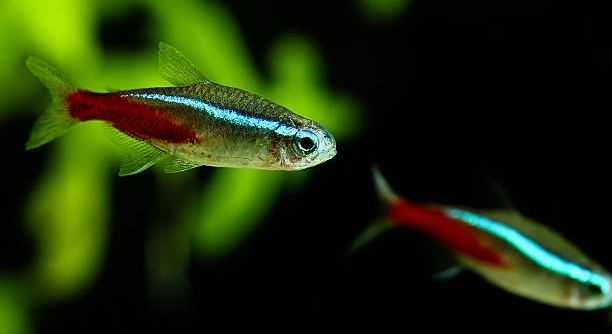
Neon Tetras are popular among aquarium enthusiasts, often kept in small tanks. However, maintaining a healthy environment for these tiny fish in a compact space requires careful planning and attention to detail.
To successfully maintain Neon Tetras in a small tank, ensure the tank has proper filtration, temperature control, and space for swimming. Regular water changes, careful stocking, and avoiding overcrowding are key to keeping the fish healthy and vibrant.
Small tank setups can work for Neon Tetras when the right steps are taken. Proper care and maintenance are essential for their long-term well-being.
Tank Size Matters
When setting up a small tank for Neon Tetras, size is crucial. A 10-gallon tank is ideal for a small group, as it provides enough space for swimming while keeping water conditions stable. Smaller tanks, under 5 gallons, can be challenging due to rapid water changes and difficulty maintaining a consistent environment. It’s important to consider that Neon Tetras need space to move around freely, and cramped conditions can stress them out, leading to health issues.
The right tank size ensures a balanced environment for your fish. With a larger tank, the water parameters are easier to manage, and your fish have more room to thrive.
Choosing the right size tank isn’t just about fitting the fish in. It’s about creating an environment where they feel secure and have room to swim comfortably. A tank that’s too small will require constant monitoring, while a larger tank will be much more forgiving.
Filtration and Water Quality
Proper filtration is essential in a small tank. Neon Tetras produce waste, which can lead to ammonia buildup in the water if not properly filtered. A good filter helps keep the water clean by removing debris and toxins, maintaining the balance of the tank.
Filters should be chosen based on the tank size and water flow rate. Too strong a current can stress the fish, while too weak a filter will fail to keep the water clean. Choose a filter that matches your tank’s needs and regularly clean it to ensure optimal performance.
Good water quality is crucial for keeping Neon Tetras healthy. Regular water changes, about 25% per week, help maintain clean, stable conditions. Using a water conditioner can remove chlorine and chloramine, making tap water safe for your fish. Keep an eye on the water’s temperature and pH to ensure they stay within the ideal range. Regular water testing is essential for monitoring changes.
Temperature Control
Maintaining the correct temperature is essential for the health of Neon Tetras. They thrive in water between 70°F and 80°F. A reliable aquarium heater is crucial for maintaining a stable environment, especially in smaller tanks where temperature fluctuations are more noticeable.
Inconsistent temperature can stress your fish, weakening their immune systems and making them more susceptible to diseases. A thermometer placed inside the tank allows you to easily monitor the water’s temperature. Be mindful of placing the heater in a spot that ensures even distribution of warmth throughout the tank.
Small tanks are more sensitive to temperature changes, so having a heater with an adjustable thermostat can prevent overheating or cooling down too quickly. Make sure to avoid sudden shifts in temperature, as this can cause stress and even harm to your fish.
Water Parameters
The water’s pH, hardness, and ammonia levels directly impact your Neon Tetras’ health. Keep the pH level between 6.0 and 7.0 for optimal conditions. Test the water regularly to ensure it remains within these ideal ranges.
Neon Tetras are sensitive to sudden changes in water conditions, so it’s important to make gradual adjustments when needed. Soft water with low hardness is best for them, and water changes should be performed regularly. If your tap water is too hard or alkaline, consider using an aquarium water conditioner or adding a small amount of peat moss to soften the water.
Ammonia and nitrites should be undetectable. Regular water testing ensures that harmful chemicals don’t build up in the tank. When water parameters are stable, your Neon Tetras will be happier and healthier.
Stocking Your Tank
When stocking a small tank for Neon Tetras, avoid overcrowding. A small group of 5-6 Tetras is ideal, as they feel secure in numbers. Adding too many fish leads to stress and water quality issues, making it harder to maintain a stable environment.
Consider peaceful tank mates like small shrimp or snails that won’t compete for space or food. Keep in mind that larger fish or aggressive species can stress your Tetras. Be mindful of the tank’s size and the behavior of other species before adding them.
Proper Feeding
Neon Tetras require a varied diet to stay healthy. Feed them a combination of high-quality flake food, live or frozen foods like brine shrimp, and occasional bloodworms. Avoid overfeeding, as uneaten food can pollute the water.
Feed small portions 2-3 times a day, ensuring they consume everything within a few minutes. This prevents food waste from decaying and affecting water quality. Always remove any uneaten food after feeding to keep the tank clean and balanced.
Aquascaping
A well-planted tank provides hiding spots and promotes natural behavior. Use plants like Java moss, Anubias, or Amazon sword to create a peaceful environment. The plants also help maintain water quality by absorbing excess nutrients.
Neon Tetras feel more secure when they have places to hide and explore. Avoid overly large decorations that may limit swimming space. Create a natural-looking aquascape with rocks, plants, and driftwood to keep your fish comfortable.
FAQ
How many Neon Tetras can I keep in a small tank?
In a small tank, you can keep about 5-6 Neon Tetras comfortably. They need space to swim and feel safe in a small group. Overcrowding can cause stress, which may lead to health problems. The general rule is one inch of fish per gallon of water, but because Neon Tetras are small, you can manage a small group in a 10-gallon tank.
Can I keep other fish with Neon Tetras in a small tank?
Yes, you can keep other peaceful fish with Neon Tetras, but be careful when choosing tank mates. Avoid aggressive or larger fish that may bully or outcompete the Tetras for food. Small, non-aggressive species like Corydoras catfish, small shrimp, and snails are good options for a peaceful community tank.
What should the water temperature be for Neon Tetras?
Neon Tetras prefer a water temperature between 70°F and 80°F (21°C to 27°C). A stable temperature is important for their health. Sudden fluctuations can stress them out, so it’s essential to use a reliable aquarium heater in small tanks, where temperatures can change quickly.
How often should I change the water in a small tank with Neon Tetras?
Water changes are important for maintaining a healthy tank. In a small tank, aim to change about 25% of the water every week. This helps keep the water quality high by removing excess waste and toxins. Always use a water conditioner to neutralize chlorine and chloramine in tap water.
What is the ideal pH for Neon Tetras?
Neon Tetras thrive in slightly acidic to neutral water with a pH between 6.0 and 7.0. It’s important to regularly test your tank’s pH to ensure it stays within this range. Rapid changes in pH can stress the fish, so make adjustments slowly if needed.
Can Neon Tetras live in a tank without a filter?
It is not recommended to keep Neon Tetras in a tank without a filter. Filters help maintain water quality by removing waste and toxins. Without a filter, waste can quickly build up, leading to poor water conditions and increased risk of disease. Even in small tanks, filtration is crucial for healthy fish.
Do Neon Tetras need a lot of light?
Neon Tetras don’t require bright light but benefit from a light cycle that mimics natural day and night. A low-to-moderate light level is best. Bright lights can stress them, and they prefer dim lighting with some shadowy areas created by plants or decorations.
Can I feed Neon Tetras live food?
Yes, Neon Tetras enjoy live food like brine shrimp, daphnia, and bloodworms. Live food is a great way to enhance their diet, providing extra nutrients and stimulating natural hunting behavior. However, always ensure that live food is clean and free from contaminants to avoid introducing diseases to the tank.
How do I know if my Neon Tetras are stressed?
Signs of stress in Neon Tetras include faded colors, erratic swimming, hiding, or lethargy. If the fish are constantly hiding or showing unusual behavior, it may be a sign of poor water quality, overcrowding, or incompatible tank mates. Monitor their behavior and water parameters to identify and fix the cause of stress.
Are Neon Tetras hardy fish?
Neon Tetras are generally hardy but sensitive to poor water quality and sudden environmental changes. While they are not the most difficult fish to care for, they do require stable, clean conditions to thrive. Regular maintenance and monitoring of water quality will help keep them healthy and active.
Can Neon Tetras breed in a small tank?
Yes, Neon Tetras can breed in a small tank, but it requires a few conditions. They need a well-planted tank with soft, slightly acidic water and stable temperature. For breeding, you’ll need to separate the adults from the fry, as they may eat the eggs. Consider using a breeding box or separate tank to increase the chances of successful breeding.
What can I do if my Neon Tetras are not eating?
If your Neon Tetras are not eating, check the water quality first. Poor water conditions can cause a loss of appetite. Also, make sure you’re feeding them the right kind of food, such as high-quality flakes or small live/frozen foods. Stress or illness can also cause them to stop eating, so observe for any other symptoms.
Why are my Neon Tetras swimming at the top of the tank?
Neon Tetras typically swim in the middle of the tank, but if they are swimming at the top, it could be a sign of low oxygen levels or poor water quality. Check your filter, water temperature, and oxygenation levels. Adding a bubbler or adjusting the filter can help improve oxygenation.
Can I keep Neon Tetras with bettas?
It’s not recommended to keep Neon Tetras with male bettas. Male bettas are often aggressive and may attack the Tetras, especially if the tank is too small. If you want to keep them together, make sure the tank is large enough and provide plenty of hiding spots for the Tetras to avoid the betta.
How do I prevent Neon Tetras from getting sick?
To prevent Neon Tetras from getting sick, maintain good water quality with regular water changes and filtration. Avoid overfeeding and remove any uneaten food promptly. Keep the tank clean and ensure that your fish aren’t overcrowded. Regularly monitor their health and behavior for early signs of illness.
What size tank is best for Neon Tetras?
The best size tank for Neon Tetras is at least 10 gallons. This allows for better water quality control and provides enough space for them to swim and feel secure. A 10-gallon tank is ideal for a small group of 5-6 Neon Tetras. Anything smaller can make it harder to maintain a stable environment.
Final Thoughts
Neon Tetras are a popular choice for small aquariums due to their vibrant colors and peaceful nature. With proper care, they can thrive in tanks as small as 10 gallons. Maintaining a stable environment is key to their well-being, as they are sensitive to fluctuations in water quality and temperature. Providing a peaceful setting with compatible tank mates, such as small shrimp or snails, will help your Neon Tetras feel secure. Overcrowding should be avoided, as it can lead to stress and health issues.
In addition to water quality, the right feeding routine plays a crucial role in keeping your Neon Tetras healthy. A balanced diet consisting of high-quality flakes, live, or frozen food helps maintain their colors and overall health. Feeding small portions several times a day ensures that the fish are not overfed, reducing the risk of water contamination. As small fish, Neon Tetras do best in tanks with proper filtration to keep the water clean and oxygenated. Using a water conditioner for tap water and maintaining a regular cleaning schedule will also support a healthy environment.
Lastly, the key to success with Neon Tetras is understanding their needs and providing consistent care. They are hardy when their environment is stable, but they can be sensitive to sudden changes. Regular water testing for pH, ammonia, and nitrate levels is necessary for preventing common issues. Aquascaping with plants and decorations can give them a sense of security, encouraging natural behaviors like swimming in schools. By paying attention to their water, food, and tank conditions, you can enjoy the beauty and tranquility Neon Tetras bring to your aquarium.

Hello,
If you enjoy the content that we create, please consider saying a "Thank You!" by leaving a tip.
Every little bit helps us continue crafting quality advice that supports the health, happiness, and well-being of pets around the world, for pets of all shapes, sizes, and species.
We really appreciate the kindness and support that you show us!