
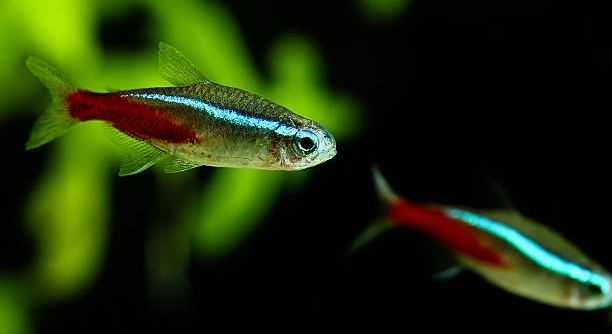
Are your neon tetras not as active or colorful as they used to be? Their diet could be playing a bigger role than you think.
Feeding neon tetras a balanced diet with the right mix of nutrients helps support their immune system, coloration, and energy levels. Providing varied, high-quality foods is essential for their long-term health and overall well-being.
The right food choices can make a noticeable difference in your fish’s health, activity level, and vibrant appearance.
Best Flake Food for Daily Feeding
Flake food is a common choice for neon tetra owners, and when you choose a high-quality product, it provides the right balance of nutrients. Look for flake foods specifically made for tropical fish, with ingredients like fish meal, spirulina, and essential vitamins. These are easy for tetras to eat and digest. They float briefly before sinking, giving your fish time to grab them. Avoid flakes with fillers like soy or wheat as they add little nutritional value. Rotate different flake brands occasionally to provide a wider range of nutrients and prevent dietary gaps. Feeding your tetras once or twice a day with only as much as they can finish in two minutes helps prevent overfeeding and water quality issues. Clean water matters just as much as good food, so remove uneaten flakes quickly. Freshness also matters, so keep the container sealed and replace it every few months for best results.
Stick with flake foods labeled for tropical fish and made with whole ingredients. This makes daily feeding simple and effective.
Flake foods are convenient, affordable, and balanced when chosen carefully. They’re a great everyday option and work well as a base diet for your neon tetras.
Live Foods for Boosting Energy
Live foods like brine shrimp and daphnia are great for occasional feeding. They offer extra protein and stimulation for your neon tetras.
These foods closely mimic what tetras might eat in the wild. Brine shrimp, in particular, are small enough for their tiny mouths and are rich in protein, supporting better growth and energy. Daphnia is another popular option that helps improve digestion due to its fiber content. Both can be bought from pet stores or even cultured at home. Feeding live foods two to three times a week adds variety and helps prevent boredom. Neon tetras often show more vibrant color and active swimming after eating live food. However, it’s important to avoid overfeeding. Too much protein can create waste and unbalance their diet. Live food should be treated as a supplement, not a replacement for their main diet. Always rinse them before feeding to remove any contaminants or parasites. Store live food properly and use it while fresh.
Frozen Foods to Support Immunity
Frozen foods like bloodworms, brine shrimp, and daphnia offer a protein-rich option that’s easy to portion and store. These provide added variety and help support immune health, especially when rotated with flakes and live food.
Bloodworms are particularly beneficial during periods of stress, such as after tank changes or illness. They are rich in protein and easy to digest. Frozen brine shrimp provide a clean alternative to live versions and still offer the same nutritional benefits. Daphnia supports digestion and reduces constipation in neon tetras. Always thaw frozen food in tank-safe water before feeding to prevent temperature shock. Only feed a small amount, about what the fish can eat in two minutes. Avoid feeding frozen food daily—using it once or twice a week keeps the diet balanced and prevents overfeeding. Choose brands with clear labeling and no added fillers for better quality.
Adding frozen options boosts nutrition without too much effort. Store portions in sealed containers to keep them fresh longer. Feeding should be monitored to avoid leftovers clouding the tank water. Neon tetras often show brighter color and increased movement after these meals. Frozen foods are ideal when you want a nutritional boost without the mess of live feeding.
Micro Pellets for Small Mouths
Micro pellets are ideal for neon tetras because they’re small, easy to eat, and sink slowly. They’re a convenient alternative to flakes and often contain more concentrated nutrients in each bite. Choose pellets labeled for tropical or community fish.
When feeding micro pellets, start with a small pinch and observe how quickly your tetras consume them. These pellets typically contain proteins from fish meal, plant matter, and added vitamins to support energy and immune function. Many are formulated to enhance coloration, which helps maintain the tetras’ natural shine. Avoid overfeeding, as excess food can break down and impact water quality. Use pellets as a primary diet or rotate them with flakes for variety. Look for brands that list whole fish or shrimp as the first ingredient. Store the container in a cool, dry place, and always close it tightly to preserve freshness.
Vegetables for Fiber and Variety
Blanched vegetables like zucchini, spinach, and peas offer fiber and mild nutrients that help with digestion. Soft, finely chopped pieces are easier for neon tetras to nibble on without choking or struggling.
Feed small amounts once or twice a week to supplement their usual diet. Always remove uneaten vegetable pieces after a few hours.
Freeze-Dried Options for Convenience
Freeze-dried foods like bloodworms or tubifex worms are easy to store and handle. They don’t require refrigeration and have a long shelf life. Soak them in water before feeding to prevent digestive issues and make them easier for your tetras to consume. Feed these sparingly to avoid excessive protein intake.
Occasional Treats to Boost Color
Color-enhancing treats, such as krill-based products, help bring out the natural red and blue tones in neon tetras. Offer these no more than once a week for best results without overfeeding.
FAQ
What are the best foods for neon tetras?
The best foods for neon tetras include high-quality flake foods, live foods like brine shrimp, and frozen foods such as bloodworms. These provide a balanced diet that supports their health, energy, and vibrant colors. Offering a variety of foods ensures that they receive all necessary nutrients.
How often should I feed my neon tetra?
Neon tetras should be fed small amounts two to three times per day. They have small stomachs, so overfeeding can lead to water quality issues. A feeding duration of about two minutes is ideal. Be mindful to remove any uneaten food to keep the tank clean.
Can neon tetras live on only flakes?
While flakes can form the basis of a neon tetra’s diet, it’s beneficial to rotate them with other foods like live or frozen options. This variety ensures they get different nutrients, which can help maintain their energy and coloration over time.
Can I feed my neon tetras vegetables?
Yes, vegetables like spinach, peas, and zucchini can be fed to neon tetras as an occasional treat. Blanch the vegetables to soften them, then cut them into small pieces. Vegetables offer fiber and help with digestion, which is important for maintaining overall health.
Is live food necessary for neon tetras?
Live food is not absolutely necessary but can be a beneficial supplement to their diet. Live brine shrimp, daphnia, and other small organisms provide extra protein and mimic the natural diet of neon tetras. These foods encourage natural hunting behavior and improve energy levels.
How do I feed frozen food to my neon tetras?
Frozen food should be thawed in a small amount of tank water before feeding. Never add frozen food directly into the tank, as it could cause a temperature shock. Offer just enough for your tetras to eat in two minutes to avoid leftovers and maintain water quality.
How can I enhance the color of my neon tetras?
To enhance the color of your neon tetras, feed them foods that promote vibrant coloration, such as color-enhancing pellets or krill. Live or frozen foods like brine shrimp can also help improve their natural hues. Regularly offering these foods ensures that their colors remain vivid.
How do I avoid overfeeding neon tetras?
To avoid overfeeding, feed only what your neon tetras can consume in two to three minutes. Remove any uneaten food after that time to maintain water quality. Overfeeding can lead to poor water conditions and health issues for the fish.
What should I do if my neon tetras stop eating?
If your neon tetras stop eating, check water conditions first, as poor water quality can affect their appetite. Make sure the water temperature and pH levels are within the recommended range. Stress, illness, or tank mates can also cause a loss of appetite, so assess the tank environment.
Can neon tetras eat pellets?
Yes, neon tetras can eat pellets, especially micro pellets designed for small fish. These are easy for them to consume and offer a concentrated source of nutrients. However, it’s important to choose pellets that are specifically formulated for tropical fish and made with high-quality ingredients.
Should I feed my neon tetras at the same time every day?
It’s helpful to feed neon tetras at consistent times each day. This helps establish a routine, allowing your fish to anticipate meals and develop healthy feeding habits. However, ensure the food portions remain consistent and that there are no leftovers after feeding.
Final Thoughts
Keeping neon tetras healthy requires attention to their diet, as well as to the overall tank conditions. A varied and balanced diet consisting of high-quality flakes, live or frozen foods, and occasional vegetables will ensure they receive the nutrients needed for vibrant colors and good health. Consistency in feeding is also important, as overfeeding can lead to water quality issues, which in turn can affect the health of the fish.
It is crucial to monitor the amount of food given to neon tetras. Their small size means they cannot consume large amounts at once, so it’s best to offer small portions multiple times a day. By offering a mix of protein-rich foods, vegetables, and fiber, you help meet their nutritional needs while keeping their digestive systems in good working order. Be mindful to remove any uneaten food to avoid polluting the water.
Finally, maintaining a clean and stable tank environment is just as important as their diet. Regular water changes, appropriate filtration, and maintaining the correct water temperature will ensure your neon tetras stay healthy. A happy and healthy environment encourages natural behaviors, supports their immune system, and helps keep them active and colorful. By paying attention to their diet and environment, neon tetras can thrive in your aquarium for many years.

Hello,
If you enjoy the content that we create, please consider saying a "Thank You!" by leaving a tip.
Every little bit helps us continue crafting quality advice that supports the health, happiness, and well-being of pets around the world, for pets of all shapes, sizes, and species.
We really appreciate the kindness and support that you show us!