
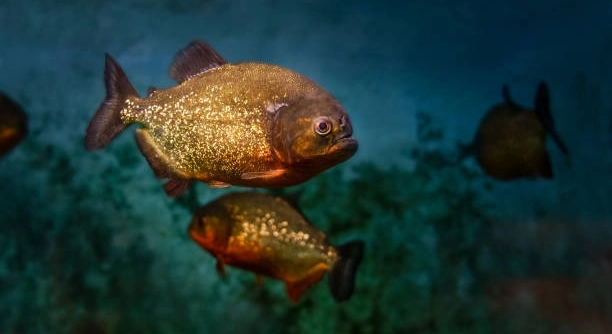
Keeping a peaceful aquarium can be a challenge when fish show aggression. Tank aggression affects the harmony of the environment and the well-being of the fish. Managing this behavior helps maintain a healthy and enjoyable tank for everyone involved.
Reducing tank aggression without changing fish is possible by adjusting tank conditions. Modifying environment factors like hiding spots, water flow, and feeding routines can lower stress and territorial disputes among fish, improving overall tank harmony.
These simple adjustments can make a big difference for your fish and tank atmosphere. Understanding how to balance the environment will help you create a calmer aquatic space.
Create More Hiding Spaces
Fish need places to retreat when they feel threatened or stressed. Adding more hiding spots like plants, rocks, or decorations helps reduce aggression. When fish have their own space, they are less likely to chase or attack others. Different species appreciate different types of cover, so variety is important. Some fish like dense plants, while others prefer caves or tunnels. These safe zones give shy fish confidence and allow more dominant fish to claim territories without constant conflict. Rearranging the tank layout regularly can also keep the environment fresh and reduce established territorial behavior. Remember to use materials safe for your aquarium to avoid harming the fish or water quality.
Adding hiding places can improve the mood and health of your fish by lowering stress levels. It helps prevent injuries and creates a calmer tank overall.
By providing enough shelter, each fish feels secure. This balance minimizes fights and lets all fish coexist peacefully, improving the tank’s atmosphere for both the fish and the caretaker.
Adjust Feeding Habits
Changing how and when you feed fish can impact aggression. Feeding small amounts more often helps reduce competition. Overfeeding or irregular feeding schedules may increase fights over food. Keeping food spread out over a larger area also allows shy fish to eat safely. Feeding high-quality, species-appropriate food keeps fish satisfied and less likely to act aggressively for resources. Watching feeding times closely gives you clues about which fish may be more dominant or stressed. You can then adjust amounts or timing to better suit your fish’s needs.
Feeding habits play a strong role in managing tank aggression.
When fish feel hungry or rushed during feeding, they may become more territorial and aggressive. Small, frequent feedings reduce this stress and competition. Spreading food evenly gives less aggressive fish a chance to eat, avoiding bullying. Using sinking pellets or slow-dissolving flakes can help distribute food in different tank areas. Adjusting feeding times to match natural behavior patterns can also improve harmony. With a well-planned feeding routine, aggression often decreases, leading to a healthier and more peaceful tank environment.
Maintain Proper Tank Size
A tank that is too small often causes aggression due to limited space. Fish need enough room to swim freely and establish territories. Overcrowding leads to stress and fights over hiding spots and food.
Ensuring your tank is the right size for the number and type of fish is key to reducing aggressive behavior. Larger tanks give fish more space to spread out and avoid each other when needed. This lowers stress and creates a more natural environment. If you can’t upgrade to a bigger tank, consider reducing the number of fish to prevent overcrowding. Regularly monitor how your fish interact to spot early signs of tension before it escalates.
Besides size, the tank’s shape matters too. Long tanks provide more horizontal swimming space and better territory separation than tall, narrow tanks. This setup helps reduce face-offs and improves the overall peace in your aquarium.
Control Water Quality and Conditions
Good water quality is crucial for calm fish behavior. Poor water can stress fish, making them more aggressive. Regular testing and maintenance keep the environment healthy and stable.
Water parameters like temperature, pH, and ammonia levels affect fish mood and health. Sudden changes or poor conditions increase stress, which can cause fights. Frequent water changes and proper filtration help maintain clear, clean water. Keeping temperature steady and matching it to your fish’s needs reduces discomfort. Avoid overcrowding and remove uneaten food to prevent waste buildup, which harms water quality.
Proper aeration and circulation improve oxygen levels, making fish less irritable. Using a reliable test kit lets you track water quality regularly. This attention to detail supports your fish’s well-being and lowers aggression, creating a peaceful tank for everyone.
Introduce Visual Barriers
Visual barriers help break lines of sight between aggressive fish. Plants, rocks, or decorations can reduce constant eye contact that triggers fights. This gives fish space to feel safe and lowers tension.
Barriers create separate zones within the tank. Fish are less likely to challenge each other when they can’t always see rivals. This reduces stress and improves overall tank harmony.
Use Neutral Decor Colors
Choosing neutral-colored decorations can help minimize territorial behavior. Bright or flashy colors sometimes provoke aggression as fish react to strong contrasts or reflections.
Natural, subdued colors blend with the environment, making fish less reactive to their surroundings. This subtle approach helps create a calmer atmosphere and reduces unnecessary confrontations.
Regularly Rearrange Tank Layout
Changing the tank’s layout every few weeks disrupts established territories. Fish must reestablish their space, which can lower long-term aggression by preventing dominance.
Avoid Sudden Changes
Sudden changes in the tank can stress fish and increase aggression. Make adjustments slowly to keep fish comfortable and calm.
What causes aggression in a fish tank without changing the fish?
Aggression in a tank often comes from stress, lack of space, and poor environmental conditions rather than the fish themselves. When fish feel crowded or unable to claim territories, they become more territorial and aggressive. Changes in water quality, feeding habits, and tank layout can also trigger aggressive behaviors. Environmental stressors, such as strong lighting or constant movement outside the tank, may worsen aggression. Understanding that fish respond to their surroundings helps to manage their behavior without swapping them out.
How can I reduce aggression without changing my fish?
You can reduce aggression by improving tank conditions. Adding hiding spots like plants and rocks gives fish places to escape. Keeping the tank clean with good water quality lowers stress. Adjusting feeding routines to small, frequent meals prevents competition. Visual barriers and neutral decor help break line of sight and reduce territorial fights. Regularly rearranging decorations can stop fish from forming long-term dominance. Increasing tank size or lowering stocking density also helps. These changes focus on the environment, calming fish naturally.
Does tank size really affect fish aggression?
Yes, tank size plays a big role in aggression. A tank that’s too small causes overcrowding and stress, pushing fish to compete over space, food, and hiding places. Larger tanks allow fish to spread out, set their own territories, and avoid conflicts. Fish also feel less threatened when they have room to swim freely. Choosing the right tank size for your fish type and number is one of the simplest ways to keep peace. If space is limited, reducing the number of fish can improve harmony.
What types of hiding places are best for reducing aggression?
Variety is key. Live or artificial plants offer dense cover, which shy fish appreciate. Rocks and caves create secure spots for fish to claim and retreat to when stressed. PVC pipes or commercially available aquarium tunnels also work well. Make sure hiding spots fit the size of your fish and are placed so dominant fish don’t control all of them. Moving these hiding places occasionally can keep the tank dynamic and prevent fixed territorial disputes.
How often should I feed my fish to prevent fighting?
Feeding small amounts multiple times a day is best to reduce aggression. This way, food is spread out and fish don’t rush or fight over limited portions. Avoid overfeeding, which can pollute the tank, and underfeeding, which causes hunger-driven fights. Observe how your fish eat and adjust accordingly. Sometimes feeding at different tank spots or using sinking pellets helps shy fish get their share safely. Consistency with feeding times also reduces stress and competition.
Can water quality impact fish behavior?
Absolutely. Poor water quality stresses fish and increases aggression. High ammonia or nitrite levels, incorrect pH, or temperature swings can make fish irritable. Keeping water clean with regular changes and good filtration is crucial. Stable temperature and pH matching the species’ natural habitat reduce discomfort. Testing water weekly helps catch problems early. Healthy water supports calm, less aggressive fish and creates a balanced tank environment.
Is it helpful to rearrange tank decorations often?
Yes, rearranging decorations every few weeks can reduce long-term aggression. When fish territories are disrupted, they need to reestablish boundaries, which can break up existing dominance patterns. This keeps the social order flexible and prevents a few fish from bullying others consistently. However, don’t change the layout too often or drastically, as this may stress the fish. Gentle adjustments maintain interest and promote a peaceful community.
How do visual barriers affect fish aggression?
Visual barriers prevent fish from constantly seeing each other, which lowers stress and aggressive behavior. Placing plants, rocks, or ornaments strategically breaks the line of sight. This gives fish space to retreat and hide without being chased. Some species become territorial when they can always spot rivals. Barriers create separate zones, allowing fish to feel safer. This simple change often leads to less fighting and a calmer tank atmosphere.
Can lighting influence aggression in an aquarium?
Lighting can affect fish behavior. Bright, constant light might stress some fish, leading to irritability and aggression. Dimming the lights during the day or providing shaded areas with plants helps reduce stress. Using a timer to keep a consistent light cycle mimics natural conditions, keeping fish calm. Avoid sudden, intense changes in lighting that can startle fish and cause fights.
What should I do if aggression continues despite all changes?
If aggression persists, review your setup carefully. Make sure tank size and stocking levels are adequate. Check for illness or injury that might make fish more aggressive or vulnerable. Sometimes individual fish have naturally aggressive personalities that are hard to manage. In those cases, separating or rehoming the most aggressive fish may be necessary for the health of the group. Patience and observation are key; small adjustments over time usually improve the situation.
When dealing with aggression in a fish tank, it’s important to remember that the environment plays a big role. Fish do not act aggressively without reason. They respond to their surroundings, including space, hiding spots, feeding schedules, and water quality. By making thoughtful changes to these factors, you can often reduce aggression without needing to change the fish themselves. Small adjustments in the tank setup can lead to a calmer, healthier environment where fish coexist more peacefully. It takes some patience and observation, but the results are worth it.
A peaceful aquarium benefits both the fish and the person caring for them. When fish are less stressed and aggressive, they show healthier behavior and are less likely to get injured. Watching fish swim calmly and interact gently is more enjoyable and less stressful for anyone maintaining the tank. By focusing on the conditions around your fish, you can create a balanced environment that supports the natural behaviors of each species. This approach helps keep your aquarium stable and thriving over time.
In summary, lowering aggression without changing your fish is about improving their living space and daily routine. Adding hiding places, managing feeding carefully, maintaining good water quality, and giving fish enough room all contribute to a peaceful tank. Even small changes can have a positive effect on fish behavior. Remember, fish aggression is often a sign that their needs are not fully met. Addressing these needs thoughtfully helps make the tank a better home for your fish and a more pleasant hobby for you.

Hello,
If you enjoy the content that we create, please consider saying a "Thank You!" by leaving a tip.
Every little bit helps us continue crafting quality advice that supports the health, happiness, and well-being of pets around the world, for pets of all shapes, sizes, and species.
We really appreciate the kindness and support that you show us!