
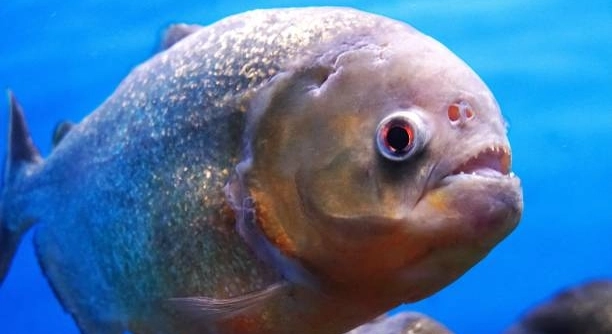
Modifying a piranha tank at home can seem like a fun project for fish lovers. Many people try to improve their tanks with DIY changes to create a better environment. However, not all modifications work as expected or are safe for the fish.
DIY piranha tank modifications often cause problems such as poor water quality, unsafe materials, inadequate filtration, unstable tank conditions, and stress for the fish. These issues can lead to unhealthy living environments and increased maintenance challenges.
Understanding these common pitfalls can help you avoid mistakes and create a safer, healthier habitat for your piranhas.
Using Unsafe Materials in DIY Piranha Tank Mods
Many DIY tank mods involve using materials that aren’t meant for aquatic environments. People sometimes use wood, paint, or adhesives without checking if they are safe for fish. These materials can release harmful chemicals or toxins into the water, which can stress or even poison the piranhas. For example, some types of wood may rot or leach tannins, changing the water chemistry. Paints and glues not made for aquariums can break down and contaminate the tank. Even seemingly harmless items like plastic decorations may have sharp edges or toxic dyes. It’s important to research and choose materials that are specifically designed for aquarium use or proven safe for aquatic life. Rushing into mods without proper knowledge can end up doing more harm than good.
Poor material choices often lead to water contamination and harm the fish. Always verify materials before adding them to the tank.
Taking the time to select safe, aquarium-friendly materials ensures a healthier tank. When buying supplies, look for non-toxic labels or ask experts for recommendations. Even natural decorations should be treated or cured properly. For example, driftwood should be soaked and boiled to remove impurities. Avoid any paint or glue unless it’s labeled as aquarium-safe. Using unsuitable materials might look convenient at first but can cause long-term damage to the tank environment. A little extra effort upfront saves stress, costs, and health problems later. Remember, your piranhas depend on a clean and stable home to thrive.
Inadequate Filtration in DIY Tank Modifications
Poor filtration is a common problem in DIY piranha tank setups. Without proper filtration, waste builds up quickly and water quality declines. This creates an unhealthy environment.
Filtration systems must match the tank size and the waste produced by piranhas. Many DIY mods overlook this, using filters that are too small or inefficient. Piranhas are messy eaters and produce a lot of waste, so strong, reliable filtration is needed. An underpowered filter can’t handle ammonia and nitrite buildup, which is toxic to fish. Also, modifying the tank’s layout may reduce water flow, making filtration less effective. Sometimes, homemade filters lack proper mechanical, chemical, or biological filtration stages, leading to poor water conditions. It’s essential to ensure any DIY setup includes a quality filtration system designed for the tank’s needs. Without this, fish health and water clarity suffer.
Testing water regularly helps catch filtration issues early. Upgrading or adjusting filters can improve water quality dramatically. Using pre-made filters designed for aquariums often works best. If a DIY filter is used, it must be carefully tested and maintained. Filters should be cleaned as needed without disturbing beneficial bacteria. Proper aeration and water circulation also support filtration. Combining these elements keeps the tank environment balanced. This attention to detail prevents many common problems and keeps your piranhas healthier for longer.
Unstable Tank Conditions from DIY Changes
DIY modifications can unintentionally cause unstable tank conditions. Changes in temperature, water flow, or tank structure may upset the balance that piranhas need.
A common issue is poor temperature control. Adding lights or heaters without proper planning can create hot or cold spots. Piranhas need a stable temperature between 74-82°F (23-28°C). Sudden fluctuations stress the fish and weaken their immune systems. Altered water flow can reduce oxygen levels or cause dead zones where waste accumulates. Removing or blocking filter outlets during modifications also affects circulation. Even small changes to tank shape or size can influence how water moves and settles. Stability is key for healthy fish, so any DIY mod must consider these factors carefully.
Structural changes, like adding decorations or partitions, may reduce swimming space or increase aggression. Piranhas need enough room and hiding spots to feel secure. Avoid overcrowding and maintain open swimming areas. Monitoring water parameters closely after mods helps catch instability early. Keeping a steady environment supports piranha health and reduces maintenance stress.
Stress Caused by Frequent Modifications
Frequent changes to a piranha tank can increase stress levels in fish. Piranhas thrive in stable environments where they feel safe.
Stress weakens their immune systems, making them more vulnerable to diseases. Constant noise, vibration, or water disturbances from ongoing DIY projects can upset the fish. Rearranging tank decorations or changing water chemistry too often confuses them and disrupts natural behaviors. It’s important to limit how often you modify the tank, allowing piranhas time to adjust. Sudden or repeated changes can cause aggression or hiding, which signals distress. Planning modifications carefully and spacing them out reduces stress and supports healthier fish. After a change, give the tank time to settle and monitor the fish closely for signs of discomfort or illness.
Overcomplicating Tank Modifications
Sometimes DIY mods become too complex, making the tank harder to manage. Adding unnecessary parts or complicated designs can increase maintenance time and risks.
Simple, well-planned changes are usually better. Overcomplicating can lead to mistakes or breakdowns that harm the tank environment.
Ignoring Proper Tank Size Requirements
Piranhas need enough space to swim and grow comfortably. DIY mods that reduce tank size or add bulky decorations can overcrowd the environment. Overcrowding stresses fish and increases waste, causing poor water quality and health problems. Maintaining appropriate tank size is essential for piranha well-being.
Lack of Proper Research Before Modding
Many problems arise when mods are done without enough research. Knowing piranha behavior, water needs, and tank requirements is crucial before starting any changes. Skipping this step often leads to poor decisions and unhappy fish.
Insufficient Lighting for the Tank
Lighting affects both fish health and plant growth in the tank. Poor lighting can disrupt natural cycles and reduce the tank’s appeal. Choose lighting that suits piranhas and any live plants.
FAQ
What materials are safe to use for DIY piranha tank modifications?
Safe materials include aquarium-grade silicone, untreated driftwood, and plastics labeled as non-toxic or aquarium safe. Avoid anything painted, glued, or chemically treated unless it’s specifically made for aquarium use. Natural rocks should be tested to ensure they don’t alter water chemistry. It’s best to stick to products designed for aquatic environments to protect your fish from harmful chemicals.
How often should I clean my DIY-modified piranha tank?
Cleaning frequency depends on tank size, filtration, and fish load, but typically once every two weeks is good. Regular water changes of about 20-30% help keep toxins low. Avoid deep cleanings that disturb beneficial bacteria; instead, gently clean decorations and substrate. Keeping the tank balanced with good filtration reduces how often you need intense cleaning.
Can I use household items for decoration in a piranha tank?
Most household items are not safe unless verified as non-toxic and waterproof. Many contain dyes, metals, or chemicals harmful to fish. Even plastics can leach toxins or have sharp edges. If you want to personalize your tank, look for aquarium-safe decor or carefully prepare natural materials like wood by soaking and boiling them.
What type of filtration is best for piranha tanks?
Canister filters or hang-on-back filters with mechanical, chemical, and biological stages work well. Piranhas produce a lot of waste, so filters must handle high bio-loads and maintain strong water flow. DIY filtration systems must include proper media and be regularly maintained to avoid buildup of harmful substances.
How can I reduce stress when making tank modifications?
Make changes slowly and one at a time to let fish adjust. Avoid drastic rearrangements or sudden water chemistry changes. Provide hiding spots so piranhas feel secure during transitions. Monitor water parameters closely after modifications and maintain stable temperature and oxygen levels to minimize stress.
Are live plants a good addition in DIY piranha tanks?
Live plants can improve water quality and provide hiding spots but must be hardy species that tolerate piranha behavior. Some piranhas may uproot or damage plants, so choose robust plants like Anubias or Java fern. Ensure lighting and substrate support plant growth without compromising water quality.
What are signs that a tank mod is harming my piranhas?
Watch for unusual behavior like hiding, aggression, loss of appetite, or gasping at the surface. Cloudy or smelly water, excessive algae growth, or rapid temperature changes also signal problems. Regularly testing water for ammonia, nitrite, and nitrate helps catch issues early.
Is it okay to modify filtration or lighting on my own?
Modifying filtration or lighting is possible but requires knowledge of the tank’s needs. Improper changes can reduce water quality or stress fish. Always research equipment specifications and monitor tank conditions closely after any changes to ensure the setup remains suitable.
How do I safely introduce new decorations or modifications?
Clean and cure new items before adding them. Soak natural materials in water for days, boiling if possible, to remove toxins. Rinse thoroughly and avoid anything sharp or brittle. Introduce changes gradually and observe your fish’s reactions for signs of stress.
Can I build my own filtration system for a piranha tank?
Building a filter is doable but challenging. It must handle mechanical, chemical, and biological filtration properly and maintain good water flow. Regular maintenance is critical. Unless experienced, it’s safer to use commercially available filters designed for aquariums to ensure stable water quality and fish health.
DIY piranha tank modifications can be exciting projects that give a personal touch to your aquarium. However, it’s important to remember that not all changes are beneficial for the fish or the tank environment. Many common problems come from using unsafe materials, poor filtration, or making changes that disturb the tank’s balance. When modifications are done without proper research and planning, they can cause stress and health issues for your piranhas. Keeping things simple and focusing on what truly helps the fish will lead to a more successful setup.
It’s easy to want to add cool decorations or build custom filters, but these ideas require careful thought and preparation. Ensuring the materials are safe, the tank size is right, and the water conditions stay stable are key factors. Stress from frequent or sudden changes can harm your fish, so any modifications should be gradual and monitored closely. Maintaining good water quality and proper temperature should always be a priority. If you are unsure about a change, it’s better to pause and get advice rather than risk harming the fish.
At the end of the day, your piranhas depend on a clean, stable, and safe home. Simple, well-researched modifications can improve the tank and keep your fish healthy. Avoid overcomplicating or rushing into changes without knowing their effects. Taking time to learn and planning carefully will help you enjoy a thriving piranha tank for a long time. The goal is to create a space where your fish can live comfortably and where you can enjoy watching them grow and behave naturally.

Hello,
If you enjoy the content that we create, please consider saying a "Thank You!" by leaving a tip.
Every little bit helps us continue crafting quality advice that supports the health, happiness, and well-being of pets around the world, for pets of all shapes, sizes, and species.
We really appreciate the kindness and support that you show us!