
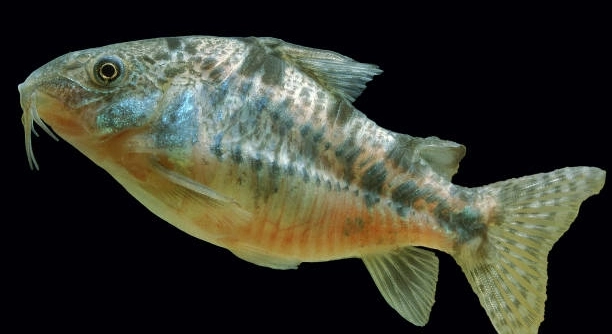
Are your Corydoras catfish spending most of their time hiding or resting at the bottom of the tank instead of swimming around?
Encouraging Corydoras catfish to stay active during the day involves providing proper tank conditions, balanced lighting, a consistent feeding schedule, and the presence of companions to promote natural group behavior and increase daily movement.
Creating a comfortable and engaging space helps these gentle bottom dwellers stay active and healthy throughout the day.
Keep the Tank Well-Lit During the Day
Corydoras are more likely to stay active when their tank is lit during daytime hours. These fish are crepuscular, which means they are naturally most active during dawn and dusk, but with the right lighting setup, they can adjust and become more visible throughout the day. Use a gentle aquarium light with a consistent schedule to mimic natural light patterns. Avoid overly bright or harsh lighting, as that can stress them out and lead to hiding. Stick to about 8 to 10 hours of light daily, which helps them develop a predictable routine. If your tank is placed near a window, be cautious of direct sunlight, as it can lead to overheating or algae growth. Soft, evenly spread light will help the Corydoras feel safe and encourage daytime activity. Over time, they may associate the light period with feeding or movement, reinforcing more activity during those hours.
Avoid bright lights that make your fish feel exposed or uneasy.
A dim, calm light will allow Corydoras to explore the tank more freely without feeling vulnerable. Creating a safe environment through lighting makes them feel secure enough to swim, forage, and interact more during the day.
Provide a Group of Corydoras
Corydoras are social fish that need to be in a group to feel secure and behave normally.
Keeping them in a group of at least six encourages natural schooling behaviors. When alone or in too small a group, Corydoras often become shy and inactive. In a proper group, they move together across the tank floor, digging into the substrate and staying alert. This social connection boosts their confidence, making them more likely to explore the tank even during brighter parts of the day. It’s important to make sure all the fish are the same species or very similar, as mixing types can sometimes lead to less group interaction. Also, avoid placing them in tanks with aggressive tank mates, as that may cause stress and hiding. A peaceful community tank with enough Corydoras will bring out their best behavior. Once they feel comfortable and supported, they are more likely to show active, healthy patterns that are both interesting and rewarding to observe.
Offer Food During Daylight Hours
Feeding your Corydoras during the day helps them associate light with mealtime. Over time, this routine encourages them to stay awake and active when the tank is lit.
Corydoras are quick learners and will adjust their activity based on when food is available. If you consistently feed them during the day, they will begin to search for food around that time. Use sinking pellets or wafers designed for bottom feeders, and make sure the food reaches them before others eat it. Avoid overfeeding, as leftover food can pollute the water and stress your fish. Try feeding once or twice a day, keeping the schedule steady. When they connect daylight with food, they’ll become more lively and show more natural behaviors. Watching them move across the tank in a group during feeding can be a rewarding part of your daily routine.
If you feed them late in the evening or after dark, they may stay inactive during the day. A predictable daytime feeding routine supports healthy activity patterns. It also makes tank maintenance easier, as it helps avoid uneaten food sitting overnight. This small change in timing can have a big impact on how much your Corydoras move around and engage with their environment.
Use Fine, Soft Substrate
Corydoras need soft substrate to safely explore and stay active. Their sensitive barbels can get injured on rough gravel, making them less likely to forage. Sand or smooth fine substrate is best.
Corydoras are bottom dwellers that rely on their barbels to search for food. If the tank floor is rough or sharp, they will avoid contact, reducing movement and natural behaviors. Switching to soft sand allows them to dig and sift comfortably, keeping them busy throughout the day. Fine substrate also keeps their barbels healthy, which is important for their feeding and overall well-being. It creates a more natural setting that supports their instincts. Make sure the sand is clean and doesn’t pack too tightly, so it stays easy for them to move through. A simple change to the right substrate can greatly improve their activity level and help prevent stress or injury in the long run.
Add Hiding Spots and Shade
Providing hiding spots helps Corydoras feel safe, which makes them more willing to come out during the day. Use driftwood, caves, or plants to give them shaded areas where they can rest and feel protected.
When they know they have safe places to retreat to, they become braver and more curious.
Keep the Water Parameters Stable
Corydoras become sluggish or hide when water conditions are off. To keep them active, make sure the tank stays clean and stable. Aim for a temperature between 72–78°F, with a pH of 6.0–7.8. Avoid sudden changes in water chemistry, and perform regular water changes weekly. Ammonia and nitrite levels should always be zero, and nitrates should be kept low. Use a reliable test kit to check water conditions often. Clean the filter regularly without disturbing the beneficial bacteria. Stable water helps them stay comfortable, healthy, and ready to explore. Once they feel secure in their environment, their daily activity will become more noticeable and consistent.
Limit Aggressive Tank Mates
Aggressive or fast-moving fish can scare Corydoras and cause them to stay hidden. Stick to calm tank mates that won’t chase or outcompete them for food. Peaceful surroundings help them feel safe enough to stay active.
FAQ
How can I tell if my Corydoras are stressed?
Stressed Corydoras will often hide more than usual, swim erratically, or appear sluggish. You may also notice them spending more time at the bottom of the tank, not interacting with other fish, or showing signs of physical damage. Stress can be caused by poor water conditions, aggressive tank mates, or improper tank setup. If you see these signs, try to identify the cause and address it immediately. Ensuring stable water parameters, adding hiding spots, and choosing appropriate tank mates can help reduce stress levels.
Can Corydoras live with other fish?
Yes, Corydoras are peaceful and do well with most community tank fish. They are bottom dwellers, so they don’t compete for space with top swimmers. Ideal tank mates include peaceful species like guppies, tetras, or mollies. Avoid aggressive or very large fish that may chase or bully them. Corydoras should not be kept with overly territorial or fast-moving fish that can stress them out. Also, avoid keeping them with species that may outcompete them for food. A calm, friendly community will encourage Corydoras to stay active and comfortable.
How often should I feed my Corydoras?
Feed your Corydoras once or twice a day, but don’t overfeed them. It’s best to provide a small amount of food that they can consume within a few minutes. Sinking pellets or wafers made for bottom feeders are ideal. If you’re using flake food, make sure it’s sinking, so it reaches the bottom where your Corydoras feed. Uneaten food can pollute the water and lead to health issues. It’s important to maintain a regular feeding schedule to encourage activity, as they’ll learn to expect food during the day.
What’s the best substrate for Corydoras?
Corydoras thrive on fine, soft substrates like sand or smooth gravel. Their sensitive barbels are prone to injury if the substrate is too rough, leading to inactivity. Sand allows them to dig and sift through it naturally, mimicking their behavior in the wild. Avoid sharp-edged substrates, as they can cause harm. A soft, clean substrate encourages them to stay active and forage, which is essential for their health and well-being. Ensure the sand is washed thoroughly before adding it to the tank to prevent cloudiness.
Do Corydoras need a heater in their tank?
Yes, Corydoras need a stable temperature to stay active and healthy. A heater is recommended, especially if you live in a cooler climate or have fluctuating room temperatures. The ideal temperature range for Corydoras is 72-78°F (22-26°C). If the water gets too cold or fluctuates too much, they may become lethargic and inactive. A reliable aquarium heater, combined with a thermometer, will ensure the temperature remains within the optimal range for your fish. Keeping the water stable will help them stay active during the day.
Why are my Corydoras staying at the bottom of the tank?
Corydoras are bottom-dwelling fish by nature, so it’s normal for them to spend a lot of time near the bottom. However, if they are staying there excessively and not exploring, it could be due to water quality issues, stress, or illness. Check the water parameters, including ammonia, nitrite, nitrate levels, and temperature. Poor water quality or sudden changes can cause them to retreat to the bottom. If your Corydoras are healthy and comfortable, they will naturally move around more throughout the tank, but always ensure their environment is optimal.
How many Corydoras should I keep together?
Corydoras are social fish that should be kept in groups of at least six. They feel safer and more confident in numbers, which encourages them to stay active and exhibit natural behaviors. Keeping them in a smaller group may result in stress or inactivity, as they will feel more vulnerable. A larger group also reduces the chance of aggression and helps keep them stimulated. In a group, Corydoras will engage in schooling behavior and explore their tank more, making your tank more lively and active.
Can Corydoras live in a tank with plants?
Yes, Corydoras do well in planted tanks. Plants provide hiding spots and help create a more natural, peaceful environment. They enjoy exploring the space between plants and can forage for food in the substrate among the roots. However, ensure that the plants do not have sharp edges that could harm their barbels. Live plants also help improve water quality by absorbing excess nutrients, which benefits the overall health of the fish. Make sure the plants are compatible with the water conditions you maintain for your Corydoras.
What can I do if my Corydoras isn’t eating?
If your Corydoras isn’t eating, check the water conditions and the food you’re offering. Stress from poor water quality, temperature fluctuations, or aggressive tank mates can cause a loss of appetite. Offer a variety of foods, such as sinking pellets, algae wafers, or live food, to see if they prefer something different. If the problem persists, check for signs of illness like abnormal behavior or physical changes. It’s essential to address the underlying cause of the problem, as Corydoras will remain inactive and unhealthy if they don’t eat regularly.
How do I know if my Corydoras are happy?
Happy Corydoras are active, social, and regularly engage with their environment. They will swim in groups, dig through the substrate, and forage for food. Healthy Corydoras also have clear, bright eyes and smooth, intact fins. If your fish are constantly hiding, not swimming around, or showing signs of illness, they may not be happy. Providing a stable environment, proper tank mates, and enough space will encourage their natural behaviors. Watching them move around freely and interact with others is a good sign they are content.
Final Thoughts
Encouraging Corydoras catfish to stay active during the day isn’t as difficult as it might seem. By making a few adjustments to their environment, such as keeping the tank well-lit, providing a safe space for them to hide, and ensuring a consistent feeding routine, you can help your Corydoras feel more comfortable and engaged. Creating a peaceful and stable environment will encourage them to swim, explore, and interact with their tankmates, which is important for their overall health and well-being. When they have a proper setup, they will naturally become more active, allowing you to enjoy their playful, inquisitive nature.
The most important factor in keeping Corydoras active is maintaining good water quality. These fish are sensitive to changes in water parameters, so regularly testing the water and keeping the tank clean is crucial. Consistency in water temperature and pH levels will also help your Corydoras feel safe and less stressed. A stable environment promotes not just their activity but their health in the long run. By sticking to a regular cleaning and maintenance routine, you can ensure that your fish remain happy and active throughout the day.
Finally, always remember that Corydoras are social creatures. Keeping them in groups of at least six will help them thrive. They are more likely to engage in natural behaviors, like schooling and foraging, when they feel secure with their companions. Along with choosing peaceful tank mates and providing proper feeding schedules, you create an environment where Corydoras can stay active, healthy, and happy. By paying attention to these simple yet effective tips, you can enjoy watching your Corydoras thrive in a lively and well-balanced tank.

Hello,
If you enjoy the content that we create, please consider saying a "Thank You!" by leaving a tip.
Every little bit helps us continue crafting quality advice that supports the health, happiness, and well-being of pets around the world, for pets of all shapes, sizes, and species.
We really appreciate the kindness and support that you show us!