
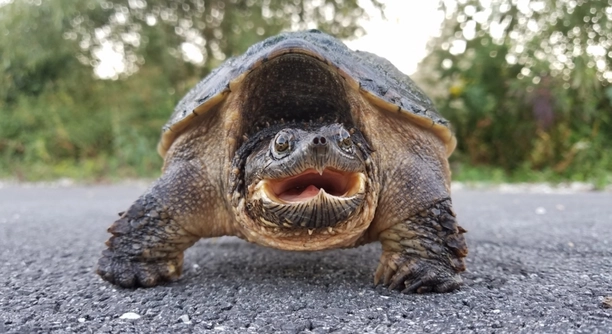
Turtles are fascinating creatures, but keeping them engaged can be a challenge. A common snapping turtle requires stimulation to stay healthy and active. Understanding their natural behaviors and needs can lead to a more fulfilling environment for them.
Providing regular enrichment activities, such as interactive feeding, offering a variety of textures, and designing a suitable habitat, helps keep common snapping turtles engaged and active. These efforts mimic their natural behaviors and prevent boredom, contributing to their overall well-being.
These simple strategies can help you ensure your turtle stays happy and healthy. By making small adjustments, you’ll keep your snapping turtle stimulated and active.
Create a Stimulating Environment
A well-designed habitat is crucial for keeping your common snapping turtle engaged. Consider providing a variety of textures and surfaces within their enclosure, such as rocks, logs, and aquatic plants. Turtles love climbing, swimming, and exploring, so having different areas that encourage these behaviors will help prevent boredom. Ensure their tank is spacious, with plenty of hiding spots, water depth, and a basking area. A clean, safe environment will allow them to express their natural behaviors and stay active.
To keep things fresh, consider changing the environment occasionally. Add new plants or rearrange their tank setup. This provides your turtle with an ever-changing environment to explore, maintaining their interest and encouraging physical activity. Regular changes in their surroundings simulate the unpredictability of the wild.
Adding new features to their environment will not only improve your turtle’s health but also provide endless opportunities for stimulation. A varied habitat lets them move, hide, and explore, preventing feelings of stagnation and increasing their overall activity levels.
Offer Different Food Textures
Variety in food textures is important to encourage activity. Common snapping turtles benefit from a mix of soft and hard foods.
Offering crunchy foods, such as small bits of fish bones or shellfish, provides mental stimulation and encourages natural foraging behaviors. When feeding, consider placing food in different parts of their tank, making them search for their meals.
Interactive Playtime
Interactive play is an effective way to engage your turtle. Using floating toys or offering objects to push around can simulate hunting behavior. Items like ping pong balls or cork pieces float in the water, sparking curiosity and encouraging movement. These simple toys can provide hours of stimulation.
Try incorporating toys that float or sink, allowing your snapping turtle to chase or investigate. You could also place food inside a floating container or puzzle feeder, making your turtle work for its food. This encourages problem-solving and keeps them mentally active while fulfilling their natural hunting instincts.
Changing up the toys occasionally helps maintain interest. Try different objects that encourage exploration and movement. The goal is to mimic natural behaviors like hunting and foraging to keep your snapping turtle engaged for longer periods.
Provide a Varied Diet
A varied diet is essential for keeping your snapping turtle interested. Mixing different types of food ensures they stay mentally and physically active. Offer a combination of live prey, vegetables, and commercial turtle pellets. This helps create an enriched environment for your turtle.
Live prey, like insects or small fish, challenges your turtle’s hunting instincts. They’ll enjoy the chase and the mental stimulation it provides. Adding leafy greens, such as kale or dandelion greens, offers variety while providing important nutrients. A combination of foods offers diversity and satisfies your turtle’s dietary needs, keeping them active.
Feeding time is not just about nourishment. It also helps with their physical health by encouraging natural behaviors. A well-balanced diet boosts activity levels and helps prevent boredom. Regularly adjusting their meals ensures that your turtle stays interested and engaged.
Encourage Exploration
Turtles are naturally curious creatures, and providing opportunities for exploration can help keep them active. Add hiding spots, tunnels, or rocks for climbing. These features will allow your snapping turtle to explore and engage in natural behaviors like burrowing or climbing.
You can also add plants, both real and fake, for them to hide behind. These objects will stimulate your turtle’s curiosity and provide a more dynamic environment. Regular changes in the tank setup, such as rotating hiding spots or rearranging objects, will keep your turtle’s exploration instincts alive.
Introduce New Challenges
Introducing new challenges to your turtle’s routine can keep their mind sharp. Adding objects or obstacles in their enclosure will encourage them to problem-solve and think. For example, place a food item inside a floating container that requires them to work for it.
These challenges mimic the unpredictability of their natural environment. By adding layers of difficulty, like obstacles or varying food placements, you can prevent your turtle from becoming complacent. It provides both mental and physical stimulation, ensuring that your turtle remains active and engaged.
Social Interaction
Although snapping turtles are typically solitary animals, occasional social interaction can be beneficial. Place your turtle in a safe, controlled environment with another turtle of similar size. This can encourage movement, interaction, and natural behaviors like territorial displays.
FAQ
How often should I change my snapping turtle’s environment?
Changing your turtle’s environment every few weeks helps prevent boredom and keeps them engaged. You don’t need to do anything drastic, just rearranging objects, adding new plants, or placing new hiding spots can provide stimulation. Small, regular changes simulate the natural environment where things constantly shift, keeping your turtle curious and active.
Can I train my snapping turtle to do tricks?
While snapping turtles aren’t the most trainable, you can encourage certain behaviors. You can train them to associate sounds with feeding or place food inside a puzzle feeder to encourage problem-solving. The key is patience and consistency. Their natural instincts can be redirected toward positive behaviors with time.
Is it okay to keep my snapping turtle with other pets?
It depends on the other pets and the size of your turtle. Snapping turtles can be territorial and aggressive. If you plan to house them with other pets, ensure the other animals are compatible, and the space is large enough for each to have its own area. Never house a snapping turtle with smaller pets like fish or amphibians, as they may be seen as prey.
What type of tank setup is best for keeping a snapping turtle engaged?
A well-rounded tank setup is one that mimics a natural habitat. Include both land and water areas, rocks for climbing, plants for hiding, and enough space for the turtle to swim. Having a basking area is also crucial for your turtle’s health and activity. This setup allows them to explore and stay active, providing mental and physical stimulation.
How do I know if my snapping turtle is bored?
Signs of boredom in a snapping turtle include inactivity, disinterest in food, or spending long periods hiding. If your turtle isn’t exploring or showing curiosity in its environment, it may not have enough stimulation. Regularly adding new objects, rearranging the tank, or introducing new challenges can help bring your turtle out of its shell.
Can snapping turtles interact with humans?
Snapping turtles are not as social as some other species, but they can recognize their caretakers over time. They may come closer during feeding time or respond to specific sounds. However, they generally don’t seek interaction. It’s best to respect their space and allow them to approach you on their terms.
What are some safe toys for snapping turtles?
Safe toys include floating ping pong balls, cork bark, or small, hard objects they can push or nudge. These toys encourage physical activity and mental stimulation. Avoid small plastic items that could be chewed and ingested, as they can cause harm. Always supervise your turtle with new toys to ensure they’re safe.
How much space does a snapping turtle need?
Snapping turtles need a large tank to stay active and healthy. The general recommendation is 75 gallons for one adult turtle. The more space they have, the better. A spacious tank with both water and land areas allows your turtle to swim, bask, and explore, which is essential for their well-being.
Should I feed my snapping turtle the same food every day?
While it’s okay to offer your snapping turtle the same food occasionally, variety is key. Snapping turtles benefit from a mix of proteins like insects, fish, and shellfish, along with greens like kale and dandelion. Offering different foods stimulates their hunting instincts and helps prevent boredom, promoting both physical and mental health.
What kind of lighting does my snapping turtle need?
Proper lighting is essential for a snapping turtle’s health. They need UVB lighting to help them metabolize calcium and prevent shell deformities. Ensure the UVB light is placed close to their basking area, as they need direct exposure. A heat lamp is also necessary to maintain the right temperature for basking.
Can snapping turtles live outside?
Yes, snapping turtles can live outside if the conditions are right. They need a large pond or enclosure with clean water, access to land, and a basking area. Make sure the outdoor space is secure, as snapping turtles are skilled climbers. They also require protection from predators and extreme weather.
Do snapping turtles need company?
Snapping turtles are solitary by nature and don’t require companionship. They can become aggressive toward other turtles, especially when they’re in close quarters. If you plan on keeping more than one snapping turtle, ensure the enclosure is large enough for each turtle to have its own territory.
Can snapping turtles recognize their owners?
Snapping turtles can recognize their owners over time, especially during feeding times. They may associate certain sounds or movements with food. While they may not show affection in the same way a dog does, they can learn to identify who provides care and food.
How do I keep my snapping turtle healthy?
To keep your snapping turtle healthy, provide a proper diet, a spacious and clean tank, regular water changes, and exposure to both UVB and heat lamps. Regularly monitor their health, looking for any signs of illness, such as changes in behavior or appetite. Keeping their environment enriched and active will also contribute to their overall well-being.
Final Thoughts
Caring for a snapping turtle requires more than just providing basic food and water. These creatures need an environment that stimulates their natural instincts, encourages exploration, and keeps them physically and mentally active. A well-planned tank with features like hiding spots, climbing rocks, and plants for both hiding and foraging is essential for keeping them engaged. Regular changes to their environment can prevent boredom and encourage them to explore and interact with their surroundings, which is key to their overall well-being.
Keeping a snapping turtle active also involves offering them new challenges and opportunities to problem-solve. Using puzzle feeders or arranging food in a way that encourages them to move and search for it will keep their minds sharp. Though snapping turtles are not as social as some other pets, they still benefit from having a dynamic and enriched environment that mimics the natural habitat they would have in the wild. This can include varying the placement of objects and adding new ones that will spark curiosity.
Lastly, while snapping turtles are independent and solitary creatures, it’s important to remember their individual needs for space, proper lighting, and a balanced diet. They do not need constant human interaction, but they do need the right care to thrive. Whether housed indoors or in an outdoor pond, these turtles will remain active and healthy if their environment is set up to mimic their natural habitat. Regularly monitoring their health, observing their behavior, and adjusting their care routine as needed will ensure they live a long, healthy life.

Hello,
If you enjoy the content that we create, please consider saying a "Thank You!" by leaving a tip.
Every little bit helps us continue crafting quality advice that supports the health, happiness, and well-being of pets around the world, for pets of all shapes, sizes, and species.
We really appreciate the kindness and support that you show us!