
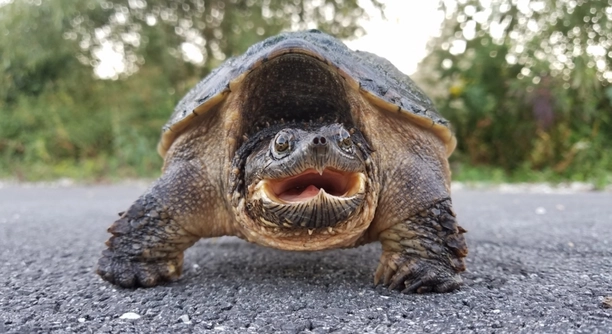
Common snapping turtles are fascinating creatures, but sometimes their behavior can raise concerns. If you’ve noticed your turtle pacing back and forth, it might seem unusual or even alarming at first glance.
Pacing is often a sign of stress or discomfort in snapping turtles. They may pace when they feel confined, unsettled, or lack a proper environment. This behavior is usually triggered by inadequate tank size, poor water quality, or a need for more stimulation.
Understanding why this behavior happens can help address the issue and improve your turtle’s well-being. Knowing how to create the right environment will allow your snapping turtle to thrive and feel more at ease.
Why Does My Snapping Turtle Pace?
Pacing behavior in common snapping turtles can often signal discomfort or stress. A common cause for this behavior is environmental factors. Snapping turtles need ample space to roam and explore, and if confined to a small tank, they may pace to express frustration. Another common reason for pacing is water quality. These turtles thrive in clean, well-maintained water. Dirty water can irritate them and cause them to pace as they search for a more comfortable environment. It’s also important to consider the temperature of the water. If it’s too warm or cold, this can lead to restlessness. Finally, inadequate hiding spots or insufficient stimulation can also contribute to pacing.
The best solution is to create a suitable environment. Providing proper tank size, clean water, and the right temperature will make a significant difference in your turtle’s behavior.
When you observe your snapping turtle pacing, it’s an indication that their needs aren’t fully met. Check the water temperature, the tank size, and whether they have enough hiding spaces. These steps will help alleviate the pacing.
Proper Tank Size for Your Snapping Turtle
A cramped tank can lead to a lot of pacing. Snapping turtles need space to move around and feel secure. A minimum of 75 gallons is recommended for adult turtles, but larger tanks are always better. If your turtle has too little space, it will feel confined and stressed, making pacing more frequent. Providing enough room ensures your turtle can explore and feel at ease in its environment.
A bigger tank allows for more water, making it easier to maintain proper water quality. It also creates areas for the turtle to hide or bask, reducing stress. Snapping turtles are naturally curious and active, so a spacious tank will support their need for movement and exploration.
Providing proper tank size isn’t just about space; it’s about comfort and well-being. When your turtle has room to roam, its stress levels decrease, and behaviors like pacing are less likely. Consider upgrading if you notice these signs of discomfort. The right tank size will improve your turtle’s quality of life.
Water Quality Matters
Maintaining clean water is essential for your snapping turtle’s health. Poor water quality can irritate their skin, eyes, and even their respiratory system. Turtles in murky water are more likely to pace, trying to escape or find a better environment. Regular water changes are crucial.
Using a strong filtration system can help maintain clear water, reducing the chances of bacteria and algae growth. This also keeps the water temperature stable, which is another factor in preventing stress. If the water is cloudy or smells, it’s a sign that it needs attention. Clean water promotes a healthier, more comfortable environment for your turtle.
Paying attention to your turtle’s water quality reduces unnecessary pacing and improves its overall health. Frequent water testing ensures that your turtle’s habitat is safe and welcoming. By keeping the water clean and stable, you can prevent many issues that cause stress and pacing.
Temperature Control
Temperature plays a huge role in your snapping turtle’s comfort. If the water is too warm or cold, your turtle may become stressed and pace. Maintaining a water temperature between 72°F and 78°F is ideal for adult turtles. It’s important to monitor both the water and air temperatures in the tank.
If your turtle is pacing, check the water temperature immediately. Using a reliable thermometer will help ensure the environment stays within the recommended range. Sudden temperature fluctuations can lead to stress, so consistency is key. Adjusting the heater or cooling system may be necessary to keep things stable.
Hiding Spots
Turtles need hiding spots to feel secure. Without them, they may become anxious and exhibit pacing behavior. Providing shelters, such as rocks or aquatic plants, can offer a place for your turtle to retreat. This helps reduce stress.
Hiding spots also give your turtle the option to regulate its environment, avoiding too much light or interaction. Snapping turtles are naturally shy and will pace if they feel exposed or vulnerable. Adding rocks, logs, or plants gives them privacy and encourages a more relaxed state.
Stimulation and Enrichment
Your snapping turtle might be pacing out of boredom. These animals are intelligent and active, requiring mental stimulation and enrichment to stay healthy. Rotating tank decorations, adding new objects, or even offering food in different ways can keep them engaged.
Providing different textures and shapes within the tank also allows for exploration. Snapping turtles are natural hunters and enjoy searching for food, so adding small tasks or challenges can provide enrichment. Without adequate stimulation, they may begin pacing out of frustration, searching for something to occupy their time.
FAQ
Why is my snapping turtle pacing in circles?
Pacing in circles is often a sign of stress or frustration. This could be due to inadequate tank size, poor water quality, or a lack of stimulation. Snapping turtles need ample space to roam and explore. If the tank is too small, they may exhibit pacing behavior as a way to express their discomfort. Additionally, dirty water can irritate them, causing anxiety and movement. Lastly, if there are not enough hiding spots or objects to engage with, the turtle may pace out of boredom. Providing a larger tank, cleaner water, and more enrichment can help reduce this behavior.
What does it mean if my snapping turtle is pacing back and forth?
Pacing back and forth is often a sign that your turtle is feeling confined or unsettled. If your snapping turtle doesn’t have enough space, it will likely display this behavior. Another possible cause could be a water temperature that’s too high or too low. Snapping turtles are highly sensitive to temperature changes, and an environment that’s too hot or too cold will make them restless. Additionally, if your turtle is feeling vulnerable, lacking hiding spots or secure areas to retreat, it may pace to feel safer. A larger tank, regulated temperature, and hiding spots will help ease the pacing.
How can I stop my snapping turtle from pacing?
To stop your snapping turtle from pacing, you should start by improving its habitat. Ensure the tank is large enough for your turtle to move around freely. For an adult snapping turtle, a 75-gallon tank is a good minimum, but larger is always better. Clean, filtered water and a stable temperature will also help reduce stress. Make sure the water is between 72°F and 78°F and check that the tank has appropriate filtration to maintain water quality. Providing hiding spots, plants, or rocks will also give your turtle a place to feel safe. Lastly, consider enriching its environment with items that allow it to explore and interact.
Can a lack of food cause a snapping turtle to pace?
Yes, a lack of food can cause pacing. If your snapping turtle is hungry or not receiving enough nutrition, it may pace as a sign of frustration. Snapping turtles are natural hunters and need a variety of food, including insects, fish, and vegetables, to stay healthy. Make sure to feed your turtle the right amount of food at regular intervals. Overfeeding or underfeeding can both lead to stress and behavioral issues, including pacing. A proper diet will keep your turtle healthy, satisfied, and less likely to pace.
Is pacing a sign of illness in snapping turtles?
Pacing can sometimes be a sign of illness, especially if it’s accompanied by other unusual behaviors such as lack of appetite, lethargy, or abnormal shell appearance. In some cases, turtles pace because they are in pain or feeling unwell. If you suspect illness, it’s important to consult with a veterinarian who specializes in reptiles. A professional can perform a health check and ensure that your snapping turtle is not suffering from any underlying health issues. Early detection of illness is important for preventing long-term problems.
How often should I clean my snapping turtle’s tank?
The tank should be cleaned regularly to maintain good water quality. It’s recommended to perform partial water changes about once a week, removing 25-50% of the water and replacing it with fresh, clean water. This helps prevent the buildup of harmful bacteria and keeps the tank environment comfortable for your turtle. You should also clean the filter at least once a month to ensure it’s working effectively. In addition, scrub the tank’s walls and decorations with reptile-safe cleaning supplies to prevent algae growth. Keeping the tank clean reduces stress and promotes a healthy environment for your turtle.
What should I do if my snapping turtle keeps pacing?
If your snapping turtle continues to pace despite having a suitable tank size, clean water, and proper temperature, it might be time to reassess other aspects of its environment. Check if your turtle has enough enrichment or hiding spots. Sometimes, boredom can cause repetitive pacing. Make sure to add new objects or decorations that encourage exploration. Additionally, consider whether the tank placement is too noisy or exposed, as this could make your turtle feel unsafe. Lastly, ensure your turtle is healthy, as stress from illness can also cause pacing. Regularly checking the water temperature, filter, and overall setup can make a significant difference.
Do snapping turtles like to swim, or is pacing normal?
Snapping turtles are natural swimmers, and they generally enjoy the water. However, if your turtle is pacing, it’s usually a sign that something in its environment isn’t right. Snapping turtles spend a significant portion of their time swimming, but they also need places to rest and bask. Pacing could be a result of insufficient space for swimming, lack of resting areas, or inadequate tank setup. While swimming is important, your turtle also needs a balanced environment that allows for both activity and relaxation. Ensure the tank provides both water space and land for basking.
Can stress cause my snapping turtle to stop eating?
Yes, stress can cause a snapping turtle to stop eating. Stress from poor tank conditions, such as overcrowding, dirty water, or an improper temperature, can significantly affect your turtle’s appetite. If your turtle is pacing constantly, it may be too stressed to eat properly. Additionally, changes in the environment, such as moving the tank or introducing new tank mates, can also lead to temporary loss of appetite. Ensuring your turtle’s habitat is stable and comfortable is crucial for maintaining its health and appetite. If the lack of eating continues, consult a reptile vet for further guidance.
Final Thoughts
Understanding why your snapping turtle is pacing can help you provide the right environment and care it needs. Pacing is often a sign of stress or discomfort. It could be due to factors such as small tank size, poor water quality, or improper temperatures. When a snapping turtle doesn’t have enough space or feels unsafe, it may start pacing as a way to express its frustration or anxiety. Making sure the tank is large enough, the water is clean, and the temperature is right can help reduce this behavior.
In addition to these environmental factors, snapping turtles also need proper enrichment. They are active creatures that enjoy exploring their surroundings. Without objects to interact with, they might become bored and start pacing. Providing rocks, hiding spots, or plants can encourage natural behaviors like hunting and exploring. These additions will give your turtle something to focus on and can ease its pacing. It’s also important to consider the turtle’s diet and feeding schedule, as hunger or lack of food can also trigger pacing. A balanced diet will not only keep your turtle healthy but will help reduce signs of stress.
Finally, always keep an eye on your turtle’s overall health. While pacing can be caused by environmental issues, it can also be a sign of illness or injury. If the pacing continues despite making changes to the environment, or if other symptoms like lack of appetite or lethargy appear, it may be time to consult with a reptile veterinarian. Ensuring your snapping turtle has a comfortable, safe, and stimulating environment will go a long way in preventing pacing and promoting a healthier, happier pet.

Hello,
If you enjoy the content that we create, please consider saying a "Thank You!" by leaving a tip.
Every little bit helps us continue crafting quality advice that supports the health, happiness, and well-being of pets around the world, for pets of all shapes, sizes, and species.
We really appreciate the kindness and support that you show us!