
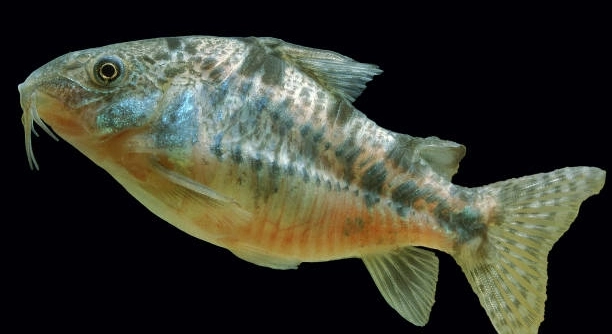
Corydoras catfish are popular tank inhabitants, known for their peaceful nature and active bottom-dwelling behavior. However, they can experience stress when introduced to a new tank, which affects their health and well-being.
To keep Corydoras catfish from getting stressed in new tanks, ensure the water conditions are stable, maintain a proper tank size, and add plenty of hiding spots. Gradually acclimating them to the new environment will also reduce stress.
Maintaining a calm and healthy environment is key to the well-being of Corydoras catfish. Keep reading to learn simple steps that can help ease their transition into a new tank.
1. Stable Water Conditions are Crucial
Corydoras catfish thrive in clean, stable water. They are highly sensitive to fluctuations in water temperature, pH, and ammonia levels. If you’re setting up a new tank, it’s vital to test the water before adding your fish. Maintaining a constant temperature between 72-78°F (22-26°C) is essential for their comfort. Too much ammonia or nitrites can stress your catfish, so make sure your tank is properly cycled before introducing them. Consistent water changes and good filtration are also key to keeping their environment healthy and stable.
Ensuring the water quality stays stable helps prevent stress. Testing the water regularly, especially after setting up a new tank, will ensure that it remains safe for the catfish.
Proper filtration can help maintain water clarity, but remember that Corydoras don’t like strong currents. Choose a gentle filter that keeps the water clean without overwhelming your fish. Invest in a thermometer and water test kits to monitor temperature and water quality regularly. Good water quality reduces stress and promotes the catfish’s natural behaviors, such as foraging and schooling. It’s important to stay on top of these elements to ensure your fish remain healthy in the long run.
2. Tank Size and Space Matter
Corydoras need room to move and explore. When introducing them to a new tank, a tank that is too small can increase their stress levels. These fish prefer tanks with at least 20 gallons of water. Smaller tanks can quickly become overcrowded, leading to a lack of oxygen and higher waste levels. As bottom dwellers, Corydoras also need enough space to sift through the substrate and search for food.
Inadequate space can cause your catfish to feel cramped and anxious. Larger tanks offer them the freedom to swim, interact, and maintain a healthy environment.
A spacious tank helps Corydoras feel more secure and reduces their stress. With the right tank size, they have enough room to spread out and find their own space, preventing them from feeling threatened by other tank mates. In addition to space, add a variety of hiding spots such as caves or plants to give your fish options for retreat. These hiding spots provide comfort and reduce the risk of stress caused by unwanted interactions with tank mates.
3. Proper Acclimation is Key
Introducing Corydoras to a new tank should be done slowly to reduce stress. Acclimation helps the fish adjust to differences in water temperature and chemistry. Adding them too quickly can cause shock, leading to health issues. Start by floating the bag in the tank for about 15-20 minutes to match temperatures. Afterward, slowly add small amounts of tank water into the bag to help them adjust to the water’s pH and salinity.
Avoid rushing the process. Patience helps your fish adjust better.
Gradual acclimation allows the Corydoras to adjust to the new environment without overwhelming them. Rapid changes in water conditions can shock the fish, causing stress and making them more susceptible to disease. By allowing the catfish to adjust slowly, you ensure that their body has enough time to adapt. During acclimation, avoid touching the fish with your hands to prevent transferring any harmful substances. The longer, slower process might take 30-45 minutes but is worth it for their well-being.
4. Avoid Overcrowding the Tank
Overcrowding a tank creates competition for space, food, and oxygen. This can lead to increased stress for Corydoras. Even though these fish are peaceful, they need enough room to feel safe and comfortable. A good rule of thumb is to add only a few fish at a time to avoid overcrowding and allow the ecosystem to balance.
Too many fish can also lead to poor water quality.
Overcrowding increases the chance of waste buildup, causing harmful spikes in ammonia and nitrates. This poor water quality will add to the stress levels of Corydoras and make it harder for them to thrive. A good balance between the number of fish and tank size will prevent these problems. Corydoras also need space to forage and explore the bottom of the tank. Adding too many other fish can limit their ability to do so, further stressing them. Make sure the tank has enough space and resources to support the inhabitants properly.
5. Provide Plenty of Hiding Spots
Corydoras are shy and prefer to have places to retreat when they feel threatened. Adding caves, plants, or decorations gives them secure spots to hide. These spaces offer safety, allowing your fish to feel more comfortable in their environment. Make sure there are enough hiding spots for all fish.
Without hiding spots, Corydoras can become stressed and may hide in less ideal areas, such as behind equipment or in the corners.
A well-planted tank or décor setup provides Corydoras with natural shelters. These hiding places reduce anxiety, especially when they’re introduced to new environments. Fish can retreat to these spots to rest or avoid any tank mates that may be too active. Creating a secure environment helps them relax and stay healthy. The more hiding options you provide, the less likely your fish will feel exposed and vulnerable.
6. Maintain a Stable Tank Environment
Consistent water conditions are essential for Corydoras. Sudden changes in temperature, pH, or light intensity can stress your fish. Keep the tank’s lighting soft and not too intense to mimic natural conditions. Regular monitoring of water parameters will help avoid fluctuations.
Keeping the tank environment stable prevents stress-related issues.
Maintaining a stable tank environment helps Corydoras thrive and reduces stress. Use timers for the lights to create a day-night cycle, and avoid making frequent changes. A well-maintained tank with consistent water conditions will support your fish’s well-being. Avoid introducing strong lighting, which can irritate their sensitive eyes.
7. Feed Appropriately
Corydoras are bottom feeders, so they rely on sinking food. Overfeeding can lead to water quality issues, while underfeeding can cause malnutrition. Provide a balanced diet with sinking pellets or live foods like worms.
Proper feeding helps keep your catfish healthy and stress-free.
FAQ
What are the signs that my Corydoras catfish is stressed?
When Corydoras are stressed, they may display unusual behavior, such as hiding more than usual or swimming erratically. They may also refuse food or appear lethargic. Stress can lead to rapid gill movement or even rubbing against objects in the tank. Their skin may become pale, or they might develop fin damage from constant hiding or bumping into tank decorations. These signs indicate that something in their environment isn’t right, so it’s important to check water quality and tank conditions.
How often should I do water changes for Corydoras catfish?
Water changes for Corydoras should be done regularly to keep the tank clean and maintain stable water conditions. A general guideline is to change 25-30% of the water every two weeks. However, if you have a larger number of fish or a smaller tank, you may need to change the water more frequently. Always ensure the new water is the same temperature and pH as the tank to avoid shocking the fish.
Can Corydoras catfish live with other fish?
Yes, Corydoras are peaceful fish and get along well with many other species, especially calm tank mates. They work well in community tanks as long as the other fish are not aggressive. Avoid placing them with fish that are territorial or too large to prevent stress. Corydoras enjoy being in groups of their own kind, so consider keeping at least three or four in the same tank.
Do Corydoras catfish require special tank decorations?
Corydoras don’t need anything particularly special in terms of decorations, but the tank should have a soft substrate like sand or fine gravel. This allows them to forage naturally without damaging their barbels. A few caves, plants, or rocks can provide hiding places and reduce stress. Decorations should not have sharp edges that can hurt the fish. Simple, smooth decorations will do just fine.
Can Corydoras catfish eat regular fish food?
While Corydoras can eat regular fish food, they prefer sinking pellets or wafers designed specifically for bottom feeders. These types of food stay on the substrate, where Corydoras naturally forage. Occasionally, you can supplement their diet with live or frozen foods like brine shrimp, bloodworms, or daphnia to provide variety. Be sure not to overfeed, as uneaten food can degrade water quality.
How can I prevent disease in my Corydoras catfish?
The best way to prevent disease is by maintaining clean water, stable tank conditions, and a balanced diet. Always quarantine new fish before adding them to your tank to avoid introducing parasites or diseases. Regularly monitor your Corydoras for signs of illness, such as unusual swimming patterns, discoloration, or lesions. If you notice any problems, treat them immediately with appropriate medications and remove any sick fish to prevent the spread of disease.
What is the ideal tank temperature for Corydoras catfish?
Corydoras catfish prefer a water temperature between 72°F and 78°F (22°C to 26°C). Temperatures outside of this range can stress the fish and make them more susceptible to illness. Keep the tank temperature stable by using a reliable aquarium heater, especially during cooler months, and regularly check the temperature with a thermometer.
Why is my Corydoras catfish swimming at the surface?
If your Corydoras is swimming at the surface, it could be a sign of low oxygen levels in the tank or poor water quality. Check the filter and make sure it is functioning properly. You can also increase water aeration by adding an air stone or adjusting the water flow to improve oxygen exchange. Another reason could be a temperature issue, so make sure the water is within the ideal range.
How do I acclimate Corydoras catfish to a new tank?
Acclimation is important to reduce stress. When introducing Corydoras to a new tank, float the bag with the fish inside for 15-20 minutes to equalize the temperature. Then, slowly add small amounts of tank water into the bag over the course of 30 minutes to help the fish adjust to the water chemistry. Gently release the fish into the tank after acclimation to avoid sudden changes.
What kind of substrate is best for Corydoras catfish?
Corydoras prefer soft substrates like sand or smooth gravel. They are bottom dwellers and use their barbels to sift through the substrate in search of food. Rough or sharp gravel can injure their barbels, which are essential for their foraging. A soft, fine sand substrate is ideal because it is easy on their barbels and allows them to dig naturally.
Do Corydoras catfish need a filter?
Yes, a good filter is essential for maintaining clean water in the tank. Corydoras are sensitive to water quality, and a filter helps to keep ammonia, nitrites, and other harmful substances at safe levels. However, be mindful of the water flow. Corydoras prefer gentle currents, so choose a filter that provides good filtration without creating too strong a water movement.
Can Corydoras catfish live in low-light conditions?
Corydoras catfish don’t require intense lighting and actually prefer low to moderate light. In the wild, they often inhabit shaded areas, so providing subdued lighting is beneficial. Too much light can stress them and may lead to algae growth, which can negatively affect water quality. Keep the lighting soft and natural to create a more comfortable environment for them.
How can I tell if my Corydoras catfish is healthy?
A healthy Corydoras will be active, with vibrant coloration and clear eyes. They should be swimming around the bottom of the tank, foraging for food, and socializing with other Corydoras. Look for any signs of damage, like torn fins or discoloration. A healthy fish will have smooth, intact fins and a clean body.
Why are my Corydoras catfish hiding all the time?
Corydoras are naturally shy fish and will hide if they feel stressed or threatened. If they are hiding frequently, check for any changes in the tank that could be causing anxiety, such as new tank mates or changes in water quality. It could also indicate that the fish need more hiding spots in the tank to feel secure.
Can Corydoras catfish live alone?
Corydoras are social fish and thrive in groups. It’s recommended to keep at least three or more Corydoras together so they can interact and feel secure. Keeping them alone can lead to stress and loneliness, which may affect their health. The more Corydoras you have, the more natural their behavior will be, and they’ll feel more at ease in the tank.
Final Thoughts
Corydoras catfish are peaceful and active creatures that can make a wonderful addition to any tank. However, they do require specific care to thrive, especially in new environments. By maintaining stable water conditions, providing enough space, and ensuring proper acclimation, you can greatly reduce the stress they might experience. Remember, these fish are bottom dwellers that prefer calm, secure spaces with gentle filtration. Proper attention to their environment, especially in the early days of being introduced to a new tank, helps them adapt and settle in comfortably.
Overcrowding can easily lead to stress and poor water quality, so it’s important to monitor the number of fish in your tank. Providing hiding spots is essential for Corydoras to feel safe and reduce anxiety. A good balance between tank mates, tank size, and hiding places will keep your catfish healthy and happy. Additionally, their diet plays an important role in reducing stress. Make sure to feed them the right type of food, like sinking pellets or live food, and avoid overfeeding, which can negatively affect the water conditions and increase stress levels.
In the end, the key to preventing stress in Corydoras catfish is a combination of patience and understanding their natural needs. Keep the tank clean, maintain proper water quality, and always keep an eye on your fish to spot any signs of stress early on. Corydoras are hardy fish that can live a long, healthy life when cared for properly. With a little effort and attention, you can create an environment where they feel safe and comfortable, helping them thrive in their new home.

Hello,
If you enjoy the content that we create, please consider saying a "Thank You!" by leaving a tip.
Every little bit helps us continue crafting quality advice that supports the health, happiness, and well-being of pets around the world, for pets of all shapes, sizes, and species.
We really appreciate the kindness and support that you show us!