
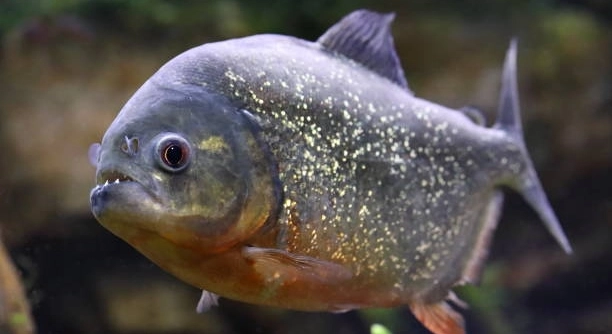
Keeping piranhas healthy starts with maintaining good water quality in their tank. Clean water helps prevent disease and supports their natural behavior. Many fish owners find it challenging to keep water conditions just right for these unique pets.
Improving water quality for piranhas involves regular water changes, monitoring water parameters, and using effective filtration systems. Proper maintenance reduces harmful toxins and creates a stable environment crucial for their well-being and longevity.
Understanding simple water care habits can make a big difference in your piranhas’ health. Small adjustments in daily routine ensure they thrive and stay active in their aquatic home.
Regular Water Changes Are Essential
Changing the water regularly is one of the simplest ways to keep your piranhas’ environment clean. It helps remove waste, leftover food, and harmful chemicals that build up over time. For most piranha tanks, replacing 20-30% of the water every week works well. Use a siphon to clean the tank bottom gently, avoiding stress to your fish. When adding new water, make sure it matches the tank’s temperature and pH to avoid shocking your piranhas. Consistent water changes create a healthier tank and reduce the chance of diseases spreading. Remember, fresh water provides better oxygen and keeps ammonia levels low, which is critical for your fish’s survival. Neglecting water changes can quickly lead to poor water quality, making your piranhas more vulnerable. Keeping a regular schedule is easier than dealing with bigger problems later on.
Routine water changes keep your tank environment balanced and your piranhas comfortable.
Maintaining a clean habitat requires commitment but pays off with vibrant, active fish. Over time, you’ll notice clearer water and healthier behavior. It’s important to test the water parameters regularly to see how your changes affect the tank. Using a water conditioner helps remove chlorine and chloramine from tap water, making it safe for your piranhas. Keeping the tank clean reduces stress and promotes natural feeding and swimming patterns. Your fish will be more resilient to illness when their environment stays stable and fresh. Even with filtration, water changes are necessary to prevent buildup of toxins that filters cannot fully remove. Small, consistent efforts in water care make a big difference in the life of your piranhas.
Using Proper Filtration Systems
A good filtration system is vital for maintaining clear, clean water. Filters remove debris, toxins, and harmful bacteria from the tank.
Choosing the right filter depends on your tank size and piranhas’ needs. Canister filters and hang-on-back filters are popular options. They provide mechanical, chemical, and biological filtration, helping to keep water balanced. Biological filtration is especially important because it supports beneficial bacteria that break down fish waste. Make sure to clean the filter media regularly, but avoid washing it with tap water to preserve these bacteria. Over-filtering can create strong currents that stress piranhas, so select a filter with adjustable flow. An effective filtration system reduces maintenance and keeps the water safe between changes. Pairing filtration with water testing and regular partial water changes gives your piranhas the best living conditions possible.
Monitoring Water Parameters
Regularly testing water parameters helps keep your piranhas safe. Check pH, ammonia, nitrite, and nitrate levels often.
Maintaining stable water conditions is key for piranha health. Their ideal pH ranges between 6.5 and 7.5. Ammonia and nitrite must be kept at zero, as these compounds are toxic. Nitrate should stay below 20 ppm to prevent stress. Using test kits weekly helps detect problems early. Sudden changes in these parameters can cause illness or behavioral issues. If levels are off, partial water changes and filtration adjustments can restore balance quickly. Monitoring parameters ensures a stable and comfortable tank environment.
Tracking these values helps avoid dangerous spikes and keeps your piranhas thriving. It’s a small step that makes a big difference.
Avoiding Overfeeding
Overfeeding increases waste and pollutes water quickly. Feed your piranhas only what they can eat in a few minutes.
Excess food decays and raises ammonia and nitrate levels, harming water quality. Piranhas typically need feeding every other day, and it’s best to offer protein-rich foods like fish chunks or shrimp. Avoid overfeeding to reduce toxins and maintain a clean tank. Removing leftover food after feeding prevents buildup on the tank floor. This habit reduces the burden on your filtration system and helps keep water clear. Balanced feeding also supports healthy growth and prevents obesity in your fish.
Controlling food amounts helps protect water quality and keeps your piranhas active and healthy.
Maintaining Proper Tank Temperature
Piranhas thrive best between 74°F and 82°F. Keeping the water temperature steady supports their metabolism and immune system.
Using a reliable heater and thermometer helps avoid sudden temperature shifts. Fluctuations can stress your fish and lower their resistance to disease.
Avoiding Overcrowding
Too many piranhas in one tank quickly degrade water quality. Overstocking increases waste and causes aggressive behavior.
Provide enough space for each fish to reduce stress. A general rule is one piranha per 20 gallons of water to maintain balance.
Using Live Plants
Live plants improve water quality by absorbing nitrates and producing oxygen. They also offer hiding spots, which calm piranhas.
Plants help create a more natural environment, reducing stress and supporting healthier fish behavior.
Regular Tank Cleaning
Cleaning the tank walls and decorations prevents algae buildup, which can harm water quality.
Remove debris and algae regularly, but avoid disturbing the substrate too much to protect beneficial bacteria.
FAQ
How often should I change the water for my piranhas?
You should change 20-30% of the water once a week. This routine helps keep harmful toxins like ammonia and nitrate at safe levels. More frequent changes may be needed if your tank is crowded or if water tests show poor quality. Always make sure the new water matches the tank’s temperature and pH to avoid shocking your fish.
What water parameters are best for piranhas?
Piranhas prefer a pH between 6.5 and 7.5. Ammonia and nitrite levels should be zero, as they are toxic. Nitrate should be kept below 20 ppm to prevent stress. Temperature should stay steady between 74°F and 82°F. Regular testing helps detect any changes early, so you can adjust care accordingly.
Can I use tap water for my piranha tank?
Tap water can be used but only after treating it with a water conditioner to remove chlorine and chloramine. These chemicals are harmful to fish and can cause illness. Letting tap water sit out won’t remove these chemicals effectively, so always use a conditioner designed for aquarium use.
How much should I feed my piranhas?
Feed only what your piranhas can eat in about 2 to 3 minutes. Usually, feeding every other day is enough. Overfeeding leads to leftover food that pollutes the water and stresses your fish. Use protein-rich foods like fish chunks, shrimp, or specialized pellets for their diet.
What kind of filtration system is best?
A filter that offers mechanical, chemical, and biological filtration is best. Canister filters and hang-on-back filters are popular because they clean debris, remove toxins, and support beneficial bacteria. Avoid filters with very strong currents, as piranhas prefer calmer water.
Why is my water cloudy after a water change?
Cloudy water can result from disturbed substrate or new bacterial growth. It usually clears in a day or two. If it lasts longer, check your filter and water parameters. Make sure you aren’t overfeeding or overcrowding your tank.
Can live plants really improve water quality?
Yes, live plants absorb nitrates, produce oxygen, and help reduce algae growth. They also provide hiding places, which lower stress for your piranhas. Choose hardy plants that can survive in similar temperature and light conditions as your tank.
How can I prevent algae buildup?
Limit light exposure to 8-10 hours a day and avoid overfeeding, which adds nutrients algae need to grow. Regular tank cleaning, including scrubbing the walls and decorations, also helps keep algae under control.
Is it okay to keep multiple piranhas together?
You can keep multiple piranhas, but avoid overcrowding. Provide at least 20 gallons of water per fish to reduce aggression and waste buildup. Overcrowding leads to stress, poor water quality, and increased disease risk.
What should I do if water parameters are off?
Perform a partial water change immediately to reduce harmful chemicals. Check your filter for clogs or damage. Adjust feeding habits if excess waste is the problem. If problems persist, retest water daily and consider consulting an aquarium specialist.
Taking care of piranhas means paying close attention to their water quality. Good water keeps them healthy and active. It’s important to keep the tank clean by doing regular water changes, testing the water often, and using a good filtration system. These steps remove waste and harmful chemicals, which can quickly build up and cause problems. When water quality is stable, piranhas are less likely to get sick. A stable environment also helps them behave naturally, which is good for their overall well-being.
Another key part of caring for piranhas is managing how much and what you feed them. Overfeeding can cause leftover food to decay, polluting the water and making it harder to keep clean. Feeding your piranhas the right amount, and removing uneaten food after a few minutes, helps reduce waste. This simple habit supports better water quality and keeps your fish from getting stressed or sick. Along with feeding, keeping the tank temperature steady and avoiding overcrowding also play important roles. These factors work together to create a balanced and healthy home for your piranhas.
Finally, it is helpful to add live plants and clean the tank regularly. Live plants improve water quality by absorbing harmful nitrates and giving off oxygen. They also provide hiding spots that help your piranhas feel safe and less stressed. Regular cleaning of the tank walls and decorations prevents algae buildup, which can also affect water quality. By combining all these practices, you ensure that your piranhas live in a healthy, comfortable environment. Taking these steps may require some effort, but the result is happy, thriving fish that show their natural behaviors and live longer lives.

Hello,
If you enjoy the content that we create, please consider saying a "Thank You!" by leaving a tip.
Every little bit helps us continue crafting quality advice that supports the health, happiness, and well-being of pets around the world, for pets of all shapes, sizes, and species.
We really appreciate the kindness and support that you show us!