
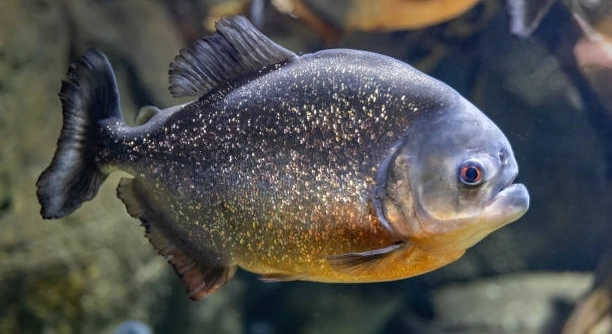
Caring for a piranha means knowing what healthy behavior and appearance look like. Many people keep these fish as pets and want to ensure their well-being. Recognizing signs of security and health helps maintain a thriving environment.
A secure and healthy piranha displays clear eyes, vibrant coloration, steady swimming, good appetite, smooth scales, strong fins, and calm behavior in its tank environment. These indicators reflect proper care, nutrition, and minimal stress.
Knowing these signs can improve your ability to provide the best care for your piranha. This guide will highlight the key factors that show your fish is doing well.
Clear Eyes and Vibrant Coloration
Clear eyes are one of the first signs that a piranha is healthy. Cloudy or dull eyes can indicate illness or poor water conditions. When the eyes are bright and transparent, it means the fish is not stressed or suffering from infection. Vibrant coloration is another key sign. Healthy piranhas show strong, rich colors that can range from silver to red tones depending on the species. Faded or pale colors may suggest malnutrition, stress, or disease. Keeping the tank clean and providing a balanced diet supports both clear eyes and bright colors. Regular water changes and monitoring parameters like pH and temperature also prevent problems. Observing these traits helps catch issues early and keeps your piranha looking and feeling its best.
Healthy eyes and coloration are important for overall fish well-being and tank aesthetics.
Maintaining good water quality and offering varied food will enhance your piranha’s natural beauty and health. This attention to detail makes a big difference in their appearance and behavior.
Steady Swimming and Good Appetite
Steady swimming shows your piranha is confident and comfortable in its environment. Erratic or sluggish movement often signals stress or illness. Normal swimming patterns include smooth, purposeful motion and balanced positioning in the water column. When your piranha swims steadily, it is likely free of infections or injuries that could impair mobility.
A good appetite complements steady swimming. Healthy piranhas eagerly eat a variety of foods, including pellets, frozen, and live feed. Loss of appetite can indicate stress, water issues, or illness. Feeding appropriate amounts at regular intervals keeps the fish energized and supports growth.
Watching your piranha’s swimming and eating habits is a reliable way to assess its health daily.
Smooth Scales and Strong Fins
Smooth, intact scales protect piranhas from infections and parasites. Scales should lie flat and have a shiny, uniform appearance. Rough, missing, or damaged scales often point to physical injury or poor water conditions. Keeping the tank clean and avoiding overcrowding helps prevent scale damage.
Strong fins without tears or discoloration also indicate good health. Fins are essential for swimming and balance, so any damage can affect the fish’s ability to move properly. Healthy fins look full and well-shaped without ragged edges. Proper nutrition, low stress, and clean water all contribute to fin strength.
Checking scales and fins regularly helps catch problems before they worsen. Ensuring your piranha’s environment supports healthy skin and fins is key to its overall health and comfort.
Calm Behavior in the Tank
Calm behavior means your piranha feels secure in its space. Sudden darting or hiding can be signs of stress or discomfort.
When piranhas are calm, they explore their tank steadily without frantic movements. This shows the environment suits them, including proper water conditions and compatible tank mates. Calm fish also reduce their energy use, which helps maintain good health. Stress can come from overcrowding, poor water quality, or aggressive companions. Watching for calm, natural behavior helps you spot problems early. If your piranha stays mostly still and swims smoothly, it likely feels safe.
Maintaining a peaceful environment with stable water and enough hiding spots supports this calm behavior.
Proper Tank Environment and Regular Care
A secure piranha needs the right tank size and clean water. Minimum tank size depends on the number and size of piranhas, but overcrowding causes stress and illness. Using a good filtration system helps keep the water clear and free of harmful chemicals. Regular water changes are crucial to maintain stable conditions.
Besides water quality, temperature should stay consistent within the species’ preferred range. Avoid sudden changes, which can shock your fish. Decorate the tank with hiding places like plants or rocks to mimic their natural habitat, which encourages calmness. Checking water parameters regularly prevents health problems.
Consistent care and tank maintenance ensure your piranha stays safe, comfortable, and healthy. This commitment improves their longevity and well-being.
Strong Immune System
A strong immune system helps your piranha fight off diseases and infections naturally. Healthy fish recover faster from stress or minor injuries.
Good nutrition, clean water, and low stress levels are key to maintaining strong immunity. Avoid sudden changes in environment or diet, which can weaken defenses.
Social Behavior and Interaction
Piranhas often show social behavior by interacting with tank mates and responding to their surroundings. Healthy piranhas may swim together calmly or display mild dominance without aggression. Aggressive or isolated fish may be stressed or unwell. Observing how your piranha interacts helps gauge its overall condition. Proper group size and tank setup support positive social behavior, reducing stress and improving health.
Responsive to Feeding
Piranhas that eagerly respond to feeding time show good health. Lack of interest or slow reactions may indicate illness or poor water quality.
No Signs of Disease
Absence of visible symptoms like white spots, swelling, or discoloration means your piranha is likely free from disease.
FAQ
How often should I check my piranha’s tank water?
It’s best to check your piranha’s tank water at least once a week. Testing key parameters like pH, ammonia, nitrites, and nitrates helps catch any changes before they become harmful. Regular water changes every one to two weeks also keep the environment stable and clean.
What is the ideal tank size for a piranha?
A single adult piranha needs at least 20 gallons of water. If you keep a group, increase the size by 10 gallons per fish to prevent overcrowding. More space helps reduce stress and aggression among the fish.
Can piranhas live with other fish?
Piranhas can be aggressive, so choosing tank mates requires caution. They do better with similar-sized, robust fish that can handle themselves. Avoid small or slow species that might get bullied or eaten.
What should I feed my piranha?
Piranhas are carnivores and prefer a diet of high-quality pellets, frozen or live fish, and occasional insects. Avoid feeding only one type of food to provide balanced nutrition. Overfeeding can cause health problems, so feed them only what they can eat in a few minutes.
How do I recognize stress in my piranha?
Signs of stress include hiding frequently, erratic swimming, loss of appetite, and faded colors. Stress often results from poor water quality, overcrowding, or sudden changes in the tank. Addressing these issues quickly can help your fish recover.
Why is my piranha’s color fading?
Fading colors usually point to stress, illness, or poor diet. Make sure water conditions are ideal, and provide varied, nutritious food. Sometimes lighting can affect how colors appear, but persistent dullness is a concern.
How can I prevent diseases in my piranha?
Maintaining clean water and a stable environment is key to disease prevention. Quarantine new fish before adding them to the tank. Avoid overfeeding and monitor your fish daily for early signs of illness.
What do I do if my piranha stops eating?
If your piranha refuses food, check water quality immediately. Also, ensure the food is fresh and appropriate. Sometimes fish may stop eating during stressful times, but prolonged loss of appetite requires a health check or consultation with a vet.
Is it normal for piranhas to be aggressive?
Some aggression is normal, especially during feeding or territorial disputes. However, constant fighting or injury is a sign of stress or overcrowding. Providing enough space and hiding spots helps reduce aggressive behavior.
How long do piranhas typically live?
With proper care, piranhas can live 10 to 15 years in captivity. A healthy environment and diet are crucial for reaching this lifespan. Regular monitoring and care increase their chances of a long life.
What temperature should I keep the tank?
Piranhas prefer water between 74°F and 82°F (23°C to 28°C). Keeping the temperature stable within this range supports their metabolism and immune system. Avoid sudden temperature changes, which can stress them.
How often should I feed my piranha?
Adult piranhas generally do well being fed every other day. Juveniles may need feeding once daily. Avoid overfeeding as leftover food pollutes the tank and harms water quality.
Can piranhas recognize their owners?
Piranhas can recognize movements and may react to feeding times or familiar routines. While they don’t bond like some pets, they show curiosity and may follow your hand when you approach the tank.
What are common signs of illness in piranhas?
Look for white spots, fin rot, lethargy, swelling, or unusual swimming. Early detection and treatment improve recovery chances. Keeping the tank clean and stable reduces illness risk.
Should I use a heater in the piranha tank?
Yes, maintaining consistent warmth is important. A reliable heater helps keep the water temperature in the preferred range. Avoid placing the heater too close to the fish’s resting areas.
How do I introduce new piranhas to my tank?
Quarantine new piranhas for at least two weeks before adding them to the main tank. Gradually acclimate them to the water temperature and quality. Introducing fish slowly helps reduce stress and aggression.
These answers cover many common concerns and help ensure your piranha stays healthy and secure in its environment. Regular observation and proper care go a long way.
Final Thoughts
Taking care of a piranha means paying close attention to its health and behavior every day. Watching for clear eyes, bright colors, smooth scales, and strong fins helps you know if the fish is doing well. Steady swimming and a good appetite are important signs that your piranha feels safe and comfortable. These physical and behavioral cues give a good picture of its overall condition without needing special equipment or tests. By learning to recognize these signs early, you can act quickly if something seems off, helping your fish avoid serious problems.
A calm and secure environment plays a big role in keeping your piranha healthy. Providing a large enough tank, clean water, and stable temperature creates a comfortable home for your fish. Adding hiding spots and choosing compatible tank mates reduces stress and aggressive behavior. Stress weakens the immune system and makes piranhas more prone to illness. Regular maintenance like water changes and testing water parameters keeps conditions stable and safe. These simple but consistent care habits support your piranha’s well-being and help it thrive for many years.
Finally, feeding your piranha a varied and balanced diet is key. Piranhas need quality protein and nutrients to stay strong and energetic. Avoid overfeeding, which can pollute the tank and cause health issues. Watching how your fish responds to feeding times gives clues about its health. If your piranha shows loss of appetite or changes in behavior, check water quality and tank conditions right away. Caring for a piranha takes patience and attention, but the rewards are a healthy, active fish that brings a unique presence to your aquarium.

Hello,
If you enjoy the content that we create, please consider saying a "Thank You!" by leaving a tip.
Every little bit helps us continue crafting quality advice that supports the health, happiness, and well-being of pets around the world, for pets of all shapes, sizes, and species.
We really appreciate the kindness and support that you show us!