
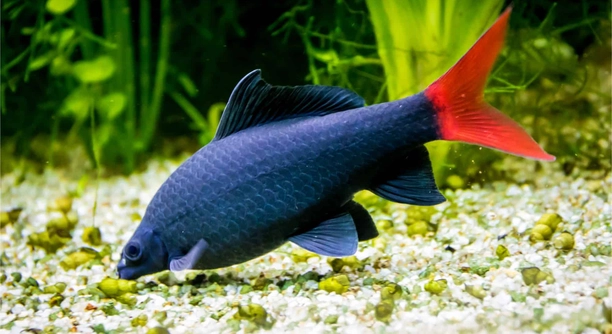
Rainbow Sharks are popular aquarium fish known for their vibrant colors and active behavior. Introducing new tankmates can sometimes cause stress or territorial disputes for these fish. Proper care and attention can help them adapt smoothly to their new environment.
Helping a Rainbow Shark adjust to new tankmates involves providing adequate space, maintaining good water quality, introducing compatible species, monitoring behavior closely, and offering hiding spots. Gradual acclimation and minimizing sudden changes reduce stress and promote peaceful coexistence.
These steps will help ensure your Rainbow Shark and its new companions live together harmoniously. Understanding their needs is key to a balanced aquarium environment.
Provide Adequate Space for Your Rainbow Shark
Rainbow Sharks need plenty of room to swim freely and establish their own territory. A tank size of at least 30 gallons is recommended when introducing new tankmates. Overcrowding can lead to aggression and stress, so ensure each fish has enough space to avoid conflicts. Creating separate areas with decorations or plants helps break up the tank and gives your Rainbow Shark places to retreat. This also reduces competition for territory and allows the fish to settle in more comfortably.
Ensuring ample space reduces the chance of fights and helps your Rainbow Shark feel more secure in its environment.
Planning your tank layout with enough open swimming areas and hiding spots can make a big difference. This approach encourages peaceful interactions and lets each fish maintain its own space without feeling threatened.
Maintain Good Water Quality
Maintaining clean, stable water conditions is essential when adding new tankmates. Poor water quality can increase stress and weaken your Rainbow Shark’s immune system, making it harder to adjust. Regular water changes, testing for ammonia, nitrites, and nitrates, and using a reliable filtration system support a healthy environment. Keep the temperature stable around 74–79°F and ensure the pH level stays between 6.5 and 7.5 to match your fish’s natural habitat.
Introducing new fish slowly helps avoid sudden changes in water chemistry that might disturb your Rainbow Shark. Gradually acclimate new tankmates to the water to reduce stress and prevent shock. By keeping water conditions optimal, you create a safer space for all the fish to thrive together. Regular maintenance and observation help catch problems early before they affect your fish’s well-being.
Introduce Compatible Tankmates
Choosing tankmates that get along well with Rainbow Sharks is crucial. Avoid aggressive or overly territorial fish that may cause fights. Opt for peaceful, mid- to bottom-dwelling species to keep the tank balanced.
Peaceful species such as Corydoras catfish, tetras, and rasboras generally coexist well with Rainbow Sharks. These fish occupy different tank levels and have calmer temperaments, reducing competition. Avoid fin-nippers or aggressive fish like some cichlids, which can provoke stress or injury. Compatibility helps reduce tension and creates a more stable environment. Research each species’ needs before adding them, paying attention to water parameters and behavior to ensure harmony.
Taking time to select compatible fish is an investment in your tank’s health. Balanced tankmates make it easier for your Rainbow Shark to adjust and thrive. Over time, you’ll notice fewer conflicts and a more peaceful aquarium.
Monitor Behavior Closely
Watch your Rainbow Shark’s interactions closely after introducing new tankmates. Early signs of stress or aggression require immediate attention. Look for chasing, fin damage, or hiding.
Intervene if aggression persists by rearranging decorations or separating fish temporarily. Sometimes moving the tankmates around can break established territories and reduce fights. Provide extra hiding spots for stressed fish to retreat safely. Observation helps identify compatibility issues before they worsen, keeping your tank peaceful. Keeping a close eye ensures you catch problems early and maintain a healthy environment for everyone.
Offer Hiding Spots
Providing plenty of hiding spots helps your Rainbow Shark feel secure. Use plants, rocks, and caves to create sheltered areas in the tank.
Hiding places reduce stress by giving fish a safe retreat during conflicts. They help balance the tank’s social dynamics.
Gradual Acclimation
Introducing new tankmates gradually minimizes stress for your Rainbow Shark. Add one or two fish at a time instead of many all at once.
This slow approach allows your Rainbow Shark to get used to the new environment and reduces the chance of aggression. It also helps you monitor how well the new fish integrate with the existing community.
Minimize Sudden Changes
Sudden changes in the tank, like new decorations or water parameters, can unsettle your Rainbow Shark. Keep changes slow and steady to maintain stability.
Stability in the tank environment supports better adjustment and less stress for all fish.
What are the best tankmates for Rainbow Sharks?
The best tankmates for Rainbow Sharks are peaceful fish that occupy different areas of the tank, such as Corydoras catfish, tetras, and rasboras. These species tend to stay mid or upper-level in the tank, while Rainbow Sharks mainly swim near the bottom. This reduces competition and territorial disputes. Avoid aggressive or fin-nipping fish like some cichlids, as they can stress or injure your Rainbow Shark. Always consider the adult size and temperament of any fish before adding them to your tank to ensure they are compatible.
How much space does a Rainbow Shark need to live comfortably?
Rainbow Sharks require at least a 30-gallon tank to have enough swimming space. They are active fish that like to explore and establish territory. Overcrowding can lead to stress and aggression, so providing ample room is essential. Larger tanks with plenty of hiding spots and open swimming areas help reduce tension and give your Rainbow Shark a better chance to adjust to new tankmates. Always aim for the largest tank possible when planning a community aquarium that includes Rainbow Sharks.
Why is hiding space important for Rainbow Sharks?
Hiding spots reduce stress by offering places where Rainbow Sharks can retreat if they feel threatened. Rocks, plants, and caves break up the tank visually and physically, helping fish create their own territories. Without enough hiding places, Rainbow Sharks may feel exposed and become aggressive or overly shy. Hiding spots support peaceful interactions and provide refuge during conflicts or changes in the tank environment, which is especially important when introducing new fish.
How should I introduce new fish to a tank with Rainbow Sharks?
Introduce new fish slowly and in small numbers. Adding one or two new tankmates at a time helps your Rainbow Shark adjust gradually. Sudden changes or many new fish at once can cause stress and provoke aggressive behavior. Use a quarantine tank for new fish when possible to prevent disease. When adding fish, float the bag in the tank water for 15-30 minutes, then gradually mix tank water into the bag before releasing the fish. This process helps all fish acclimate to water parameters slowly.
What signs show that my Rainbow Shark is stressed?
Signs of stress include hiding constantly, loss of appetite, rapid breathing, faded colors, or excessive aggression toward tankmates. You might also notice damaged fins or unusual swimming patterns, such as darting or rubbing against objects. Stress often results from poor water quality, overcrowding, or incompatible tankmates. Monitoring behavior closely, maintaining clean water, and providing hiding spots can reduce stress and promote a healthier environment for your Rainbow Shark.
Can Rainbow Sharks live with other bottom-dwelling fish?
Rainbow Sharks prefer to claim their own bottom territory and can become territorial with other bottom dwellers. However, peaceful species like Corydoras catfish can often coexist because they have different habits and are less aggressive. Avoid stocking your tank with multiple territorial bottom fish that compete for space, as this can lead to fights. Balancing the tank with fish that occupy different levels helps reduce competition and stress.
How often should I change the water in a tank with Rainbow Sharks?
Change 20-30% of the tank water every week to keep the environment clean and stable. Regular water changes help remove waste, toxins, and excess nutrients that can stress fish. Maintaining stable water conditions with proper filtration supports your Rainbow Shark’s health and helps new tankmates adjust smoothly. Frequent monitoring of water parameters such as ammonia, nitrites, nitrates, and pH is also essential for early problem detection.
What temperature and pH level do Rainbow Sharks need?
Rainbow Sharks thrive in temperatures between 74°F and 79°F (23°C to 26°C). The ideal pH range is 6.5 to 7.5, which mimics their natural habitat. Keeping the water within these ranges ensures your Rainbow Shark stays healthy and active. Sudden changes in temperature or pH can cause stress and make it harder for your fish to adjust to new tankmates. Use a reliable heater and test kits to monitor conditions regularly.
How can I reduce aggression in a tank with Rainbow Sharks?
Provide plenty of space, hiding spots, and compatible tankmates to minimize aggression. Rearranging decorations after adding new fish can break up established territories and reduce fights. Avoid overcrowding and sudden changes to the tank environment. Feeding your Rainbow Shark regularly and with a balanced diet also reduces competition and aggression. If aggression continues, consider separating fish temporarily or permanently to prevent injury.
Is it normal for Rainbow Sharks to chase other fish?
Rainbow Sharks are naturally territorial and may chase other fish, especially when new tankmates are introduced. This behavior is often a way of establishing dominance or protecting their space. However, excessive chasing or harassment can stress other fish and cause injury. Ensuring sufficient tank space, hiding places, and peaceful tankmates helps limit chasing behavior. If chasing becomes severe, intervention may be needed to protect the health of all fish in the tank.
Helping your Rainbow Shark adjust to new tankmates requires careful planning and attention. Each step, from choosing the right companions to providing enough space and hiding spots, plays an important role in creating a peaceful environment. Rainbow Sharks are territorial by nature, so they need room to establish their space without feeling threatened. When this is done well, the chances of aggression and stress are much lower. A calm, stable tank supports the health and happiness of all your fish.
Maintaining good water quality is another key factor. Clean, stable water conditions reduce stress and prevent illness, making it easier for your Rainbow Shark to accept new neighbors. Regular water changes, proper filtration, and monitoring of parameters like temperature and pH are essential. Sudden changes can upset the balance, so introduce new fish slowly and allow time for everyone to adjust. Observing your fish closely during this period can help you spot problems early and address them quickly.
Patience is important throughout the adjustment process. Your Rainbow Shark may take some time to get used to new tankmates, and that is normal. Providing hiding places and maintaining a consistent routine can help ease this transition. Avoid overcrowding the tank and avoid mixing aggressive species with your Rainbow Shark. By following these steps, you create a balanced, comfortable aquarium where your Rainbow Shark and its tankmates can live together peacefully. With time and care, you will see a happier, healthier fish community.

Hello,
If you enjoy the content that we create, please consider saying a "Thank You!" by leaving a tip.
Every little bit helps us continue crafting quality advice that supports the health, happiness, and well-being of pets around the world, for pets of all shapes, sizes, and species.
We really appreciate the kindness and support that you show us!