
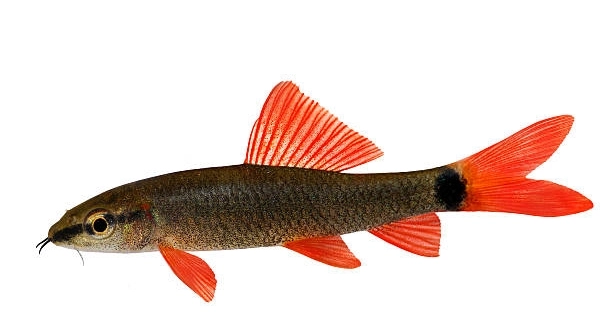
Rainbow sharks are popular aquarium fish known for their bright, shimmering colors. Many owners enjoy their vibrant appearance, but sometimes these fish begin to lose their color without clear explanation. Understanding why this happens can help keep your rainbow shark healthy and colorful.
Rainbow sharks lose color primarily due to stress, poor water quality, inadequate diet, disease, or aging. Environmental factors and tank conditions also play critical roles in maintaining their vivid pigmentation and overall health.
Recognizing these causes is essential for restoring your fish’s color and ensuring a thriving aquarium environment.
Stress and Its Impact on Rainbow Shark Coloration
Stress is a common factor that causes rainbow sharks to lose their vibrant colors. Changes in their environment, aggressive tank mates, or overcrowding can increase stress levels. When stressed, these fish produce hormones that can dull their pigmentation as a survival response. They may also hide more and eat less, which further affects their color. Providing plenty of hiding places and maintaining stable tank conditions can reduce stress. Keeping compatible fish species and avoiding sudden changes in water temperature or lighting also helps. Regular monitoring of tank dynamics is important to keep stress low and colors bright.
Stress affects fish quickly, so addressing it early can restore their coloration and overall well-being.
Creating a calm environment is key to preventing color loss. Consistent care, gentle handling, and proper tank setup make a big difference. Observing your rainbow shark’s behavior can give clues about stress, helping you act before colors fade significantly.
Water Quality and Its Role in Color Fading
Poor water quality is a major reason for rainbow sharks losing color. Dirty water or incorrect chemical levels cause stress and health problems.
Maintaining clean water through regular changes and proper filtration supports healthy skin and bright colors.
Water parameters such as pH, ammonia, nitrite, and nitrate levels need constant monitoring. Ammonia and nitrites are toxic, while high nitrates weaken fish health. Using water testing kits helps keep these in check. Frequent water changes remove waste and toxins that build up. Also, keeping temperature steady within the recommended range reduces stress. Chlorine and heavy metals in tap water must be removed with conditioners before adding water. A well-maintained tank mimics natural conditions, allowing the rainbow shark’s colors to flourish. Clean water encourages good appetite and active behavior, both important for vibrant coloration. Ignoring water quality risks not only color fading but also illness and premature death. Consistent tank maintenance is essential for long-term health and color retention.
Inadequate Diet and Nutritional Deficiencies
A poor diet can cause your rainbow shark’s colors to fade. Without the right nutrients, their pigmentation weakens, and health suffers.
Rainbow sharks need a balanced diet rich in proteins, vitamins, and minerals to maintain their vibrant colors. Feeding them a mix of high-quality flakes, pellets, and occasional live or frozen foods provides essential nutrients. Foods containing carotenoids, such as shrimp or spirulina, can boost coloration. Overfeeding or feeding only one type of food can lead to deficiencies and dull colors. Regularly varying their diet supports both health and appearance. Monitoring your fish’s eating habits helps ensure they get the nutrients needed to keep their colors bright.
Feeding fresh and nutrient-rich foods, avoiding fillers, and maintaining feeding routines can greatly improve your fish’s color intensity. It’s important to avoid over-reliance on inexpensive or low-quality foods.
Disease and Parasites
Diseases and parasites can cause color loss in rainbow sharks. These problems often affect the skin and overall health.
Infections like fungal, bacterial, or parasitic infestations damage the skin and scales, leading to faded colors and lethargy. Parasites such as ich or flukes irritate the fish, causing stress and reduced appetite. Early signs include spots, discoloration, or unusual behavior. Prompt diagnosis and treatment are critical to prevent permanent damage. Quarantining new fish before adding them to the tank helps avoid spreading diseases. Regular observation and tank cleaning reduce infection risks. Using appropriate medications as directed can restore health and color. Preventing disease through good husbandry is more effective than treatment after infection.
Aging and Natural Color Changes
Rainbow sharks may lose some color as they age. This is a natural process that happens over time.
Older fish often display less intense pigmentation, which is normal and not necessarily a sign of poor health.
Lighting Conditions
Proper lighting affects the color of your rainbow shark. Too little or too much light can cause fading.
Balanced lighting that mimics their natural environment helps maintain vibrant colors. Using a timer ensures consistent light cycles, preventing stress. Avoid placing the tank in direct sunlight, which can cause algae growth and temperature fluctuations. Adequate lighting supports healthy behavior and bright coloration.
Tank Size and Environment
A cramped tank or poor environment can stress your rainbow shark, leading to dull colors.
Providing enough space and a well-decorated tank with hiding spots helps reduce stress and keeps your fish’s colors vivid.
Why is my rainbow shark’s color fading suddenly?
Sudden color fading is usually caused by stress, poor water conditions, or illness. Changes in the tank environment, aggressive tank mates, or improper temperature can quickly stress the fish. Checking water parameters and observing behavior helps identify the issue early. Treating the root cause often restores color.
How can I improve my rainbow shark’s color?
Improving color involves maintaining stable water quality, feeding a balanced diet rich in nutrients, and reducing stress. Regular water changes and proper filtration keep the environment clean. Including foods with carotenoids, like shrimp or spirulina, enhances pigmentation. Avoid overcrowding and provide hiding spots to minimize stress.
Is it normal for rainbow sharks to lose color as they get older?
Yes, some color loss with age is natural. Older fish often show duller colors due to slower metabolism and changes in pigment cells. This does not usually indicate illness but should be monitored to ensure it is not caused by health problems.
Can lighting affect the color of my rainbow shark?
Yes, lighting has a strong impact. Too much light can cause stress and algae growth, while too little light leads to dull colors. Use moderate, consistent lighting with a timer to mimic natural day and night cycles. Avoid direct sunlight on the tank.
What water parameters are best for maintaining color?
Rainbow sharks thrive in water with a pH between 6.5 and 7.5, temperatures from 74°F to 80°F (23°C to 27°C), and low ammonia, nitrite, and nitrate levels. Keeping these stable prevents stress and supports bright coloration. Regular testing is important.
Could diet alone restore my fish’s color?
Diet is a key factor but not the only one. Feeding foods rich in carotenoids and vitamins helps pigment recovery, but water quality, stress, and health must also be addressed. Balanced nutrition combined with proper care is necessary for lasting color improvement.
How do I know if disease is causing color loss?
Look for additional signs such as lethargy, loss of appetite, spots, or unusual swimming behavior. Color loss from disease usually comes with other symptoms. If you notice these signs, quarantine the affected fish and seek treatment promptly.
Can overcrowding cause my rainbow shark to lose color?
Overcrowding increases stress and competition for resources, which can cause color fading. Ensure your tank size matches the number of fish and provide enough hiding spots to reduce aggression. A peaceful environment supports healthy coloration.
Is it safe to use medications to restore color?
Medications can help if color loss is due to illness, but they should be used carefully. Overuse or incorrect treatment can cause more stress. Always follow instructions and consult with a specialist if unsure. Prevention through good care is preferable.
How often should I change the water to maintain color?
Regular water changes, about 20-30% weekly, help keep water clean and chemical levels low. Consistent maintenance prevents buildup of toxins that dull color. Avoid large sudden changes to prevent stress.
What tank size is ideal for a rainbow shark?
A minimum of 30 gallons is recommended for one rainbow shark. Larger tanks provide more swimming space and reduce stress. Proper space is essential for healthy behavior and vibrant colors.
Can stress from tank mates affect color?
Yes, aggressive or territorial tank mates stress rainbow sharks, leading to color loss. Choose compatible species and monitor interactions. Removing or isolating aggressive fish helps maintain a peaceful tank.
How important are hiding spots for color maintenance?
Hiding spots reduce stress by offering shelter. When fish feel secure, they show brighter colors. Use plants, rocks, or decorations to create safe areas in the tank.
Does temperature fluctuation cause color fading?
Frequent or extreme temperature changes stress fish and can cause color loss. Maintaining a stable temperature within the ideal range is vital for health and pigmentation.
Can lighting schedules affect fish stress and color?
Yes, irregular lighting can confuse fish and cause stress. Using a timer for consistent light and dark periods supports normal behavior and color retention.
Maintaining the bright colors of your rainbow shark requires careful attention to its environment, diet, and overall health. Several factors can cause color fading, including stress, poor water quality, inadequate nutrition, disease, and aging. Each of these elements plays a role in how vibrant your fish appears. Keeping these factors in balance helps ensure your rainbow shark remains colorful and healthy over time. Simple steps such as regular water changes, proper feeding, and monitoring tank conditions make a significant difference in preserving its natural beauty.
Stress is one of the most common reasons for color loss in rainbow sharks. It can result from overcrowding, aggressive tank mates, or sudden changes in water parameters. Creating a calm and stable environment with enough space and hiding spots reduces stress. Proper tank maintenance, including cleaning and keeping water chemistry stable, also supports your fish’s well-being. By minimizing stress, you help your rainbow shark maintain its bright and attractive colors. Paying close attention to the behavior of your fish can provide early warning signs of stress or illness before color loss becomes severe.
While some color changes may occur naturally with aging, most fading can be prevented or reversed through good care. A balanced diet with nutrients that support pigmentation, consistent lighting, and regular health checks all contribute to keeping your fish vibrant. Addressing problems early, whether they involve water quality or disease, can restore your rainbow shark’s color and vitality. Understanding these factors allows you to create a suitable environment where your fish can thrive and display its best colors for years to come.

Hello,
If you enjoy the content that we create, please consider saying a "Thank You!" by leaving a tip.
Every little bit helps us continue crafting quality advice that supports the health, happiness, and well-being of pets around the world, for pets of all shapes, sizes, and species.
We really appreciate the kindness and support that you show us!