
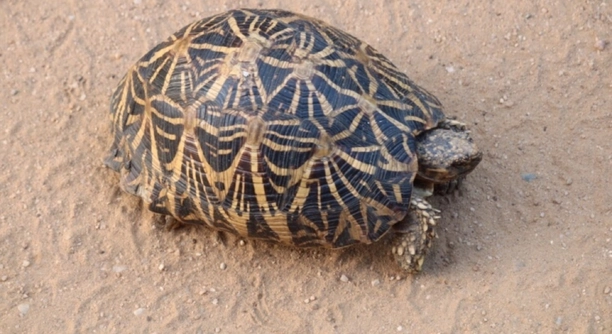
Respiratory issues in Indian star tortoises are common and can lead to severe health problems. Understanding how to prevent these issues is crucial for their well-being. With the right care, you can ensure your tortoise stays healthy.
To prevent respiratory problems in your Indian star tortoise, maintaining proper humidity, temperature, and cleanliness in their habitat is essential. Ensure your tortoise’s enclosure has enough space, good ventilation, and access to UVB lighting for their overall health.
Taking these preventive steps will help ensure your tortoise thrives and avoids respiratory complications. Stay informed to keep your pet in top condition.
Maintaining Proper Temperature
Temperature regulation is a key factor in preventing respiratory issues in Indian star tortoises. Their habitat should maintain a temperature range of 75°F to 85°F during the day, with a basking spot reaching up to 95°F. At night, the temperature can drop to 70°F. It’s important to ensure the tortoise’s environment stays consistent to avoid stress or discomfort.
For the best results, use reliable thermometers to check the temperature regularly. Avoid placing the enclosure in drafty areas or near heat sources that fluctuate. Having a proper heat source, such as a heat lamp or ceramic heater, will help regulate warmth.
You can also use a thermostat to ensure temperatures remain stable, which helps prevent the risk of overheating or becoming too cold. With consistent temperature control, your tortoise will be less likely to develop respiratory problems. Taking these steps creates a comfortable space where your tortoise can thrive.
Ensuring Proper Humidity
Maintaining proper humidity levels is equally essential. Indian star tortoises require a humidity level between 50% and 70%. Too much moisture can promote fungal growth, while too little can lead to dehydration.
To regulate humidity, mist the enclosure with water daily. Using a humidity gauge can help you keep track. If you notice the air is too dry, consider adding a shallow water dish or using a humidifier. This creates a stable, comfortable environment for your tortoise.
Providing Adequate Ventilation
Good ventilation is crucial in preventing respiratory issues in Indian star tortoises. It helps circulate fresh air and reduces the risk of harmful bacteria or mold buildup.
Ensure your tortoise’s enclosure has enough ventilation holes or mesh. Proper airflow helps regulate temperature and humidity, preventing the environment from becoming stagnant. Without proper airflow, your tortoise may face respiratory difficulties due to the lack of fresh oxygen.
If the enclosure is too enclosed, air can become stuffy and increase the risk of infections. Consider adjusting the ventilation according to the size of the tank to achieve balanced airflow. This simple step ensures a healthier living space for your tortoise.
Keeping the Enclosure Clean
Regular cleaning of your tortoise’s habitat is essential in preventing respiratory infections. Fecal matter, uneaten food, and waste products can harbor bacteria that may contribute to respiratory issues.
Set a schedule to clean your tortoise’s enclosure thoroughly. Disinfect surfaces, wash water bowls, and replace bedding regularly. Using non-toxic cleaning products is crucial to avoid harming your tortoise. A clean environment reduces stress and helps keep your pet healthy.
Besides cleaning the habitat, also ensure the UVB light fixture is kept free of dust. This keeps the tortoise’s environment both hygienic and safe, minimizing the chances of respiratory infections. A consistent cleaning routine is one of the best practices to promote long-term health.
Offering Proper Nutrition
A balanced diet is essential for your Indian star tortoise’s immune system, helping prevent respiratory issues. Ensure your tortoise receives a mix of leafy greens, vegetables, and occasional fruits.
Avoid feeding them too many high-oxalate foods, which can lead to kidney problems. Also, provide a calcium supplement to support their shell health. A proper diet will keep their immune system strong, reducing the risk of infections.
Feeding your tortoise the right foods also promotes a healthy weight and better overall health. This ensures they’re better able to fight off any illness or respiratory condition.
Using UVB Lighting
UVB lighting plays a vital role in your tortoise’s health by helping them metabolize calcium. This reduces the risk of respiratory infections linked to poor bone health.
Position the UVB light so it’s within reach of your tortoise’s basking spot, ensuring they get enough exposure. Replace the bulbs every 6 to 12 months, as their effectiveness fades over time. A consistent day-night cycle is important for your tortoise’s internal rhythm. This exposure helps maintain overall well-being and supports their immune system. Without proper UVB light, your tortoise is at a higher risk for respiratory problems.
Avoiding Stressful Situations
Stress can weaken your tortoise’s immune system, making it more vulnerable to respiratory issues. Keep the environment calm and avoid sudden changes to their habitat.
Ensure your tortoise has enough hiding spaces to retreat when they need peace. Avoid handling them too frequently, as this can cause stress. Create a predictable routine to help your tortoise feel secure. A stress-free environment allows your tortoise to thrive and reduces the chances of illness.
FAQ
What are the signs of respiratory issues in an Indian star tortoise?
The most common signs of respiratory problems include wheezing, nasal discharge, labored breathing, and lethargy. If you notice these symptoms, it’s essential to act quickly. Respiratory infections in tortoises can be serious if left untreated. Keep an eye out for these warning signs, and consult a vet if needed. Early intervention can help prevent further complications.
How can I prevent respiratory infections in my tortoise?
To prevent respiratory issues, it’s important to maintain proper temperature, humidity, and ventilation in your tortoise’s habitat. Regular cleaning of their enclosure is crucial to reduce the risk of bacterial infections. Providing a balanced diet, UVB lighting, and avoiding stress also contributes to their respiratory health. Always monitor their environment to ensure these factors are well-maintained.
Is it safe to handle my Indian star tortoise when they’re showing signs of illness?
It’s best to minimize handling when your tortoise is sick, as stress can worsen their condition. Stress weakens their immune system, which may prolong recovery or make them more vulnerable to further health issues. If you need to move your tortoise, do so gently and avoid causing extra strain on their body.
Can poor diet contribute to respiratory problems in Indian star tortoises?
Yes, a poor diet can weaken your tortoise’s immune system, making them more susceptible to respiratory issues. Feeding them an unbalanced diet, especially one low in calcium, can also contribute to bone health problems, which can indirectly affect respiratory function. A well-balanced diet is key to keeping your tortoise healthy.
How often should I clean my tortoise’s enclosure to prevent respiratory issues?
Clean your tortoise’s enclosure regularly, at least once a week, to prevent the buildup of waste and bacteria. Daily spot cleaning of food remnants and feces is also recommended. Ensure the water bowl is replaced and cleaned every day to keep the environment free from harmful pathogens that can lead to respiratory infections.
What temperature and humidity should I maintain in my tortoise’s enclosure?
The ideal temperature for an Indian star tortoise’s habitat should be between 75°F and 85°F during the day, with a basking spot up to 95°F. At night, the temperature can drop to 70°F. Humidity levels should be kept between 50% and 70%. Maintaining these conditions helps support your tortoise’s overall health, preventing respiratory issues.
Can using a heat lamp cause respiratory problems in my tortoise?
If a heat lamp is not properly regulated, it can cause temperature fluctuations that stress your tortoise, potentially leading to respiratory issues. Ensure the lamp is at the correct distance and that the heat doesn’t dry out the environment too much. Keep the temperature stable to avoid putting unnecessary strain on your tortoise’s health.
How can I improve airflow in my tortoise’s enclosure?
To improve airflow, ensure that your tortoise’s enclosure has enough ventilation holes or mesh to allow fresh air to circulate. Avoid placing the enclosure in a small or enclosed space where air can become stagnant. You can also use small fans to improve ventilation if needed, but be careful not to directly blow air onto your tortoise.
Should I take my tortoise to the vet if I suspect respiratory issues?
Yes, if you notice signs of respiratory distress, it’s important to take your tortoise to the vet. Respiratory infections in tortoises can progress quickly and become life-threatening if not treated. A veterinarian can provide the appropriate medications and care to help your tortoise recover. Don’t wait for symptoms to worsen.
Can stress cause respiratory problems in my tortoise?
Yes, stress can weaken your tortoise’s immune system, making them more prone to respiratory infections. Common stressors include sudden changes in their environment, handling, or the presence of other animals. Providing a consistent and peaceful environment helps reduce stress, which can improve their overall health and prevent respiratory issues.
Final Thoughts
Taking care of an Indian star tortoise involves attention to many factors that impact their health, including preventing respiratory issues. By maintaining proper temperature, humidity, and ventilation, you can create a safe and comfortable environment for your tortoise. Regular cleaning of their enclosure is also important to reduce the risk of bacterial buildup, which can lead to respiratory infections. A healthy diet, supplemented with calcium and other nutrients, helps to strengthen their immune system, giving them the best chance to stay well.
It’s also essential to monitor your tortoise’s behavior for any signs of illness, particularly respiratory distress. If you notice symptoms such as wheezing, nasal discharge, or labored breathing, it’s important to act quickly. Consulting a veterinarian ensures that any respiratory issues are addressed before they escalate. The earlier an infection is caught, the easier it is to treat and prevent further complications. While respiratory issues are a common concern, they can be avoided with the right care and attention.
Overall, your Indian star tortoise’s well-being depends on maintaining a balanced environment, good nutrition, and consistent care. Stress should be minimized, as it can make your tortoise more susceptible to illness. Ensuring your tortoise’s habitat is clean and safe, while also offering them a stress-free life, will support their long-term health. With proper care, your tortoise can thrive, avoiding common health issues like respiratory infections, and living a happy, healthy life.

Hello,
If you enjoy the content that we create, please consider saying a "Thank You!" by leaving a tip.
Every little bit helps us continue crafting quality advice that supports the health, happiness, and well-being of pets around the world, for pets of all shapes, sizes, and species.
We really appreciate the kindness and support that you show us!