
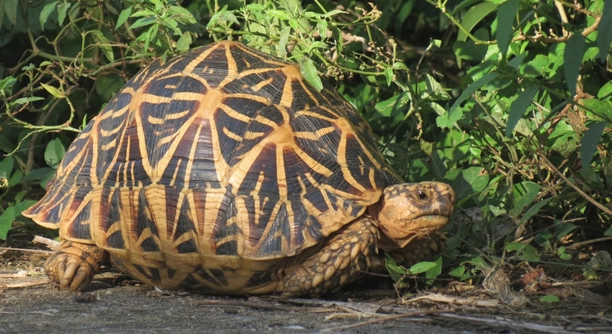
Turtles are unique creatures, and their diet plays a crucial role in their overall health and well-being. Adjusting to a new diet can sometimes be tricky, but with patience and the right approach, it is possible to ensure they thrive.
To help a turtle adjust to a new diet, start by introducing new foods gradually while maintaining consistency. Monitor its reactions, offer a variety of suitable foods, and adjust based on your turtle’s preferences and needs.
By making small, thoughtful changes to their meals, you can improve your turtle’s diet. Understanding their nutritional requirements will help you make the right decisions for their health.
Gradually Introduce New Foods
When changing a turtle’s diet, it’s important to introduce new foods slowly. This helps prevent digestive upset and allows the turtle to adjust. Start by mixing a small amount of the new food with its regular diet, increasing the proportion over time. Be patient, as it may take several days or even weeks for the turtle to fully accept the new foods.
Introducing one new food at a time is key. Turtles can be picky eaters, and too many changes at once can cause stress. Keep an eye on how your turtle responds to each addition, and adjust accordingly.
Incorporating variety into your turtle’s meals is essential. Offer a range of vegetables, fruits, and protein sources. For aquatic turtles, adding fish or worms is often well-received. The goal is to provide a balanced diet that meets all their nutritional needs. Be consistent but gentle, and your turtle will likely come to appreciate the new foods over time.
Monitor and Adjust Based on Preferences
Turtles, like us, can have food preferences. Once you’ve introduced a few new items, observe what your turtle enjoys the most. This will help you adjust their diet accordingly, making it easier for them to accept the changes.
Pay attention to your turtle’s feeding habits. Some turtles may reject certain foods, while others may prefer them. Over time, it’s important to find what works best and balance it with other healthy options. This will ensure they get the nutrients they need. Be flexible with your approach, and keep trying different foods to create a balanced menu.
Turtles also thrive on variety, so it’s important to avoid offering the same food too frequently. This helps keep their diet interesting and prevents them from growing bored with their meals. By carefully monitoring their responses, you’ll be able to provide a consistent, nutritious diet that suits their individual tastes and needs.
Offer Nutrient-Rich Foods
Nutrient-rich foods are essential for your turtle’s health. Leafy greens like kale, dandelion greens, and collard greens should make up a large portion of their diet. You can also offer a variety of fruits, such as strawberries and apples, but in moderation. Ensure the foods you provide are high in vitamins and minerals.
Avoid feeding your turtle too much fruit as it’s high in sugar, which can lead to health issues over time. Stick to offering a variety of greens and vegetables for the most part, as these will provide the bulk of the nutrition. Foods like carrots, squash, and bell peppers also work well.
Supplying different types of food ensures that your turtle gets a wide range of nutrients. Offering leafy greens, vegetables, and occasional fruits will help meet their nutritional needs. The goal is to provide balanced meals that support their growth, energy levels, and overall health. Keep their diet fresh by offering a mix of different foods throughout the week.
Keep Hydration in Mind
Water is just as important as food in your turtle’s diet. Make sure your turtle always has access to fresh, clean water. Turtles rely on water for hydration and digestion, and dehydration can lead to severe health problems.
A shallow water dish or a small pool for aquatic turtles will help them stay hydrated. Aquatic turtles may also enjoy soaking in their water for extended periods. If you have a land turtle, ensure it has a steady supply of water that it can access whenever needed. A proper water source is critical.
Dehydration can lead to kidney problems, digestive issues, and a weakened immune system in turtles. By keeping their water clean and fresh, you ensure they’re staying hydrated. It also helps with digestion, as many turtles drink while eating, helping them swallow and process their food more easily. Make sure the water dish is regularly changed and that the water temperature is suitable for your specific type of turtle.
Avoid Overfeeding
Overfeeding your turtle can lead to obesity and other health issues. Pay attention to portion sizes and avoid offering food too frequently. Feed them only as much as they can consume in a short time.
Regularly check the amount of food you offer based on your turtle’s size and species. Some turtles need more food than others, so research their specific requirements. Overfeeding also means they might become inactive, which can affect their overall health.
It’s important to balance portion sizes and feeding frequency. If you’re unsure about how much to feed, it’s better to offer smaller amounts and monitor their response.
Offer Protein in Moderation
Protein is important for your turtle, but too much can cause kidney strain. Offer protein-rich foods like insects, fish, or small amounts of meat. However, keep it limited to a few times a week.
Aquatic turtles may require more protein than land turtles, but it’s still essential to not overdo it. Providing too much protein can upset the balance of their diet, potentially leading to health complications. Stick to offering protein as a treat or supplement to their regular meals.
To maintain balance, focus on providing more plant-based foods than protein sources. Monitor your turtle’s reaction to protein offerings, adjusting the quantity as needed.
Maintain a Clean Feeding Environment
Keeping your turtle’s feeding area clean is essential. Make sure to remove any uneaten food to prevent mold and bacteria buildup. Clean bowls and surfaces regularly to reduce the risk of illness.
A clean environment promotes better digestion and prevents any bacterial or fungal growth. Any leftover food can contaminate the area and cause health issues, so always make sure to clean up after feeding.
Maintaining cleanliness also helps your turtle feel more comfortable. If you are feeding your turtle in a tank, be sure to keep the tank water clean as well.
FAQ
What should I feed my turtle to keep it healthy?
A healthy diet for your turtle includes a variety of leafy greens like kale, collard greens, and dandelion greens. You can also offer vegetables such as carrots, squash, and bell peppers. Occasionally, offer fruits like strawberries, apples, or melons in moderation. Aquatic turtles need protein sources like fish, worms, and insects, while land turtles can have smaller amounts of protein, like cooked chicken or eggs. Always ensure that the diet is balanced and rich in nutrients.
How often should I feed my turtle?
The feeding frequency depends on the species and age of your turtle. Baby turtles usually need to be fed daily, as they are growing rapidly. Adult turtles can be fed 2-3 times a week. For aquatic turtles, it’s best to offer food every 2-3 days once they reach adulthood. Make sure to adjust the amount of food according to their age and size.
Can turtles eat lettuce?
Turtles can eat lettuce, but it should not be the main part of their diet. Lettuce, especially iceberg lettuce, lacks many essential nutrients and can cause digestive issues if overfed. Instead, offer more nutritious greens like kale, collard greens, and dandelion greens. Use lettuce as a supplement or treat occasionally.
Can I feed my turtle commercial turtle food?
Commercial turtle food can be useful as a supplement but should not be the main diet. Many store-bought turtle foods contain high amounts of filler ingredients that aren’t beneficial. They may be convenient, but it’s important to balance them with fresh vegetables, fruits, and protein. Always check the ingredients to ensure they are high quality.
How much food should I give my turtle at each feeding?
The amount of food depends on the size and species of the turtle. As a general rule, feed them as much as they can consume in 15-20 minutes. If they are leaving food behind, you are likely overfeeding. If they finish everything too quickly, it may not be enough. Adjust portion sizes based on their age, size, and activity level.
What is the best water for my turtle?
The best water for your turtle is clean and dechlorinated. Tap water may contain chlorine, which is harmful to turtles. Use water conditioners to remove chlorine or use bottled spring water if necessary. The water should also be kept at the right temperature for your specific species. For aquatic turtles, provide a water source that allows them to soak comfortably and regulate their body temperature.
How do I know if my turtle is eating enough?
You can tell if your turtle is eating enough by observing its growth and activity levels. If your turtle is active and alert, it’s likely getting the right amount of food. However, if it’s lethargic or losing weight, it may not be eating enough. Always monitor their eating habits and adjust portions accordingly. You can also check for any leftover food and assess whether it has been consumed.
Can I feed my turtle bugs or worms?
Yes, bugs and worms can be part of your turtle’s diet, especially for protein-loving species. Aquatic turtles typically enjoy insects like crickets, mealworms, or earthworms. These should be offered in moderation, as too much protein can cause health problems. Make sure to source the insects from a reliable supplier to avoid pesticides or other harmful chemicals.
Is it safe to feed my turtle fish?
Feeding your turtle fish can be safe as long as it’s done in moderation. Fish can be a great source of protein, but feeding them too often can lead to an imbalance in their diet. Offer small, non-fatty fish like minnows or guppies. Avoid fish that are high in fat or that could carry parasites. Ensure fish are gut-loaded or offer them with other nutritious food.
How can I get my turtle to eat new foods?
Turtles can be picky eaters, so try introducing new foods gradually. Start by mixing a small amount of the new food with their usual meals, slowly increasing the amount over time. You can also try offering food in different ways, such as cutting vegetables into smaller pieces or offering food by hand. Patience is key, and be prepared for some resistance at first.
Should I feed my turtle outside?
Feeding your turtle outside can be a good option, as long as the environment is safe. It allows them to enjoy natural sunlight and encourages natural behaviors. However, make sure to keep an eye on them to prevent them from escaping or eating harmful things. Always supervise your turtle during outdoor feeding sessions.
What kind of fruits can my turtle eat?
Turtles can eat various fruits, but they should be offered in moderation. Suitable options include strawberries, apples (without seeds), blueberries, and melons. Avoid giving them citrus fruits like oranges or lemons, as the acidity can upset their stomach. Always remove the skin from certain fruits if it’s too thick for them to digest.
Can I feed my turtle vegetables from my garden?
Yes, you can feed your turtle vegetables from your garden, but make sure the plants are free from pesticides and chemicals. Some common safe garden vegetables include leafy greens, zucchini, and bell peppers. Always wash the vegetables thoroughly before offering them to your turtle. If you’re unsure about a certain plant, it’s better to avoid it.
Is it okay for my turtle to eat cooked food?
Some turtles can eat cooked foods, such as eggs or chicken, but it should only be a small part of their diet. Avoid feeding your turtle overly processed or fatty foods, as they can cause health issues. Always cook the food thoroughly and avoid using seasonings or oils. Feeding raw, unseasoned foods is generally safer.
Can my turtle eat dried food?
Dried food, such as dried shrimp or pellets, can be offered to your turtle, but it should not be the primary source of food. Dried foods often lack moisture and may not provide the full range of nutrients your turtle needs. Consider using them as a supplement or treat, rather than a staple.
What should I do if my turtle stops eating?
If your turtle stops eating, it could be due to stress, illness, or an improper environment. Check the temperature of its habitat and water, as sudden changes can affect appetite. If it continues to refuse food, consult a veterinarian to rule out any health concerns. Monitor its behavior closely and ensure it’s not showing signs of illness.
Final Thoughts
Adjusting your turtle to a new diet can take time and patience, but it’s an important part of ensuring their long-term health. The key is to introduce new foods gradually, monitor their preferences, and make sure they get the right balance of nutrients. It’s crucial to understand what your turtle needs based on its species, age, and size. Offering a variety of vegetables, fruits, and occasional protein sources will help keep them healthy and happy. Over time, you’ll learn what works best for your turtle and how to create a diet that suits them.
While changing a turtle’s diet, it’s important not to overfeed them. Offering too much food can lead to weight gain and health issues. Be mindful of portion sizes and feeding frequency. Baby turtles typically need to be fed more often than adults, but adult turtles can usually go a few days between meals. Make sure to clean up any uneaten food from their environment to prevent contamination. A clean feeding area will help maintain your turtle’s overall health and well-being. Remember to offer fresh water at all times to ensure they stay hydrated.
Lastly, every turtle is different. Some may accept new foods more quickly, while others might be more reluctant. It’s important to stay patient and consistent. If your turtle doesn’t immediately take to a new food, try mixing it with something they already enjoy or offering it in a different way. Keep their diet varied to make sure they get all the nutrients they need, and pay attention to how they respond. With time, your turtle will adapt to its new diet, helping it stay healthy for years to come.

Hello,
If you enjoy the content that we create, please consider saying a "Thank You!" by leaving a tip.
Every little bit helps us continue crafting quality advice that supports the health, happiness, and well-being of pets around the world, for pets of all shapes, sizes, and species.
We really appreciate the kindness and support that you show us!