
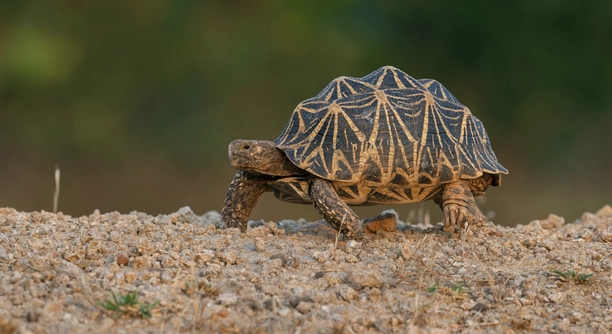
Is your turtle’s shell feeling rough? A rough shell can be a sign of different things, from improper care to health concerns. Understanding the cause can help you keep your turtle healthy and comfortable.
The roughness of your turtle’s shell is often linked to environmental factors, diet, or underlying health issues. A dry, brittle shell can result from dehydration, poor nutrition, or inadequate basking. It may also signal a fungal or bacterial infection.
Addressing the cause of the rough shell is important for your turtle’s overall well-being. Keeping the proper care routine will help improve its shell texture and health in the long run.
Common Causes of a Rough Turtle Shell
A rough turtle shell can often be attributed to environmental factors. Turtles require the right conditions to maintain a healthy shell. If your turtle isn’t getting enough UVB light, it can lead to shell problems. A lack of proper lighting affects their ability to absorb calcium, which is crucial for maintaining a strong and smooth shell. Without enough UVB exposure, your turtle’s shell may appear rough and brittle over time.
Dry environments can also contribute to a rough shell. Turtles that live in areas with low humidity can develop dry, flaky shells. This is especially true for species that need high humidity to keep their shells hydrated and healthy. If your turtle’s habitat lacks moisture, it can have a direct impact on the condition of its shell.
A balanced diet is another essential factor in shell health. If your turtle isn’t getting the proper nutrients, particularly calcium and vitamin D3, it can result in a weaker, rougher shell. Make sure your turtle is getting enough leafy greens, and the right calcium-rich foods to support its shell.
Environmental Factors to Watch Out For
Temperature and humidity play a major role in your turtle’s health. If the habitat conditions are off, it can affect its shell texture.
The right temperature and humidity levels are crucial for a turtle’s health and shell condition. If your turtle’s environment is too dry or too cold, it can cause their shell to become rough. Make sure your turtle has access to a warm basking spot and a cooler area to retreat to. Additionally, maintaining the appropriate humidity level will help keep their shell from drying out.
Creating a more suitable habitat with proper lighting, warmth, and moisture can improve the condition of your turtle’s shell. Proper care is key to keeping them comfortable and healthy.
Poor Diet and Its Effect on the Shell
A poor diet can quickly affect your turtle’s shell. If your turtle is not eating the right foods, it may not get the necessary nutrients to maintain a healthy shell. Turtles need a balanced diet of vegetables, protein, and supplements.
Without enough calcium, vitamin D3, and other essential nutrients, your turtle’s shell can become weak and rough. A diet lacking in calcium can cause the shell to develop soft spots or become more brittle. It’s important to feed your turtle a variety of foods, including leafy greens like kale, and offer calcium supplements.
If your turtle isn’t receiving the right nutrients, you might notice its shell becoming flaky or uneven. By adjusting its diet, you can help improve the shell’s condition. Always ensure your turtle is getting enough calcium, which plays a vital role in the development of a healthy, smooth shell.
The Impact of Infections on Shell Health
Infections can be another reason for a rough turtle shell. Bacterial or fungal infections can damage the shell, leading to a rough texture. These infections usually appear as discolored spots or patches on the shell.
Infections can be caused by a variety of factors, including poor water quality and inadequate care. If a turtle’s habitat is not properly cleaned or if it’s exposed to bacteria in the water, it can develop infections that affect the shell. Regular cleaning of the tank and ensuring the water is filtered can help prevent such issues.
If you notice signs of infection like discoloration, soft spots, or unusual growths, it’s essential to seek veterinary care. Early treatment can prevent further damage and help restore the shell’s health. Keeping the tank clean and providing appropriate care will reduce the risk of infections affecting your turtle’s shell.
Dehydration and Its Role in Shell Condition
Dehydration can lead to a rough shell in turtles. If your turtle is not drinking enough water or the humidity in its habitat is too low, it can cause the shell to become dry and cracked. Ensuring proper hydration is key to maintaining a healthy shell.
Turtles need constant access to fresh water. If they’re not drinking enough or their environment lacks moisture, their shells may not stay smooth. This can lead to a rough, flaky texture that could affect their overall health. Adding a water source or misting the habitat regularly can help.
The Importance of Regular Shell Maintenance
Regular shell maintenance is vital for your turtle’s shell health. This includes cleaning the shell and checking for any signs of infection or damage. Keeping the shell clean prevents dirt buildup and keeps bacteria at bay.
Shell maintenance also involves monitoring the shell for any unusual growths or soft spots. If you spot any abnormalities, it’s important to address them quickly. Regularly checking your turtle’s shell ensures that you can catch potential issues early and take the necessary steps to fix them before they become bigger problems.
How Temperature Affects Your Turtle’s Shell
Temperature has a significant impact on your turtle’s shell condition. Too much heat or cold can lead to a weakened shell. Ensuring the correct temperature gradient in the habitat is essential for your turtle’s health.
FAQ
What causes a turtle’s shell to become rough?
A rough turtle shell can be caused by various factors such as poor diet, dehydration, lack of UVB light, infections, or an improper environment. A diet deficient in calcium and vitamins can weaken the shell, leading to roughness. Low humidity or dry conditions can also make the shell brittle and dry. Additionally, infections like fungal or bacterial growth can cause the shell to feel rough, as well as an incorrect basking spot temperature or improper water conditions.
How can I prevent my turtle’s shell from becoming rough?
To prevent your turtle’s shell from becoming rough, make sure to provide a balanced diet rich in calcium, vitamin D3, and other essential nutrients. Ensure the habitat has proper humidity, temperature, and UVB light. Regularly clean the tank to prevent infections and monitor the water quality to avoid bacterial growth. Providing your turtle with the right conditions to bask and drink fresh water will help maintain a smooth and healthy shell.
How can I treat a rough turtle shell at home?
To treat a rough shell, first ensure your turtle is getting the proper nutrition and access to clean, filtered water. Offer calcium supplements if necessary and make sure it has a proper basking area with enough UVB light. Keep the humidity in its habitat at the correct level. If there are signs of infection, such as discoloration or soft spots, consult a veterinarian for further treatment.
Can a rough shell be a sign of an infection?
Yes, a rough shell can indicate a fungal or bacterial infection. Infections are usually accompanied by other symptoms like discoloration, soft spots, or abnormal growths on the shell. If you notice any of these signs, it’s important to consult a vet immediately. Infections left untreated can cause serious damage to your turtle’s health and shell.
Is UVB light important for a turtle’s shell health?
Yes, UVB light is crucial for a turtle’s shell health. UVB light helps turtles synthesize vitamin D3, which is necessary for proper calcium absorption. Without UVB exposure, turtles can develop soft shells or rough textures. A lack of UVB can also lead to metabolic bone disease, which weakens the shell and bones. Ensure your turtle has access to a UVB light source for 10-12 hours per day to support healthy shell growth.
What should I do if my turtle’s shell is soft or flexible?
A soft or flexible shell is often a sign of calcium deficiency or metabolic bone disease. If you notice this, provide calcium supplements and ensure your turtle is getting a diet rich in calcium. Make sure the turtle has access to a proper UVB light and basking area. If the condition persists, it’s important to take the turtle to a veterinarian for proper diagnosis and treatment.
How do I know if my turtle’s shell is damaged?
Signs of shell damage include cracks, chips, holes, or deep scratches. If the shell appears to have any abnormal changes, it’s important to carefully examine the turtle for any signs of infection, such as swelling or pus around the damaged area. If there is significant damage or the turtle seems in pain, consult a vet right away to avoid further complications.
How can I help my turtle if its shell is too dry?
If your turtle’s shell is too dry, you can increase the humidity in its habitat by misting the tank or using a humidity control system. Make sure your turtle has access to fresh water at all times and that the basking area is not too hot. You may also need to adjust the temperature in the tank to ensure proper hydration. Adding a water dish or shallow pool where the turtle can soak may also help rehydrate the shell.
Can improper water conditions cause a rough shell?
Yes, poor water quality can contribute to a rough shell. Dirty water can harbor harmful bacteria and fungi that affect your turtle’s health. If the water in your turtle’s tank is not filtered or cleaned regularly, it can lead to infections that damage the shell. Regularly change the water, use a high-quality filter, and monitor the pH, ammonia, and nitrate levels to ensure optimal conditions for your turtle’s shell and overall health.
How often should I check my turtle’s shell for problems?
It’s a good idea to check your turtle’s shell regularly, at least once a week. During each check, look for any signs of roughness, discoloration, cracks, or soft spots. Also, inspect the shell for any foreign debris or growths that could indicate infection. If you notice any changes or problems, take action right away to avoid further damage. Regular checks will help you catch potential issues early.
Can I use topical treatments for a rough shell?
Topical treatments are generally not recommended for rough shells unless prescribed by a veterinarian. Over-the-counter creams or ointments can sometimes cause more harm than good. If your turtle’s shell appears rough, the best approach is to ensure it has a proper diet, hydration, and UVB exposure. If you suspect an infection or another underlying issue, it’s best to consult a vet for proper treatment.
Final Thoughts
Taking care of your turtle’s shell is an important part of ensuring its overall health and well-being. A rough or damaged shell can be a sign of various issues, such as improper diet, environmental factors, or even infections. Understanding the causes and how to address them will help your turtle maintain a healthy, smooth shell. It’s crucial to provide the right conditions for your turtle, including proper lighting, humidity, temperature, and diet. Regular care and attention to your turtle’s habitat and health can prevent many common shell problems.
If you notice that your turtle’s shell is rough, don’t ignore it. While it may not always be a serious problem, it’s essential to understand what could be causing the issue. If the shell’s roughness is due to dehydration, poor diet, or improper lighting, making simple changes in its environment and diet can make a significant difference. Regular cleaning of the tank, providing fresh water, and ensuring your turtle has access to UVB light are key factors that help maintain a healthy shell. In some cases, a trip to the vet may be necessary, especially if there’s an infection or underlying health concern.
In the long run, keeping your turtle’s shell healthy is about maintaining balance. It’s not just about feeding it the right foods or keeping the tank clean, but about creating an environment that mimics its natural habitat. This includes proper hydration, temperature, and lighting, as well as offering a variety of foods that meet its nutritional needs. With regular care and attention, your turtle can live a healthy life, and its shell will stay strong and smooth.

Hello,
If you enjoy the content that we create, please consider saying a "Thank You!" by leaving a tip.
Every little bit helps us continue crafting quality advice that supports the health, happiness, and well-being of pets around the world, for pets of all shapes, sizes, and species.
We really appreciate the kindness and support that you show us!