
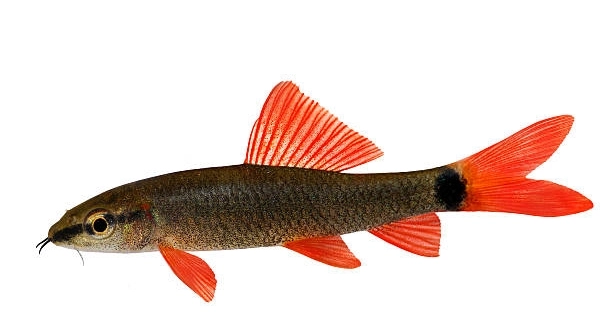
Rainbow sharks are popular aquarium fish known for their vibrant colors and active nature. They can become stressed easily if their environment is not suitable or if they experience sudden changes. Proper care is essential to keep them healthy and calm.
To prevent stress in rainbow sharks, maintain stable water conditions, provide adequate space, avoid overcrowding, ensure a balanced diet, reduce sudden disturbances, include hiding spots, and monitor tank mates closely. These measures support their well-being and reduce anxiety effectively.
Knowing how to create a comfortable environment for your rainbow shark helps ensure its health and longevity in your aquarium. These simple steps can make a significant difference in your fish’s daily life.
Keep Water Conditions Stable
Rainbow sharks are sensitive to changes in water quality. Maintaining stable temperature, pH, and ammonia levels is key. Sudden fluctuations can stress your fish quickly. Regular water testing and partial water changes help keep the environment balanced. Avoid using harsh chemicals or soaps when cleaning the tank. Use a reliable water conditioner to remove chlorine and chloramines. A good filtration system keeps the water clean and oxygenated, which supports your fish’s health. Consistent conditions make your rainbow shark feel secure and comfortable in its habitat.
Testing water twice a week ensures early detection of issues. Partial water changes of 20-30% weekly keep toxins low without stressing your fish.
Monitoring water quality prevents illnesses linked to poor conditions. A stable environment reduces stress and encourages normal behavior. Remember, small changes over time are less stressful than large sudden ones. Keeping these factors in check helps your rainbow shark thrive and stay active.
Provide Ample Space and Hiding Spots
Rainbow sharks need enough room to swim freely and escape when needed. A cramped tank can cause stress and aggression.
Create hiding places using plants, rocks, or decorations. This lets your fish retreat when feeling threatened or overwhelmed.
A tank size of at least 30 gallons is recommended for a single rainbow shark. These fish are territorial and need space to establish their own area. Providing plenty of hiding spots breaks up the territory and reduces conflicts. Using smooth decorations prevents injuries. Avoid sharp edges that could harm your fish during quick escapes. Live plants also improve water quality and create a natural feel. Observe your fish’s behavior to see if it uses the hiding spots. A stressed rainbow shark may hide more often, signaling the need to adjust its environment. Ensuring sufficient space and shelter promotes confidence and reduces stress in your aquatic pet.
Avoid Overcrowding
Overcrowding causes stress and territorial fights among rainbow sharks. Keep tank population balanced to ensure peaceful coexistence.
Too many fish in a small tank lead to poor water quality and constant competition for space. Rainbow sharks are territorial, and overcrowding can increase aggression and stress levels. Providing adequate space helps maintain harmony and allows each fish to establish its own territory. Monitor fish behavior to catch early signs of stress, such as hiding or excessive chasing. A balanced tank supports their natural activity without overwhelming them.
Maintaining an appropriate fish count also helps keep water conditions stable. Overcrowding often leads to faster toxin buildup, making frequent water changes necessary. By limiting tank mates and giving rainbow sharks room to swim freely, you protect their health and reduce stress-related behaviors.
Feed a Balanced Diet
A nutritious diet supports your rainbow shark’s immune system and overall well-being. Offer a variety of foods to meet its needs.
Rainbow sharks are omnivores that enjoy a mix of high-quality pellets, flakes, and live or frozen foods like bloodworms and brine shrimp. Avoid overfeeding, as excess food pollutes the tank and stresses your fish. Feeding small amounts two to three times daily keeps their digestive system healthy and energy levels steady. Including vegetable matter in their diet is important since they naturally graze on algae and plants. A balanced diet enhances color, activity, and resilience to stress.
Changing the feeding routine can cause unease, so maintain consistency. Removing uneaten food promptly prevents water contamination. By paying attention to diet quality and feeding habits, you provide your rainbow shark with essential nutrients for a long, healthy life.
Minimize Sudden Changes
Sudden changes in lighting, water, or tank setup can stress rainbow sharks. Keep adjustments gradual.
When making changes, do so slowly to let your fish adapt. Abrupt shifts in environment or routine increase anxiety and can weaken their immune system. Small steps prevent shock and help maintain stability in the tank.
Reduce Disturbances
Limit loud noises and sudden movements near the aquarium. These can startle your rainbow shark and cause stress.
Keeping the tank in a quiet, low-traffic area helps your fish feel safe. Consistent surroundings promote calm behavior and reduce stress reactions.
Monitor Tank Mates
Choose compatible fish to avoid aggression. Rainbow sharks do best with peaceful species.
Aggressive or overly active tank mates can provoke stress. Observe interactions regularly to ensure harmony. Removing problematic fish may be necessary for a peaceful environment.
FAQ
How do I know if my rainbow shark is stressed?
Signs of stress include hiding more than usual, loss of appetite, erratic swimming, and faded colors. If your fish seems lethargic or aggressive, it may be under stress. Checking water quality and tank conditions can help identify the cause.
What water parameters are best for rainbow sharks?
Rainbow sharks thrive in water with a temperature between 72°F and 79°F (22°C–26°C), pH levels of 6.5 to 7.5, and low ammonia and nitrate levels. Keeping these stable reduces stress and promotes health.
Can rainbow sharks live with other fish?
Yes, but choose peaceful, non-aggressive species. Avoid keeping multiple rainbow sharks in small tanks, as they are territorial. Suitable tank mates include tetras, barbs, and corydoras catfish.
How often should I change the water?
Perform partial water changes of 20-30% weekly to keep water clean and safe. Frequent water changes help reduce toxins and maintain stable conditions.
What should I feed my rainbow shark?
Feed a balanced diet of quality pellets or flakes, supplemented with live or frozen foods like bloodworms and brine shrimp. Include vegetable matter such as blanched spinach or algae wafers to mimic their natural diet.
Can stress affect my rainbow shark’s health?
Yes, stress weakens the immune system and can lead to diseases like fin rot and ich. Minimizing stress factors improves your fish’s chances of staying healthy.
How much space does a rainbow shark need?
A minimum tank size of 30 gallons is recommended for one rainbow shark. More space is necessary if you have other fish or multiple sharks to reduce territorial behavior.
What are common causes of stress in rainbow sharks?
Poor water quality, overcrowding, sudden environmental changes, aggressive tank mates, and lack of hiding spots are common stress factors. Monitoring and adjusting these elements helps keep your fish calm.
Is it normal for rainbow sharks to hide often?
Some hiding is normal, especially during rest or after feeding. However, excessive hiding can indicate stress or illness. Evaluate tank conditions and fish behavior if hiding increases.
How can I reduce aggression among rainbow sharks?
Avoid keeping more than one rainbow shark in a small tank. Provide plenty of hiding places and decorations to break up territory. Choosing peaceful tank mates also reduces conflict.
What maintenance steps are critical for reducing stress?
Regular water testing, consistent feeding schedules, cleaning the tank, and maintaining stable lighting help reduce stress. Avoid sudden changes in any of these areas.
Can lighting affect my rainbow shark’s stress levels?
Yes, harsh or very bright lighting can cause stress. Use subdued lighting or provide shaded areas in the tank to help your fish feel secure.
What do I do if my rainbow shark shows signs of illness?
Isolate the affected fish if possible and test water parameters immediately. Consult a veterinarian or aquarium specialist for proper diagnosis and treatment.
Are live plants beneficial for rainbow sharks?
Live plants offer hiding spots and improve water quality by absorbing nitrates. They create a more natural and calming environment, which can help reduce stress.
How important is tank decoration for reducing stress?
Decorations and plants create territories and safe spaces for your rainbow shark. This reduces aggression and provides comfort, leading to lower stress levels. Use smooth decorations to prevent injury.
Taking care of a rainbow shark involves paying close attention to its environment and daily needs. Keeping the water clean and stable is one of the most important steps in preventing stress. Regular testing and water changes help maintain good water quality, which supports your fish’s health. Making sure the tank is large enough and not overcrowded gives your rainbow shark room to swim and reduces fights. Adding hiding spots with plants or decorations provides places where your fish can feel safe and relaxed.
Feeding your rainbow shark a balanced diet is also essential. Offering a variety of foods, including pellets, flakes, and occasional live or frozen treats, ensures your fish gets all the nutrients it needs. Avoiding overfeeding keeps the tank water cleaner and prevents digestive problems. Being mindful of your fish’s behavior helps you notice early signs of stress or illness, so you can take action quickly. Reducing sudden changes in lighting, water, or tank setup can help your rainbow shark stay calm and healthy.
Choosing peaceful tank mates and avoiding overcrowding are important for maintaining harmony in the aquarium. Rainbow sharks can be territorial, so giving them enough space and compatible companions makes a big difference. Paying attention to small details like consistent feeding times, gentle tank cleaning, and quiet surroundings also helps lower stress. With careful care and attention, your rainbow shark can live a healthy, active life with less stress and more comfort. These simple steps improve your fish’s quality of life and create a better aquarium experience for you.

Hello,
If you enjoy the content that we create, please consider saying a "Thank You!" by leaving a tip.
Every little bit helps us continue crafting quality advice that supports the health, happiness, and well-being of pets around the world, for pets of all shapes, sizes, and species.
We really appreciate the kindness and support that you show us!