
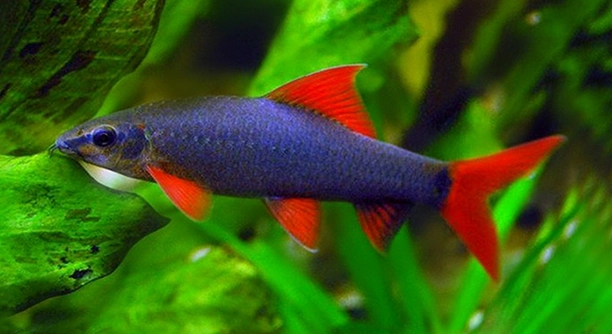
Keeping a Rainbow Shark active and engaged is important for its well-being. These fish need more than just a clean tank to thrive. Understanding how to encourage movement and stimulation helps maintain their health and happiness.
To keep your Rainbow Shark active, provide a spacious environment with plenty of hiding spots and varied decorations. Regularly change the tank layout and offer a balanced diet rich in nutrients to promote natural behavior and reduce stress.
Proper care involves more than feeding and cleaning; small adjustments can greatly improve your fish’s activity levels and overall quality of life.
Creating an Ideal Tank Environment
Rainbow Sharks need space and structure to feel comfortable and active. A tank of at least 30 gallons provides enough room for swimming and exploration. Adding plants, rocks, and caves gives your fish places to hide and swim through, mimicking their natural habitat. This setup encourages movement and reduces boredom. Avoid overcrowding the tank, as too many fish can cause stress and limit swimming space. Proper filtration and regular water changes keep the water clean, which supports their health and activity. Light cycles also play a role; a consistent day-night schedule helps regulate their behavior. When you rearrange decorations every few weeks, it provides new stimulation and interest for your Rainbow Shark, encouraging it to explore its environment more actively.
A well-organized and spacious tank promotes a healthy, engaged Rainbow Shark, helping prevent lethargy and stress.
Keeping their environment varied and clean supports natural activity and ensures your fish remains lively and curious.
Feeding for Activity
Balanced nutrition is essential to keep your Rainbow Shark active. Offer a mix of high-quality flakes, pellets, and occasional live or frozen foods like bloodworms or brine shrimp. Avoid overfeeding, as excess food can foul the water and lead to health problems. Feeding smaller amounts twice a day encourages regular movement as your fish searches for food. Treats like blanched vegetables or algae wafers can add variety and stimulate natural foraging behaviors. Watching your fish feed can also help you notice any changes in appetite or activity that may indicate health issues. Keep food portions appropriate for the size of your tank and the number of fish to maintain clean water and active behavior.
Providing a varied diet and feeding schedule helps maintain energy levels and encourages natural behaviors in your Rainbow Shark.
Regularly adjusting the feeding routine keeps your fish engaged and supports its overall well-being.
Encouraging Interaction with Tank Mates
Rainbow Sharks are territorial but can coexist with peaceful tank mates. Choosing compatible species prevents stress and promotes activity. Avoid aggressive or slow-moving fish that may cause conflicts or fear.
Introducing tank mates like danios, tetras, or peaceful barbs encourages natural social behaviors. The presence of other fish can motivate your Rainbow Shark to swim more actively and explore its territory. Be mindful of tank size to avoid overcrowding and maintain balance. Observe interactions to ensure all fish remain healthy and stress-free. When tank mates are chosen carefully, your Rainbow Shark’s environment becomes more dynamic, supporting its mental and physical activity.
This social environment replicates natural conditions, reducing boredom and encouraging movement through subtle competition and companionship.
Regular observation helps ensure harmony, allowing you to adjust as needed for your fish’s well-being.
Using Environmental Enrichment Tools
Environmental enrichment like floating plants, driftwood, and tunnels add complexity to the tank. These features stimulate exploration and provide hiding spots, reducing stress and encouraging activity.
Adding floating plants breaks up the open space and creates shaded areas. This variety encourages your Rainbow Shark to investigate different parts of the tank, preventing stagnation. Driftwood and tunnels offer places to hide or rest, mimicking natural environments where they feel secure. Rearranging these items regularly keeps the tank interesting and motivates your fish to explore new spaces. Enrichment tools support mental stimulation, which is crucial for active behavior.
Integrating these elements into the tank design balances safety with adventure, helping your Rainbow Shark stay engaged and lively in its home.
Regular Tank Maintenance
Keeping the tank clean is vital for your Rainbow Shark’s health and activity. Regular water changes prevent harmful buildup and maintain water quality.
Check filters weekly to ensure proper function. A healthy environment supports natural behavior and keeps your fish energetic.
Monitoring Water Parameters
Stable water conditions are key to an active Rainbow Shark. Maintain a temperature between 72°F and 79°F, pH levels from 6.5 to 7.5, and low ammonia and nitrate levels. Regular testing helps prevent stress and illness.
Providing Adequate Lighting
Proper lighting supports your fish’s natural rhythms. Use a light schedule of about 10 to 12 hours daily. Avoid sudden changes to prevent stress and inactivity.
Avoiding Overcrowding
Overcrowding leads to stress and limited space for swimming. Keep your tank population appropriate to maintain a healthy, active environment for your Rainbow Shark.
FAQ
How often should I feed my Rainbow Shark?
Feeding twice a day is ideal. Offer small amounts each time to avoid overfeeding. Overfeeding can pollute the tank and lead to health problems. Make sure the food is appropriate for their diet, including flakes, pellets, and occasional live or frozen treats.
What size tank is best for a Rainbow Shark?
A minimum of 30 gallons is recommended. This size provides enough space for swimming and exploring. Larger tanks are better if you plan to keep multiple fish or other tank mates, ensuring everyone has enough room.
Can Rainbow Sharks live with other fish?
Yes, but choose peaceful and similarly sized species. Aggressive or slow-moving fish may cause stress or conflicts. Compatible tank mates include danios, tetras, and peaceful barbs. Monitor interactions regularly to ensure harmony.
Why is my Rainbow Shark hiding all the time?
Hiding can be normal, especially when stressed or scared. Check water quality, tank conditions, and tank mates for causes. Providing plenty of hiding spots and a stable environment helps reduce stress and encourages your fish to be more active.
How do I know if my Rainbow Shark is healthy?
Look for bright colors, clear eyes, and active swimming. Loss of appetite, faded color, or lethargy may indicate health issues. Regular water testing and a balanced diet support good health. Consult a specialist if you notice unusual behavior.
What temperature should I keep my Rainbow Shark at?
Keep the tank between 72°F and 79°F. Stable temperatures within this range help maintain activity and prevent stress. Avoid sudden changes, as these can shock your fish and reduce their energy.
How often should I change the water?
Change about 20-25% of the water weekly. This keeps the tank clean and removes toxins. Frequent water changes help maintain stable water parameters, which is important for your fish’s health and activity.
Can I keep more than one Rainbow Shark in the same tank?
It is possible with a large tank and plenty of hiding spaces. However, Rainbow Sharks can be territorial and may fight, especially in smaller tanks. Watch for aggression and be ready to separate if needed.
What decorations are best for keeping my Rainbow Shark active?
Use plants, rocks, caves, and tunnels to create hiding spots and explore areas. Rearranging decorations regularly adds new stimulation and encourages movement. Avoid overcrowding to ensure enough swimming space.
How important is lighting for my Rainbow Shark?
Lighting is important to maintain natural rhythms. About 10 to 12 hours of light per day is sufficient. Avoid sudden changes in lighting to prevent stress, which can affect activity levels. A consistent light cycle helps keep your fish active and healthy.
What should I do if my Rainbow Shark is not swimming much?
First, check water quality and tank conditions. Poor water or stress can cause lethargy. Ensure the tank is large enough and offers hiding spots and stimulation. Review feeding habits and diet. If problems continue, consult an aquarium expert.
Is it normal for Rainbow Sharks to be aggressive?
Some aggression is normal since they are territorial. Aggression increases with overcrowding or poor tank conditions. Provide enough space, hiding spots, and compatible tank mates to reduce conflicts. Monitor behavior and separate fish if aggression worsens.
How can I encourage my Rainbow Shark to be more active?
Keep the environment interesting by rearranging tank decorations regularly. Provide a balanced diet with variety, and choose suitable tank mates. Maintaining good water quality and stable conditions also promotes activity. Small changes often lead to noticeable improvements.
What live foods can I feed my Rainbow Shark?
Bloodworms, brine shrimp, and daphnia are good live food options. These provide variety and encourage natural foraging. Use live foods occasionally and combine them with flakes and pellets for balanced nutrition.
Can my Rainbow Shark live in a community tank?
Yes, if tank mates are peaceful and the tank is large enough. Avoid slow or aggressive fish that can stress your Rainbow Shark. Community tanks require careful planning and monitoring to maintain peace and activity for all fish.
Final Thoughts
Keeping a Rainbow Shark active and engaged requires attention to several important factors. Providing a spacious tank with a well-thought-out environment is essential. This includes adding hiding spots, plants, and decorations that create interest and encourage exploration. Changing the tank layout periodically helps prevent boredom. Clean water and stable conditions play a big role in your fish’s health and energy. Regular maintenance such as water changes and filter checks keeps the environment safe and comfortable, which naturally supports activity.
Feeding your Rainbow Shark the right diet in proper amounts is equally important. A balanced mix of flakes, pellets, and occasional live or frozen foods will keep your fish healthy and motivated. Overfeeding can lead to poor water quality and health issues, so it’s best to feed small amounts twice daily. Watching your fish during feeding times also allows you to monitor its behavior and appetite, helping you spot any early signs of illness or stress.
Finally, paying attention to social and environmental enrichment helps maintain your Rainbow Shark’s interest and natural behavior. Compatible tank mates encourage interaction, while environmental additions like floating plants and tunnels offer stimulation. Lighting and temperature should be consistent to support natural rhythms. By combining these care practices, you create a supportive and engaging home for your Rainbow Shark, encouraging it to stay active, healthy, and happy over time.

Hello,
If you enjoy the content that we create, please consider saying a "Thank You!" by leaving a tip.
Every little bit helps us continue crafting quality advice that supports the health, happiness, and well-being of pets around the world, for pets of all shapes, sizes, and species.
We really appreciate the kindness and support that you show us!