
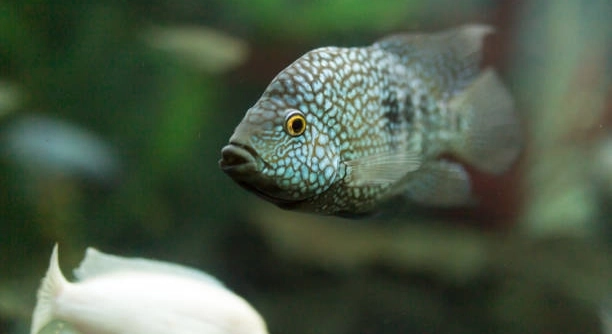
Have you ever watched Jack Dempsey fish and noticed how carefully they build their nests in aquariums? These fish are naturally protective and can be particular about their nesting environment and materials. Observing their behavior can be fascinating.
Encouraging Jack Dempsey nest building requires providing a stable environment, proper water conditions, and suitable nesting materials. Consistent care, minimal disturbance, and an understanding of their natural behaviors support successful nest construction and breeding readiness.
Understanding these factors can help your fish feel secure and supported. Proper techniques make a noticeable difference in their nesting success and overall well-being.
Choosing the Right Tank Environment
Creating the right environment is the first step in encouraging Jack Dempsey nest building. They prefer a spacious tank with plenty of hiding spots and flat surfaces where they can lay eggs. Sand or fine gravel works best as a substrate because it allows them to dig and shape their nest. Rocks, clay pots, and smooth stones can provide structure for the nest and make the fish feel secure. Proper water conditions are essential. Keep the temperature between 78 and 82°F and maintain a pH of 6.5 to 7.5. Regular water changes reduce stress and promote natural behaviors. Lighting should mimic a natural day-night cycle without sudden changes. Observing your fish quietly while avoiding frequent disruptions helps them feel safe and encourages nest building.
Providing these conditions consistently ensures your Jack Dempsey feels comfortable and ready to create a nest without unnecessary stress.
Attention to these details can improve nesting success. Small adjustments, like adding new hiding spots or adjusting the substrate, can make a significant difference in their confidence.
Selecting Nesting Materials
Jack Dempseys respond to materials that are easy to move and manipulate. Sand, small stones, and smooth pebbles work well, as they allow the fish to dig and arrange the nest according to their preference. Avoid sharp objects that could injure them during construction. Some keepers add half-buried clay pots or flat rocks to give additional structure. It is important to provide more than one option so the fish can choose their preferred location.
Offering a variety of safe materials gives the fish control over the nesting process.
Consistency in material availability encourages continued nest building and can reduce aggression. These fish are territorial, so arranging the tank with multiple potential nest sites helps minimize conflicts. Each Jack Dempsey has its own preference for substrate depth and shape, so observe their behavior carefully. Some may prefer digging deeper pits, while others only flatten a small area. Maintaining a quiet and stable environment ensures they feel safe to explore and manipulate the materials. Frequent observation without interference helps you learn which setups they prefer. Rotating or cleaning materials carefully can maintain hygiene without disrupting their activity. Proper nesting materials paired with a controlled environment greatly increase the chances of successful egg-laying and protecting the fry.
Monitoring Water Quality
Maintaining stable water quality is essential for Jack Dempsey nest building. Frequent water changes, consistent temperature, and proper filtration reduce stress. Sudden changes can discourage nesting and affect their health. Monitoring pH and hardness helps create a comfortable environment for breeding behavior.
Water parameters directly influence Jack Dempsey activity and nesting behavior. Temperatures should remain between 78 and 82°F, and pH should stay around 6.5 to 7.5. Hardness should be moderate to replicate their natural habitat. Use a reliable filtration system to remove debris and toxins, and test water regularly to prevent sudden fluctuations. Even minor spikes in ammonia or nitrite can stress the fish and halt nest building. Observing their behavior after water changes helps identify if conditions are favorable.
Keeping the tank environment consistent also involves avoiding overcrowding. Excess fish can increase aggression and territorial disputes, making nesting difficult. A dedicated tank with only a breeding pair or carefully chosen companions allows them to focus on building and guarding their nest. Proper maintenance and observation of water quality create a safe, stress-free space that supports natural nesting instincts, encouraging healthier and more confident breeding behavior.
Feeding and Nutrition
A balanced diet strengthens Jack Dempseys and prepares them for nesting. Protein-rich foods like live or frozen shrimp, fish, and worms support energy levels. Occasional vegetables provide vitamins and fiber. Feeding small amounts multiple times a day ensures they remain healthy and active.
Nutrition directly impacts reproductive readiness. Fish with proper diet show increased nest-building behavior and better egg quality. Avoid overfeeding, as leftover food can pollute the water. Providing high-quality, varied foods ensures the fish receive all necessary nutrients for energy, coloration, and reproductive health. High protein diets boost stamina needed for digging and defending nests, while occasional vegetables help maintain digestive health. Consistency in feeding schedules also reduces stress and promotes natural behavior patterns.
Feeding routines should align with tank maintenance. Removing uneaten food promptly prevents water quality issues. Live foods stimulate natural hunting instincts, keeping the fish active and focused. Combining live, frozen, and prepared foods ensures nutritional diversity. During nesting periods, maintaining a high-protein diet supports energy-intensive behaviors like digging, shaping, and guarding the nest. Balanced nutrition contributes not only to physical health but also to the confidence needed to complete nest building successfully. Observing feeding responses can indicate readiness for breeding and overall well-being.
Minimizing Stress
Stress can prevent Jack Dempseys from building nests effectively. Limit sudden movements around the tank and avoid tapping on the glass. Keeping noise and disturbances low helps them feel secure and focus on nesting.
Providing hiding spots and visual barriers reduces tension. Territorial conflicts are minimized when each fish has defined space.
Tank Placement
Place the tank in a quiet area away from heavy foot traffic. Consistent lighting and stable room conditions help the fish maintain natural rhythms. Avoid areas with strong drafts or direct sunlight that can cause temperature swings.
Encouraging Pair Bonding
A bonded pair of Jack Dempseys is more likely to build a nest together. Observe interactions and separate aggressive fish if necessary. Introduce compatible males and females gradually to promote trust and cooperation.
Observation and Patience
Regular observation is key to understanding their behavior. Avoid frequent interference, as patience allows the fish to complete their nest naturally and confidently.
FAQ
How long does it take for Jack Dempseys to build a nest?
The time it takes varies depending on the environment and individual fish. On average, it can take several days to a week for a pair to prepare a nest fully. Factors such as water quality, tank size, and substrate type influence the speed. Consistent care and minimal disturbances encourage faster nest completion. Some pairs may take longer if they are stressed or adjusting to new conditions. Providing multiple flat surfaces and materials can help them find a suitable spot more quickly.
Can Jack Dempseys build nests alone?
Yes, male Jack Dempseys often start nest building on their own. The male usually selects the site and begins shaping the nest. A female may join later to inspect or help, especially when ready to spawn. Males are territorial and protective, so even in a community tank, they may dig and prepare a nest independently. Observing this behavior helps determine if the pair is compatible for breeding. It is important to monitor aggression levels to avoid injury if multiple males are present.
What materials are best for nest building?
Jack Dempseys prefer soft substrates like sand or fine gravel. Smooth stones, flat rocks, and clay pots can provide additional structure. Avoid sharp or rough materials that could injure them while digging. Offering multiple materials allows them to choose the best combination for their nest. Clean the materials before introducing them to maintain water quality. The arrangement of these items should allow enough space for the fish to move freely and protect the nest.
How important is water quality for nesting?
Water quality is critical. Stable temperatures between 78 and 82°F, pH around 6.5 to 7.5, and moderate hardness create optimal conditions. Frequent water changes and reliable filtration reduce stress and encourage natural behaviors. Even small fluctuations in ammonia, nitrite, or nitrate levels can disrupt nest building. Monitoring water parameters and addressing changes promptly supports both nesting success and overall health. Stress-free fish are more likely to display natural digging and guarding behaviors.
Can other fish interfere with nest building?
Yes, other fish can disrupt nest building, especially in community tanks. Jack Dempseys are territorial and may become aggressive if intruders approach. Separating them or providing visual barriers helps minimize stress and protects the nest. Keeping a dedicated breeding pair in a carefully arranged tank ensures a safer environment. Observing interactions allows you to intervene before conflicts escalate, supporting smoother nest development.
How often should I feed them during nesting?
Feeding small, protein-rich meals two to three times daily is ideal. Live or frozen foods such as shrimp, worms, and fish provide energy needed for digging, shaping, and guarding the nest. Occasional vegetables supply vitamins and fiber. Overfeeding should be avoided, as leftover food can compromise water quality and increase stress. Maintaining a consistent feeding routine supports both health and reproductive readiness.
What signs indicate the nest is ready for eggs?
A well-prepared nest will have a clearly defined pit or flattened area. The male guards the site actively, and both fish may display increased activity around it. The female will inspect the nest, sometimes showing interest in the prepared area. Once the site is complete and the pair shows coordinated behavior, spawning is likely to occur soon. Observing these cues helps anticipate breeding activity and ensures the environment remains undisturbed during this period.
How can I reduce aggression during nesting?
Providing hiding spots, multiple flat surfaces, and visual barriers helps reduce territorial disputes. Avoid introducing new fish during nesting, and limit interactions from other tank mates. Observing behavior closely allows you to separate overly aggressive individuals if needed. Consistent water quality and stable tank conditions also help minimize stress-related aggression. A carefully arranged environment encourages focused nest building rather than conflicts.
What should I do after eggs are laid?
After eggs are laid, the male typically guards them while the female may retreat. Maintain stable water conditions and minimize disturbances. Remove any potential threats from the tank, but avoid interfering with parental care. Regular monitoring ensures the eggs remain safe and the parents are not stressed. Proper tank maintenance during this period is crucial for successful hatching.
Is it normal for Jack Dempseys to rebuild nests repeatedly?
Yes, repeated nest building is common. Fish may adjust or expand the nest, especially if conditions change or if they feel unsafe. Rebuilding helps them create a more secure environment for eggs and fry. Monitoring their behavior allows you to support this process with proper materials and minimal interference. Repeated activity also indicates healthy, engaged fish ready for breeding.
Final Thoughts
Encouraging Jack Dempsey nest building requires patience, observation, and consistent care. These fish are naturally territorial and protective, so providing a stable environment is essential. A well-maintained tank with proper water conditions, consistent temperature, and a suitable pH allows the fish to feel secure. Substrates like sand or fine gravel give them a surface to dig and shape their nest, while rocks, flat stones, or clay pots provide structure. Minimizing disturbances and reducing stress help the fish focus on natural behaviors. Even small changes in water quality, lighting, or tank arrangement can impact their willingness to build and maintain a nest. By maintaining these conditions, fishkeepers can support both the comfort and breeding readiness of their Jack Dempseys.
Nutrition also plays a key role in supporting nesting behavior. A balanced diet with high-protein foods such as live or frozen shrimp, worms, and fish ensures that the pair has the energy necessary for digging, arranging, and defending their nest. Occasional vegetables add essential vitamins and fiber for overall health. Feeding smaller amounts multiple times a day is better than one large meal, as it keeps water quality stable and reduces stress on the fish. Overfeeding can create water quality issues and may discourage natural behaviors, so careful monitoring is necessary. Consistent feeding routines not only improve health but also encourage reproductive activity. Observing how the fish respond to different foods and adjusting the diet as needed helps maintain their strength and focus during the nesting period.
Patience and observation are critical throughout the entire process. Jack Dempseys may take several days to prepare a nest, and repeated adjustments or rebuilding are normal. Monitoring interactions between the male and female helps identify any aggression or compatibility issues. Providing hiding spots and visual barriers reduces territorial disputes and allows both fish to feel secure. During nesting, minimizing interference ensures that eggs and fry have the best chance of survival. Even after the eggs are laid, careful maintenance of water quality, tank conditions, and feeding routines remains important. By combining proper environmental setup, balanced nutrition, and careful observation, fishkeepers can create conditions that allow Jack Dempseys to thrive naturally, complete their nest, and successfully reproduce. These steps lead to a more confident, healthy, and engaged pair, ultimately supporting the long-term well-being of the fish.

Hello,
If you enjoy the content that we create, please consider saying a "Thank You!" by leaving a tip.
Every little bit helps us continue crafting quality advice that supports the health, happiness, and well-being of pets around the world, for pets of all shapes, sizes, and species.
We really appreciate the kindness and support that you show us!