
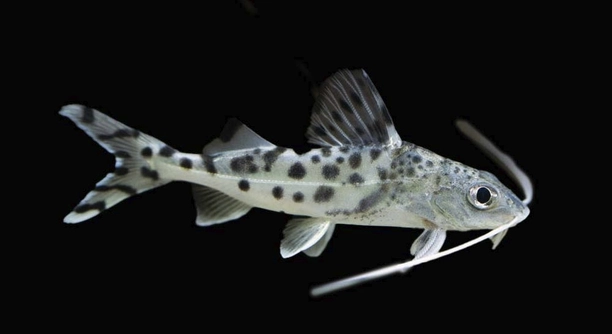
Many aquarium enthusiasts enjoy keeping Pictus catfish for their active nature and sleek appearance. These fish prefer peaceful tankmates that do not cause stress or competition. Choosing the right companions helps maintain a calm and balanced aquarium environment.
Quiet tankmates that get along well with Pictus catfish include small, non-aggressive species that occupy different levels of the tank. Such species avoid conflict and contribute to a harmonious community by not competing for the same space or food resources.
Knowing which fish coexist peacefully with Pictus can make your aquarium experience more enjoyable and stress-free. This guide highlights compatible companions to help you create a thriving aquatic community.
Corydoras Catfish
Corydoras catfish are a popular choice as tankmates for Pictus due to their peaceful nature and similar care requirements. These bottom dwellers are small, social fish that spend most of their time scavenging for leftover food in the substrate. They rarely bother other fish, making them ideal companions for the more active Pictus. Corydoras thrive in groups, so keeping at least six together helps them feel secure and encourages natural behavior. Their gentle temperament and peaceful presence contribute to a calm tank atmosphere, which matches well with the Pictus’ temperament. Additionally, both species prefer similar water parameters, such as slightly acidic to neutral pH and moderate temperature, making them easy to care for together. Corydoras are also known for their hardy nature, which means they can adapt well to community tanks without causing stress.
Their small size and non-aggressive behavior make Corydoras excellent tankmates for Pictus catfish.
These catfish help keep the tank clean by eating leftover food, and their bottom-dwelling habits reduce competition for space. Watching their social interactions can add interest to your aquarium without causing tension.
Otocinclus Catfish
Otocinclus catfish are small algae eaters known for their peaceful behavior and compatibility with Pictus catfish. They spend most of their time grazing on algae, helping to maintain a cleaner tank environment without disturbing other fish. These fish prefer to live in groups, so having several together helps them feel comfortable and less stressed. Otocinclus are quiet swimmers and stay mainly on plants or tank walls, which means they don’t compete for the same swimming space as Pictus. Their modest size and calm temperament ensure that they won’t provoke aggression or territorial disputes in the tank. Moreover, Otocinclus catfish adapt well to a variety of water conditions but thrive best in clean, well-oxygenated tanks with stable parameters, which also suits the needs of Pictus catfish. Adding Otocinclus can help keep algae growth in check while providing peaceful companionship.
Otocinclus catfish contribute to algae control and live peacefully alongside Pictus catfish.
Keeping Otocinclus in groups of five or more encourages natural schooling behavior, promoting a balanced aquarium dynamic. Their presence benefits both tank cleanliness and fish interaction without disruption.
Neon Tetras
Neon Tetras are small, peaceful fish that coexist well with Pictus catfish. Their bright colors add life to the tank without causing stress or aggression. They prefer to swim in schools, which creates a calm and lively atmosphere in the aquarium.
Neon Tetras are schooling fish that thrive in groups of six or more. Their small size and gentle nature mean they won’t compete with Pictus catfish for food or territory. These fish usually occupy the middle to upper water levels, while Pictus spend more time near the bottom, so they avoid direct interaction. Neon Tetras are also adaptable to similar water conditions as Pictus, preferring slightly acidic to neutral pH and moderate temperatures. Their peaceful demeanor makes them reliable community members who add visual interest without disrupting tank harmony.
Because of their schooling behavior and non-aggressive temperament, Neon Tetras fit naturally into community tanks with Pictus. Their presence can brighten the aquarium while keeping stress levels low for all species involved.
Kuhli Loaches
Kuhli Loaches are gentle, eel-like fish that stay mostly hidden during the day and become active at night. They are bottom dwellers and peaceful, making them compatible with Pictus catfish. Their shy nature means they won’t bother other tankmates.
Kuhli Loaches help keep the substrate clean by feeding on leftover food and detritus. They prefer soft, sandy bottoms to burrow into, which is also suitable for Pictus catfish. These loaches are social and do best in groups of three or more. They avoid competition by being nocturnal, which means they are active when Pictus may be resting. Kuhli Loaches require stable water conditions similar to those preferred by Pictus, such as moderate temperature and neutral pH. Their slender bodies and calm behavior help maintain a peaceful aquarium environment. Adding Kuhli Loaches creates a balanced ecosystem where each species occupies its own space and time.
Kuhli Loaches add diversity and activity to the bottom of the tank without causing conflict. Their shy habits complement the more outgoing Pictus catfish.
Harlequin Rasboras
Harlequin Rasboras are peaceful, small schooling fish that blend well with Pictus catfish. Their calm nature and mid-to-top tank swimming habits keep them from competing with the bottom-dwelling Pictus.
These fish prefer to live in groups of six or more, which encourages natural schooling behavior and reduces stress. Their hardy temperament and easy care needs make them great companions in community tanks with Pictus.
Ghost Shrimp
Ghost Shrimp are small, transparent scavengers that help clean the tank by eating leftover food and algae. They are peaceful and unlikely to disturb Pictus catfish, making them suitable tankmates.
Their shy nature means they avoid direct interaction, reducing the chance of conflict. Ghost Shrimp also add an interesting dynamic to the tank without overcrowding or aggression.
White Cloud Mountain Minnows
White Cloud Mountain Minnows are hardy, peaceful fish that adapt well to a variety of water conditions. Their schooling nature and small size make them compatible with Pictus catfish, which prefer calm tankmates.
These minnows swim mostly in the middle and upper parts of the tank, avoiding competition with Pictus for space and food.
Cherry Shrimp
Cherry Shrimp are colorful, non-aggressive invertebrates that live peacefully with Pictus catfish. They help maintain tank cleanliness by feeding on algae and detritus.
Their small size and shy behavior ensure they do not bother other fish, adding visual interest without creating stress in the aquarium.
FAQ
What makes a good tankmate for Pictus catfish?
Good tankmates for Pictus catfish are peaceful species that do not compete aggressively for food or territory. Because Pictus are active bottom dwellers, ideal companions often occupy different parts of the tank, such as mid or upper levels. Quiet behavior and a similar preference for water conditions also help reduce stress and conflicts. Species that swim calmly in schools or stay hidden during the day tend to work well, as they keep the aquarium balanced and peaceful.
Can aggressive fish live with Pictus catfish?
Aggressive fish usually do not do well with Pictus catfish. Pictus are generally peaceful but can become stressed or injured if housed with territorial or aggressive species. Aggressive fish may compete for space or food, causing tension. It’s best to avoid keeping Pictus with any fish known for nipping fins or displaying dominance. Instead, choose calm, non-aggressive species that allow Pictus to thrive without constant stress or threat.
How many tankmates should I keep with Pictus catfish?
The number of tankmates depends on tank size and species, but generally, a moderate number of peaceful fish is ideal. Too many fish can cause overcrowding, poor water quality, and increased aggression. For a medium-sized tank, groups of six or more schooling fish like Corydoras or Tetras are good, along with a few peaceful bottom dwellers. Keeping a balanced mix prevents competition and helps maintain a healthy aquarium environment.
Do Pictus catfish require special care when housed with other fish?
Pictus catfish need clean, well-oxygenated water and enough space to swim freely. When housed with other fish, regular water changes and proper filtration are essential to keep water quality high. Feeding should be balanced to ensure all fish, including bottom feeders like Pictus, get enough food without overfeeding. Monitoring fish behavior is important to catch any signs of stress or aggression early.
Are invertebrates safe to keep with Pictus catfish?
Some invertebrates like Ghost Shrimp and Cherry Shrimp can be safe tankmates for Pictus catfish, but caution is necessary. Pictus may see very small shrimp as food, especially if they are hungry. Providing plenty of hiding spots and plants helps shrimp avoid being eaten. Larger or more agile shrimp have better chances of survival. Overall, adding invertebrates can enhance tank cleanliness and biodiversity but requires careful monitoring.
What water conditions do Pictus and their tankmates prefer?
Pictus catfish and compatible tankmates typically prefer slightly acidic to neutral pH levels, around 6.5 to 7.5. Water temperature should be moderate, between 74°F and 79°F (23°C–26°C). Stable water parameters with good oxygenation and low ammonia, nitrite, and nitrate levels are crucial. Many peaceful fish species suitable as tankmates share these preferences, which simplifies maintaining a healthy aquarium.
Can Pictus catfish live with schooling fish?
Yes, Pictus catfish do well with schooling fish such as Neon Tetras, Harlequin Rasboras, and White Cloud Mountain Minnows. These schooling species swim in groups, which provides them security and reduces stress. Their peaceful and active swimming complements the Pictus’ bottom-dwelling behavior, creating a lively but calm tank environment. Schooling fish usually occupy different water levels, which helps prevent competition.
How can I prevent aggression in a community tank with Pictus catfish?
To reduce aggression, select tankmates with peaceful temperaments and different activity zones within the tank. Avoid overcrowding and maintain good water quality. Providing plenty of hiding places and plants can help fish feel secure. Feeding a varied diet regularly prevents competition over food. Monitoring fish behavior regularly helps identify problems early so you can separate aggressive individuals if needed.
Are there any fish to avoid when keeping Pictus catfish?
Avoid aggressive or large predatory fish such as Cichlids, Tiger Barbs, or large Catfish species that may harass or prey on Pictus. Also, fin-nipping fish can cause harm or stress. Choosing calm, small to medium-sized community fish is safer. Researching each species’ temperament and care requirements before adding them to your tank will protect Pictus and promote a harmonious community.
What is the best way to introduce new tankmates to Pictus catfish?
Introduce new tankmates slowly and carefully by quarantining them first to prevent disease. Add them during cooler evening hours when fish are less active to reduce stress. Monitor interactions closely for the first few days, providing plenty of hiding spots. Feeding regularly can distract fish from aggressive behavior. If any signs of aggression appear, be ready to separate the fish to protect the Pictus and maintain tank peace.
Choosing the right tankmates for Pictus catfish is important to create a peaceful and healthy aquarium. Pictus catfish are active and prefer calm companions that do not compete aggressively for food or space. Quiet fish that swim in groups or stay in different parts of the tank work best. These tankmates help keep the aquarium balanced and reduce stress for all fish. Selecting compatible species means everyone can live comfortably and show their natural behavior.
It is also essential to consider water conditions when pairing fish with Pictus catfish. Both Pictus and their tankmates thrive in similar water temperatures and pH levels. Keeping the water clean and well-oxygenated helps prevent illness and promotes healthy growth. Regular maintenance, such as water changes and monitoring water quality, supports a safe environment for all fish. Providing hiding spots and plants offers shelter and security, which lowers stress and encourages peaceful interactions between species.
Finally, patience and observation are key when adding new fish to a Pictus tank. Slowly introducing new tankmates and watching their behavior helps avoid conflicts. If aggression or stress appears, it may be necessary to separate fish or adjust the environment. With proper care and attention, Pictus catfish can live happily alongside quiet tankmates. A well-planned community tank provides enjoyment and satisfaction for anyone interested in maintaining a balanced and peaceful aquarium.

Hello,
If you enjoy the content that we create, please consider saying a "Thank You!" by leaving a tip.
Every little bit helps us continue crafting quality advice that supports the health, happiness, and well-being of pets around the world, for pets of all shapes, sizes, and species.
We really appreciate the kindness and support that you show us!