
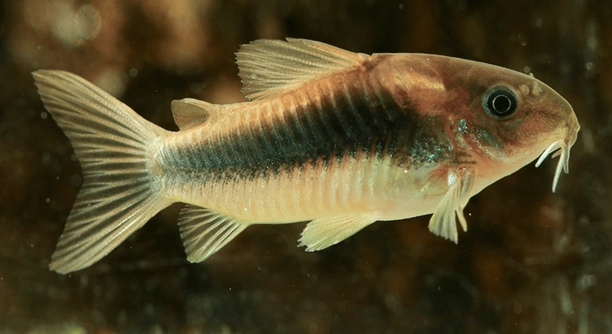
Are your Corydoras catfish always hovering around the same corner of the tank, barely exploring the other areas at all?
Encouraging Corydoras catfish to explore different tank areas involves adjusting environmental factors such as tank layout, substrate choice, lighting, and water flow. Providing hiding spots and varied terrain can stimulate their natural behaviors and increase movement across zones.
Learning how to guide their activity patterns can lead to a more balanced and visually engaging aquarium environment.
Rearrange Tank Decorations and Layout
Corydoras catfish often stick to familiar spots, especially when the tank layout doesn’t encourage exploration. Start by moving decorations, rocks, and plants to create new paths and hideouts. Place driftwood or smooth stones in different areas to break up empty space and spark curiosity. Avoid overcrowding one section. Spread features evenly to help your Corydoras feel comfortable moving around. Creating small caves or shaded zones in less-used parts of the tank can also invite exploration. Even something as simple as turning a log in a different direction can change how your fish interact with their environment. These changes mimic what they might encounter in nature and help keep them stimulated.
Keep things consistent with their needs—use soft materials and rounded edges to prevent injury while they explore.
This small change is easy to make and can quickly encourage your Corydoras to check out new parts of their tank.
Adjust Water Flow and Circulation
Strong water flow can keep Corydoras stuck in low-current spots.
Creating gentle currents across more areas helps them move comfortably. Use a sponge filter or reposition your existing filter to improve flow in calm sections. Avoid harsh turbulence that may stress them out.
If your tank has dead zones—areas where the water barely moves—those spots can feel unsafe to your Corydoras. Slow, steady movement makes them feel more secure and keeps them curious. You can use air stones in quiet corners to subtly change the water movement without disrupting their natural behavior. Try placing equipment so that it directs flow gently through the middle or bottom layers of the tank. This can help Corydoras glide naturally through spaces they might otherwise ignore. Small changes in flow can give them the comfort and confidence to explore without hesitation. With time, you may notice them venturing further and staying active for longer stretches.
Offer Food in Different Tank Zones
Feeding in just one spot can make Corydoras stay in that area and ignore the rest of the tank. Try placing food in different areas to gently guide them around without stress or sudden changes.
Use sinking pellets or wafers since Corydoras are bottom-dwellers. Spread the food in small amounts across various tank sections, such as near decorations, under driftwood, or beside plants. This helps them associate those areas with food and safety. It also gives them a reason to investigate zones they normally avoid. Make sure each spot is reachable and doesn’t trap uneaten food. You don’t want extra waste hiding in corners. Rotate feeding spots every few days so they don’t develop a new routine of only visiting one place. This keeps their movement active and varied.
Feeding this way not only encourages exploration but also helps reduce food competition. Each Corydoras has a chance to find something to eat.
Introduce Peaceful Tank Mates
Adding calm, mid-to-top level swimmers can influence your Corydoras to move more freely. Peaceful tank mates create a relaxed environment and help show Corydoras that it’s safe to explore open spaces without risk.
Choose species that won’t outcompete or harass your Corydoras. Harlequin rasboras, neon tetras, or hatchetfish are good options. These fish naturally swim through different layers of the tank, which can encourage your Corydoras to come out more often. Their gentle movement and calm behavior reduce stress and help build confidence. Avoid aggressive or fast-swimming species that may chase or scare them. A peaceful community can lead to more active Corydoras and better use of all tank zones. Make sure the tank is large enough for everyone to have space. When your Corydoras see other fish comfortably swimming across the tank, they’re more likely to feel secure and follow along. This simple social cue can make a noticeable difference over time.
Use Different Substrates or Textures
A uniform substrate can make the tank feel less interesting to Corydoras. Adding a mix of smooth sand, rounded gravel, or small leaf litter patches gives them different textures to explore with their barbels.
These changes provide gentle stimulation without stressing them. Just make sure every material is safe and soft enough.
Provide Low, Soft Lighting
Bright lighting can discourage Corydoras from moving around, especially in open areas. Use dim lighting or floating plants to soften the brightness. This helps create shadows and gentle transitions between zones, making them feel safer and more willing to explore.
Keep a Consistent Routine
Corydoras respond well to steady routines. Feed at the same times and avoid sudden tank changes. This helps reduce stress and builds trust, encouraging them to roam more confidently throughout the tank over time.
FAQ
Why aren’t my Corydoras moving around the tank?
Corydoras may avoid exploring due to stress or discomfort in their environment. Ensure the water temperature, pH, and flow rate are within the species’ preferred range. Also, check if they have enough hiding spots to feel safe. Poor water quality or harsh lighting can also discourage them from moving around. Make sure their tank mates are peaceful and not stressing them out. Sometimes, they just need a little time to adjust to changes in the tank before they start exploring more.
How can I make my Corydoras feel safer?
To make Corydoras feel more secure, add plenty of hiding places using driftwood, rocks, and plants. Corydoras are naturally shy and prefer to have places to retreat to. If they don’t feel safe, they are less likely to explore. Soft, dim lighting can also help reduce their stress levels. The more sheltered and calm their environment, the more likely they are to move around freely. Keep the water clean and stable to prevent health issues, which can also cause them to stay in one area.
Can Corydoras explore the top layers of the tank?
Corydoras are bottom-dwellers and tend to stay near the substrate. However, they may occasionally venture up for food or to interact with tank mates. To encourage them to explore higher layers, add gentle currents in those areas or place floating plants for them to interact with. Still, expect most of their activity to stay near the bottom. Ensuring that the lower levels of the tank are varied and interesting will keep them occupied and moving.
How do I know if my Corydoras are stressed?
Stressed Corydoras may display signs like staying in one spot, darting around quickly, or constantly hiding. Their color may also fade, and they might refuse food. If they seem lethargic or their gills are overactive, these can be signs of stress. Poor water quality, tankmates that are too aggressive, or sudden environmental changes can all cause stress. Make sure the tank conditions are ideal, and that they have plenty of space and hiding places.
Is it okay to keep Corydoras in a community tank?
Yes, Corydoras are peaceful fish that thrive in community tanks. They are non-aggressive and typically get along well with other calm fish. Avoid keeping them with species that are overly aggressive or too active, as this may cause stress. Corydoras do best in schools of at least 3-5 fish, as this gives them comfort and security. Keep in mind that they should have plenty of space to move around without feeling overcrowded.
Can I change the substrate in my Corydoras tank?
Yes, Corydoras can adapt to different substrates, but it’s important to choose one that won’t harm them. Sharp, rough substrates can damage their sensitive barbels. Fine sand or rounded gravel are ideal choices. If you’re switching the substrate, do it gradually to minimize stress. Providing a varied texture can encourage them to explore different areas of the tank. Make sure the new substrate is clean before adding it to avoid contaminating the water.
Why do my Corydoras stay in the same spot?
If your Corydoras stay in one area, they may feel secure there. It could be their preferred hiding spot, or they may be avoiding certain tank conditions in other parts. To encourage movement, try rearranging the tank, adding more hiding spots, or adjusting the water flow to create more comfortable areas throughout. Corydoras tend to stick to familiar places, so giving them a reason to move, such as food or more interesting tank features, can help.
Can I keep Corydoras in a tank with shrimp?
Corydoras generally get along well with shrimp, as they are non-aggressive. However, small shrimp species like cherry shrimp may be at risk of being nipped at or outcompeted for food. Larger shrimp varieties or those with a strong hiding ability tend to do better in tanks with Corydoras. Make sure your shrimp have plenty of safe hiding places to avoid unwanted interaction.
How do I encourage my Corydoras to breed?
Corydoras breeding is stimulated by changes in water conditions, especially temperature. Slightly cooler water followed by a temperature increase can trigger spawning. Providing them with a well-planted tank and soft, clean water will make them feel more comfortable. During breeding, females will lay eggs on surfaces, and males will fertilize them. You can also increase the chances of breeding by keeping multiple males and females together in a school.
Are Corydoras nocturnal?
Corydoras are primarily nocturnal but may also be active during the day, especially when they are comfortable. They tend to search for food and explore more during the nighttime or in low light. If your Corydoras are staying inactive during the day, it could be due to stress, discomfort, or poor water quality. Providing a tank with dim lighting or shaded areas can help bring out their natural behaviors.
Final Thoughts
Encouraging your Corydoras to explore different areas of the tank requires creating an environment where they feel safe, secure, and stimulated. These fish are naturally curious but can be shy, so it’s essential to consider their behavior when setting up the tank. Providing plenty of hiding spots, soft lighting, and a mix of different textures in the substrate can make a significant difference. Corydoras are more likely to move around and investigate new areas when they feel comfortable and confident in their surroundings. Keep the water quality clean and stable, and avoid introducing any aggressive tank mates to help them thrive.
Feeding your Corydoras in different spots throughout the tank can also encourage exploration. By spreading food in various areas, they begin to associate different parts of the tank with something positive. This simple change can encourage them to venture out from their usual hiding spots. Introducing peaceful tank mates can help as well, as it creates a calm atmosphere and encourages the Corydoras to feel safe enough to explore more freely. Just be mindful of the water parameters and ensure that the other fish are compatible with your Corydoras to prevent any unnecessary stress.
Finally, patience is key. Corydoras may take time to adjust to changes in their environment. It’s important to avoid sudden changes, as these can cause stress and make them more hesitant to explore. By gradually adjusting the tank setup and providing a consistent routine, your Corydoras will feel more at ease and, over time, will start exploring different areas of the tank. Monitoring their behavior and making small adjustments as needed will lead to a more active and content Corydoras population in your aquarium.

Hello,
If you enjoy the content that we create, please consider saying a "Thank You!" by leaving a tip.
Every little bit helps us continue crafting quality advice that supports the health, happiness, and well-being of pets around the world, for pets of all shapes, sizes, and species.
We really appreciate the kindness and support that you show us!