
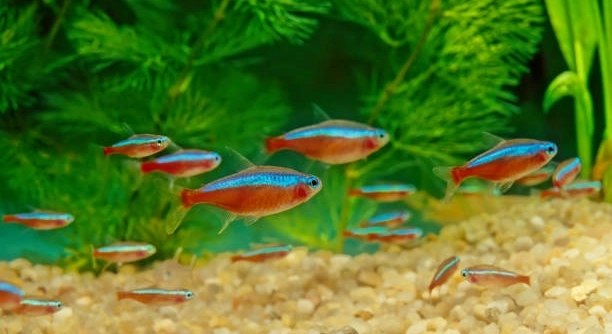
Are your tetra tanks constantly dealing with unwanted green buildup that seems to appear no matter what you do? Algae can make your tank look messy and even affect your fish’s environment if left unchecked.
The most effective way to keep tetra tanks algae-free is by maintaining proper lighting, avoiding overfeeding, and scheduling regular cleanings. These steps reduce excess nutrients and light—two key contributors to algae growth in freshwater aquariums.
From light timers to feeding tips, these easy methods can help you enjoy a clearer, healthier tank without extra hassle.
Reduce Light Exposure
Too much light can encourage algae growth in tetra tanks. Keep your tank in a spot where it doesn’t get direct sunlight, and use a timer to limit artificial lighting to 6–8 hours per day. This is enough for your fish and plants but not enough to let algae thrive. If you leave your tank light on all day, algae will quickly spread across the glass, gravel, and decorations. Choose low-intensity lighting and avoid placing the tank near windows. If algae is already present, reducing light exposure is often one of the first changes that will help slow its growth.
Limit your tank’s lighting to a consistent schedule to avoid giving algae the chance to spread faster than necessary. A basic plug-in timer can handle this easily.
Keeping lights on for too long doesn’t just affect appearance—it can change the water quality over time. Algae uses light to grow and multiply, and once it becomes established, it’s harder to remove. Using a timer helps control this without extra work on your part. Some people try to manage algae by manually scrubbing it off, but without reducing the light, it keeps coming back. Staying consistent with your tank’s light schedule is an easy way to reduce algae naturally and keep your tetras comfortable.
Avoid Overfeeding
Overfeeding your tetras can lead to leftover food that breaks down in the water, giving algae more to feed on and spread.
Only feed your fish what they can eat in two minutes. Uneaten food sinks and decomposes, adding extra nutrients to the water. This creates ideal conditions for algae to grow. Tetras are small and don’t need large amounts of food. Feed them once or twice a day in small portions. If you notice food left behind, reduce the amount next time. You can also use a feeding ring to keep food in one place, making it easier to clean up leftovers. Remove uneaten food within five minutes to prevent it from polluting the water. Maintaining this routine not only limits algae but also improves water clarity and helps keep your tetras healthy. A cleaner tank means less time scrubbing and more time enjoying your fish. Consistent feeding habits can make a noticeable difference in algae control.
Clean the Tank Regularly
A clean tank makes it harder for algae to build up. Regular maintenance helps remove waste, excess food, and algae before they become a bigger issue. Weekly care keeps things simple and your tetras comfortable.
Use a gravel vacuum during water changes to remove debris that settles at the bottom. Change about 25% of the water once a week to dilute excess nutrients. Wipe algae from the glass using a safe tank sponge or magnetic cleaner. Clean decorations only if they look dirty, and avoid using soap or chemicals. Rinse filter media in old tank water to keep helpful bacteria alive while clearing trapped particles. Consistent cleaning prevents algae from getting a foothold and helps keep the tank looking good. It doesn’t have to take long—just a few small tasks done regularly can go a long way in keeping your tetra tank clear.
Tanks that go too long without cleaning often see faster algae buildup. This isn’t always easy to notice at first, but over time, water quality drops, and the tank gets cloudy. Taking just 15–20 minutes each week can make a big difference. Skipping this step may also lead to unpleasant smells, which usually come from decaying food or waste. If cleaning feels like a hassle, try setting a reminder or linking it with another task you do weekly. Regular cleaning not only helps with algae control but also keeps your tetras more active and healthy. A stable environment helps them stay stress-free, which can also reduce illness and strange behavior. It’s a simple habit with long-term benefits.
Add Live Plants
Live plants use the same nutrients algae needs to grow. Adding them can reduce algae by giving those nutrients to something you actually want in the tank. It also makes the tank feel more natural for your tetras.
Choose fast-growing plants like hornwort, water wisteria, or java moss. These absorb extra nutrients quickly and outcompete algae. They’re easy to care for and do well in low-light tanks. Floating plants can also help block light, which reduces algae on the surface. When planting, space them out to allow water to flow freely. Don’t overcrowd, or the plants may struggle. Live plants not only look better but also help stabilize water conditions. They provide hiding spots and make the tank more interesting for your tetras. With regular trimming and good placement, live plants can be one of the easiest and most effective ways to help manage algae naturally in your tank.
Use Algae-Eating Tank Mates
Certain fish and snails can help keep algae in check by eating it as part of their diet. Otocinclus catfish and nerite snails are peaceful and work well in tetra tanks without disturbing the environment.
Keep the number of algae eaters small to avoid overcrowding. A few are usually enough for a small to medium tank. Always research compatibility before adding new species. They’re helpful, but not a replacement for regular maintenance and good water habits.
Test Water Parameters Regularly
Testing your water helps you catch problems before algae becomes a bigger issue. High levels of nitrates and phosphates support algae growth, so tracking these numbers keeps things under control. Use liquid test kits or strips weekly. Stay within safe ranges for your tetras—nitrates under 40 ppm and zero ammonia or nitrites. If your readings are too high, do a partial water change or check if you’re overfeeding. Dirty filters can also affect readings, so clean them monthly. Regular testing not only helps with algae but also protects your tetras from stress and illness caused by unstable water conditions. It’s a small habit with a big impact.
Avoid Overcrowding
Too many fish can lead to more waste and leftover food, which increases nutrients that feed algae. Stick to recommended stocking levels to help keep the tank balanced and clean.
How often should I clean my tetra tank to prevent algae?
Cleaning your tetra tank once a week is usually enough to keep algae under control. This includes partial water changes of about 25%, vacuuming the gravel, and wiping down the glass to remove any early algae buildup. Regular cleaning prevents excess nutrients from building up, which algae feed on. If you notice algae growing faster, you might want to increase the cleaning frequency slightly. However, avoid cleaning too much or replacing too much water at once, as this can stress your fish. Consistency is key — weekly care keeps your tank stable and your tetras healthy.
Can algae harm my tetras?
Algae itself usually isn’t harmful to tetras in small amounts, but too much algae can cause problems. Thick algae growth can reduce oxygen levels in the water, especially at night, making it harder for fish to breathe. It also blocks light, which can affect live plants and the overall tank environment. Excess algae can make the tank dirty and stressful for your fish, leading to weaker immune systems and possible illness. Keeping algae in check helps maintain a healthy, balanced tank where your tetras can thrive.
What is the best way to control algae without chemicals?
The best approach to controlling algae without chemicals involves managing light exposure, feeding habits, and tank cleanliness. Limit light to about 6-8 hours daily, avoid overfeeding, and perform regular water changes. Adding live plants helps compete with algae for nutrients naturally. You can also introduce algae-eating species like otocinclus catfish or nerite snails. These natural methods keep the tank environment safe for your tetras and prevent algae from taking over. Chemicals might seem like a quick fix, but they can disrupt the tank’s balance and harm your fish if not used carefully.
Why is my algae coming back quickly after cleaning?
Algae often returns quickly if the root causes aren’t addressed. Excess light, overfeeding, and poor water quality all encourage algae growth. Even after cleaning, if the tank still has too much light or nutrients, algae will grow back. Another factor is the presence of dissolved nutrients like nitrates and phosphates that are hard to remove without water changes. To prevent rapid algae regrowth, reduce light exposure, feed your tetras appropriately, and maintain regular cleaning and water testing. Controlling these factors helps keep algae from bouncing back after cleaning.
Are live plants really effective against algae?
Yes, live plants are very effective against algae. They absorb the nutrients in the water that algae need to grow, reducing algae’s food supply. Fast-growing plants like hornwort and water wisteria compete especially well with algae. Additionally, plants help stabilize water chemistry and improve oxygen levels, creating a healthier environment for your tetras. While plants don’t eliminate algae completely, they are a natural, low-maintenance way to slow down algae growth. Combined with good tank care, live plants can make your tank clearer and more enjoyable.
How much should I feed my tetras to avoid algae?
Feed your tetras only what they can eat in about two minutes, once or twice a day. Overfeeding leads to leftover food that breaks down and adds nutrients to the water, which algae use to grow. Small amounts of high-quality flake or pellet food are enough for these small fish. If you see uneaten food sinking to the bottom, reduce the portion next time. A consistent feeding schedule and portion control reduce waste buildup and help maintain better water quality, making algae growth less likely.
Can algae-eating fish or snails replace tank cleaning?
No, algae-eating fish or snails help manage algae but cannot replace tank cleaning. They eat some algae, but not all types or amounts that might develop in your tank. Regular cleaning, water changes, and proper feeding are still necessary to control algae and maintain good water quality. Think of algae eaters as helpers that reduce the workload but don’t solve the problem alone. Combining their natural grazing with good maintenance keeps your tetra tank cleaner and healthier for longer.
Is it okay to reduce lighting if my plants need more light?
Balancing lighting needs between plants and algae control is important. If your plants need more light, try using a timer to give them a consistent schedule without overexposing the tank. Using low-intensity LED lights can support plants while limiting algae growth. Another option is to add floating plants that reduce excess light reaching the bottom where algae grow. Avoid leaving the lights on longer than 8 hours daily, even if plants seem to want more. Over time, finding the right balance helps both plants and tetras thrive without encouraging algae.
What water parameters should I monitor to prevent algae?
Monitor ammonia, nitrite, nitrate, and phosphate levels regularly. Ammonia and nitrite should always be zero since they are toxic to fish. Nitrate should stay below 40 ppm to prevent excess nutrients that encourage algae. Phosphate is another key factor; high phosphate levels fuel algae growth. Use a reliable test kit weekly to check these values. If nitrate or phosphate levels rise, perform partial water changes and check for overfeeding or poor filtration. Keeping these parameters in check creates a stable environment less favorable to algae and healthier for your tetras.
How does overcrowding affect algae growth?
Overcrowding increases waste and leftover food, both of which raise nutrient levels in the tank. Higher nutrients mean more food for algae to grow quickly. Too many fish also stress your tetras, making them more vulnerable to illness. Stick to recommended stocking levels based on your tank size. A balanced number of fish makes it easier to manage waste and maintain good water quality. Proper stocking helps keep algae growth under control and creates a healthier home for your tetras.
Keeping a tetra tank free from algae can seem challenging, but with consistent care, it becomes manageable. Algae growth is a natural part of any aquarium, but controlling it helps maintain a clean and healthy environment for your fish. Simple steps like regulating light exposure, feeding your fish properly, and regular cleaning can make a big difference. These actions reduce the excess nutrients and conditions that algae need to grow, which in turn keeps your tank clear and attractive. Over time, you’ll find that managing algae is easier when these basic habits are part of your routine.
Adding live plants and algae-eating tank mates can support your efforts by naturally competing with algae for nutrients and helping to keep the tank balanced. Live plants improve water quality by absorbing nitrates and phosphates, which algae use to multiply. Algae-eating fish or snails help by eating algae before it becomes noticeable. However, these solutions work best when combined with good maintenance practices. It’s important to remember that no single method will completely prevent algae, but together they create a healthier and more stable environment for your tetras.
Maintaining a healthy tetra tank is about balance. Avoid overfeeding and overcrowding, test water parameters regularly, and keep a consistent schedule for tank care. By following these simple but effective steps, you not only reduce algae but also promote the well-being of your fish. A clear, clean tank is more enjoyable to watch and helps your tetras thrive. With a little patience and attention, you can keep your aquarium looking great and provide a safe space for your fish to live.

Hello,
If you enjoy the content that we create, please consider saying a "Thank You!" by leaving a tip.
Every little bit helps us continue crafting quality advice that supports the health, happiness, and well-being of pets around the world, for pets of all shapes, sizes, and species.
We really appreciate the kindness and support that you show us!