
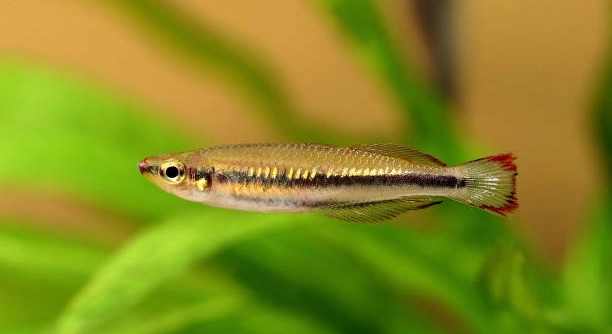
Rainbowfish are vibrant and lively additions to any freshwater aquarium. Their colorful scales and active nature make them fascinating to watch. Building a positive relationship with these fish enhances their wellbeing and creates a more enjoyable aquarium environment for owners.
Establishing trust with rainbowfish requires consistent care, gentle handling, and understanding their natural behaviors. Regular feeding routines, observing their reactions, and providing a secure environment help foster familiarity and reduce stress, ultimately encouraging the fish to interact more comfortably with their owner.
Learning these techniques ensures your rainbowfish remain healthy and confident, improving your overall experience as a responsible and attentive fish keeper.
Understanding Rainbowfish Behavior
Rainbowfish are naturally active and social creatures. Observing their movements, reactions, and interactions with other fish can reveal a lot about their comfort levels. They tend to be shy at first, hiding or darting when approached. Over time, with consistent care, they gradually adjust to their environment and start exploring more confidently. Environmental factors like tank size, water quality, and the presence of plants or decorations affect how safe they feel. By noticing small cues, such as fin position or swimming patterns, owners can respond appropriately, offering reassurance or adjusting the surroundings. Regular observation also helps detect early signs of stress or illness, allowing for timely intervention. Feeding routines play a significant role in building trust. Approaching the tank slowly and offering food consistently encourages them to associate your presence with positive experiences. Maintaining a calm and patient approach helps rainbowfish feel secure and strengthens the bond over time.
Consistency in feeding and interaction is key to developing a trusting relationship with your fish.
Small gestures like offering food gently, creating hiding spots, and keeping a stable environment significantly impact their comfort and trust.
Handling and Feeding Techniques
Start by introducing food at the same time and place every day. Rainbowfish respond well to predictability. Use feeding tongs or small dishes to avoid startling them and allow them to associate your movements with positive experiences. Avoid sudden hand movements near the tank, as they can trigger stress. Over time, you can gradually reduce the distance between your hand and the fish while feeding, encouraging them to approach without fear. Mixing different types of food, including flakes, pellets, and occasional live or frozen treats, keeps them engaged and healthy. Observation during feeding also helps identify dominant or shy individuals and ensures all fish receive adequate nutrition. If aggression arises, adjust feeding methods or separate fish temporarily. Gentle interaction paired with proper feeding routines enhances trust and promotes a healthier, more responsive group of rainbowfish in your aquarium. Maintaining patience and consistency is crucial for long-term success.
Creating a Comfortable Environment
Providing plenty of plants and hiding spots reduces stress and encourages natural behaviors. Rainbowfish feel safer when they can explore and retreat as needed. Proper lighting and a stable water temperature also contribute to their sense of security.
A well-structured tank mimics their natural habitat, giving them places to swim freely and hide when threatened. Adding live or artificial plants, rocks, and gentle currents helps them feel at ease. Avoid overcrowding, as too many fish can lead to stress and aggression. Regularly monitoring water quality ensures a healthy environment, supporting both trust and overall wellbeing.
Maintaining consistency in tank conditions, like temperature, pH, and filtration, helps rainbowfish adapt and feel secure. Observing how they interact with the environment allows for small adjustments, such as rearranging decorations or adding new plants, which can enhance comfort and promote confident behavior. Over time, these efforts lead to more relaxed and approachable fish that are willing to engage with their surroundings.
Gentle Interaction Techniques
Approach the tank calmly and avoid sudden movements. Rainbowfish respond better to predictable actions and gentle gestures. Hand movements should be slow and deliberate.
Spend time near the tank daily, letting the fish observe you without interference. Over time, they learn that your presence is safe. Use feeding routines to encourage them to come closer, gradually reducing the distance between your hand and the water. Avoid tapping on the glass or startling them with rapid motions, as this can reverse trust-building efforts. Observing their reactions closely helps determine the right pace for interaction, ensuring comfort and safety.
Using tools like feeding tongs or floating food platforms allows interaction without overwhelming them. Offering treats directly to their feeding area gradually encourages approach behavior. Patience and consistency are essential. Repeat gentle interactions daily, noting their comfort levels. Adjust your actions based on their responses, and give them time to build confidence. Over weeks, these techniques strengthen trust, leading to more responsive and relaxed rainbowfish.
Consistent Routine
Rainbowfish respond well to regular schedules. Feeding, cleaning, and interacting at the same times each day helps them feel secure. Predictability reduces stress and encourages them to approach the tank confidently.
Maintaining a stable routine also includes monitoring water quality consistently. Sudden changes in temperature or chemistry can unsettle the fish. Gradual adjustments are essential to keep them comfortable and trusting.
Social Interaction
Rainbowfish are social and thrive in groups. Observing their interactions helps identify shy or dominant individuals. Ensuring a balanced community promotes harmony and encourages all fish to feel secure and confident in their environment.
Avoiding Stress Triggers
Minimize loud noises, rapid movements, and sudden light changes near the tank. Stress reduces trust and can affect health, so maintaining a calm environment is crucial.
FAQ
How long does it take for rainbowfish to trust their owner?
The time varies depending on the fish’s personality and environment. Some rainbowfish may start showing comfort within a few days, while others take weeks. Consistency in feeding, gentle interaction, and a calm environment are key factors in speeding up trust development. Avoid rushing them or forcing interaction, as this can create fear rather than trust. Observing their behavior daily helps track progress. Patience is essential, as each fish adapts at its own pace. Small, positive experiences build familiarity, which eventually leads to more confident and approachable rainbowfish.
Can I hand-feed my rainbowfish safely?
Yes, hand-feeding is safe if done carefully. Start by offering food on a flat surface or using feeding tongs. Move slowly to avoid startling them. Allow the fish to approach at their own pace. Repeated, gentle sessions help them associate your presence with food and positive experiences. Avoid tapping on the tank or moving your hand quickly. Hand-feeding strengthens trust but should be done gradually. Monitor their reactions closely to ensure they feel comfortable and not threatened. Over time, they will recognize your hand as a source of food and safety.
What are the signs that a rainbowfish is stressed?
Stress signs include hiding frequently, darting around the tank, clamped fins, loss of appetite, or unusual swimming patterns. Color fading can also indicate stress. Environmental changes, aggressive tank mates, or sudden movements can trigger these behaviors. Addressing stress early helps maintain trust and overall health.
How many rainbowfish should I keep together?
Rainbowfish are schooling fish, so keeping at least six in a suitably sized tank is recommended. A proper group allows natural social behavior and reduces stress. Too few fish can make them shy, while overcrowding can cause aggression. Observing group dynamics helps ensure a healthy and balanced community.
Can rainbowfish recognize their owner?
Yes, they can learn to recognize familiar individuals over time. Consistent interaction, feeding routines, and calm presence help rainbowfish associate you with safety. Recognition encourages approach behavior and increases their willingness to interact during feeding or gentle observation sessions.
How do I reduce aggression in a rainbowfish tank?
Aggression usually arises from overcrowding, lack of hiding spots, or uneven group composition. Provide plenty of plants, rocks, and open swimming areas. Maintain a proper number of males and females to prevent dominance issues. Observe interactions and separate aggressive individuals if needed to maintain harmony.
Is it okay to change the tank layout frequently?
Frequent changes can stress rainbowfish. Introduce adjustments slowly and in small steps. Rearranging plants or decorations occasionally is fine if done gradually, allowing the fish to explore safely. Sudden major changes can trigger fear, hiding, or erratic swimming. Consistency promotes trust and comfort in their environment.
What type of food helps build trust?
A variety of high-quality foods, including flakes, pellets, and occasional live or frozen treats, encourages engagement. Offering food gently and consistently helps rainbowfish associate you with positive experiences. Mix their diet to maintain health and keep them interested during feeding sessions.
Can rainbowfish adapt to a new tank easily?
They can, but acclimation must be gradual. Introduce them slowly, monitor water parameters, and provide hiding spots. Minimize disturbances and maintain stable conditions. Patience and consistency in routine support adaptation and trust-building.
How often should I interact with my rainbowfish?
Daily interaction is ideal, even if brief. Consistency is more important than duration. Gentle presence, calm observation, and feeding routines help rainbowfish become familiar and comfortable with you. Over time, they learn to associate you with safety and food.
What is the best way to encourage shy rainbowfish to explore?
Provide a secure environment with plants and hiding spots. Move slowly around the tank and offer food at predictable times. Gradually reduce distance between you and the fish during feeding. Positive, gentle experiences help shy rainbowfish build confidence and trust.
Can lighting affect rainbowfish behavior?
Yes, sudden changes in lighting can stress them. Gradual adjustments and consistent day-night cycles promote natural behavior and comfort. Avoid very bright or flashing lights. Soft, steady lighting helps rainbowfish feel safe and encourages regular activity.
How do I know if trust is established?
Rainbowfish will swim closer during feeding, show relaxed fin movements, and explore the tank without hiding. They may approach your hand or hover nearby confidently. These behaviors indicate growing familiarity and comfort with your presence.
Are there tools to help build trust?
Feeding tongs, floating dishes, or gentle observation from outside the tank support trust-building. Use these tools to encourage approach behavior without causing fear. Combine them with consistency and calm interaction for the best results.
How can I maintain trust long-term?
Continue consistent feeding, gentle interaction, and a stable environment. Avoid sudden changes or rough handling. Regular observation allows timely adjustments to reduce stress. Long-term trust is reinforced through patience, predictability, and positive experiences.
This FAQ covers practical aspects of building trust with rainbowfish, offering guidance for both beginners and experienced aquarists. Consistent care, observation, and gentle interaction are key to fostering a confident, responsive group of rainbowfish.
Final Thoughts
Building trust with rainbowfish is a gradual process that relies heavily on patience, consistency, and understanding their natural behaviors. These fish are naturally active and social, but they can be easily startled by sudden movements or changes in their environment. Taking the time to observe how they react to different situations provides valuable insight into their comfort levels. Small adjustments, like rearranging plants or introducing new decorations slowly, can make a significant difference in how secure they feel. Over time, consistent and gentle care allows rainbowfish to become more confident, approachable, and willing to interact during feeding sessions or while exploring the tank. Trust is not something that develops overnight, but it is strengthened through repeated, positive experiences that make the fish feel safe. Every action, from feeding at regular times to maintaining water quality, contributes to creating an environment where rainbowfish can thrive.
Providing a comfortable and stable habitat is essential to nurturing trust. The tank should include enough space for swimming, along with hiding spots that mimic their natural environment. Live or artificial plants, gentle water flow, and appropriate lighting help create a setting that encourages natural behavior. Overcrowding should be avoided, as it can lead to stress and aggression, undermining trust. Maintaining consistent water parameters and avoiding sudden changes in temperature, pH, or lighting ensures that the fish feel secure. Feeding routines play an important role in trust-building as well. When rainbowfish learn to associate your presence with food and safety, they gradually start approaching more confidently. Even small gestures, like offering food gently or spending quiet moments near the tank, contribute to a sense of familiarity. Observing how they respond to these routines helps refine your approach and strengthen the bond.
Trust is also reinforced through careful and gentle interaction. Approaching the tank calmly, using slow hand movements, and avoiding loud noises prevents unnecessary stress. Shy or timid individuals benefit from repeated, positive experiences without pressure. Over time, rainbowfish recognize that your presence is safe and associated with food, comfort, and security. Using tools like feeding tongs or floating dishes can help maintain interaction while minimizing stress during the early stages of trust-building. Consistent, daily attention combined with a well-maintained environment leads to confident, responsive fish that enjoy exploring and interacting in the tank. By focusing on patience, routine, and understanding, you create a relationship that benefits both the fish and the owner. The process of building trust may require effort, but it results in healthier, happier rainbowfish and a more rewarding aquarium experience.

Hello,
If you enjoy the content that we create, please consider saying a "Thank You!" by leaving a tip.
Every little bit helps us continue crafting quality advice that supports the health, happiness, and well-being of pets around the world, for pets of all shapes, sizes, and species.
We really appreciate the kindness and support that you show us!