
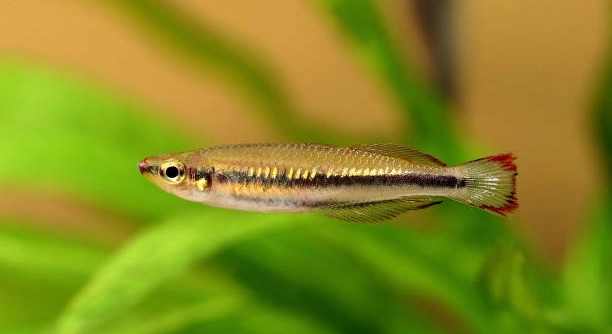
Are your aquarium plants looking the same week after week? Many fish tanks can become stagnant when left unchanged. Rearranging your tank regularly can refresh its appearance and create a more dynamic, engaging environment for your aquatic pets.
Regularly rearranging a fish tank promotes healthier ecosystems, prevents algae overgrowth, and stimulates fish activity. Changing the layout encourages natural behaviors, enhances water circulation, and reduces stress while providing visual interest, benefiting both aquatic life and the overall tank environment.
Small adjustments in your tank can make a noticeable difference. Each month offers a chance to improve both aesthetics and fish well-being.
Boosts Fish Activity
When I started rearranging my tank every month, I noticed my fish became more active. They explore new spaces and interact differently with plants, rocks, and decorations. A fresh layout encourages them to swim through new paths and discover hiding spots. Boredom in a tank can make fish sluggish, so small changes make a big difference. Moving decorations and plants around mimics the natural environment, giving them a sense of novelty. This stimulation reduces stress and promotes natural behaviors like chasing, hiding, or investigating corners. Over time, I realized my fish were not only moving more but also showing brighter colors. Rearranging also helps me keep the tank clean. When I move objects, I can check for debris, leftover food, or algae buildup that might otherwise go unnoticed. These small efforts improve both the fish’s health and the tank’s overall look. It’s a simple habit that yields significant benefits.
Fresh layouts make fish more curious and engaged. Activity levels rise noticeably with even minor changes.
Rearranging monthly keeps fish mentally stimulated. They learn new routes, explore different areas, and interact with objects differently. This reduces lethargy, prevents stress, and encourages natural behaviors. Active fish display better health, growth, and color, making the tank visually appealing. It also creates more balanced ecosystems as they distribute themselves evenly, keeping all parts of the tank lively. Over time, these small changes build healthier, happier fish.
Prevents Algae Overgrowth
Rearranging decorations and plants can help reduce algae buildup.
Changing the tank layout improves light exposure and water circulation, limiting areas where algae can thrive. Algae grow faster in stagnant spots with poor flow and constant light. By moving objects and adjusting plant positions, I can redirect water movement, ensuring filtration reaches every corner. Decorations that trap debris are shifted to prevent buildup. Even small changes, like moving a rock or rotating plants, alter water flow and light angles enough to slow algae growth. Rearranging also allows me to spot early algae patches and clean them before they spread. I’ve noticed that tanks left untouched tend to develop thicker algae layers, while monthly adjustments keep surfaces cleaner. This method also benefits fish, as algae-free areas prevent them from getting stressed or hindered by excessive growth. Incorporating rearrangement into regular maintenance saves time and reduces the need for harsh chemical treatments, keeping the tank natural and healthy. It’s a simple step that prevents larger cleaning challenges later.
Algae can overtake a tank if ignored. Regular changes make cleaning easier and reduce buildup naturally.
Rearranging decorations not only improves aesthetics but also supports a balanced aquatic environment. Poor water circulation and trapped debris create algae-prone zones. By repositioning plants, rocks, and ornaments, water flow improves, limiting stagnant spots. Adjusting decorations changes light distribution, preventing consistent exposure that encourages algae growth. These shifts allow for easier cleaning access, so algae can be removed early. Fish benefit from clearer water and unobstructed swimming paths. Over time, consistent layout changes reduce reliance on chemical treatments. Monthly adjustments are practical, creating a healthier, more manageable tank. Visual appeal also increases, making every corner look intentional rather than neglected. Keeping up with this habit simplifies long-term maintenance and protects the ecosystem, making the tank more enjoyable for both the fish and the keeper.
Reduces Fish Stress
Fish respond positively to change, and rearranging the tank can reduce stress. New hiding spots and swimming routes prevent boredom, making the environment feel more natural. They become more active and display healthier behavior when their surroundings are refreshed regularly.
I noticed my fish are calmer after I adjust decorations monthly. Providing new nooks and rearranging plants gives them safe spaces to explore. Fish naturally seek variety, and repeating the same layout can make them anxious or inactive. By changing the tank environment, they feel more secure while exploring. Even small shifts, like moving a rock or slightly changing plant positions, make a difference in how they interact with each other. Over time, stress-related behaviors such as hiding excessively or aggression decrease, creating a more balanced tank environment. This simple habit supports both mental and physical well-being.
Rearranging also encourages social interaction among fish. They establish territories in new areas, explore hidden spots, and adapt to new layouts. These activities strengthen natural instincts while preventing stress-induced health issues. Consistently updating the tank keeps fish engaged and lively, improving overall vitality. Watching them adapt has made me more aware of their behavior and needs. Regular changes ensure the tank is a stimulating, safe environment for all inhabitants, reducing tension and encouraging a peaceful aquatic community.
Keeps Decorations Clean
Frequent rearrangement helps keep decorations clean and free of debris. Moving objects allows easier access for scrubbing and prevents buildup of dirt or algae.
I find that monthly changes make cleaning decorations much simpler. Rocks, ornaments, and artificial plants often trap leftover food, waste, and algae. By moving them around, I can reach spots that are normally hidden, ensuring everything stays clean. Even shifting a single plant exposes areas that need attention, making the tank look fresher. This approach reduces time spent on deep cleaning later and prevents stubborn algae growth. Decorations remain visually appealing, and the overall tank environment feels healthier. It also prevents unpleasant odors caused by trapped waste, maintaining a more natural aquatic setting.
Keeping items clean extends their lifespan and improves the tank’s appearance. Decorations remain bright and safe for fish. Regular movement prevents unnoticed buildup, ensuring water quality stays high. Monthly rearrangement is practical, maintaining both aesthetics and health efficiently. It’s a small habit that pays off in long-term cleanliness and helps the tank stay visually organized and inviting for the fish. Watching decorations remain pristine after small adjustments reinforces the value of this simple maintenance routine.
Encourages Plant Growth
Rearranging plants regularly improves light exposure and water flow, promoting healthier growth. Shifting them prevents overcrowding and allows roots to spread, reducing the risk of decay or nutrient deficiencies.
I’ve seen plants thrive when moved slightly each month. Adjusting positions gives weaker plants more space and light, encouraging stronger growth.
Prevents Dead Zones
Water circulation improves when decorations and plants are repositioned. Dead zones with poor flow are reduced, keeping the tank cleaner and healthier.
Enhances Tank Appearance
Changing the layout keeps the tank visually interesting. New arrangements highlight colors and textures, making the aquarium feel fresh.
FAQ
How often should I rearrange my tank?
I rearrange my tank every month, and I’ve found this schedule works well. Monthly adjustments keep fish active, reduce stress, and prevent algae buildup. More frequent changes can confuse the fish, while less frequent changes may allow dead zones or debris to accumulate. A regular routine makes maintenance easier.
Will my fish get stressed from rearranging?
Fish may be curious or cautious at first, but regular, small changes reduce long-term stress. I always move decorations gradually, keeping hiding spots accessible. Over time, fish adapt quickly, exploring new spaces confidently while maintaining natural behavior and social interactions.
Do I need to remove fish before rearranging?
Removing fish is usually unnecessary. I gently move plants and decorations around them. For shy or delicate species, I sometimes create temporary barriers to avoid accidental collisions. Most fish are quick to explore new layouts without harm when handled carefully.
Can rearranging affect water quality?
It can, if debris is stirred up. I always vacuum the substrate lightly after moving decorations to prevent cloudiness. Monthly changes allow me to monitor water parameters and remove waste that may have settled in corners, supporting a cleaner, balanced tank.
Will plants survive being moved?
Most aquarium plants tolerate repositioning well. I trim dead leaves first and ensure roots are secured in substrate. Some sensitive species need gentle handling, but slight adjustments usually encourage growth by improving light and water flow. Monthly shifts prevent overcrowding and give each plant enough space.
How do I plan a new layout?
I start by visualizing open swimming areas and balanced decoration placement. Taller plants go in the back, rocks and ornaments are spread evenly, and hiding spots are kept for shy fish. Planning helps maintain flow and aesthetics while reducing stress for the fish during rearrangement.
Do decorations need special cleaning when rearranged?
Yes. I take the opportunity to scrub algae, rinse ornaments, and check for buildup. Cleaning decorations during each rearrangement keeps the tank hygienic and visually appealing, while preventing harmful bacteria or algae from spreading to other areas of the aquarium.
Can rearranging prevent fish aggression?
Yes, it can. Changing territories and hiding spots helps reduce competition among fish. I’ve noticed that rearranged tanks lead to calmer interactions, as fish explore new boundaries and settle into new areas without constant confrontation over the same spots.
Is rearranging necessary for all types of tanks?
It’s most beneficial in freshwater and planted aquariums, but even simple setups can improve with small changes. I adjust decorations in my smaller tanks too, keeping fish active and reducing algae-prone areas. Saltwater tanks may require more careful handling depending on coral and delicate species.
Will rearranging improve the overall look of the tank?
Absolutely. Monthly changes refresh the tank’s appearance, highlighting colors, textures, and plants in new ways. I enjoy seeing the tank feel alive and dynamic after each adjustment. Simple rearrangements make the environment visually interesting while keeping fish engaged.
What if my fish don’t explore the new layout?
Some fish are cautious initially. I give them time, and most start exploring within hours or days. I sometimes adjust hiding spots gradually to encourage movement. Patience is key, as fish need to feel safe before fully embracing the new environment.
Can rearranging help with algae problems?
Yes. Moving plants and decorations improves light distribution and water flow, reducing stagnant areas where algae thrive. I’ve seen algae slow significantly when dead zones are minimized and decorations are repositioned monthly, supporting a cleaner, healthier tank naturally.
Are there any risks to frequent rearrangement?
Frequent, drastic changes can stress fish, so I keep adjustments gradual. I avoid moving all decorations at once and maintain familiar hiding spots. Monthly, thoughtful changes balance stimulation with stability, benefiting both the fish and the tank ecosystem.
How do I know if I’m rearranging correctly?
Monitor fish behavior, plant health, and water quality. If fish remain active, plants grow well, and the tank looks clean, the rearrangement is effective. I also check decorations for stability and ensure nothing obstructs water flow. Small adjustments over time create the best results.
Can rearranging help with breeding fish?
Yes. Providing new hiding spaces and altering territories encourages natural behaviors that support breeding. I often see increased activity and interaction after changes, creating safer and more stimulating conditions for spawning while reducing stress among fish.
Does rearranging affect substrate or gravel?
It can. I lightly stir or vacuum the substrate after moving plants or decorations. This prevents trapped waste, redistributes nutrients for plants, and avoids creating dead zones that could harm water quality. Small adjustments preserve both aesthetics and ecosystem balance.
Will rearranging decorations damage delicate species?
Some delicate or slow-moving species need careful handling. I make gradual changes, avoiding sudden movements near sensitive fish. Most species adapt well when familiar hiding spots remain, and careful planning ensures the tank stays safe while still stimulating fish activity.
Is it better to move plants or decorations first?
I usually move larger plants first to create open space, then adjust rocks or ornaments around them. This order maintains stability and prevents accidental damage while allowing optimal placement for both aesthetics and water flow.
How long does it take fish to adjust to a new layout?
Most fish adapt within hours to a few days. Shy species may take longer, but gradually exploring new spaces is normal. I observe them to ensure they feel safe, adjusting decorations if necessary to reduce stress.
Can rearranging improve fish coloration?
Yes. Active, healthy fish in stimulating environments often display brighter colors. I’ve noticed that rearranged tanks encourage natural behaviors and reduce stress, leading to more vibrant, visually appealing fish.
Are artificial plants easier to rearrange than live plants?
Artificial plants are simpler to move, but live plants benefit more from adjustments. I reposition live plants to optimize light and growth while keeping roots secure, while artificial plants mainly improve aesthetics and tank flow.
Does rearranging help with tank odors?
Yes. Shifting decorations exposes hidden waste and debris, allowing for better cleaning. I’ve found that regular rearrangement reduces musty smells and keeps water fresher, contributing to a healthier and more enjoyable tank environment.
Can I rearrange while fish are feeding?
It’s best to wait. I avoid moving decorations during feeding to prevent stress and interference with natural eating behavior. Rearranging is safer and less disruptive when fish are calm and active after meals.
How do I safely move large rocks or ornaments?
I lift carefully, ensuring no sudden drops. Wetting hands or using a soft cloth prevents scratches. Stability is checked after placement to avoid toppling or injuring fish. Gradual adjustments reduce stress and keep the tank safe for all inhabitants.
Does rearranging help prevent plant decay?
Yes. Adjusting plants improves light exposure, water flow, and spacing, reducing decay risk. I’ve noticed healthier growth and fewer rotting leaves when changes are made regularly. Proper placement ensures roots and stems remain strong and nourished.
Can rearranging decorations improve oxygen circulation?
Absolutely. Moving objects opens up pathways for water flow, increasing oxygen distribution. Fish benefit from better oxygenated water, and plants receive more nutrients, supporting a balanced, thriving tank environment with healthier inhabitants.
Is monthly rearrangement too often for small tanks?
No, even small tanks benefit from gentle changes. I shift decorations gradually, keeping spaces familiar while still stimulating fish activity. Frequent small adjustments prevent stagnation without overwhelming the inhabitants.
Should I adjust lighting when rearranging?
Sometimes. I check how plants and decorations affect light distribution. Slight adjustments ensure all areas receive proper lighting, supporting plant growth and maintaining a balanced environment for fish. Lighting changes can complement the layout shift effectively.
Can rearranging help with fish hiding too much?
Yes. New paths and open areas encourage exploration. I’ve found that fish hiding excessively start moving more once familiar hiding spots are adjusted or replaced, balancing safety with activity.
Does rearranging decorations help with tank balance?
Yes. Positioning plants and ornaments thoughtfully improves water flow, reduces stagnant zones, and balances territories among fish. Monthly adjustments maintain both aesthetics and a healthy, functional ecosystem.
Are there any tools that help with rearranging?
I use tongs, soft cloths, and small nets for delicate plants and fish. These tools make adjustments easier and safer, minimizing stress and avoiding damage to the tank’s inhabitants or decorations.
How can I rearrange without disrupting plants too much?
I gently move the substrate around roots and reposition plants slowly. Trimming dead leaves beforehand also helps. Most plants tolerate minor adjustments, and careful handling encourages growth rather than harming them.
Does rearranging decorations affect filter efficiency?
It can slightly change water flow patterns. I check filter output after changes to ensure circulation reaches all areas. Proper placement of decorations and plants prevents blockages and maintains efficient filtration for a healthy tank.
Can rearranging prevent boredom for both fish and keeper?
Yes. I enjoy observing how fish interact with new layouts. Monthly changes keep the tank lively, engaging fish and providing a more enjoyable experience for me as the keeper. Both aesthetics and fish activity benefit from regular adjustments.
Will rearranging help new fish settle in?
Yes. Adjusted layouts create fresh territories and hiding spots, helping newcomers feel safe. I noticed that new fish explore more confidently when the tank is refreshed before introduction. Proper layout encourages smoother integration with existing fish.
Can rearranging decorations improve tank symmetry?
Yes. Monthly adjustments allow me to balance shapes, colors, and textures, creating a more visually appealing aquarium. Symmetry improves aesthetics and provides clear swimming paths for fish, making the tank both functional and attractive.
Does rearranging help with breeding behavior?
Yes. Providing new spaces and hiding spots encourages natural breeding behaviors. I’ve seen increased activity and safer spawning areas after layout changes, supporting healthy reproduction without added stress.
Can frequent rearrangement harm fish?
Only if done too drastically. I make gradual changes, preserving familiar hiding spots. Small, planned adjustments stimulate activity without causing panic or stress, ensuring fish adapt comfortably.
How do I know if my fish like the new layout?
Observing behavior is key. Active exploration, bright colors, and normal social interactions indicate they respond well. I adjust minor elements if fish appear stressed or avoid certain areas, ensuring a comfortable environment for everyone.
Does rearranging require extra maintenance?
Yes, slightly. I clean decorations and monitor water quality after changes. These small steps prevent buildup and keep the tank healthy, making monthly rearrangement a manageable addition to regular maintenance routines.
Is rearranging necessary for all aquarium sizes?
Even small or simple tanks benefit. I adjust layouts to stimulate fish and prevent dead zones. Proper placement supports activity, water flow, and aesthetics regardless of tank size, improving overall tank health.
Can rearranging improve tank harmony?
Yes. Changing territories and creating balanced spaces reduces aggression and stress. I’ve noticed calmer interactions and healthier fish after consistent, thoughtful adjustments to the tank layout.
How do I safely rearrange plants with delicate roots?
I loosen substrate gently, hold roots carefully, and reposition slowly. Trimming dead leaves before moving reduces stress, and gradual adjustments prevent damage while supporting continued growth.
Does rearranging improve fish visibility?
Yes. Shifting plants and decorations can open swimming paths and remove hidden corners, making fish easier to observe. I enjoy seeing their colors and behaviors clearly after a layout change.
Can rearranging decorations support natural fish instincts?
Absolutely. New territories, hiding spots, and exploration paths encourage chasing, hiding, and foraging behaviors. I’ve seen fish respond positively, maintaining natural instincts and reducing stress when the environment changes thoughtfully.
How do I know which decorations to move first?
I start with larger items or plants that define the tank’s structure. Once major elements are in place, I adjust smaller decorations to create balance and optimize flow, ensuring fish have clear swimming paths and access to hiding spots.
Will rearranging affect tank temperature?
Not directly. However, moving objects near heaters or filters can slightly change water circulation. I monitor temperature after adjustments to ensure stability, keeping the environment safe and consistent for fish.
Can rearranging help prevent overcrowding?
Yes. By spreading decorations and plants evenly, fish distribute more naturally. I’ve noticed that rearranged tanks reduce territorial disputes and make all areas of the tank accessible, improving both activity and social balance.
Is it necessary to rearrange artificial plants the same way as live ones?
Artificial plants mainly improve aesthetics and flow. I adjust them to open swimming paths and create hiding spots, while live plants also benefit from changes that improve light exposure and growth.
Can rearranging decorations impact filter placement?
It can, slightly. I ensure filters remain unobstructed after adjustments. Proper decoration placement maintains efficient circulation, supporting both water quality and fish health.
How do I prevent fish from getting trapped under decorations?
I check stability and remove hazards when moving decorations. I ensure all gaps are safe, giving fish space to swim freely. Proper placement prevents accidents while still creating hiding spots.
Does rearranging decorations increase fish activity at night?
Yes. Fish often explore new layouts during quieter hours. I’ve noticed increased nighttime movement after changes, showing that rearrangement stimulates activity throughout the day and night.
Will rearranging affect fish feeding habits?
Generally, no. Fish may explore more before eating, but normal feeding resumes quickly. I observe behavior after changes to ensure they are comfortable and still eating properly.
Can rearranging improve overall tank balance?
Yes. Thoughtful placement of plants and decorations improves circulation, reduces stress, and supports healthy ecosystems. I’ve found monthly adjustments maintain a balanced, thriving tank environment with active, happy fish.
Is it better to rearrange gradually or all at once?
Gradual adjustments work best. I move a few items at a time, keeping familiar hiding spots accessible. This reduces stress while still stimulating exploration, making the process safer and more effective for fish.
Does rearranging help prevent plant overcrowding?
Yes. Shifting plants gives them space to grow, improves light exposure, and reduces competition. I’ve noticed healthier, stronger plants when I make small monthly adjustments.
Can rearranging improve fish health?
Yes. Active fish in stimulating, stress-free environments display stronger immune systems, better coloration, and improved growth. I’ve seen positive changes after regular tank adjustments.
Are there risks with rearranging live rock or corals?
For freshwater tanks, the risk is minimal. I handle rocks gently and secure plants carefully. In sensitive saltwater setups, extra care is needed to avoid damaging corals or delicate species.
How do I ensure fish safety during rearrangement?
I move decorations slowly, maintain hiding spots, and monitor behavior. Tools like tongs or nets help avoid accidents. Gradual changes keep fish stress low and ensure a safe environment.
Can rearranging reduce fish aggression long-term?
Yes. By altering territories and hiding spots, fish establish new boundaries, reducing fights. I’ve observed calmer interactions in tanks that are adjusted regularly, creating a more harmonious community.
Does rearranging affect nutrient distribution for plants?
Yes. Shifting plants exposes roots to more substrate and improves water flow, distributing nutrients evenly. I’ve noticed healthier growth and fewer nutrient deficiencies after rearrangements.
Can rearranging decorations improve tank aesthetics over time?
Absolutely. Monthly changes refresh the layout, highlight colors, and prevent the tank from looking stagnant. I enjoy seeing the tank feel lively and visually appealing after small adjustments.
Is it better to rearrange at a certain time of day?
I prefer daytime when fish are active and visible. This allows me to observe reactions and ensure safety. Adjustments during feeding or night may stress fish or cause accidental damage.
Does rearranging decorations help prevent territorial disputes?
Yes. New hiding spots and redistributed objects allow fish to establish different territories. I’ve noticed fewer conflicts after making thoughtful changes, promoting a peaceful and balanced tank environment.
Can rearranging be combined with other maintenance tasks?
Yes. I often clean decorations, vacuum substrate, and trim plants while moving items. Combining tasks saves time and keeps the tank in optimal condition.
Will rearranging affect fish schooling behavior?
Minor adjustments may temporarily alter schooling patterns, but fish quickly adapt. I’ve observed that schools reorganize naturally once they explore new layouts, maintaining cohesion and social balance.
Does rearranging help with oxygen flow to plants?
Yes. Moving objects opens pathways for water movement, improving oxygen distribution for both plants and fish. This supports growth, respiration, and overall ecosystem health.
How do I prevent accidental plant uprooting?
I secure roots gently in substrate and avoid excessive disturbance. I move surrounding decorations first and adjust plants slowly, keeping them stable and promoting healthy growth.
Can rearranging improve fish interaction with their environment?
Absolutely. Fish explore new paths, investigate hiding spots, and engage more with their surroundings. I’ve seen increased curiosity and activity after monthly adjustments, enhancing natural behaviors.
Does rearranging decorations affect filter efficiency?
Slightly, depending on placement. I ensure filters remain unobstructed and water flow is not blocked. Proper positioning maintains circulation, helping filtration perform optimally.
Can rearranging help with weak or slow-growing plants?
Yes. Adjusting light exposure and water flow by moving decorations can stimulate growth. I’ve noticed weaker plants thrive when given more space and better conditions during rearrangements.
Is it better to rearrange decorations when the tank is fully cycled?
Yes. A stable, cycled tank ensures water quality remains safe during adjustments. I avoid major changes in new tanks to prevent stress and maintain a balanced ecosystem.
How do I prevent fish from being trapped during rearrangement?
I move objects carefully, leaving escape routes open. Monitoring fish during the process prevents accidents, and stable placement ensures they can swim freely after adjustments.
Can rearranging decorations improve tank lighting effects?
Yes. Shifting plants or ornaments changes how light reaches the tank, enhancing colors and highlighting different areas. I enjoy seeing new visual effects with small adjustments.
Does rearranging help prevent buildup in corners?
Absolutely. Moving objects exposes hidden areas, allowing for easier cleaning and preventing accumulation of waste or algae. Regular adjustments keep the tank cleaner and healthier.
Will rearranging decorations affect my fish’s feeding areas?
Minor shifts may change paths, but I keep feeding zones accessible. Fish adapt quickly, and I ensure their routines remain uninterrupted while maintaining new exploration areas.
Can rearranging decorations encourage shy fish to explore?
Yes. New hiding spots and open areas make timid fish feel secure. I’ve seen shy species become more active and confident after thoughtful adjustments.
Does rearranging help prevent stagnant water zones?
Yes. Adjusting decorations and plants improves water circulation, reducing areas of poor flow. I monitor movement after changes to ensure even distribution and a healthier environment.
How can I make rearranging less stressful for fish?
I move items gradually, preserve familiar hiding spots, and avoid sudden changes. Calm, careful adjustments allow fish to adapt comfortably, keeping stress levels low.
**Is rearr
Rearranging your tank every month can make a significant difference in the health and happiness of your fish. Small changes in decorations, plants, and layout provide new spaces for swimming, hiding, and exploring. Over time, these adjustments encourage natural behaviors and reduce boredom. Fish become more active and confident when their environment is slightly refreshed, and this increased activity can contribute to better overall health. I have noticed that fish in tanks with regular rearrangements tend to display brighter colors and show fewer signs of stress compared with those in stagnant environments. The simple act of moving objects around creates a more dynamic space that mimics natural habitats, allowing fish to interact with their surroundings in a way that feels safe yet stimulating. Even small changes, such as rotating a plant or shifting a rock, can have a noticeable impact on their daily behavior and mental stimulation.
Monthly rearrangement also supports the physical environment of the tank. Water circulation improves when decorations and plants are repositioned, reducing dead zones where debris and algae can accumulate. This helps maintain cleaner water and prevents issues that may otherwise develop over time. Rearranging also provides an opportunity to inspect decorations, plants, and substrate for buildup or early signs of damage. Cleaning becomes easier when items are moved, and algae growth can be managed naturally without relying on chemical treatments. Even artificial decorations benefit from occasional adjustment, as it keeps them free from trapped waste and improves the visual balance of the tank. Live plants thrive when shifted periodically, receiving better light exposure and space to grow, which contributes to a healthier and more balanced ecosystem. These practical advantages make regular rearrangement a simple but effective part of tank maintenance.
Beyond health and cleanliness, rearranging your tank can improve its overall appearance and the enjoyment of keeping it. A fresh layout highlights different areas of the tank, giving plants, rocks, and fish more visual prominence. It also prevents the tank from becoming monotonous, offering both you and the fish a more stimulating environment. Over time, this habit encourages observation and awareness of your fish’s behavior, helping you notice changes in activity, coloration, or interaction that may indicate health concerns. Regular adjustments allow for creativity in arranging plants and decorations while keeping the tank functional and safe. The combination of aesthetic improvement, better water circulation, and stimulation for fish demonstrates that monthly rearrangement is not just a decorative choice but a valuable part of responsible aquarium care. It creates a lively, balanced, and engaging habitat that supports the long-term health and happiness of every inhabitant.

Hello,
If you enjoy the content that we create, please consider saying a "Thank You!" by leaving a tip.
Every little bit helps us continue crafting quality advice that supports the health, happiness, and well-being of pets around the world, for pets of all shapes, sizes, and species.
We really appreciate the kindness and support that you show us!