
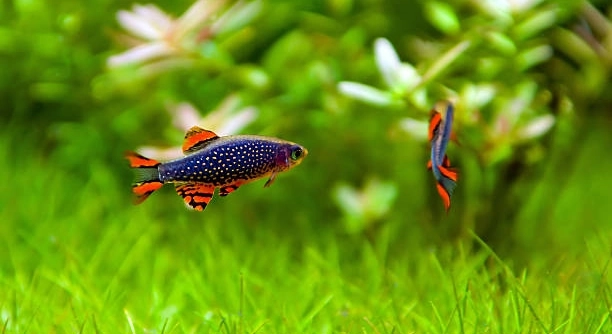
Breeding danios can be an interesting experience for aquarium enthusiasts who enjoy watching tiny fish grow and develop. Observing their behavior and daily routines over the course of a week offers insight into their reproductive patterns and care.
A complete danio breeding cycle typically spans seven days, beginning with pairing mature adults, followed by spawning, egg fertilization, and hatching. Each stage requires careful monitoring of water conditions, diet, and tank environment to ensure successful fry development.
Understanding the timing and requirements of each day can improve your breeding success and help maintain a healthy aquarium environment for both adults and fry.
Preparing the Tank for Breeding
Before starting a breeding cycle, setting up the tank properly is essential. I always make sure the water is clean and at the right temperature, around 78°F. Adding a gentle filter and live plants provides hiding spots for eggs and fry. Soft lighting helps reduce stress on the fish, and a separate breeding tank prevents adults from eating eggs. I also adjust the water slightly harder to encourage spawning. Feeding the adults a high-protein diet for a few days before pairing them improves their readiness. Observing their behavior during this time can indicate which pairs are compatible. Once everything is ready, I carefully transfer the selected adults to the breeding tank, making sure they have enough space to swim. Monitoring water quality daily ensures the eggs are safe and healthy. Attention to these details makes a noticeable difference in breeding success.
Setting up the tank carefully can improve egg survival and reduce stress for the adult danios.
A proper breeding tank requires clean, warm water and safe hiding spots for eggs. Feeding adults well in advance encourages successful spawning. I always watch their behavior closely to confirm compatibility and readiness. By managing these factors, eggs are more likely to develop properly, and the fry have a safer start in life.
Spawning and Egg Care
Spawning usually begins early in the morning. I notice the female swimming among plants, releasing eggs while the male fertilizes them. It can be a delicate process, so I leave them undisturbed. After spawning, I remove the adults to prevent them from eating the eggs. Counting eggs and gently checking their condition helps me track progress. The eggs stick to plants and tank surfaces, making it easy to spot unfertilized or damaged ones. I change the water carefully, maintaining temperature and avoiding strong currents. Light aeration helps prevent mold growth. Watching the eggs slowly develop over the next few days is rewarding. Small adjustments in water conditions can influence hatching success, so I measure and monitor regularly. This stage requires patience and careful attention, but it is worth it when the fry start appearing.
Observing the eggs closely ensures they develop properly and survive to hatching.
Careful management after spawning is critical. I remove adults immediately to prevent predation. Eggs attach to surfaces, so I inspect for damage, adjusting water gently to avoid disturbance. Maintaining stable conditions, including temperature and aeration, encourages healthy development. This stage demands patience, but attentive care leads to successful hatching.
Hatching and Early Fry Care
The eggs usually hatch within two to three days. I watch for tiny movements inside the eggs and notice when fry start swimming freely. Keeping water clean and slightly aerated is important during this stage.
Once the fry hatch, they are very small and delicate. I avoid strong currents and make sure the tank water is stable and clean. Feeding begins with infusoria or liquid fry food for the first few days. I carefully monitor how many fry survive each day and remove any eggs or fry that do not develop properly. Observing their growth closely helps me adjust feeding amounts and tank conditions to avoid overcrowding. Gentle aeration ensures oxygen reaches all areas without disturbing the fry. Consistency in temperature and water quality is key, as sudden changes can harm their development. This stage is critical for their survival, and careful attention makes a noticeable difference.
I start introducing freshly hatched baby brine shrimp after a few days. Small amounts several times a day allow fry to grow steadily. Watching their behavior helps me know if they are eating properly. Overfeeding is avoided to prevent water quality issues. I gradually increase food quantity and monitor growth daily. Separation of weaker fry may be necessary to give stronger ones a better chance. I also ensure light levels are gentle to reduce stress. Tracking water parameters like temperature, pH, and ammonia helps me maintain a healthy environment. By paying attention to these small details, I can see steady growth and active, healthy fry.
Fry Development and Tank Management
Fry start swimming more actively after a week. I check their size and health regularly while maintaining water quality. Feeding frequency and type are adjusted as they grow.
During this stage, I gradually introduce finely crushed flakes or micro pellets along with live food. The fry become more independent, and I observe their schooling behavior, noting any signs of illness. Regular water changes are necessary, but I make them small to avoid shocking the fry. I separate overcrowded areas and remove any debris or uneaten food promptly. Monitoring tank temperature and lighting helps maintain stability. Keeping a close eye on their growth allows me to identify slower-growing fry, which can be moved to a different section to ensure better survival. Social behavior also emerges, and I make sure the environment encourages healthy interaction. This careful attention ensures the fry develop properly into strong, healthy fish ready for the next stages.
Feeding Schedule Adjustments
As fry grow, I increase feeding frequency and variety. I switch from infusoria to finely crushed flakes and tiny live foods. Observing their eating habits helps me adjust amounts to avoid leftover food that could pollute the tank.
I monitor growth carefully and separate larger fry if necessary. Feeding multiple small portions ensures all fry have access to food without overfeeding. Consistent observation prevents health issues and supports steady development during these critical growth days.
Introducing Tank Mates
Once the fry reach a certain size, I start considering compatible tank mates. Small, peaceful species are ideal to avoid stress or predation. I monitor interactions closely to ensure harmony.
Water Quality Maintenance
Regular water changes are essential to maintain stable parameters. I remove debris carefully, avoiding strong currents that could disturb fry. Consistent monitoring of pH, ammonia, and temperature ensures a safe, healthy environment for growing fish.
Observing Growth Patterns
I track fry size and behavior daily. Noting variations helps me adjust feeding and tank conditions. Consistent care supports uniform growth and overall health.
How long does a danio breeding cycle take?
A typical danio breeding cycle lasts about seven days from pairing adults to hatching fry. The first day focuses on preparing the adults and the tank. Spawning usually occurs early in the morning of day two or three. Eggs develop over the next two to three days, and fry begin swimming freely by day five or six. The final days involve careful monitoring, feeding the fry, and maintaining water quality to ensure healthy growth. Keeping a close eye on temperature, pH, and oxygen levels throughout the cycle supports successful reproduction and fry survival.
What is the best way to prepare a breeding tank?
A separate breeding tank is essential for danios. I use a small tank with gentle filtration and soft lighting. Adding live plants or spawning mops gives eggs a safe place to attach. The water should be clean, slightly harder, and stable around 78°F. I feed adults a high-protein diet for several days before pairing to boost spawning readiness. Regularly monitoring water parameters ensures that the environment remains safe for both adults and eggs. Removing adults after spawning prevents them from eating eggs. Careful preparation of the tank sets the stage for a successful breeding cycle and healthy fry development.
How do I know when eggs are fertilized?
Fertilized eggs appear clear or slightly golden and may have tiny developing embryos visible. Unfertilized eggs often turn white or cloudy and should be removed to prevent fungus from spreading. I check eggs daily, gently removing damaged ones while keeping water stable. Observing the eggs closely helps predict hatching times and allows me to adjust care if needed. Fertilized eggs typically hatch within two to three days, depending on water temperature and conditions. Consistent monitoring ensures the best survival rate and allows for timely interventions if any issues arise.
What should I feed newly hatched fry?
For the first few days, fry need very small, easy-to-digest food like infusoria or liquid fry food. I feed several times a day in tiny amounts to prevent overfeeding. After a few days, I introduce freshly hatched baby brine shrimp, gradually increasing quantity as fry grow. As they develop, I add finely crushed flakes or micro pellets. Careful observation ensures all fry are eating and growing evenly. Overfeeding can harm water quality and reduce survival, so small, frequent meals are the safest approach. Proper nutrition during early development is crucial for strong, healthy fry.
When can I introduce fry to a community tank?
Fry should only be moved once they are large enough to avoid being eaten by other fish. I usually wait until they are several weeks old and have developed proper swimming and feeding habits. At this stage, I acclimate them slowly to the conditions of the community tank. Introducing them gradually prevents stress and helps them adjust to new water parameters. I also observe their interactions with other fish to ensure they are not bullied or outcompeted for food. Careful timing and monitoring make the transition safe and support continued healthy growth.
How often should I change the water during the breeding cycle?
Frequent but gentle water changes are important. I typically replace 10–20% of the water daily, avoiding strong currents that could disturb eggs or fry. Maintaining temperature and water chemistry is critical, so I carefully condition replacement water before adding it to the tank. Consistent water changes prevent waste buildup and reduce the risk of disease. Monitoring water quality, including ammonia, nitrites, and pH, helps me adjust the schedule if necessary. Regular, small water changes ensure a clean, stable environment, supporting both adult fish and fry throughout the breeding cycle.
How do I prevent fungus on eggs?
Fungus can develop quickly on unfertilized or damaged eggs. I remove affected eggs immediately and maintain proper water conditions. Gentle aeration helps prevent mold by keeping water moving without disturbing healthy eggs. Clean equipment and live plants also reduce the chance of fungal growth. Maintaining stable temperature and pH supports egg health. Observing eggs daily allows early detection and intervention. By keeping the environment clean and monitoring closely, I minimize losses and give fertilized eggs the best chance to hatch successfully.
What signs indicate fry are healthy?
Healthy fry are active, swim evenly, and respond to food. They show uniform growth and clear eyes. I watch for consistent movement and feeding behavior, ensuring they are not lethargic or hiding excessively. Rapid or uneven growth can indicate overfeeding or water issues. Clear water, good aeration, and proper feeding support healthy fry development. Regularly checking size, behavior, and coloration allows me to make adjustments to diet or tank conditions quickly. Healthy fry are more resilient and grow steadily into strong, mature danios capable of thriving in the main tank.
How do I handle slow-growing or weaker fry?
Separating slower-growing fry from stronger ones helps ensure fair access to food and reduces competition. I move them to a smaller tank or section with gentle filtration and appropriate feeding. Monitoring their progress allows me to adjust food and water conditions for better growth. Consistency is key, and I make gradual changes to avoid stress. Observing behavior and health daily helps me determine if interventions are successful. With proper care, even smaller fry can catch up and develop into healthy adult fish. This targeted approach reduces losses and improves overall survival rates.
Can temperature affect the breeding cycle?
Yes, water temperature plays a significant role. I maintain a stable 78°F to encourage spawning and proper egg development. Fluctuations can slow growth or cause stress to adults and fry. Monitoring temperature daily and adjusting heaters ensures a consistent environment. Stable conditions support healthy eggs, hatching, and fry survival. Temperature management is one of the most important factors in achieving a successful breeding cycle.
What is the best way to observe fry without stressing them?
I use gentle observation through the tank walls without tapping or creating vibrations. Soft lighting helps me watch feeding and swimming behavior without causing stress. Frequent, calm checks allow me to track growth and detect problems early. Minimal disturbance promotes healthy development and reduces the risk of injury or illness. Consistent, careful observation is the safest way to monitor fry while supporting their environment.
How do I know when the fry are ready for larger food?
When fry grow larger and can easily catch and consume small particles, I gradually introduce finely crushed flakes or micro pellets. I continue live food alongside for a balanced diet. Observing feeding efficiency helps me determine the proper timing. Gradual transition reduces stress and ensures proper nutrition.
Is it necessary to track the number of eggs and fry?
Counting eggs and fry helps me monitor survival rates and identify potential problems. Tracking numbers allows me to adjust tank conditions, feeding, and separation strategies to maximize growth and reduce losses. Consistent observation supports healthier fry and better outcomes throughout the breeding cycle.
How can I prevent overcrowding in the fry tank?
I separate fry into sections or additional tanks when numbers are high. Adequate space, proper filtration, and careful feeding prevent overcrowding and reduce competition. Observing growth and behavior helps me make adjustments quickly. Maintaining proper density supports healthy development and reduces stress-related issues.
Breeding danios over a seven-day cycle requires patience, attention, and consistent care. From setting up the tank to monitoring eggs and fry, each step affects the outcome. I’ve learned that small adjustments, like maintaining stable water temperature and providing proper feeding, can make a significant difference in survival rates. The first day focuses on preparation, ensuring adults are healthy and the environment is suitable for spawning. Using live plants or spawning mops gives eggs safe places to attach, while soft lighting and gentle filtration reduce stress on both adults and newly laid eggs. Careful planning at this stage sets the tone for the rest of the cycle, making subsequent steps smoother and more predictable. Paying attention to these details helps maintain a healthy environment and improves overall success, whether the goal is a few healthy fry or larger numbers.
Once eggs are laid, the next few days involve careful observation and care. Fertilized eggs need stable water conditions, gentle aeration, and daily checks to remove any damaged or unfertilized eggs. I’ve found that watching the eggs closely while keeping disturbance minimal helps prevent fungus and ensures higher hatching rates. When fry emerge, they are extremely delicate and require proper feeding in small amounts. Starting with infusoria or liquid fry food allows them to grow steadily, and gradually introducing baby brine shrimp and finely crushed flakes supports healthy development. Regular monitoring of water quality, including temperature, pH, and ammonia levels, is critical during this stage. Overfeeding or sudden changes in water conditions can cause stress or health problems, so careful consistency is essential. Even small adjustments, like splitting fry into sections if some grow faster, can significantly improve survival and growth for all fish.
As fry continue to grow, feeding, water management, and observation remain the focus. I gradually introduce larger food as they develop and pay attention to behavior and schooling patterns. Removing overcrowding and monitoring slower-growing fry ensures all fish have access to food and space. Introducing compatible tank mates only happens after fry are strong enough to avoid predation. Throughout the week, consistent care builds a routine that supports healthy growth and reduces stress on both adults and fry. Breeding danios can be a rewarding process, showing visible progress each day. Observing eggs develop, fry grow, and behavior change over the seven days provides insight into their needs and strengthens understanding of their care. By following careful steps, maintaining a stable environment, and observing closely, it is possible to achieve a successful breeding cycle and raise healthy, thriving danios.

Hello,
If you enjoy the content that we create, please consider saying a "Thank You!" by leaving a tip.
Every little bit helps us continue crafting quality advice that supports the health, happiness, and well-being of pets around the world, for pets of all shapes, sizes, and species.
We really appreciate the kindness and support that you show us!