
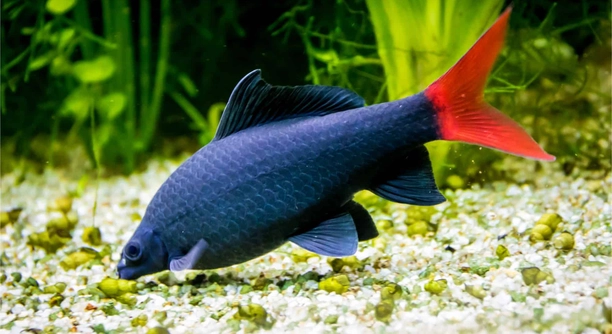
Keeping a Rainbow Shark can be a rewarding experience for fish enthusiasts. These fish are known for their unique colors and peaceful nature. However, many keepers face common challenges that can affect their health and happiness.
Avoiding common mistakes when caring for Rainbow Sharks involves proper tank setup, balanced diet, and regular maintenance. Attention to water quality, compatible tank mates, and adequate space are essential to ensure their well-being and reduce stress-related issues.
Learning the right care steps will help you maintain a healthy and vibrant aquarium. This article covers important tips that can make a big difference in your Rainbow Shark’s life.
Choose the Right Tank Size
Rainbow Sharks need plenty of space to swim and thrive. A tank that is too small can cause stress and aggressive behavior. Ideally, the tank should be at least 40 gallons. This gives them enough room to move around comfortably and establish territories. Crowded tanks increase the risk of illness and conflict with other fish. Using a good filter system is important to maintain clean water. Regular water changes also help keep the environment healthy. Decorations and plants provide hiding spots, but the main priority should be enough open space for swimming. Avoid overcrowding by carefully planning your tank population. Keep in mind that Rainbow Sharks can grow up to six inches, so their space needs should reflect their adult size.
Smaller tanks are not suitable because they limit swimming space and can lead to health problems over time.
Proper tank size supports a healthy, active Rainbow Shark and helps prevent common stress-related issues.
Maintain Stable Water Conditions
Keeping water conditions stable is key to Rainbow Shark health. Sudden changes in temperature or pH levels can cause stress and weaken their immune system. The ideal water temperature is between 72°F and 79°F. pH should be kept around 6.5 to 7.5. Using a reliable heater and test kits will help monitor these factors regularly. It is also important to avoid overfeeding, as leftover food decomposes and pollutes the water. Clean the tank regularly and remove any waste promptly. Frequent water testing can prevent harmful spikes in ammonia, nitrites, or nitrates, which are toxic to fish. A stable environment reduces disease risk and helps your Rainbow Shark live longer. Consistency in care and maintenance is crucial to keep the fish comfortable and healthy in the long term.
Provide a Balanced Diet
Rainbow Sharks need a varied diet to stay healthy. Feeding only flakes or pellets is not enough.
A balanced diet includes high-quality sinking pellets, supplemented with fresh vegetables like zucchini or peas. Occasionally offering live or frozen foods such as bloodworms or brine shrimp adds protein and variety. Avoid overfeeding to prevent water pollution and obesity. Feeding small amounts two to three times daily is ideal. Watching how much your fish eats will help you adjust portions and reduce waste. A diverse diet supports vibrant colors and strong immune systems.
Proper nutrition improves activity levels and reduces chances of illness. Maintaining feeding routines helps your Rainbow Shark thrive in its environment.
Avoid Aggressive Tank Mates
Rainbow Sharks can be territorial and may show aggression toward certain fish. Choose peaceful and similarly sized species to prevent fights.
Avoid keeping them with very small, slow-moving, or long-finned fish, as these may become targets. Good tank mates include fast swimmers like danios or barbs that can handle themselves. Providing hiding spots also reduces tension by allowing fish to escape conflicts. Observe interactions closely, especially in smaller tanks where space is limited. Aggression often increases when Rainbow Sharks feel cramped or stressed. Proper selection of companions and tank setup helps maintain harmony and minimizes injuries in your aquarium.
Monitor Water Quality Regularly
Testing water quality is essential for Rainbow Sharks’ health. Regular checks prevent harmful changes in water chemistry.
Use reliable test kits to measure ammonia, nitrite, nitrate, and pH levels. Keep records to track trends and spot problems early. Maintaining clean water reduces stress and illness risk.
Avoid Overcrowding
Overcrowding increases aggression and water pollution in the tank. It also stresses Rainbow Sharks.
Ensure your tank has enough space for each fish to establish its territory. Too many fish can lead to poor water conditions and health problems.
Maintain Proper Lighting
Rainbow Sharks do not need intense lighting. Moderate, consistent light helps maintain their natural behavior and colors.
Avoid direct sunlight, which can cause algae growth and temperature fluctuations. Use a timer to keep a regular day-night cycle for the tank.
Keep Up With Tank Maintenance
Regular tank cleaning and water changes are necessary to keep your Rainbow Shark healthy.
Remove uneaten food and debris to prevent water pollution. Change 20-30% of the water weekly to maintain stability and cleanliness.
FAQ
How often should I feed my Rainbow Shark?
Feeding your Rainbow Shark two to three times a day with small portions is best. Overfeeding can pollute the water and cause health issues. Offer a variety of foods like sinking pellets, vegetables, and occasional live or frozen treats to keep its diet balanced.
What tank mates are safe with Rainbow Sharks?
Choose peaceful, fast-moving fish that can hold their own, such as danios, barbs, or larger tetras. Avoid slow or long-finned fish since Rainbow Sharks can be territorial and aggressive toward them. Always watch the tank closely to catch any signs of bullying early.
Why is my Rainbow Shark hiding all the time?
Hiding can be a sign of stress, poor water quality, or overcrowding. It might also indicate illness. Check your tank’s water parameters and tank mates. Providing hiding spots can help reduce stress, but persistent hiding means something is wrong and needs attention.
Can Rainbow Sharks live with other bottom dwellers?
They can live with some bottom dwellers, but be careful. Rainbow Sharks like to claim territory along the bottom, which can cause conflicts with catfish or loaches. Choose species that are peaceful and not too aggressive about their space.
How big do Rainbow Sharks get?
Rainbow Sharks can grow up to 6 inches in length. Make sure your tank is large enough to accommodate their adult size, as small tanks can cause stress and aggressive behavior.
How often should I change the water?
Changing 20-30% of the water weekly keeps the tank clean and the environment stable. Frequent partial water changes help control waste buildup, reduce toxins, and keep your Rainbow Shark healthy.
What water temperature is best for Rainbow Sharks?
Rainbow Sharks thrive in temperatures between 72°F and 79°F. Keeping the temperature steady within this range is important, as sudden fluctuations can stress the fish and lower their resistance to disease.
How do I know if my Rainbow Shark is sick?
Signs of illness include lethargy, loss of appetite, faded colors, spots or sores, and unusual swimming behavior. Early detection and prompt treatment improve the chances of recovery. Regularly checking water quality helps prevent common diseases.
Can Rainbow Sharks live alone?
Yes, they can live alone and often do better without other Rainbow Sharks to avoid territorial fights. If you keep more than one, ensure a very large tank and plenty of hiding spaces.
What decorations are best for a Rainbow Shark tank?
Smooth rocks, driftwood, and live or artificial plants work well. Avoid sharp or rough decorations that might injure the fish. Provide open swimming areas combined with hiding spots to create a balanced environment.
Is it normal for Rainbow Sharks to jump out of the tank?
Rainbow Sharks may jump if they feel stressed or if water quality is poor. Always keep a secure lid on the tank to prevent escapes and reduce stress factors by maintaining proper tank conditions.
How long do Rainbow Sharks typically live?
With proper care, Rainbow Sharks can live 5 to 8 years. Consistent water quality, a balanced diet, and a good tank environment help ensure a long, healthy life.
Rainbow Sharks are attractive and active fish that can make a nice addition to a home aquarium. They require specific care to stay healthy and happy. Providing the right tank size, maintaining stable water conditions, and feeding a balanced diet are key steps. These basic needs help reduce stress and prevent common health problems. Keeping an eye on their environment and behavior helps catch issues early before they become serious. A well-maintained tank benefits not only Rainbow Sharks but all the fish living there.
It is important to choose compatible tank mates carefully because Rainbow Sharks can be territorial. Picking peaceful fish that can swim fast and hold their own reduces the chance of fights. Adding plenty of hiding spots also helps lower aggression and stress. Regular water testing and cleaning are essential to keep the water quality high. Without proper maintenance, harmful toxins can build up quickly and cause illness. Small routine tasks like removing uneaten food and doing partial water changes make a big difference. Consistency in these habits ensures a stable home for your fish.
Overall, caring for Rainbow Sharks takes attention and effort but is very rewarding. Avoiding common mistakes like overcrowding, poor diet, and unstable water conditions will help your fish thrive. Learning about their needs and watching for signs of trouble allows you to provide the best care possible. Taking these steps leads to a healthier aquarium where your Rainbow Shark can live a full and vibrant life. With patience and proper care, you can enjoy watching these colorful fish flourish for years.

Hello,
If you enjoy the content that we create, please consider saying a "Thank You!" by leaving a tip.
Every little bit helps us continue crafting quality advice that supports the health, happiness, and well-being of pets around the world, for pets of all shapes, sizes, and species.
We really appreciate the kindness and support that you show us!