
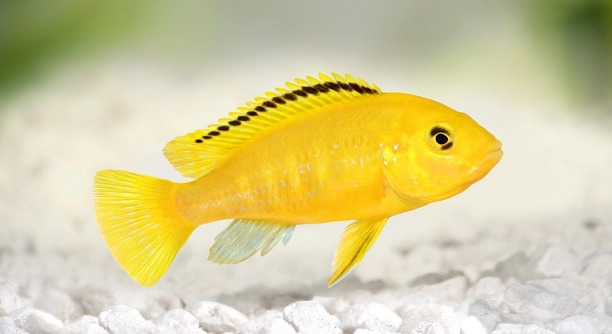
Cichlids are fascinating fish, often showing interesting behaviors in aquariums. Many owners notice their cichlids reacting to reflections in the glass. These interactions can reveal both their instincts and their awareness of their surroundings.
Cichlids recognize their reflections through a combination of visual cues, territorial instincts, and social behaviors. They may display aggression, curiosity, or mating behaviors when encountering their mirrored image, highlighting their ability to interpret reflections in their environment.
Observing these behaviors can help you better understand your cichlids’ needs and interactions, improving their care and making your aquarium a more engaging space.
Aggression Toward Their Reflection
Cichlids often react aggressively when they see their own reflection. They may flare their fins, chase the image, or strike at the glass. This behavior usually stems from their territorial instincts. In their natural environment, cichlids defend their space from intruders. When they see a reflection, they may perceive it as another fish invading their area. This response can be more intense in species known for strong territorial behavior, such as African cichlids. Aggressive interactions with the reflection can be frequent if the tank has a lot of reflective surfaces. Even if they cannot reach the “intruder,” the repeated displays can increase stress levels. Observing these reactions helps identify which cichlids are more territorial and may need more space. Adjusting tank decor, adding plants, or changing lighting can reduce reflection-induced aggression. Owners often notice calmer behavior when reflective surfaces are minimized or covered.
Aggression toward reflections is primarily a territorial display, serving to assert dominance and defend perceived space within the aquarium.
Managing these aggressive responses is important for maintaining harmony in a shared tank. Recognizing triggers and providing hiding spots or visual barriers can reduce stress. Cichlids may calm down over time if their environment feels secure. Consistent observation allows owners to identify patterns in behavior. Some fish may react only during specific times, such as breeding periods, while others display near-constant vigilance. Small changes, like repositioning decor or adjusting lighting angles, can significantly influence their interactions with reflections. By carefully monitoring their reactions, owners can create a more peaceful tank environment. Additionally, providing enrichment, such as objects to explore or rearranging the tank layout, can distract cichlids from focusing on reflections. Understanding these behaviors supports better long-term care, ensuring cichlids remain healthy and less stressed.
Curiosity and Exploration
Cichlids may approach their reflection without aggression, showing curiosity. They often swim close, circle, or tilt their bodies to observe it.
When cichlids encounter a reflection with interest rather than hostility, it demonstrates their natural curiosity. This behavior can include careful investigation, gentle nudges, or repeated approaches to the mirrored surface. Juvenile cichlids are more likely to show exploratory behavior, using reflections to learn about their environment. Over time, they may recognize that the reflection is not another fish, reducing repetitive behaviors. Some cichlids interact with their reflection as if it were a companion, displaying social behaviors such as following or mimicking movements. This can provide subtle mental stimulation, especially in tanks with few tankmates. Observing this curiosity gives owners insight into personality differences between individual fish. Encouraging exploration through enrichment, such as rearranging tank elements or adding safe objects, can make their environment more engaging. While reflections can spark both aggression and curiosity, understanding these responses helps owners tailor care for each cichlid’s needs, promoting both well-being and natural behavior expression.
Mistaking Reflections for Rivals
Cichlids often see their reflection as another fish, triggering rivalry. They may chase, nip, or posture aggressively, believing the mirrored image is an intruder. This is most common in territorial species and during breeding periods.
This mistaken identity can cause repeated stress if the reflection remains visible. Aggressive posturing, flaring fins, and chasing are ways cichlids attempt to defend their perceived territory. Over time, the fish may become exhausted or agitated, which can affect appetite and overall health. Reducing reflective surfaces or placing objects in front of mirrors can help minimize these behaviors. Some owners notice that adding tankmates can distract cichlids, lowering fixation on the reflection. Behavioral patterns vary among individuals, making careful observation important to maintain a healthy environment.
Cichlids may alternate between aggressive and cautious behaviors toward reflections. They often approach slowly, assessing the “rival” before deciding to strike or retreat. These behaviors are influenced by the fish’s size, species, and personality. Smaller cichlids may display more frequent but brief attacks, while larger ones can sustain prolonged displays. Tank conditions, such as available hiding spots and layout, also affect responses. Over time, many fish learn to ignore reflections, reducing unnecessary stress. Monitoring reactions helps owners recognize which individuals need extra care or environmental adjustments to prevent aggression and ensure overall well-being.
Social Behavior and Interaction
Cichlids may treat reflections as companions, swimming alongside or mimicking movements. This demonstrates social curiosity and engagement rather than aggression.
Reflections can stimulate social behaviors, including following, synchronized swimming, or gentle nudges. Juvenile cichlids are particularly prone to this type of interaction, using mirrored images to practice social skills. In some cases, cichlids display behaviors like bowing or fin spreading, mimicking courtship or cooperative signals. These actions provide mental stimulation, reducing boredom in tanks with fewer companions. Over time, fish may recognize that the reflection does not respond as a real partner, adjusting their behavior. Observing these interactions allows owners to understand the fish’s social tendencies. Providing additional tankmates or enrichment can enhance social behavior, creating a dynamic and lively aquarium. Environmental complexity, such as plants and rocks, also encourages natural social interactions, keeping cichlids active and mentally engaged while minimizing fixation on reflections.
Playful Interactions
Cichlids sometimes interact with their reflection in a playful way. They may swim quickly back and forth, circle, or lightly tap the glass. These actions are usually harmless and show curiosity rather than aggression.
Playful behavior can provide mental stimulation. Some cichlids repeat these movements, appearing to “practice” chasing or exploring. It can be more common in younger fish or in tanks with few companions. Observing these behaviors helps understand individual personality differences. Light play with reflections can be a sign of a healthy, active fish, and adjusting tank elements can encourage more of these positive interactions.
Territorial Displays
Reflections can trigger intense territorial displays, such as fin flaring, gill spreading, and aggressive posturing.
Cichlids respond to reflections as if defending their territory from another fish. These behaviors are more prominent in species that are naturally aggressive or during breeding periods. Owners can manage this by rearranging tank decorations, adding hiding spots, or reducing reflective surfaces. Regular observation ensures that territorial behavior does not lead to stress or injury.
Feeding Response
Cichlids may mistake their reflection for food competition, showing heightened alertness and faster swimming.
This behavior occurs when a fish sees a reflection near feeding areas. It may chase or try to “steal” food from the mirrored image. Understanding this response helps manage feeding routines and reduce stress during meal times.
Why do cichlids attack their reflection?
Cichlids are territorial by nature. When they see their reflection, they often perceive it as an intruder in their space. This triggers instinctive aggression, including fin flaring, chasing, and striking. These actions are normal behaviors in both freshwater and African cichlids. Aggression usually increases if the fish feels its territory is threatened or if the tank has limited hiding spots. Reducing reflective surfaces or rearranging tank décor can help limit repeated aggressive displays and prevent stress.
Can cichlids recognize themselves in a mirror?
Most cichlids cannot fully recognize their own reflection as themselves. They respond based on instinct, interpreting the image as another fish. Some individuals may gradually lose interest in the reflection over time, realizing it does not pose a real threat. This behavior varies by species and individual personality, with more territorial cichlids maintaining strong reactions while others show curiosity or mild interaction. Providing visual barriers can reduce fixation on mirrors and help maintain calm behavior.
Is reflection behavior harmful to cichlids?
Repeated aggressive or obsessive behavior toward reflections can cause stress, which may affect appetite, immune response, and overall health. Stress can be subtle, showing as constant swimming, fin damage, or hiding more than usual. Monitoring behavior and minimizing reflective surfaces helps maintain their well-being. In some cases, providing tankmates or environmental enrichment can redirect focus away from reflections. Stress management is important to avoid long-term health problems in aggressive species.
Do cichlids ever play with their reflection?
Yes, some cichlids interact in a playful or exploratory way rather than aggressively. They may swim alongside the reflection, circle it, or lightly tap the glass. Playful interaction is more common in younger or less territorial fish. These behaviors indicate curiosity and mental stimulation. Tank enrichment, like rearranged rocks or plants, can encourage positive interaction, reducing boredom while keeping the fish engaged. Playful behavior is normal and not harmful if it does not turn aggressive.
How can I reduce reflection-related stress in my tank?
Minimizing visible reflective surfaces is effective. Covering glass walls, repositioning lighting, or adding tank decorations helps. Providing hiding spots and territories allows cichlids to feel secure. Some owners find that adding compatible tankmates or rearranging the tank reduces obsessive attention toward reflections. Regular observation is essential to adjust measures if stress behaviors persist. Environmental enrichment not only lowers stress but also encourages natural behaviors.
Do all cichlid species react the same way to reflections?
No, reactions vary by species and individual temperament. African cichlids and highly territorial species show stronger aggression, while calmer or social species may exhibit curiosity or mild interest. Individual differences also matter—some fish quickly learn to ignore their reflection, while others repeatedly react. Understanding the species’ natural behavior and personality helps predict how reflections may affect them. Tailoring the tank environment to the species ensures healthier, more balanced behavior.
Can reflections be used to enrich a cichlid’s tank?
Reflections can provide short-term mental stimulation if monitored carefully. Playful or exploratory behavior can benefit younger or single cichlids. However, it should not cause repeated aggression or stress. Controlled exposure, combined with other enrichment like plants, rocks, or hiding spots, provides mental engagement without negative effects. Monitoring reactions ensures that reflection interaction remains safe and positive for the fish.
What signs show a cichlid is stressed by its reflection?
Stress may show as constant fin flaring, frantic swimming, hiding excessively, or loss of appetite. Over time, prolonged stress can affect immune function and overall health. Observing subtle changes in behavior is important for intervention. Simple adjustments, like covering reflective surfaces or adding hiding spaces, can significantly reduce stress.
How can I safely introduce a mirror for enrichment?
Use a mirror for short, supervised sessions. Place it temporarily and monitor the fish’s reaction. Remove it if aggressive displays become prolonged or intense. Combining mirror exposure with tank enrichment ensures stimulation without harming health. Controlled interaction teaches fish to explore without obsessing over reflections.
Does reflection behavior change as cichlids grow?
Yes, behavior often changes with age and experience. Juvenile cichlids may show more curiosity or play, while adult cichlids can display stronger territorial aggression. Over time, some fish learn the reflection poses no threat, reducing repeated interactions. Observing these changes helps tailor care to the fish’s development and maintain a balanced tank environment.
This FAQ provides practical guidance for understanding and managing reflection-related behaviors, ensuring cichlids remain healthy, active, and mentally stimulated in the aquarium.
Cichlids are unique and interesting fish that show a wide range of behaviors in aquariums. One of the most noticeable is how they respond to their own reflection. Some react aggressively, while others display curiosity or playful actions. These responses are natural and are influenced by their instincts, species, and individual personality. Observing these behaviors can give insight into how your fish perceives its environment and interacts with what it thinks are other fish. It is normal for cichlids to approach a reflection with caution or even to try to assert dominance. Aggression is a way for them to protect what they consider their territory, while curiosity can indicate intelligence and engagement with their surroundings. Understanding these behaviors helps owners provide a better environment for their cichlids.
Managing reflection-related behaviors is an important part of caring for cichlids. Reducing reflective surfaces, adding hiding spots, and rearranging tank décor can help minimize aggressive reactions. For cichlids that show playful or curious behavior, reflections can offer a form of mental stimulation, but only when monitored to prevent stress. Tank size, available space, and the number of companions also influence how a cichlid reacts to a reflection. Some fish may gradually lose interest, while others continue interacting for longer periods. Owners should observe their fish regularly to understand these patterns. Adjustments like changing lighting angles or placing plants in front of glass can be simple but effective solutions. Maintaining a calm and secure environment supports both physical health and emotional well-being, reducing stress and potential injuries caused by repeated aggression.
Caring for cichlids requires attention to their behavior and needs. Their interactions with reflections reveal aspects of their natural instincts, social tendencies, and curiosity. By observing these behaviors, owners can tailor the aquarium environment to each fish, creating spaces that encourage exploration, minimize stress, and promote overall health. Enrichment through safe environmental changes or careful social interaction helps keep cichlids active and mentally stimulated. Recognizing individual differences between fish is essential, as some may be more territorial or playful than others. Paying attention to these behaviors allows for proactive care, ensuring that cichlids remain healthy, engaged, and comfortable in their tank. Proper observation, small environmental adjustments, and understanding natural tendencies all contribute to maintaining a balanced and enjoyable aquarium for both the fish and the owner.

Hello,
If you enjoy the content that we create, please consider saying a "Thank You!" by leaving a tip.
Every little bit helps us continue crafting quality advice that supports the health, happiness, and well-being of pets around the world, for pets of all shapes, sizes, and species.
We really appreciate the kindness and support that you show us!