
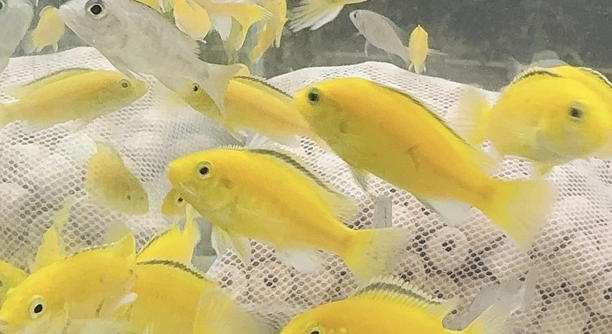
Electric Yellow Cichlids are lively, colorful fish that many aquarium enthusiasts love to keep. Watching them interact and flourish in a well-maintained tank can be rewarding, especially when they display natural behaviors indicating readiness to mate.
Mating readiness in Electric Yellow Cichlids is signaled by changes in coloration, increased territorial behavior, nest preparation, courtship displays, fin flaring, pairing off with a potential mate, and feeding adjustments. Recognizing these signs ensures proper care and breeding success.
Observing these behaviors closely will help you understand your cichlids’ natural instincts and create the right environment for their breeding.
Color Changes
Electric Yellow Cichlids often display vibrant color shifts when they are ready to mate. Males typically become brighter yellow, while females may show subtle deepening of their hues. These changes signal sexual maturity and readiness to spawn, helping them attract a mate. The intensity of color can vary depending on water quality, diet, and stress levels. Maintaining stable conditions and providing a balanced diet rich in protein and carotenoids enhances their natural coloration. Observing these changes daily can give you a clear idea of when your fish are ready for breeding. Bright, healthy colors are also a good sign that your cichlids are thriving overall, not just preparing to reproduce.
Color changes are one of the most reliable indicators of breeding readiness in Electric Yellow Cichlids, signaling peak health and fertility.
Paying close attention to these color shifts helps you prepare the tank environment appropriately and manage pairing effectively. It also strengthens your ability to recognize other subtle mating behaviors as they develop over time.
Nest Preparation
Before spawning, Electric Yellow Cichlids actively prepare a nesting area. They often dig shallow pits in the substrate or clean flat surfaces like rocks. This behavior demonstrates their readiness to protect and care for eggs. Providing soft sand or smooth rocks encourages natural nesting behavior, reducing stress and promoting healthy spawning activity. Observing your cichlids during this stage can reveal which individuals are likely to pair up and breed. Nest preparation is often accompanied by increased territorial displays and guarding, particularly by males. This instinctive behavior is important for ensuring the safety of eggs and fry. Regular monitoring without disturbing the nest area is essential to support successful breeding and prevent aggression or accidental damage to eggs.
Nest preparation marks a critical step in the reproductive process for Electric Yellow Cichlids, showing commitment to future offspring.
Creating a suitable environment that includes adequate substrate, hiding spots, and clean water conditions supports this natural behavior. By arranging the tank properly, you allow cichlids to focus on breeding rather than stress or competition. Observing their digging and cleaning habits can also give insight into their pair bonding, as males and females often collaborate in preparing the site. This stage is a clear signal that breeding is imminent, helping you time interventions like introducing mates or adjusting feeding schedules to optimize reproductive success.
Courtship Displays
Electric Yellow Cichlids show clear courtship displays when ready to mate. Males often swim in exaggerated patterns, flare their fins, and approach females repeatedly. These movements are meant to attract attention and establish a bond. Females respond by mirroring behaviors or staying near the male.
Courtship in cichlids involves a series of ritualized movements that help pairs assess compatibility. Males may circle the female, shake their bodies, and perform quick lunges while maintaining eye contact. These displays demonstrate health, strength, and readiness to breed. Females carefully observe these behaviors before agreeing to spawn, ensuring the strongest genetic pairing. Courtship also helps establish territory boundaries and reduce aggressive encounters with other fish.
These behaviors are critical for successful breeding. Observing courtship closely allows you to identify which pairs are compatible and likely to produce viable eggs. Timing and tank conditions can be adjusted accordingly to support mating success. Recognizing these subtle signals can prevent unnecessary stress and promote natural reproductive behavior, improving the chances of a healthy brood.
Increased Territorial Behavior
Electric Yellow Cichlids become more territorial during mating readiness. Males defend their space aggressively, chasing intruders and marking boundaries. This behavior protects potential nesting sites and eggs.
Territorial behavior ensures that the cichlids’ chosen area remains secure for breeding. Males patrol the tank regularly, often flaring their fins and showing bright colors to assert dominance. Females may also show mild aggression to safeguard nests or eggs. Providing hiding spaces and adequate territory reduces conflicts, especially in community tanks. Recognizing these patterns allows for proper tank management and prevents stress-related injuries.
Observing territorial behavior provides insight into pair compatibility. Aggression often indicates high motivation to breed, while a lack of defense may signal unpreparedness. Monitoring interactions carefully helps determine which fish are suitable mates and which may need separation. Adjusting tank layout to provide visual barriers, rocks, or caves supports natural territorial instincts while minimizing conflicts. Understanding these dynamics also helps in predicting spawning timing and protecting eggs once laid, ensuring better survival rates for the offspring.
Fin Flaring
Fin flaring becomes more frequent as cichlids prepare to mate. Males spread their dorsal and anal fins wide to appear larger and more attractive. Females often respond with subtle fin movements, signaling interest and readiness.
This display communicates strength and health to potential mates. It also warns other fish to keep distance, reducing conflicts near nesting areas. Fin flaring is a reliable visual cue for breeding readiness and indicates confidence in the fish’s environment.
Pairing Off
Electric Yellow Cichlids often form distinct pairs before spawning. Males and females spend time close together, swimming in unison and sharing territory. This bonding helps coordinate spawning and protects the nest. Pairing off also reduces stress and establishes trust between mates, which is essential for successful reproduction.
Feeding Adjustments
Mating readiness can alter feeding behavior. Cichlids may eat less or become selective in their diet.
These changes ensure energy is focused on reproductive activities rather than digestion. Adjusting feeding schedules and providing nutrient-rich food supports their health during this stage, preparing them for spawning.
FAQ
How do I know if my Electric Yellow Cichlids are ready to mate?
Mating readiness is shown through brightened colors, fin flaring, and nest preparation. Males become more territorial, and both sexes may swim closely together or perform courtship displays. Observing these behaviors consistently over several days is the most reliable indicator.
What changes in behavior should I expect during courtship?
Males will perform exaggerated swimming patterns, shake their bodies, and circle females repeatedly. Females respond by staying near the male, mirroring movements, or showing subtle signs of approval. Territorial aggression often increases as nesting areas are protected. Recognizing these patterns helps predict breeding activity.
Do both males and females display color changes?
Yes. Males typically show more intense yellow coloration, while females may darken slightly, especially around the belly area. These color changes signal reproductive readiness and overall health. Maintaining clean water and proper diet enhances these natural displays.
How important is the tank setup for breeding?
Tank layout is crucial. Provide soft sand, rocks, and flat surfaces for nesting. Visual barriers and hiding spots reduce stress and aggression. Stable water parameters, adequate filtration, and consistent temperature also promote breeding behavior and egg survival.
How often do Electric Yellow Cichlids spawn?
Once pairs are established, they can spawn every few weeks under optimal conditions. Factors like age, diet, water quality, and stress levels influence frequency. Monitoring behavior and providing proper care increases the chances of successful recurring spawns.
What signs indicate a nesting site is ready?
Cichlids dig shallow pits or clean flat areas where eggs can be laid. Males guard the site aggressively, and females often inspect it. Observing repeated cleaning and digging behavior shows the site is suitable for spawning.
Should I adjust feeding during mating readiness?
Yes. Fish may eat less or become selective. Offer high-protein foods like brine shrimp or specialized pellets. Balanced nutrition supports energy for courtship, nest preparation, and egg production. Avoid overfeeding, which can reduce water quality and stress the pair.
How can I reduce aggression between pairs?
Providing sufficient space and visual barriers is key. Adding rocks, plants, or caves creates separate zones. Avoid introducing additional fish near nesting pairs, and monitor interactions to prevent injury or stress during territorial defense.
When should I separate the fry from adults?
Fry should be moved once they become mobile and start feeding independently. Adult cichlids may become aggressive toward young once they leave the nest. Using a separate rearing tank ensures higher survival and growth rates.
Can I breed more than one pair in the same tank?
It is possible but challenging. Multiple pairs increase aggression and competition. Ensure ample territory, hiding spots, and monitoring to prevent injuries. Separate tanks for each pair are ideal for novice breeders.
How long do eggs take to hatch?
Eggs generally hatch within 3–5 days, depending on water temperature and quality. Parents guard the eggs closely, fanning them to maintain oxygen levels and prevent fungus growth. Monitoring without disturbing the nest is essential during this period.
What should I do if the pair fights too much?
Excessive fighting may indicate stress or incompatible pairing. Consider separating one fish temporarily, adjusting tank layout, or ensuring sufficient hiding spots. Reducing stress and providing space can help restore natural breeding behaviors.
Are there signs of infertility in Electric Yellow Cichlids?
Signs include repeated courtship without egg-laying, lack of nest preparation, or disinterest in pairing. Ensuring both fish are mature, healthy, and in optimal water conditions can improve reproductive success. Sometimes switching mates may be necessary if infertility persists.
Can diet affect mating readiness?
Yes. A protein-rich diet with occasional live or frozen foods enhances coloration, energy, and reproductive capability. Vitamin supplementation and balanced nutrition support egg production and overall vitality during the breeding period.
How long does the entire breeding process take?
From courtship to fry independence, the process usually lasts 4–6 weeks. This includes nest preparation, egg-laying, hatching, and initial fry care. Close observation ensures timely intervention and provides the best chance for healthy offspring.
What water parameters support successful breeding?
Maintain a stable temperature around 78–82°F, pH between 7.5–8.5, and low ammonia or nitrite levels. Regular water changes, proper filtration, and soft substrate encourage natural behavior and reduce stress, directly influencing breeding success.
Can I encourage multiple spawnings in the same pair?
Yes, by maintaining optimal conditions, providing a nutrient-rich diet, and allowing time for recovery between broods. Avoid excessive disturbance and monitor water quality closely to support repeated reproductive cycles.
How do I know if eggs or fry are healthy?
Healthy eggs are clear or slightly yellow and free from fungus. Fry should be active, feeding well, and growing steadily. Lack of movement, discoloration, or fungus indicates a problem and may require intervention, such as improved water conditions or separate rearing.
Is it necessary to remove the adults after spawning?
Not always. Adults often care for the eggs and fry initially. However, once fry become mobile, separating them may prevent accidental predation and ensure higher survival rates. Observing behavior closely helps determine the right timing.
How can I prevent disease during breeding?
Maintain clean water, avoid overfeeding, and quarantine new fish before introducing them. Healthy adults and proper tank conditions reduce stress and prevent the spread of infections, ensuring eggs and fry remain viable.
What are the most common mistakes in breeding Electric Yellow Cichlids?
Mistakes include overcrowding, poor water quality, inadequate nutrition, and ignoring territorial behavior. Disruption of nesting sites or introducing incompatible fish can stress pairs and reduce reproductive success. Careful observation and proper preparation minimize these issues and support healthy breeding outcomes.
Final Thoughts
Breeding Electric Yellow Cichlids can be a rewarding experience when approached with patience and careful observation. Understanding the signs of mating readiness is essential to provide the right environment and support for your fish. Color changes, fin flaring, courtship displays, territorial behavior, nest preparation, pairing off, and feeding adjustments all indicate that your cichlids are prepared to reproduce. Paying attention to these cues allows you to make small adjustments in tank setup, diet, and water conditions, which can significantly improve the chances of successful spawning. Observing their behavior closely not only helps with breeding but also gives insight into their overall health and well-being.
Maintaining optimal conditions is key to encouraging natural reproductive behaviors. Clean water, stable temperature, proper pH levels, and a nutritious diet play a critical role in supporting both the physical and reproductive health of Electric Yellow Cichlids. Providing appropriate substrates, rocks, and hiding spaces gives them the security they need to focus on mating and protecting their nests. Minimizing stress by avoiding overcrowding or introducing incompatible tankmates ensures that your cichlids can display their natural behaviors without interruption. These steps create a balanced environment that fosters confidence, reduces aggression, and promotes a healthier and more active aquarium community.
Careful monitoring throughout the breeding process is equally important. Observing courtship, nest preparation, and the hatching of eggs helps you anticipate potential problems, such as aggression, stress, or health issues. Adjusting feeding schedules and offering nutrient-rich foods ensures the parents have the energy needed for both reproductive activities and egg care. When fry are hatched, monitoring their growth and separating them if necessary protects them from accidental predation. By staying attentive and making incremental improvements to the environment, you create the best conditions for breeding success. Understanding your Electric Yellow Cichlids’ behavior and needs not only increases the likelihood of producing healthy offspring but also strengthens your ability to provide a thriving and harmonious aquatic habitat for all your fish.

Hello,
If you enjoy the content that we create, please consider saying a "Thank You!" by leaving a tip.
Every little bit helps us continue crafting quality advice that supports the health, happiness, and well-being of pets around the world, for pets of all shapes, sizes, and species.
We really appreciate the kindness and support that you show us!