
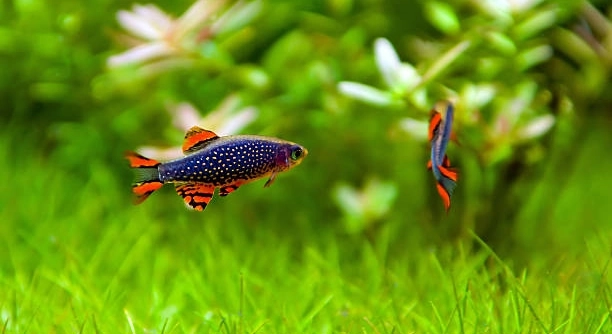
Water plays a crucial role in the health and growth of aquatic animals. Its quality can affect their behavior, development, and overall well-being. Even small changes in water conditions can have noticeable effects on breeding success and survival.
Seven key water values directly impact breeding outcomes in aquatic species. Temperature, pH, hardness, oxygen levels, ammonia, nitrate, and salinity are critical factors that determine reproductive success, egg viability, and the growth of offspring in controlled and natural environments.
Understanding these values can help you create a stable environment for your aquatic animals. Knowing how each factor interacts makes breeding management more effective and predictable, benefiting both the species and your care routines.
Temperature
Water temperature directly affects breeding cycles and overall metabolism in aquatic species. Many fish and amphibians rely on a stable temperature range to trigger mating behaviors and egg development. Sudden fluctuations can stress adults, reduce fertility, and sometimes lead to mortality. Each species has its ideal temperature, and even a few degrees above or below can slow reproduction or result in weak offspring. Warm water generally increases metabolic rates, encouraging feeding and activity, but can also lower oxygen levels. Cold water slows metabolism, delaying reproductive processes and hatching times. Monitoring and adjusting temperature carefully ensures consistent growth, healthy eggs, and resilient fry. Using reliable heaters or chillers and observing daily changes can help maintain the right environment. Long-term success depends on keeping temperature steady, minimizing daily fluctuations, and matching conditions to the species’ natural breeding season. These measures support both adult health and larval survival effectively.
Maintaining appropriate temperature is essential for successful breeding, as it ensures metabolic balance, supports egg viability, and encourages consistent mating behaviors.
Proper temperature management also makes it easier to predict hatching times and plan feeding schedules. Fish and amphibians are more active and healthier when conditions are consistent, improving overall breeding outcomes.
pH Levels
Water pH directly influences the chemical balance and biological activity in the tank.
The correct pH level prevents stress in breeding adults and supports egg and larval development. Low or high pH can harm eggs and reduce fry survival rates. Different species have specific pH preferences, and even small changes can cause breeding problems. Maintaining stability requires regular testing, partial water changes, and careful monitoring of additives or tap water. Sudden pH swings can affect metabolism, immune response, and hormone regulation, all of which are important for reproduction. For sensitive species, using buffers or natural substrates can help keep pH consistent. Observing fish behavior often indicates whether pH is suitable, as stressed or lethargic fish may signal imbalances. Combining pH management with other water parameters creates a healthier, more stable breeding environment, increasing the chances of successful reproduction and strong offspring development. Regular attention to this detail can make a significant difference in breeding results, ensuring eggs hatch properly and fry thrive under optimal conditions.
Hardness
Water hardness affects mineral availability and overall health of aquatic species. Calcium and magnesium levels influence egg shell formation, bone development, and overall breeding success. Too soft or too hard water can cause stress and reduce reproductive outcomes. Monitoring hardness ensures optimal breeding conditions.
Proper hardness levels support strong, viable eggs and healthy offspring. Species that prefer soft water may struggle to reproduce in hard water, while species adapted to hard water can develop deformities if minerals are lacking. Adjusting hardness with mineral additives or natural substrates can improve reproductive success. Observing adult behavior and fry survival often reflects the suitability of water hardness, making regular testing essential. Consistency is key, as sudden changes can disrupt breeding cycles and reduce fertility. Maintaining the right hardness improves metabolic function, supports skeletal development, and increases egg viability, creating a stable environment for all stages of reproduction.
Balanced hardness also reduces stress in adults, making them more active and likely to breed. Proper mineral content enhances immunity, growth, and overall resilience, directly influencing long-term reproductive success in your aquatic population.
Oxygen Levels
Oxygen levels in water are crucial for both adults and developing eggs. Low oxygen slows metabolism and can cause mortality in sensitive species.
High oxygen levels promote activity, feeding, and successful reproduction. Dissolved oxygen affects embryonic development, hatching rates, and fry survival. Aeration, water movement, and plants help maintain proper oxygen levels, preventing stress and improving overall health. Monitoring oxygen ensures the water remains suitable for breeding, as adult fish and amphibians require stable oxygen levels to maintain energy and reproductive behaviors. Even minor drops can reduce fertility or stunt egg development, making regular testing and adjustment essential. Consistent oxygenation supports metabolism, encourages healthy mating behaviors, and improves survival rates for fry, creating a productive breeding environment over time.
Proper oxygen management also prevents buildup of harmful gases like carbon dioxide. Aerated water enhances immune function, reduces stress, and supports normal feeding, all of which increase the chances of successful reproduction and strong offspring development.
Ammonia
Ammonia is highly toxic to both adults and developing eggs. Even small amounts can cause stress, reduce fertility, and lead to mortality. Regular testing and immediate removal are essential to keep breeding conditions safe.
Maintaining low ammonia levels through filtration, partial water changes, and careful feeding prevents reproductive problems. High ammonia can stunt fry growth and damage gills in adults. Monitoring daily ensures that water remains safe, supporting healthy breeding outcomes and improving overall survival rates.
Nitrate
Nitrate buildup affects egg viability and fry health over time. Excess nitrates can cause stress, reduce growth, and weaken immunity. Proper filtration and regular water changes help keep nitrate levels manageable, creating a safer breeding environment and supporting long-term reproductive success.
Salinity
Salinity must match species requirements to ensure successful breeding. Even small deviations can stress adults and affect egg development, so careful measurement and gradual adjustments are necessary for optimal reproduction.
FAQ
What is the most important water parameter for breeding success?
Temperature is often the most critical factor because it directly influences metabolism, mating behavior, and egg development. Keeping temperature stable within the species’ preferred range encourages consistent reproduction and healthier fry. Sudden shifts can cause stress, reduce fertility, and even lead to death in sensitive species.
How often should I test water parameters?
Daily monitoring of ammonia, pH, and oxygen levels is ideal, while hardness, nitrate, and salinity can be checked weekly. Frequent testing allows early detection of imbalances and prevents issues before they affect reproduction. Consistency in testing helps maintain a stable breeding environment.
Can small fluctuations in pH affect breeding?
Yes, even minor pH changes can stress adults and damage eggs. Most species reproduce best in a stable pH range, and sudden swings can cause reduced fertility or poor fry survival. Using buffers or gradual water adjustments helps maintain a consistent pH.
How do I reduce ammonia and nitrate in my tank?
Regular water changes, careful feeding, and adequate filtration are the most effective methods. Live plants and aeration also help absorb excess nutrients and maintain oxygen levels. Monitoring levels closely ensures that ammonia and nitrate remain at safe limits for adults and eggs.
Is oxygen really that important for eggs and fry?
Absolutely. Low dissolved oxygen slows development, reduces hatching rates, and can cause mortality. Aeration, surface agitation, and plants improve oxygenation, supporting metabolic activity and encouraging healthy growth in both adults and offspring.
How do I adjust water hardness safely?
Use mineral additives, natural substrates, or filtered water to gradually change hardness. Rapid changes can stress fish and interfere with egg or fry development. Always research the species’ preferred range and make adjustments slowly to avoid negative impacts.
Can I breed multiple species in the same tank?
It’s generally not recommended. Different species often require varying temperatures, pH, hardness, and salinity. Trying to accommodate multiple species can create stress, reduce breeding success, and increase mortality. Separate tanks with species-specific conditions produce better outcomes.
What signs indicate water problems are affecting breeding?
Lethargy, reduced feeding, abnormal behavior, or poor egg development are common indicators. Fry may hatch weak or die quickly if water conditions are poor. Observing these signs early allows you to take corrective action before reproduction is severely impacted.
Does salinity matter for freshwater species?
Some freshwater species tolerate minor salinity changes, but most require very low or zero salt content. Even slight increases can stress adults and affect egg viability. Gradual changes and careful measurement are crucial when adjusting salinity for sensitive species.
How long does it take to stabilize water conditions for breeding?
It varies by tank size, species, and current water quality. Typically, it can take days to weeks for temperature, pH, hardness, and oxygen levels to stabilize after adjustments. Patience and regular monitoring are essential to ensure conditions are ideal before attempting breeding.
Can stress from water conditions affect long-term breeding success?
Yes. Continuous exposure to suboptimal conditions can reduce fertility, weaken immune systems, and shorten lifespans. Maintaining stable, species-appropriate parameters supports healthy adults and consistent breeding over time.
Are there any quick fixes if water parameters go wrong?
Immediate partial water changes and aeration can help reduce stress. Adjustments should be gradual, however, to avoid creating new problems. Monitoring daily until parameters stabilize ensures both adults and developing eggs recover safely.
How do I know if my eggs are viable?
Healthy eggs are firm, clear, and intact. Cloudy, discolored, or soft eggs usually indicate poor water quality, bacterial infection, or stress. Maintaining proper parameters and observing eggs closely improves hatching success.
Is it necessary to quarantine new fish before breeding?
Yes, quarantining prevents introducing disease or parasites that can harm adults and offspring. A few weeks of observation and stable conditions allow fish to acclimate, reducing stress and ensuring a safer breeding environment.
Can plants help improve breeding outcomes?
Live plants provide oxygen, absorb excess nutrients, and create hiding spots for fry. They also help stabilize pH and reduce nitrate buildup. Plants make the tank more natural and less stressful, which supports successful reproduction.
How often should I clean the tank during breeding?
Regular maintenance is important, but avoid aggressive cleaning that disrupts beneficial bacteria. Partial water changes, gentle substrate cleaning, and filter maintenance help maintain water quality without stressing adults or eggs.
What is the best way to introduce breeding pairs?
Gradually acclimate adults to the breeding tank and ensure water parameters match their previous environment. Observing interactions and separating aggressive individuals prevents stress and increases the likelihood of successful mating.
Can poor water affect fry growth after hatching?
Yes. Even if eggs hatch, unstable water parameters can stunt growth, reduce immune function, and increase mortality. Maintaining stable, clean water supports healthy development and long-term survival of fry.
How do I balance multiple water parameters at once?
Monitor and adjust one factor at a time, making gradual changes. Keeping detailed records of temperature, pH, hardness, oxygen, ammonia, nitrate, and salinity helps identify interactions and ensures all parameters remain within safe ranges.
Are tap water additives necessary for breeding tanks?
Often, yes. Dechlorinators, pH buffers, and mineral supplements can make tap water safe and suitable for breeding. Using these products according to species needs prevents stress, supports reproductive success, and protects developing eggs.
Breeding aquatic animals successfully depends largely on water quality. Each parameter, from temperature and pH to oxygen levels and salinity, plays a distinct role in reproductive health and survival. Even small changes can have noticeable effects on adults, eggs, and fry. Consistency and careful monitoring are key. Paying attention to these values reduces stress in the breeding population, supports healthy development, and improves the chances of strong offspring. While it may seem overwhelming at first, learning the ideal conditions for each species and keeping track of daily water readings makes the process manageable. Regular testing and gentle adjustments create a stable environment, allowing fish or amphibians to reproduce naturally and thrive.
Understanding how different water values interact is also important. High ammonia levels, for example, may increase stress and reduce fertility, while low oxygen levels slow metabolism and stunt egg growth. Hardness affects mineral availability, influencing skeletal and egg development. Temperature triggers mating behaviors and determines metabolic rates, while salinity and pH must align with species-specific needs. Each factor cannot be looked at in isolation because they influence one another. For instance, warmer water may hold less oxygen, which means aeration and filtration become more critical. Maintaining balance across all parameters ensures adults remain healthy and eggs develop normally. Taking the time to observe behavior, measure water quality, and adjust conditions gradually is far more effective than sudden changes, which can harm both adults and offspring.
Finally, breeding success also depends on patience and observation. Even with optimal water values, some species take time to acclimate or show mating behaviors. Watching fish or amphibians closely provides insight into their comfort levels and readiness to breed. Signs of stress, abnormal behavior, or poor egg quality are usually linked to water conditions, and early detection allows for corrective action. A consistent routine of monitoring, cleaning, and gentle adjustments supports reproductive success while minimizing risks. Over time, experience helps identify patterns, making it easier to maintain ideal conditions and produce healthy, viable fry. By focusing on water quality, stability, and observation, breeding outcomes improve significantly, ensuring adults and offspring remain healthy and productive.

Hello,
If you enjoy the content that we create, please consider saying a "Thank You!" by leaving a tip.
Every little bit helps us continue crafting quality advice that supports the health, happiness, and well-being of pets around the world, for pets of all shapes, sizes, and species.
We really appreciate the kindness and support that you show us!