
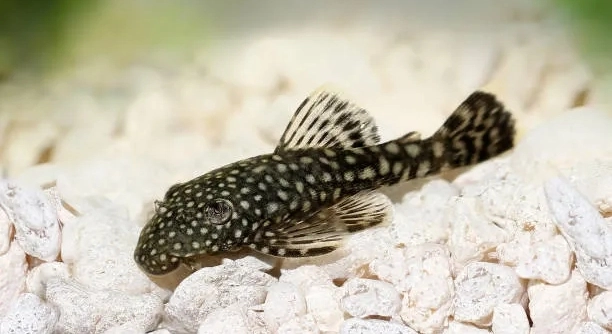
Do you ever find yourself carefully setting up a tank for your bristlenose fry but still noticing some of them struggling to grow? Caring for tiny fry can feel delicate and requires attention to every detail.
One of the main challenges in raising bristlenose fry is water management. Incorrect water parameters, sudden changes, or unclean conditions can stress fry, reduce survival rates, and impede healthy growth, making proper water care essential for their development.
Even small mistakes can have lasting effects, so understanding what to avoid will help your fry thrive in a safer, healthier environment.
Using Tap Water Without Proper Treatment
Many people assume tap water is safe for fry, but untreated water can contain chlorine, chloramine, and heavy metals that harm bristlenose fry. Even small amounts of these chemicals can damage their gills and stunt growth. Using a water conditioner or letting water sit for 24–48 hours before adding it to the tank can remove harmful substances. Testing the water for pH, ammonia, and nitrate levels is also important, as fluctuations can stress the fry. Consistency is key; sudden changes in water composition often lead to disease or death. Even if your adult fish seem unaffected, fry are far more sensitive. Regular partial water changes with conditioned water help maintain a stable environment and prevent toxin buildup. Over time, careful attention to water quality ensures that the fry develop strong immune systems, healthy fins, and proper coloration. Simple preparation steps make a big difference in their survival rates.
Treating tap water properly is essential. Chlorine, chloramine, and heavy metals can harm fry if not neutralized. Conditioning and testing water ensures a safe environment.
When introducing new water, always check that the temperature and pH closely match the tank. Sudden shifts can shock fry and increase mortality. Consistency and careful monitoring help fry grow strong and healthy.
Overfeeding or Irregular Feeding
Overfeeding bristlenose fry can quickly pollute the water, causing spikes in ammonia and nitrites, which are deadly at such small sizes. Fry require tiny, frequent meals, and leftovers should be removed promptly. Even a single overfeeding session can make the water cloudy and toxic. Feeding too little is also harmful, as fry need steady nutrition to grow. Balancing quantity and frequency is essential to avoid both water issues and malnutrition. A small pinch of specialized fry food or finely crushed flakes every few hours works best. Observing their behavior helps you adjust the amount—if food remains after a few minutes, you’re feeding too much. Regularly cleaning the tank or using a gentle filter prevents waste buildup. Consistent feeding routines create a stable environment, supporting healthy growth, vibrant colors, and strong fins. This practice also reduces stress and keeps fry from competing aggressively for limited food.
Even with careful feeding, always monitor water quality to avoid hidden risks. Proper feeding and water management go hand in hand.
Sudden Temperature Changes
Rapid temperature shifts can shock bristlenose fry, weakening their immune system and slowing growth. Even a few degrees difference can be dangerous. Maintaining a steady temperature is critical, especially during water changes or when adding new water.
Fry are highly sensitive to temperature fluctuations. If water is too cold, metabolism slows, making them less active and more vulnerable to disease. If it’s too warm, oxygen levels drop, and stress increases. Using a reliable heater and thermometer helps keep conditions stable. During water changes, pre-warming new water to match the tank temperature prevents sudden shock. Gradual adjustments allow fry to acclimate safely. Consistent temperature supports proper digestion, activity levels, and overall development, which is essential in the first few weeks when they are most fragile.
Avoid placing tanks near windows, vents, or heaters where temperatures can swing unexpectedly. Monitoring daily ensures minor changes don’t turn into serious problems. Stability gives fry the best chance to grow strong and healthy, reducing stress-related mortality.
High Ammonia Levels
Ammonia in the tank is extremely toxic to bristlenose fry, even at low concentrations. Frequent water testing and partial water changes are necessary to keep ammonia at zero.
Ammonia comes from uneaten food, waste, and decaying plants. Fry are particularly vulnerable because their gills are still developing. High ammonia causes gill damage, lethargy, and often death. Using a sponge filter and avoiding overfeeding helps control ammonia. Regular water changes dilute waste and prevent accumulation. Conditioning tap water and monitoring the nitrogen cycle ensures a safe environment.
Consistently maintaining low ammonia levels also supports beneficial bacteria that break down toxins naturally. In a stable tank, fry grow faster and develop healthy fins, colors, and overall strength. Ignoring ammonia control can undo careful feeding, temperature, and water preparation efforts, making it one of the most critical factors in fry survival.
Overcrowding in the Tank
Too many fry in a small space leads to stress, competition for food, and poor water quality. Overcrowding can stunt growth and increase mortality rates if not addressed promptly.
Providing enough space allows fry to swim freely and access food without constant competition. A crowded tank also increases waste buildup, raising ammonia and nitrite levels. Separating fry into multiple tanks or using dividers helps maintain healthy densities. Proper stocking ensures fry develop evenly, reduces aggression, and improves survival.
Using Strong Filters
Strong filters can suck in tiny bristlenose fry or create currents they cannot handle. Fry need gentle filtration to keep water clean without harming them.
A sponge filter is ideal because it provides gentle water movement and surface area for beneficial bacteria. Strong pumps should be avoided or adjusted to reduce flow. Regular maintenance prevents clogging and keeps water parameters stable.
Neglecting pH Stability
Fluctuating pH stresses fry and can lead to illness or death. Maintaining consistent pH levels is essential for their survival.
Monitoring pH daily and using buffers if necessary prevents sudden shifts. Even minor swings can harm delicate fry. Stable water chemistry supports proper growth and reduces stress.
FAQ
What is the best water temperature for bristlenose fry?
Bristlenose fry grow best in stable water between 78°F and 82°F (25–28°C). Maintaining this temperature ensures proper metabolism, digestion, and activity levels. Sudden changes, even a few degrees, can stress fry and make them more susceptible to disease. Using a reliable heater and thermometer helps maintain consistency.
How often should I do water changes for fry?
Small, frequent water changes are ideal. Replacing 10–20% of the water every two to three days helps remove waste and toxins without shocking fry. Using preconditioned water that matches the tank’s temperature and pH prevents stress. Over time, this practice keeps water clean and safe for healthy growth.
Can I use regular fish food for fry?
Fry require tiny, finely crushed food or specialized fry food. Adult flakes or pellets may be too large for their small mouths. Feeding tiny amounts multiple times a day ensures proper nutrition and prevents leftover food from polluting the tank. Observing whether food is consumed quickly helps adjust portions.
Is it okay to keep fry with adult fish?
Adult bristlenose catfish may unintentionally harm fry by eating them or outcompeting them for food. Keeping fry in a separate tank or using a breeding net prevents losses. This also reduces stress and ensures fry have equal access to food, supporting consistent growth.
How can I prevent ammonia spikes in the fry tank?
Ammonia forms from waste and uneaten food. Regular water changes, a sponge filter, and careful feeding prevent dangerous levels. Monitoring ammonia daily is important, as even low concentrations can harm fry gills and stunt development. A well-established nitrogen cycle also helps break down ammonia naturally.
What is the ideal pH for fry?
Bristlenose fry prefer slightly acidic to neutral water, around 6.5–7.5. Maintaining stable pH prevents stress and illness. Sudden fluctuations can damage gills and slow growth. Using pH buffers carefully and testing water regularly ensures a safe and consistent environment.
How can I tell if fry are stressed?
Signs of stress include lethargy, clamped fins, poor appetite, or erratic swimming. Stress can result from poor water quality, overcrowding, or rapid temperature changes. Identifying these behaviors early allows corrective action, improving survival rates and helping fry develop properly.
Do fry need live plants in their tank?
Live plants provide shelter, improve water quality, and offer surfaces for biofilm growth, which fry can graze on. Floating plants help diffuse light and create calmer areas, reducing stress. While not absolutely necessary, live plants support healthier, more natural conditions for fry to thrive.
How long does it take for fry to grow into juveniles?
Bristlenose fry typically develop into juveniles in 6–8 weeks under proper care. Growth depends on water quality, feeding, and stress levels. Maintaining stable conditions and consistent nutrition helps fry reach juvenile size safely and reduces mortality.
Can I use tap water directly for fry?
Tap water must be treated to remove chlorine, chloramine, and heavy metals. Untreated water can damage gills and stunt growth. Using a water conditioner and letting the water sit for a short period ensures it is safe. Testing for pH, ammonia, and nitrates adds extra safety.
How important is tank size for fry?
Providing enough space reduces stress, prevents overcrowding, and allows even access to food. A small tank with too many fry quickly leads to water quality issues and stunted growth. Dividing fry among multiple tanks or using dividers supports healthier development.
What kind of filter is safest for fry?
Gentle filtration, such as sponge filters, works best. Strong currents can injure or suck in fry. Sponge filters also provide surface area for beneficial bacteria, helping maintain stable water chemistry. Regular maintenance ensures water stays clean without harming the fry.
How do I acclimate fry to new water?
Slow acclimation is critical. Gradually mix small amounts of new water into the tank over 30–60 minutes to prevent shock. Sudden changes in temperature, pH, or hardness can stress fry, reducing growth and increasing mortality. Careful acclimation helps fry adjust safely.
Can I use fertilizers or chemicals in a fry tank?
Avoid fertilizers, medications, or chemicals unless specifically labeled safe for fry. Even small doses can harm gills, slow growth, or kill fry. If treatment is necessary, temporarily move fry to a separate safe tank. Always read labels carefully before using any product.
How do I prevent disease in fry?
Maintaining stable water parameters, gentle filtration, clean tanks, and proper feeding reduces disease risk. Avoid introducing sick fish or unconditioned water. Observing fry daily helps detect early signs of illness, allowing treatment before it spreads or causes significant loss.
What should I feed fry if I don’t have specialized fry food?
Crushed flakes, finely powdered foods, or infusoria can be used temporarily. Feed in small amounts multiple times a day and remove leftovers quickly. Supplementing with natural biofilm and algae in the tank also supports growth while keeping water safe.
How can I ensure fry grow evenly?
Separate overcrowded areas, provide consistent feeding, and maintain clean water. Uneven growth often results from competition or stress. Observing behavior and adjusting food distribution or tank setup helps all fry develop at a similar rate.
Is it necessary to measure water parameters daily?
Yes, daily monitoring of ammonia, nitrite, nitrate, temperature, and pH ensures fry remain in a safe environment. Small fluctuations can have big impacts, and catching issues early prevents long-term harm. Consistent monitoring supports healthy development and reduces preventable losses.
How do I handle fry safely?
Avoid direct handling whenever possible. If necessary, use soft nets or containers to prevent injury. Rough handling damages delicate fins and gills. Minimizing disturbance keeps fry calm, healthy, and less prone to stress-related illness.
Can I introduce new fry to an established tank?
Introducing fry into an established tank without careful acclimation can shock them. New water chemistry, existing fish, and current feeding routines may stress fry. Gradual introduction and observation ensure they adapt safely without risking health or survival.
What is the most common mistake people make with fry?
Ignoring water quality, overfeeding, and overcrowding are frequent issues. Fry are highly sensitive, and small mistakes can have serious consequences. Regular monitoring, careful feeding, and providing proper space prevent most common problems and support healthy growth.
How often should I clean the fry tank?
Partial cleanings every few days, combined with gentle water changes, prevent toxin buildup. Avoid aggressive scrubbing or removing beneficial bacteria. Maintaining cleanliness supports fry health and reduces stress, without disrupting the delicate ecosystem they rely on.
Can fry survive without live plants?
Yes, fry can survive without plants if water quality is maintained, but plants provide shelter, grazing surfaces, and calmer areas. They contribute to a more natural environment, reduce stress, and improve overall survival rates, supporting stronger and healthier fry.
How do I know if my fry are eating enough?
Fry should be active and nibbling frequently. Uneaten food indicates overfeeding, while lack of interest may signal stress or illness. Adjusting portions, feeding frequency, and water conditions ensures fry receive adequate nutrition for proper growth.
Can I use water from another fish tank for fry?
Only if it is properly conditioned, free of toxins, and matches temperature and pH. Untreated or incompatible water can harm fry. Testing and gradual acclimation prevent shock and ensure a safe transition for delicate young fish.
How long should I keep fry in a separate tank?
Keep fry separated until they are large enough to avoid being eaten by adults and can compete for food safely. This typically lasts several weeks until they develop into juveniles and can handle normal tank conditions without high risk.
Is feeding live food necessary for fry?
Live food is helpful but not always necessary. Infusoria, microworms, or finely crushed prepared foods can provide adequate nutrition. Live food can encourage growth, activity, and natural foraging behavior but must be clean and safe to avoid contaminating water.
Can I combine these care steps, or should I do them separately?
All care steps—temperature, water quality, feeding, space, and gentle filtration—work together. Ignoring one area can undermine the rest. A balanced, consistent approach ensures fry develop strong, healthy bodies and survive the critical early weeks.
How do I prevent fungal infections on fry?
Keep water clean, avoid overfeeding, and remove dead material promptly. Stable temperature and pH reduce stress, which lowers susceptibility. If fungus appears, isolate affected fry and treat with safe antifungal solutions to prevent spread.
What is the best method for acclimating fry after water changes?
Introduce new water gradually, adding small amounts at intervals over 20–30 minutes. Ensure temperature and pH match closely. This prevents shock, reduces stress, and keeps fry healthy during routine maintenance or tank adjustments.
How can I tell if water hardness affects fry?
Extreme hardness or softness can stress fry, slowing growth or causing deformities. Test water regularly and adjust with safe buffers if needed. Stable hardness promotes proper osmoregulation and overall development.
What should I do if some fry die unexpectedly?
Check water parameters, feeding, and filtration immediately. Remove deceased fry to prevent contamination. Investigate possible causes like ammonia spikes, temperature changes, or disease. Prompt action prevents further losses and protects remaining fry.
How long can fry survive without feeding?
Fry have small energy reserves and require frequent feeding. Missing a meal can slow growth and weaken them. Consistent feeding multiple times daily is critical to survival during their early stages.
Can I use an air pump instead of a filter?
Air pumps alone provide oxygen but do not remove waste or support beneficial bacteria. Combining an air pump with a gentle sponge filter is best for maintaining water quality while providing sufficient oxygen.
How do I avoid overfeeding when fry are very small?
Feed tiny amounts, multiple times a day, and remove leftovers promptly. Observing consumption helps adjust portions. Small frequent feedings prevent water pollution, reduce ammonia spikes, and ensure fry get enough nutrition without excess waste.
Is it necessary to quarantine fry before adding them to another tank?
Quarantine prevents disease spread. Fry are vulnerable to pathogens and can introduce infections to established tanks. A short quarantine period allows observation, treatment, and ensures only healthy fry join the main tank.
What is the recommended lighting for fry tanks?
Moderate, indirect lighting works best. Too bright light stresses fry, while too dim can affect activity and growth. Floating plants or partial shading create calmer areas, reducing stress and encouraging natural behaviors.
How long should I observe fry daily?
Spend a few minutes daily checking activity, feeding behavior, and water clarity. Early detection of stress, illness, or water problems prevents larger issues and improves survival. Regular observation ensures timely adjustments to keep fry healthy.
Can fry survive in a community tank?
Fry may survive in a community tank if carefully monitored and protected, but the risk of predation and competition is high. Separate tanks or breeding nets are safer to ensure healthy growth and survival.
How do I handle water hardness and pH changes together?
Adjust gradually and test frequently. Sudden changes in hardness or pH stress fry. Using buffers and conditioned water helps maintain stable levels. Keeping both parameters consistent supports proper growth, digestion, and overall health.
What is the most important factor in fry survival?
Consistent water quality, stable temperature, gentle filtration, proper feeding, and adequate space are all critical. Neglecting any one factor increases stress, disease risk, and mortality. Careful, balanced attention ensures fry grow strong and healthy.
How can I reduce stress when cleaning the fry tank?
Remove only a portion of water, avoid disturbing the substrate too much, and keep water parameters consistent. Gentle cleaning reduces stress while maintaining a clean, safe environment. Minimal disruption helps fry remain healthy and active.
Are there any signs of overfeeding to watch for?
Cloudy water, leftover food, and sluggish fry indicate overfeeding. Adjust portions, clean the tank, and feed smaller amounts more frequently. Monitoring these signs prevents ammonia spikes and supports healthy growth.
What should I do if fry are not growing evenly?
Check for overcrowding, feeding competition, and water quality issues. Separate crowded areas, increase food access, and maintain consistent conditions. Observing behavior and adjusting care routines ensures more uniform growth among fry.
How often should I test water parameters?
Daily testing is ideal for ammonia, nitrite, nitrate, pH, and temperature. Early detection of issues prevents stress and mortality. Regular monitoring supports healthy development and helps maintain a stable environment.
Can I feed bristlenose fry plant matter?
Yes, finely chopped or powdered vegetables, like zucchini or spinach, supplement nutrition. Fry may graze on biofilm and algae naturally. Offering plant matter in small amounts supports healthy growth and mimics natural diets.
How do I prevent fry from being sucked into a filter?
Use a sponge filter or a pre-filter guard. Strong suction can injure or kill fry. Gentle filtration keeps water clean without harming delicate fish.
What is the recommended water change schedule?
Partial water changes of 10–20% every two to three days maintain water quality. Always match temperature and pH to prevent stress. Regular changes remove waste, prevent toxins, and support fry health.
How can I tell if water quality is affecting fry?
Signs include lethargy, poor feeding, abnormal swimming, or cloudy water. Regular testing and observation help identify problems early. Correcting water quality promptly ensures fry remain healthy and grow properly.
Can fry survive in slightly acidic or slightly alkaline water?
Yes, fry tolerate a pH range of 6.5–7.5. Stability is more important than exact numbers. Sudden shifts, however, can stress or kill fry. Gradual adjustments keep them safe and healthy.
Is it necessary to remove uneaten food immediately?
Yes, leftover food decomposes, raising ammonia and nitrite levels. Removing uneaten food prevents toxins, keeps water clean, and reduces stress on fry. Prompt action ensures a safer environment.
How do I prevent fungal or bacterial infections?
Maintain clean water, avoid overfeeding, and remove dead fry immediately. Stable temperature, pH, and gentle filtration reduce stress, which lowers infection risk. Treat affected fry promptly if disease appears.
What is the ideal stocking density for fry?
Provide enough space for free swimming and access to food. Overcrowding increases stress, waste buildup, and stunted growth. Dividing fry or using separate tanks ensures healthier development and higher survival rates.
How can I encourage fry to eat properly?
Feed tiny portions frequently, observe consumption, and provide diverse, appropriate foods. Healthy fry should be active and nibbling often. Adjust feeding as needed to ensure growth without overfeeding or pollution.
Can I use water from another established tank?
Only if it is free of toxins, disease, and matches temperature and pH. Gradual acclimation is necessary to prevent shock. Testing before introduction ensures safe conditions.
How important is regular observation for fry?
Daily checks for activity, feeding, water clarity, and behavior allow early detection of problems. Prompt action prevents mortality and supports healthy growth. Regular monitoring ensures a stable, safe environment.
What should I do if fry appear weak or lethargic?
Check water parameters immediately, review feeding routines, and inspect for disease. Correct issues quickly to reduce stress and prevent further decline. Isolate sick fry if needed.
How can I prevent stress during tank maintenance?
Partial water changes, gentle cleaning, and minimal disturbance maintain cleanliness without shocking fry. Keeping conditions consistent reduces stress and supports healthy growth.
Can fry survive in community tanks long-term?
Survival is risky due to predation and competition. Separating fry until they are larger ensures safer development. Community tanks can be used later if fry are strong enough.
How do I acclimate fry to new water after a move?
Gradually mix small amounts of new water over 30–60 minutes. Matching temperature, pH, and hardness prevents shock. Slow acclimation reduces stress and protects delicate fry.
Is monitoring temperature more important than feeding?
Both are critical, but unstable temperature can quickly kill fry. Feeding matters too, but fry can survive a short delay if conditions remain stable. Consistency in temperature ensures safe growth and metabolism.
Can fry survive without a sponge filter?
They can, but water quality must be managed carefully. Sponge filters provide gentle filtration and surface for beneficial bacteria, reducing stress and improving survival.
How can I prevent fry from being stressed by bright light?
Use moderate lighting or floating plants for shade. Fry prefer calmer, dimmer areas. Reducing direct light helps them feel safe and encourages normal behavior.
What is the best method to feed multiple times a day?
Use very small portions spread over the day. Observe consumption to avoid leftovers. Frequent, tiny feedings ensure fry get enough nutrition without polluting the water.
Can fry survive with minimal monitoring?
Minimal observation increases risk of unnoticed problems. Daily checks allow quick corrections for water quality, feeding, and health. Regular attention greatly improves survival rates and overall growth.
How do I maintain consistent water quality long-term?
Use gentle filtration, partial water changes, careful feeding, and daily monitoring. Avoid sudden changes in temperature, pH, or hardness. Consistency supports strong, healthy fry and reduces stress-related issues.
What are signs of ammonia or nitrite poisoning?
Gasping at the surface, lethargy, clamped fins, and rapid gill movement indicate toxins. Immediate water changes and testing are needed. Preventive care is more effective than emergency intervention.
How long does it take for fry to grow strong enough for a main tank?
Typically 6–8 weeks with proper care. Growth depends on water quality, feeding, and minimal stress. By then, fry develop strong fins, coloration, and activity levels to survive safely in a larger environment.
Is partial water change more important than full tank cleaning?
Yes, partial changes remove waste while keeping beneficial bacteria intact. Full cleanings can disrupt the tank’s ecosystem, harming fry. Regular partial changes maintain stability, water quality, and safety for young fish.
Can fry survive if accidentally exposed to unconditioned water?
Exposure to untreated water containing chlorine, chloramine, or heavy metals can harm or kill fry. Immediate removal and water replacement with conditioned water may reduce damage, but prevention is far safer.
What are the most common signs that fry are not healthy?
Lethargy, poor feeding, abnormal swimming, clamped fins, and discoloration indicate stress or illness. Observing these signs early allows corrective action to prevent mortality and support healthy growth.
How important is oxygenation in a fry tank?
Oxygen is critical. Fry
Raising bristlenose fry can feel challenging, but understanding the basics of water care and fry management makes a big difference. The smallest mistakes in water temperature, chemistry, or feeding routines can have serious effects, so careful attention is necessary. Even experienced fishkeepers sometimes overlook small details, but taking the time to observe and maintain proper conditions greatly improves survival rates. Stability is the most important factor; fry are delicate and respond best to consistent environments. Simple steps, like checking water parameters regularly, using a gentle sponge filter, and feeding small amounts frequently, go a long way in keeping fry healthy and strong.
Water quality is one of the most critical aspects of fry care. Ammonia, nitrite, and pH fluctuations can quickly harm or kill fry if left unmonitored. Many beginners assume that because adult fish tolerate certain conditions, fry will as well, but this is not true. Fry are far more sensitive, and even minor toxins or sudden changes can cause stress and stunt growth. Regular partial water changes, preconditioning tap water, and removing uneaten food help maintain a safe environment. Keeping the water clean and stable also supports beneficial bacteria, which play a key role in breaking down waste naturally. Paying attention to these details ensures that fry grow steadily, develop strong fins, and remain active, which ultimately improves long-term survival and health.
Space, feeding, and gentle handling also contribute to healthy fry development. Overcrowding creates competition for food and increases stress, while feeding too much or too little can lead to water pollution or malnutrition. Providing enough room, feeding tiny amounts multiple times a day, and monitoring growth patterns help ensure all fry develop evenly. Handling fry should be minimized because their delicate gills and fins can be damaged easily. Even small disturbances in their environment can slow growth or increase susceptibility to disease. By combining careful water management, proper feeding, and gentle handling, fry have the best chance to thrive. Attention to these core principles not only helps fry survive the critical early weeks but also sets the stage for healthy, active adults in the future. Consistent care, observation, and a calm approach make raising bristlenose fry manageable and rewarding for anyone willing to invest the time.

Hello,
If you enjoy the content that we create, please consider saying a "Thank You!" by leaving a tip.
Every little bit helps us continue crafting quality advice that supports the health, happiness, and well-being of pets around the world, for pets of all shapes, sizes, and species.
We really appreciate the kindness and support that you show us!