
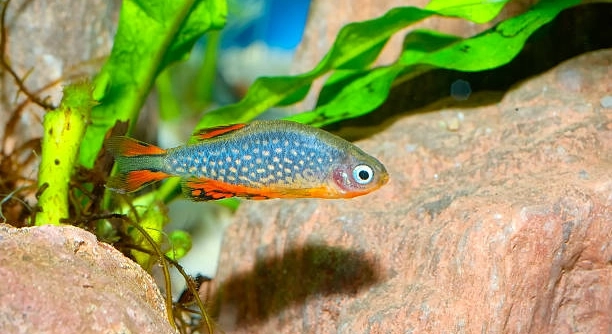
Danios are small, active fish that thrive in lively aquariums. They enjoy swimming in open spaces and interacting with gentle currents, making water flow an essential part of keeping them healthy and happy in home tanks.
Danios prefer a variety of water flow patterns that simulate natural streams and rivers. Moderate, laminar flows, gentle surface ripples, and occasional directional currents encourage exercise, reduce stress, and promote natural behaviors, contributing to overall health and well-being in aquarium environments.
Knowing the ideal water flow can improve tank setup and enhance your fish’s daily activity and comfort in their environment.
Gentle Surface Ripples
Gentle surface ripples are a simple yet effective way to keep danios active. These ripples mimic shallow streams where water moves lightly over rocks and plants. The slight motion encourages the fish to swim naturally without causing stress or forcing them into strong currents. A calm, consistent ripple helps maintain oxygen levels at the surface, which is important for their health. Danios often explore the edges of the tank where ripples are mildest, giving them a sense of security. Plants and decorations can enhance this effect by directing the flow and creating small areas of calm water. Using an adjustable filter or air stone can help maintain this gentle movement. Observing how the danios interact with the ripples can inform adjustments. Too strong a ripple can make the fish dart excessively, while too weak may reduce activity. Finding the right balance supports both physical exercise and natural behavior in the tank.
Gentle ripples provide movement that stimulates activity while keeping the environment calm and comfortable for danios.
Even minimal water motion encourages healthy swimming patterns and exploration. It reduces stagnation near the surface and promotes oxygen exchange, making the tank a more dynamic and healthy environment for your fish. With careful setup, these ripples can create zones for both play and rest.
Moderate Laminar Flow
A moderate laminar flow provides a steady, uniform current that danios enjoy.
This type of flow mimics streams with consistent water movement, allowing fish to swim continuously without fatigue. It encourages schooling behavior, as the fish can maintain formation and navigate the current together. Laminar flow reduces stress by offering predictable movement rather than turbulent swirls, which can startle or tire them. Properly directing the flow also supports filtration, ensuring debris is pushed toward the intake without creating harsh areas. Decorations like plants and smooth stones can help create breaks in the flow, giving danios areas to rest while still experiencing natural current. Adjustable pumps or filters make it easy to fine-tune this environment. Observing how the fish use the flow can guide placement of obstacles and plants to balance activity and comfort. Moderate laminar currents are essential for long-term health, encouraging exercise, feeding behavior, and engagement with the tank environment without overwhelming the fish.
Occasional Directional Currents
Occasional directional currents give danios areas to swim purposefully. These currents simulate natural streams where water moves in different directions, helping fish stay active and alert while providing varied exercise.
Directional currents can be created with adjustable pumps or by strategically placing decorations that guide water flow. Danios respond well to changes in direction, using stronger currents for exercise and calmer zones to rest. Rotating the flow occasionally encourages exploration and prevents the fish from staying in one area too long. This setup also reduces territorial behavior by distributing activity evenly across the tank. By observing how the fish navigate these currents, you can fine-tune placement for balance and comfort.
Providing occasional directional currents enhances overall tank dynamics. Danios gain physical benefits from swimming against the flow, while varied movement prevents boredom. This simple adjustment creates a healthier, more stimulating environment for your fish, encouraging natural patterns without causing stress.
Circular Flow Zones
Circular flow zones allow danios to swim in loops, promoting schooling behavior. They are particularly effective in larger tanks where space is available.
Creating circular currents can be done by arranging stones, plants, or filter outlets in a way that guides water in a gentle loop. Danios enjoy following these paths, which helps them maintain energy and coordination. Circular flow encourages interaction between fish and supports their natural instinct to swim in groups, creating a lively and organized environment. These zones also prevent stagnant areas, ensuring proper oxygenation and cleaner water. Adjusting the flow speed can accommodate both younger and older fish, giving them areas for exercise and rest.
Circular zones help distribute activity evenly throughout the tank. Danios navigate loops with ease, improving physical fitness while maintaining a sense of order and predictability. This flow type is particularly useful for maintaining healthy fish behavior and a visually engaging aquarium setup.
Variable Flow Sections
Variable flow sections keep danios engaged by changing water speed in different areas. These sections create spots for both fast swimming and gentle rest, mimicking natural streams.
Adjustable pumps and strategically placed decorations can help achieve variable flow. Danios use faster sections for exercise and calmer zones for resting, maintaining healthy activity levels and reducing stress.
Flow Around Plants
Water flowing around plants encourages danios to explore and interact with their environment. Plants create natural barriers that direct currents and provide resting spots, simulating river habitats.
Proper placement of plants enhances circulation, guiding fish through different paths. Danios navigate these areas naturally, promoting exercise and curiosity. Flow around plants also helps with filtration, preventing stagnant areas and supporting oxygenation. This combination of current and greenery creates a dynamic environment where the fish feel safe yet active. Observation and minor adjustments allow for the ideal balance between movement and calm spaces.
Gentle Bottom Currents
Gentle bottom currents help distribute nutrients and debris without disturbing the fish. They support tank cleanliness and simulate shallow stream conditions preferred by danios.
FAQ
How strong should the water flow be for danios?
Danios prefer moderate water flow that is steady but not harsh. Too strong a current can tire them quickly and cause stress, while too weak leaves them under-stimulated. A balanced flow allows swimming, schooling, and natural exploration without forcing them to fight the water.
Can danios adapt to different flow patterns?
Yes, danios are quite adaptable. They can adjust to slight changes in current strength and direction. However, sudden or extreme changes can cause stress. Gradual adjustments, such as changing pump settings or repositioning decorations, help them adapt naturally while maintaining healthy activity levels.
Do danios need a filter for water flow?
A filter is recommended, not only for cleaning but also for creating consistent flow. Adjustable filters allow you to control the speed and direction, providing zones for rest and exercise. Proper filtration ensures debris is moved without generating overly strong currents.
Is it necessary to create multiple flow zones in the tank?
Multiple flow zones benefit danios by providing varied swimming conditions. Gentle ripples, moderate laminar flows, and occasional directional currents let them exercise naturally while resting in calmer areas. This variety reduces boredom and encourages natural behaviors, which supports long-term health.
Will plants and decorations affect water flow for danios?
Yes, plants and decorations change the way water moves in the tank. They can create sheltered areas, guide currents, and break strong flows into gentler paths. Positioning these elements strategically helps create resting zones and encourages exploration without stressing the fish.
How do I know if the flow is too strong?
Signs of overly strong flow include fish struggling to swim, staying at the tank bottom, or hiding constantly. If danios are darting uncontrollably or avoiding certain areas, the current may need to be reduced or redirected. Gentle adjustments often solve the problem.
Can danios thrive in tanks without water flow?
While danios can survive in stagnant water, they thrive with movement. Currents encourage exercise, improve oxygenation, and reduce stagnant zones that can lead to water quality issues. Even gentle ripples or mild filtration significantly improve their health and behavior.
How often should I adjust the water flow?
Frequent minor adjustments are better than large, sudden changes. Observing your danios weekly helps you identify if they are using all areas of the tank comfortably. Adjustments may be seasonal or based on tank growth, such as adding plants or new decorations.
Are there specific flow patterns that encourage schooling?
Yes, consistent laminar flows and circular zones encourage danios to swim together naturally. These flows provide a rhythm for coordinated movement, which strengthens social behavior and reduces stress within the group. Avoid turbulent or chaotic currents for schooling areas.
Does water flow affect feeding behavior?
Flow patterns can influence how danios approach food. Moderate currents keep them active and alert, encouraging natural foraging. Very strong flows may push food away or make feeding stressful. Gentle currents near the feeding area allow fish to eat comfortably without interference from turbulence.
How can I create gentle bottom currents?
Bottom currents can be created using low-speed pumps or by positioning filter outputs toward the substrate. These currents help circulate nutrients and detritus without disturbing the fish. Gentle bottom movement complements surface ripples and mid-tank flows, maintaining a balanced environment throughout the aquarium.
Can flow patterns prevent territorial behavior?
Yes, varied flow zones reduce territorial disputes. By offering multiple areas for swimming, resting, and exploring, danios are less likely to compete for space. Creating calm zones near plants and decorations allows fish to retreat when needed, promoting peaceful interactions and healthy schooling dynamics.
Do different danio species prefer different flow types?
Some variation exists among species. While most danios enjoy moderate laminar flows and gentle ripples, species like the zebra danio are highly active and may use stronger currents for exercise. Observing your specific species’ behavior helps tailor flow patterns for optimal health and activity.
Is flow important for breeding danios?
Yes, water movement affects breeding. Gentle currents help eggs remain suspended without damage, and active swimming in moderate flows encourages natural courtship behavior. Overly strong currents can stress the fish, while stagnant water may lead to poor oxygenation, reducing spawning success.
How do I combine different flow patterns in one tank?
Combining patterns involves using adjustable pumps, filter outputs, and strategic decoration placement. Gentle surface ripples, moderate mid-level flows, occasional directional currents, and bottom circulation create a dynamic environment. Observing how danios use each zone ensures the balance meets their activity and resting needs.
Will water flow affect tank maintenance?
Yes, proper flow improves water quality by reducing dead spots and evenly distributing nutrients and heat. Debris moves toward the filter naturally, lowering cleaning frequency. Gentle but consistent currents also prevent algae buildup in stagnant areas, supporting overall tank health.
How long does it take for danios to adjust to new flow?
Adjustment typically takes a few hours to several days depending on the change’s magnitude. Gradual transitions and observation allow them to explore new zones confidently. Sudden extreme changes can stress the fish, so incremental adjustments are always recommended for smooth adaptation.
Does water flow affect temperature distribution?
Yes, proper circulation ensures even temperature throughout the tank. This prevents hot or cold spots, which can stress danios. Using adjustable flow and observing fish location helps maintain a consistent, comfortable environment across all areas of the aquarium.
Can I use an air stone to create flow?
Air stones create gentle surface movement and mild currents that are well-tolerated by danios. They promote oxygenation and add visual interest. Combining an air stone with filter-driven currents provides layered flow patterns, enhancing swimming opportunities and maintaining water quality effectively.
Are there safety concerns with strong currents and decorations?
Yes, strong currents can push fish into decorations, causing injury. Rounded stones and smooth plants reduce risk, and placing objects away from high-flow areas prevents accidents. Observing fish behavior regularly ensures the tank remains safe and comfortable while maintaining the desired movement patterns.
How often should I monitor flow effectiveness?
Monitoring weekly is recommended. Watch how danios swim, rest, and interact with currents. Adjust pumps, filters, or decorations as needed to ensure the flow supports natural behavior, health, and social interaction without causing stress or fatigue.
Final Thoughts
Maintaining the right water flow for danios is an essential part of keeping them healthy and active. Proper flow encourages natural swimming behavior, reduces stress, and ensures that the tank environment remains dynamic. Danios are small, energetic fish that benefit from consistent movement in the water. Without adequate currents, they may become less active or spend more time hiding, which can affect their overall health. Gentle surface ripples, moderate laminar flows, occasional directional currents, and circular zones all contribute to a balanced environment. Each type of flow has a specific purpose, whether it is to provide exercise, encourage schooling, or create resting areas. Observing the fish and their interaction with different flows is key to understanding what works best for the specific tank setup. Adjustments can be made gradually using adjustable pumps, filter outputs, or strategic placement of decorations and plants, allowing the danios to adapt naturally.
Water flow also plays an important role in maintaining water quality and tank health. Proper circulation helps prevent stagnant areas where debris or uneaten food might accumulate. This not only supports cleaner water but also improves oxygen distribution throughout the tank. Areas with gentle bottom currents allow for nutrient movement without disturbing the fish, while surface ripples enhance gas exchange at the water-air interface. Plants and decorations can be arranged to guide water movement, creating zones for both activity and rest. By balancing different currents, tank owners can reduce stress on the fish and maintain a healthier ecosystem. Even small adjustments can make a noticeable difference in the behavior and well-being of the danios, making it easier to manage the aquarium without overcomplicating the setup.
Finally, paying attention to water flow helps support the social and natural behaviors of danios. Moderate and predictable currents encourage schooling, exploration, and active swimming. Providing varied flow zones keeps the fish engaged and prevents boredom, while calmer sections allow them to rest safely. Gradual changes to flow patterns, careful observation, and strategic placement of equipment ensure that all fish, regardless of age or species, can benefit from the environment. By focusing on these details, tank owners can create an aquarium that closely resembles natural habitats, promoting healthy, active, and content fish. Prioritizing water flow ultimately enhances both the health of the danios and the overall enjoyment of maintaining the aquarium, creating a stable and engaging environment for everyone involved.

Hello,
If you enjoy the content that we create, please consider saying a "Thank You!" by leaving a tip.
Every little bit helps us continue crafting quality advice that supports the health, happiness, and well-being of pets around the world, for pets of all shapes, sizes, and species.
We really appreciate the kindness and support that you show us!